What Is the Original Stanley Cup Trophy? The History of the Dominion Challenge Cup
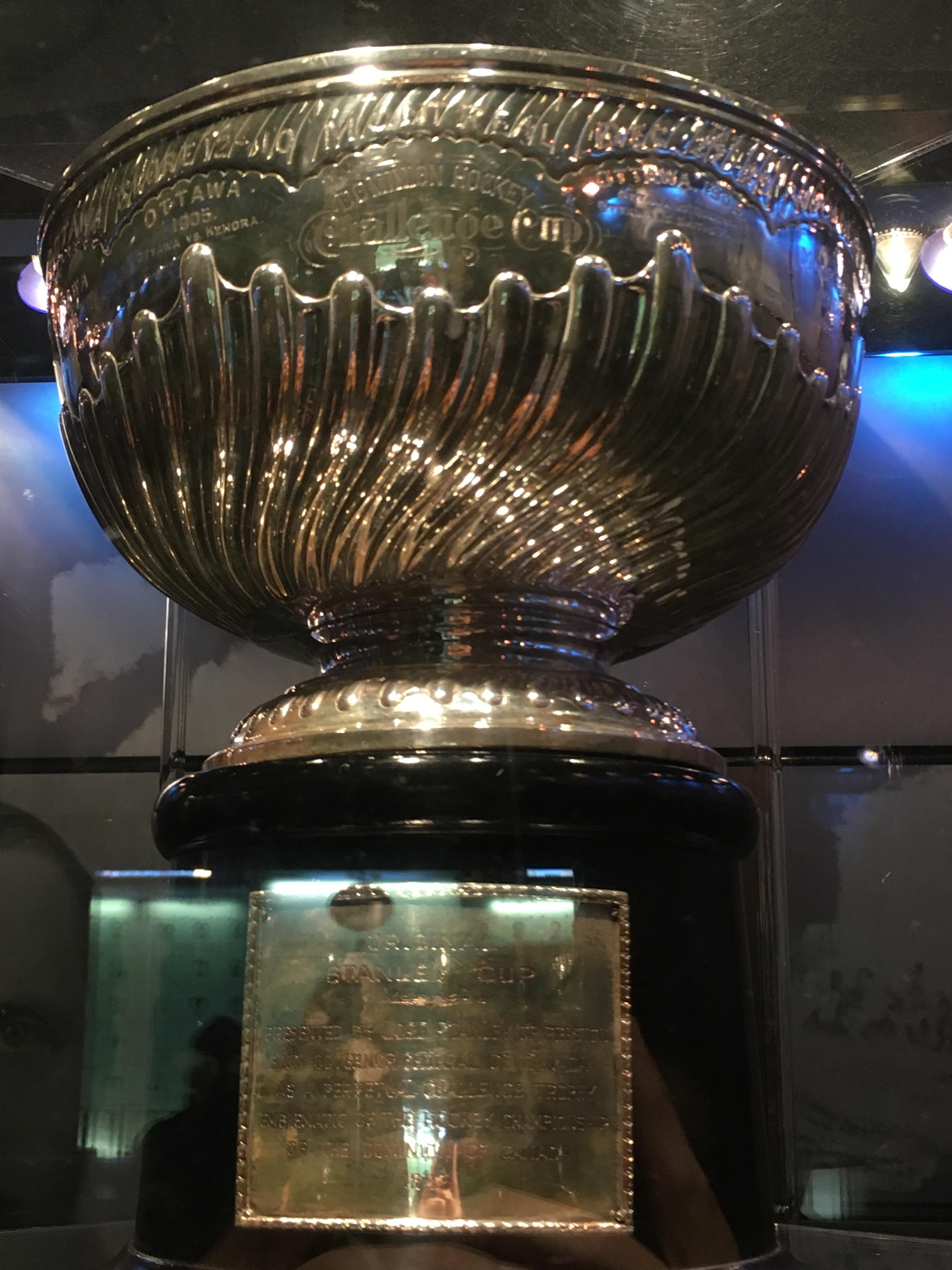
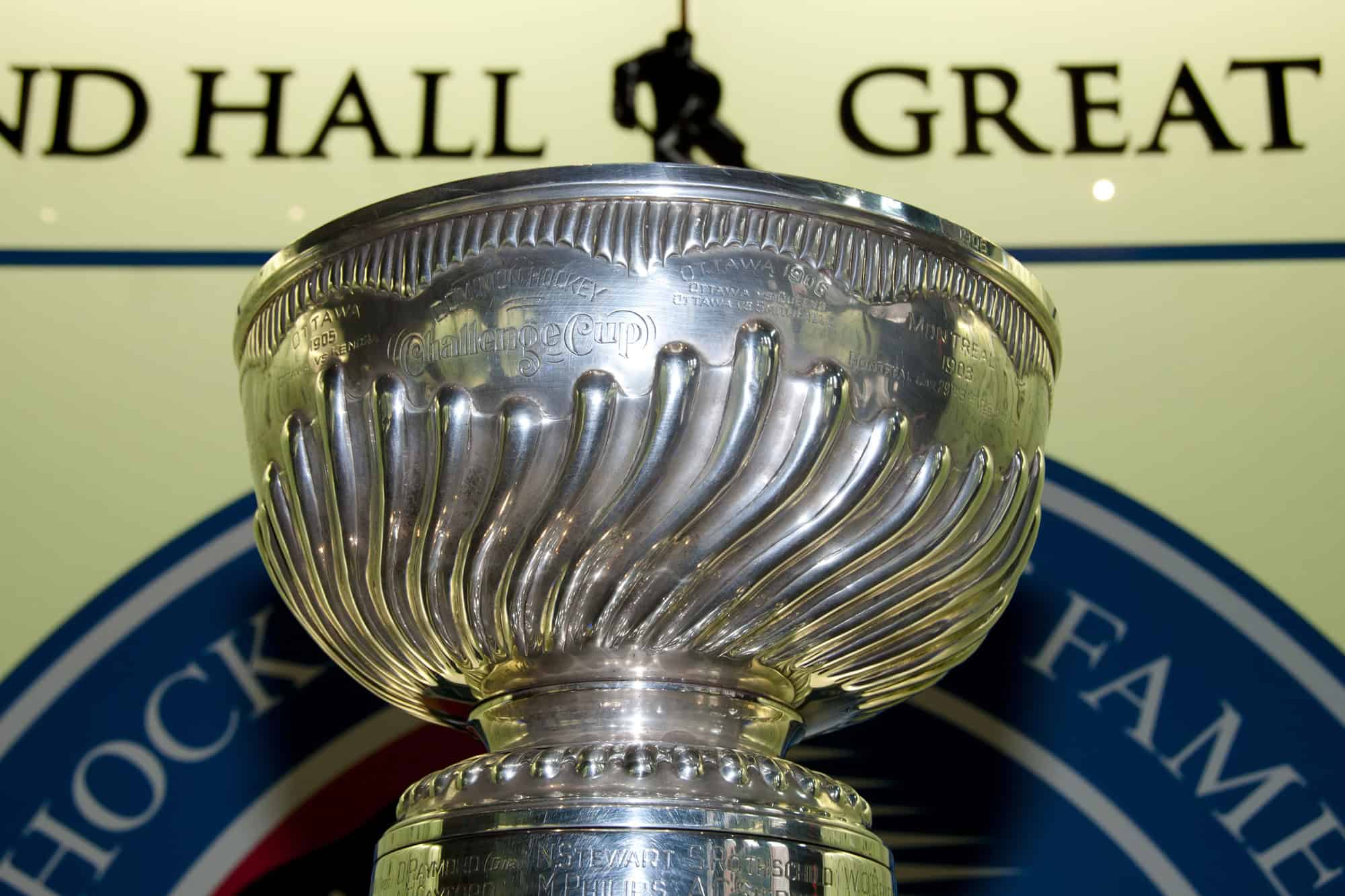
The original Stanley Cup trophy is a silver decorative bowl, officially named the Dominion Hockey Challenge Cup, purchased by Lord Stanley of Preston in 1892. Unlike the massive, tiered trophy seen on the ice today, the original is a m...
The original Stanley Cup trophy is a silver decorative bowl, officially named the Dominion Hockey Challenge Cup, purchased by Lord Stanley of Preston in 1892. Unlike the massive, tiered trophy seen on the ice today, the original is a modest bowl that was retired in 1969 to the Hockey Hall of Fame in Toronto to protect it from further structural wear and tear.
Contents
The Genesis of an Icon: Lord Stanley’s 1892 Purchase
To understand what the original Stanley Cup trophy is, one must look back to the late 19th century. In 1892, Frederick Arthur Stanley, the 16th Earl of Derby and then-Governor General of Canada, became enamored with the burgeoning sport of ice hockey. His sons and daughter were avid players and fans, prompting Lord Stanley to donate a trophy that would serve as a visible sign of amateur hockey excellence in Canada.
Lord Stanley purchased the original trophy—a silver bowl made in Sheffield, England—for 10 guineas, which was approximately 50 dollars at the time. This bowl, known formally as the Dominion Hockey Challenge Cup, was never intended to be the exclusive property of a single league. Instead, it was designed as a "challenge" trophy. This meant that any amateur team in Canada could theoretically challenge the current holder for the right to possess the cup.
The original bowl is relatively small compared to the modern version, measuring approximately 7.28 inches (18.5 cm) in height and 11.42 inches (29 cm) in diameter. It is made of sterling silver and features an interior gold wash, which has faded significantly over the past 130 years.
The Physical Evolution: From Bowl to "Stovepipe" to Barrel
The original trophy was not born with the long, cylindrical base we recognize today. When the Montreal Hockey Club became the first winners in 1893, their name was engraved on a simple silver ring attached to the bottom of the bowl. As more teams won the challenge, more rings were added.
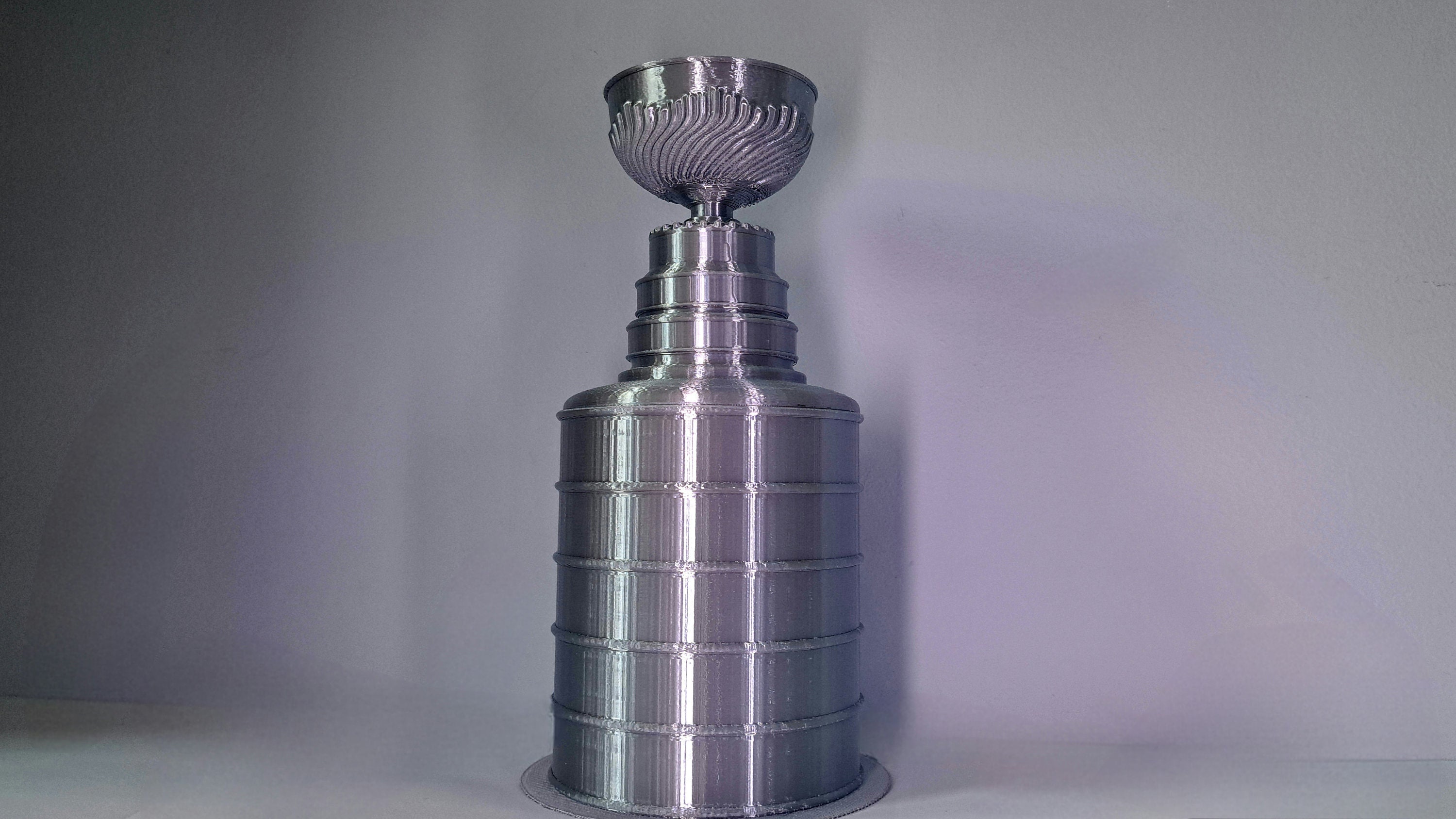
By the early 1900s, the trophy began to take on a "stovepipe" shape. Winners would add their own rings of varying sizes, leading to a disorganized and spindly appearance. By 1948, the trophy had become so tall and unwieldy that it was redesigned into a "cigar" or "barrel" shape. However, this version was also temporary. In 1957, the NHL standardized the design into the five-band barrel shape used today, which allows for exactly 13 winning teams to be engraved on each band.
The original 1892 bowl remained the crowning piece of this evolving structure for decades. However, the physical toll of being hoisted, dropped, and traveled across North America began to show. By the mid-1960s, the silver had become dangerously thin, and the structural integrity of the bowl was at risk.
Why the Original Trophy was Retired in 1969
As of 2026, the "Original Stanley Cup" refers specifically to the retired 1892 bowl housed in Toronto. The decision to retire the bowl was made in 1969 by the Hockey Hall of Fame and the NHL. Officials realized that the original silver was too brittle to survive the rigors of modern celebrations.
The retirement process involved two major steps:
- Creation of the Presentation Cup: A precise replica of the original bowl was created to sit atop the trophy that is actually presented to players on the ice. This is the version fans see during the NHL playoffs.
- Permanent Exhibition: The 1892 Dominion Hockey Challenge Cup was placed in a climate-controlled environment within "Lord Stanley’s Vault" at the Hockey Hall of Fame.
The original bowl remains there today, resting in a glass case. It is rarely touched and never leaves the building. When people ask "What is the original Stanley Cup," they are referring to this specific piece of silver, distinguished by its authentic scratches, historical engravings, and the hallmark of its 19th-century English silversmith.
The Three "Stanley Cups" Explained
Confusion often arises because there are technically three versions of the Stanley Cup that exist simultaneously in 2026. Understanding the difference is crucial for any historian or fan of the sport.
| Version | Name | Primary Use | Location |
|---|---|---|---|
| The Original | Dominion Hockey Challenge Cup | Historical preservation; no longer awarded. | Lord Stanley's Vault, Hockey Hall of Fame. |
| The Presentation Cup | The "Authentic" Stanley Cup | Awarded to the NHL Champions on the ice. | Travels with the winning team and the "Keeper of the Cup." |
| The Replica Cup | The Permanent/Display Cup | Used for display at the Hall of Fame when the Presentation Cup is traveling. | On public display in the Great Hall, Toronto. |
The Presentation Cup
This is the trophy that most fans consider "the real one." It was authenticated in 1963-1964 and features the replica of the 1892 bowl. This is the version that has been involved in famous mishaps, such as being thrown into Mario Lemieux’s pool or left on the side of a road. It is the only trophy in professional sports where the names of every player, coach, and staff member of the winning team are engraved directly onto the silver.
The Permanent Replica
Because the Presentation Cup is on the road for more than 300 days a year, the Hockey Hall of Fame commissioned a "Permanent Cup" in 1993. This version is an exact duplicate used for museum visitors to photograph when the Presentation Cup is away at a championship parade or a player's "day with the cup."
Engravings and Historical Markings
The original 1892 bowl contains markings that you won't find on the modern presentation versions. One of the most famous aspects of the original cup is the engraving "From Stanley of Preston," which Lord Stanley had inscribed on the outside rim.
The original bowl also carries the marks of the first decades of hockey history. Unlike the modern bands, which are replaced and retired to the Hall of Fame when they are full, the early engravings were often haphazard. You can see where teams from the Pacific Coast Hockey Association (PCHA) and the National Hockey Association (NHA) vied for dominance before the NHL took exclusive control of the trophy in 1926.
Errors in the Silver
Interestingly, the original bowl and its subsequent rings contain several famous spelling errors that have been preserved in the replicas to maintain historical accuracy. These include:
- "Bqstqn Bruins" (1938-39)
- "Ilanders" instead of Islanders (1980-81)
- "Gualie" instead of Goalie for certain players.
While the NHL has the power to correct these on newer bands, the original artifacts remain a testament to the human element of the trophy’s long journey.
How to Verify an Authentic Experience
If you are traveling to see the original Stanley Cup trophy in 2026, it is important to know exactly where to look. Many visitors take a photo with the replica in the Great Hall and believe they have seen the "original."
To see the actual 1892 bowl, you must enter the Esso Great Hall at the Hockey Hall of Fame and look for the entrance to Lord Stanley’s Vault. Inside this high-security, temperature-regulated room, the original silver bowl sits alone. It is distinguishable by its darker patina and the specific hallmarkings of the Sheffield silversmith that are not present on the presentation replica.
Frequently Asked Questions
Is the Stanley Cup at the Hockey Hall of Fame the real one?
Both "real" versions are associated with the Hall of Fame. The 1892 original bowl is permanently in the vault. The "Presentation Cup" (the one players lift) is also "real" but spends most of its time traveling. If you see a Stanley Cup in the middle of the Great Hall, it is likely the Permanent Replica unless the Presentation Cup is home for a special event.
Why is the original bowl so small?
When Lord Stanley bought the trophy, it was meant to be a simple challenge cup for amateur hockey, similar to other Victorian-era sporting trophies. It was never intended to be the 35-pound, 3-foot tall monument it has become. The size grew as championship rings were added to accommodate more names.
Can you still see the names of the original 1893 winners?
Yes, the original engravings for the Montreal Hockey Club (1893) are still visible on the original bowl and have been replicated on the top of the Presentation Cup. However, the silver on the original bowl is quite worn, making some of the oldest engravings difficult to read without professional lighting.
Has the original bowl ever been stolen?
While there have been several attempts and many "disappearances" (such as being kicked into the Rideau Canal in 1905), the original 1892 bowl was never successfully stolen for a long duration. Its retirement in 1969 was partly to ensure it could never be lost or stolen during team celebrations.
Final Recommendation for Fans and Researchers
To truly appreciate what the original Stanley Cup trophy is, one should prioritize a visit to the Hockey Hall of Fame in Toronto. While seeing the Presentation Cup during a victory parade is a modern thrill, viewing the 1892 Dominion Hockey Challenge Cup in the vault provides a direct connection to the origins of the sport. For those conducting historical research, the Hall’s official archives provide the most accurate records of the cup’s transition from an amateur bowl to a professional icon.
Image Gallery