Guide to Selecting and Acquiring a Graduation Cap and Gown for a Master’s Degree
Securing a graduation cap and gown for a master’s degree requires adherence to specific academic regalia traditions, including distinct hood colors and sleeve designs that signify advanced scholarship. Students must typically coordinat...
Securing a graduation cap and gown for a master’s degree requires adherence to specific academic regalia traditions, including distinct hood colors and sleeve designs that signify advanced scholarship. Students must typically coordinate with their university bookstore or an approved vendor to ensure their attire meets institutional standards for fabric, color, and trim before the commencement ceremony.
Contents
Understanding Academic Regalia Traditions
Academic regalia in the United States and many international institutions follows the guidelines set forth by the American Council on Education (ACE). Unlike a bachelor’s degree, which usually involves a simple gown and tassel, master’s degree attire is more elaborate to reflect the level of study.
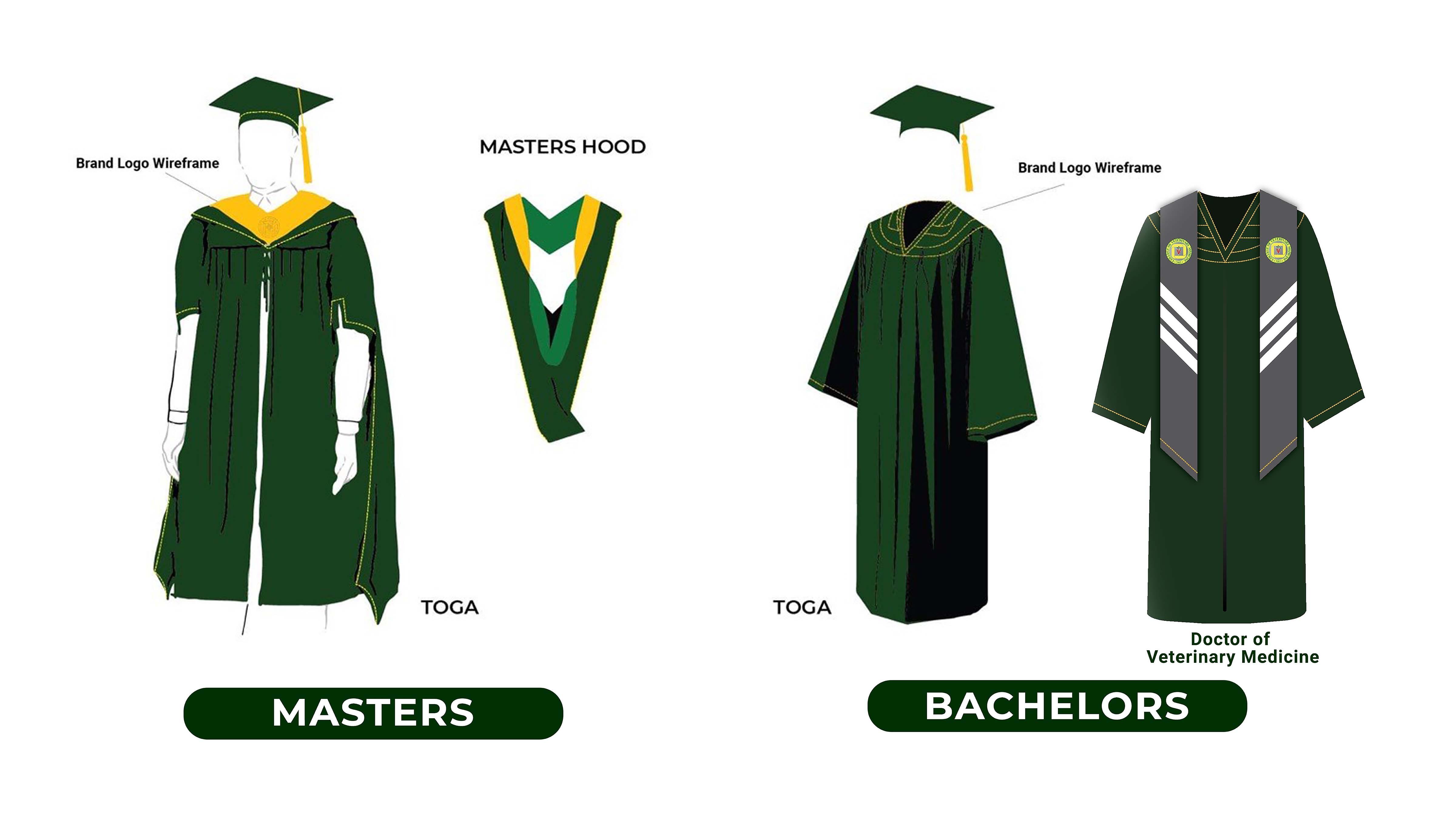
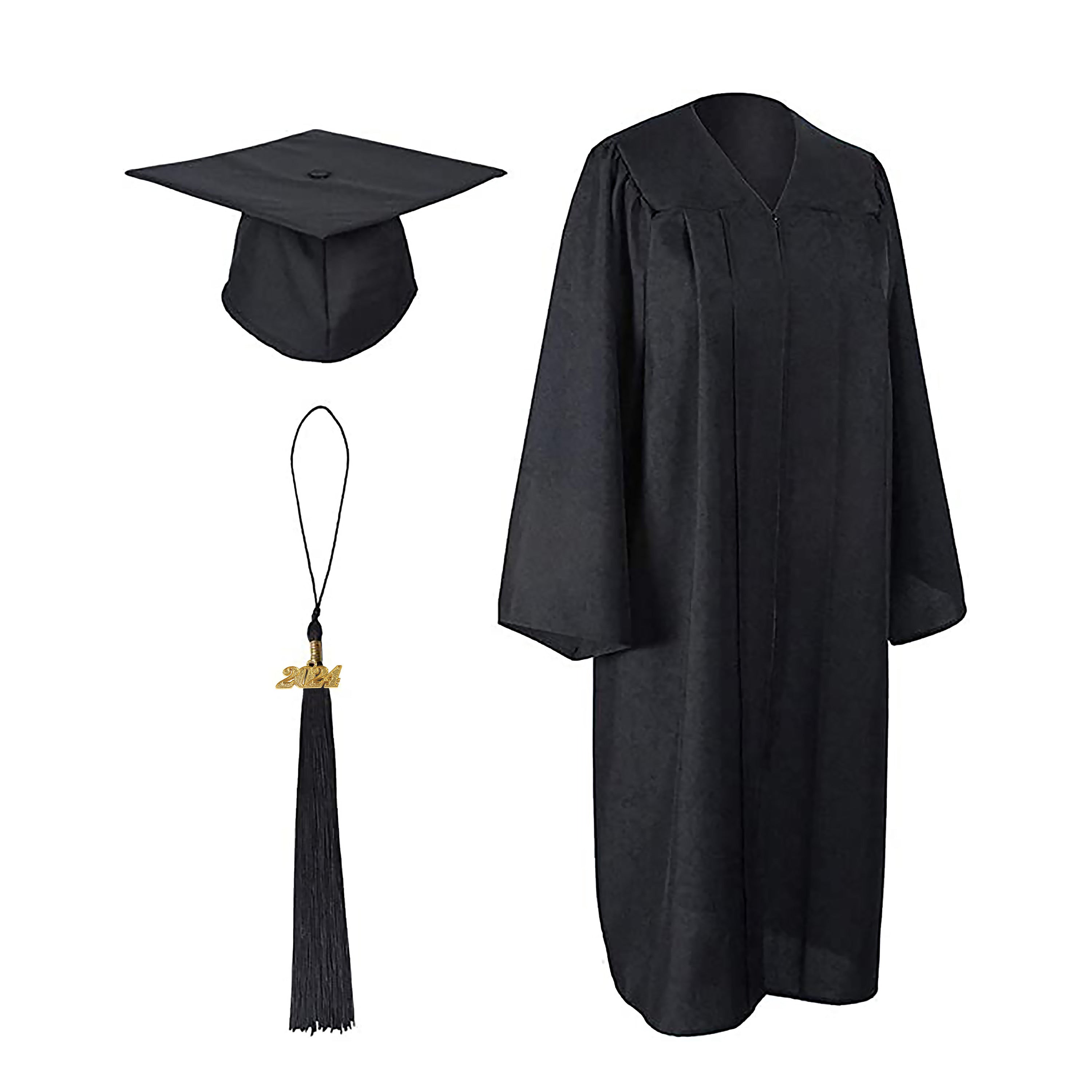
The master’s gown is traditionally characterized by an oblong sleeve that is open at the wrist, with the base of the sleeve hanging down in a distinct "oblong" shape. The gown is designed to be worn closed, though it is often worn open in practice. For master’s degree candidates, the gown is traditionally black, constructed from synthetic fabric that allows for a professional drape. While some institutions have moved toward sustainable or "eco-friendly" materials made from recycled plastic bottles, the aesthetic remains uniform.
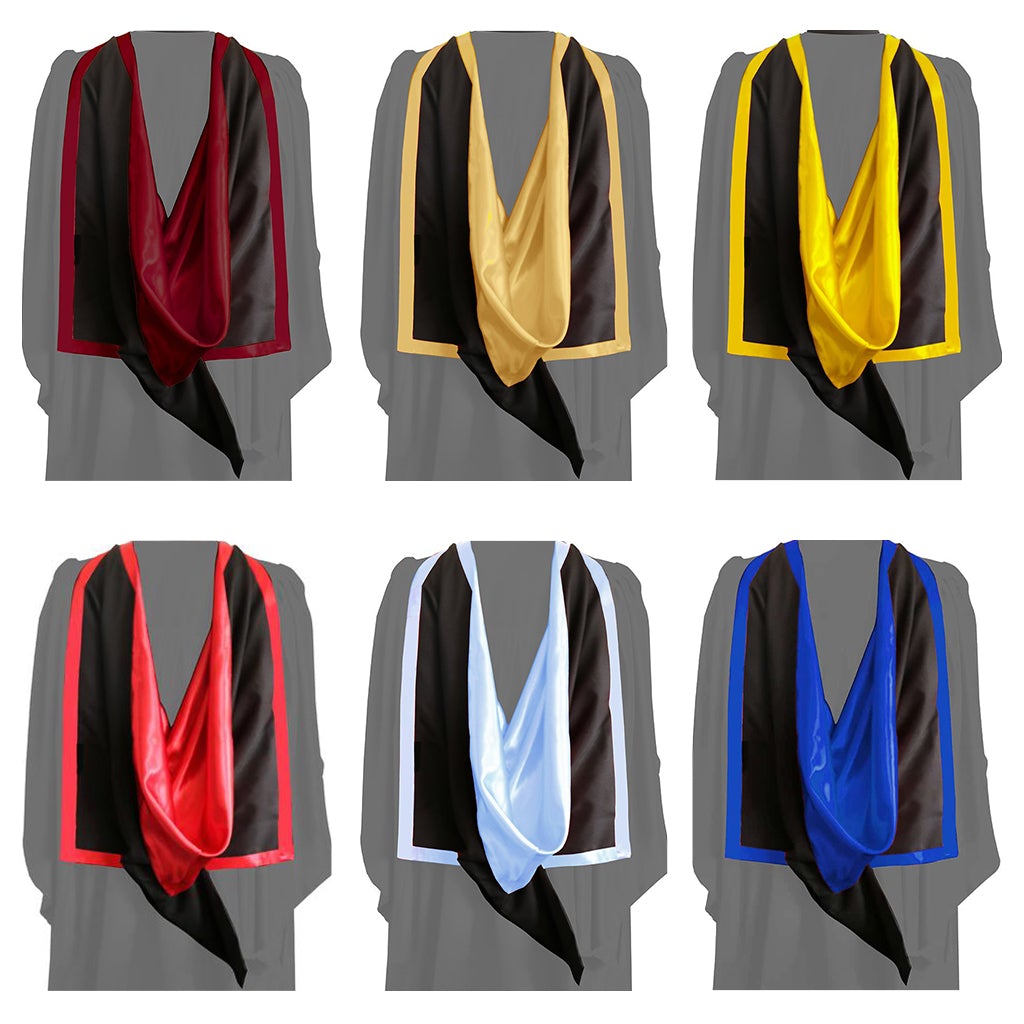
The most significant component of master’s regalia is the hood. The master’s hood is longer than the bachelor’s hood and is lined with the official colors of the granting institution. The velvet border of the hood indicates the subject area of the degree (e.g., gold for science, white for arts/humanities, drab for business). This hood is not merely decorative; it is a formal recognition of the degree earned and serves as a primary visual differentiator during the commencement procession.
Coordinating with Institutional Requirements
Every university maintains a specific policy regarding academic dress. Before purchasing or renting, you must consult your school’s registrar or the official commencement website. Many universities operate under an exclusive contract with a specific provider, such as Herff Jones, Jostens, or Oak Hall.
Using an official vendor ensures that the velvet color of your hood perfectly matches the university’s specific requirements. Because universities may have custom "university-specific" velvet shades or unique piping on their gowns, buying regalia from a third-party marketplace might result in attire that does not conform to the institution's visual identity. In some cases, non-conforming regalia may be barred from the commencement stage, or you may be forced to purchase a replacement on-site at a premium cost.
Steps for Securing Your Regalia
The process for obtaining your master’s degree attire typically follows a rigid timeline. Missing these deadlines can lead to expedited shipping fees or, in worst-case scenarios, the inability to participate in the walk.
- Verify Eligibility: Ensure your academic record reflects your "degree candidate" status. Registrars must audit your credits before you are authorized to purchase regalia.
- Consult the Bookstore Portal: Navigate to your university’s dedicated commencement portal. Most platforms will prompt you for your degree type (Master of Arts, Master of Science, Master of Business Administration, etc.).
- Confirm Measurements: You will need to provide your height and weight. Unlike standard clothing, gown sizing is based on length to ensure the hem falls at the appropriate mid-calf level.
- Select Rental vs. Purchase:
- Rental: Most common for master's degree students. The set is returned after the ceremony. This is cost-effective and environmentally conscious.
- Purchase: Often chosen by students who plan to pursue doctoral degrees or who intend to work in higher education/academia where regalia is required for faculty appearances at future convocations.
- Review the Package Components: A standard master’s package includes the gown, the master’s hood, the cap (mortarboard), and the appropriate tassel. Some packages include a commemorative stole or sash, though these are typically optional or specific to honor societies.
Comparison of Regalia Options
| Feature | Rental Regalia | Purchase Regalia |
|---|---|---|
| Primary Use | Single commencement event | Long-term use (faculty roles) |
| Cost | Lower (one-time fee) | Higher (investment) |
| Maintenance | None (returned after use) | Requires professional cleaning |
| Availability | Available via university portal | Custom tailoring often required |
| Sustainability | High (reuse model) | Dependent on material quality |
The Role of the Tassel and Cap
The mortarboard (cap) is the standard headwear for master’s degree candidates. While bachelor’s students are often instructed to transition their tassel from the right to the left side upon degree conferral, master’s students typically wear the tassel on the left side throughout the ceremony, as the degree has already been earned upon completion of their requirements.
The tassel color for a master’s degree is often black or an "all-degree" color designated by the institution. However, some universities utilize specific colored tassels to denote the specific master's degree track. Always verify if your university requires a specific tassel color, as these are often color-coded to the faculty or school (e.g., School of Engineering vs. School of Law).
Common Mistakes and How to Avoid Them
One of the most frequent errors is waiting until the last month of the semester to order. During peak graduation seasons, shipping delays are common. Aim to complete your order at least 6 to 8 weeks before the ceremony date.
Another mistake involves the condition of the gown upon arrival. Many gowns are shipped folded in plastic, resulting in deep creases. Since graduation day involves significant photography, it is highly recommended that you remove the gown from the packaging immediately upon receipt. Use a garment steamer on a low setting or hang the gown in a bathroom while running a hot shower to release wrinkles. Do not iron the synthetic fabric directly, as it can melt or develop a permanent sheen.
Lastly, consider the footwear. Commencement ceremonies often involve long periods of standing, walking across uneven stages, or navigating outdoor surfaces. While formal attire is expected, prioritize comfort. Ensure your shoes do not clash with the length of the gown, which should hover approximately 8 to 10 inches off the ground.
Professional Guidance and Next Steps
If you are planning to pursue a career in academia, you should treat the purchase of your master’s regalia as a professional investment. High-quality, custom-tailored gowns made from wool or heavy-duty synthetic blends will serve you well as a faculty member in future years.
If you are graduating in 2026, check your university’s email circulars for the "Grad Fair" dates. These events provide a physical opportunity to try on different sizes and ask bookstore staff about the exact requirements for your specific department. If you are participating in a hybrid or virtual graduation, verify if the institution requires you to wear official regalia for your home-based photos or if the attire is only strictly mandated for the in-person procession.
Recommendation: Log into your student portal today to confirm the deadline for regalia orders. If you are ordering through a third-party site, double-check that the hood color matches the official institutional list. Do not rely on color charts found on general e-commerce websites, as they rarely reflect the specific, nuanced color codes used by accredited universities.
Image Gallery