The Farley Jackmaster Funk Net Worth: An Analysis of a House Music Pioneer
Farley "Jackmaster" Funk, born Farley Keith Williams, is a foundational figure in the development of Chicago house music. While precise financial figures regarding his personal wealth are not publicly disclosed by regulatory filings or...
Farley "Jackmaster" Funk, born Farley Keith Williams, is a foundational figure in the development of Chicago house music. While precise financial figures regarding his personal wealth are not publicly disclosed by regulatory filings or audited financial statements, estimates of his net worth typically range between $500,000 and $2 million as of 2026. These estimations reflect a career built on pioneering record production, international DJ touring, and long-standing contributions to the global dance music ecosystem.
Contents
The Financial Foundations of a House Music Pioneer
To understand the economic profile of an artist like Farley "Jackmaster" Funk, one must look at the structural components of the dance music industry during the 1980s and the transition into the modern digital era. Farley Keith began his journey in the mid-1980s as a member of the Hot Mix 5, a legendary group of DJs who broadcast on WBMX-FM in Chicago. This position was not merely a local radio slot; it was the epicenter of a new genre—house music—that would eventually dominate global electronic dance music culture.
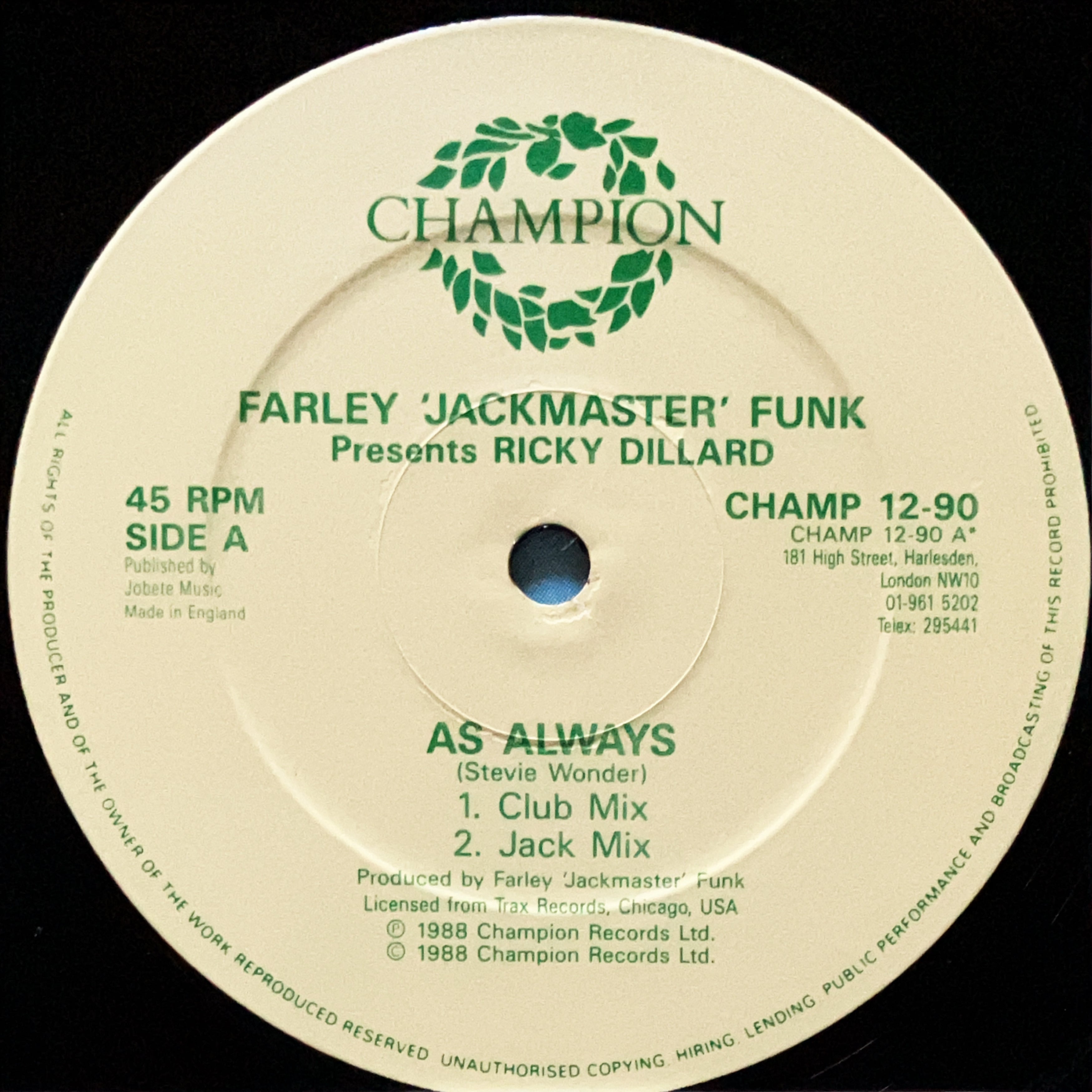
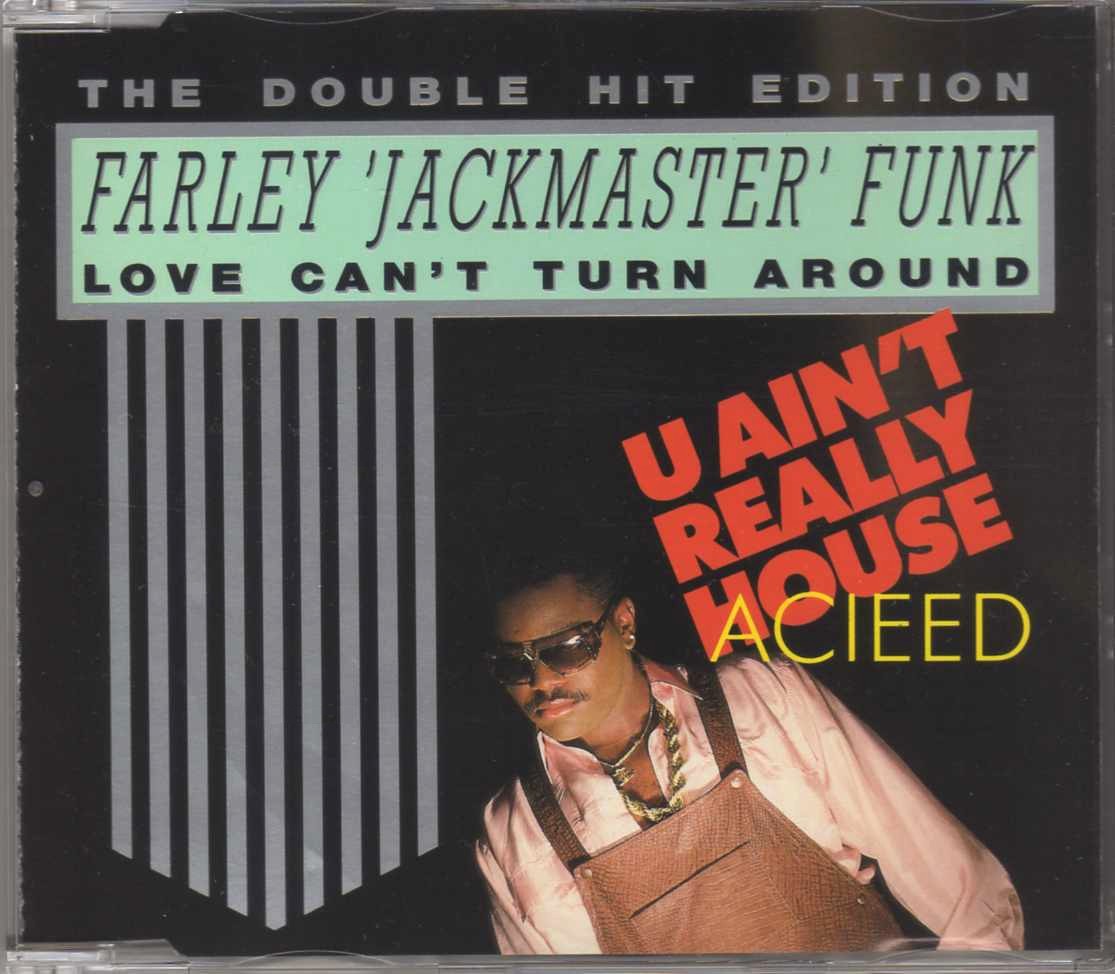
For artists of this era, wealth was generated through a combination of performance fees, music publishing royalties, and record sales. Unlike contemporary artists who benefit from complex global streaming monetization, the architects of house music often navigated a landscape defined by indie labels and club circuit economics. Farley's impact, particularly through his 1986 crossover hit "Love Can't Turn Around" featuring Darryl Pandy, provided a critical revenue stream that achieved significant commercial success in the United Kingdom, peaking at number 10 on the UK Singles Chart. This achievement was a rarity for house music producers at the time and cemented his status as a commercially viable commodity in European markets.
Primary Revenue Streams: Performance vs. Publishing
The net worth of an electronic music artist is rarely static. It is a derivative of three core professional activities: global performance contracts, intellectual property (IP) management, and legacy licensing.
Global Performance and DJ Tours
As of 2026, Farley "Jackmaster" Funk remains an active, albeit legacy, figure in the house music circuit. DJ fees for artists of his historical stature vary significantly based on the venue size, regional market, and festival tier. While top-tier EDM headliners command massive, six-figure fees for single performances, pioneering legends often secure consistent, mid-tier booking fees. These fees are the primary engine for liquidity in a musician’s portfolio, covering travel, management, and personal income.
Intellectual Property and Royalties
The publishing rights to his catalog represent the long-term, passive component of his net worth. When a song like "Love Can't Turn Around" is licensed for films, television, commercials, or sampled by newer generations of producers, it generates royalty payments. For artists who maintain ownership of their master recordings and publishing, these assets function similarly to real estate—they require maintenance (auditing, administration) but provide an enduring, albeit fluctuating, income stream.
Understanding Industry Economic Cycles
The following table outlines the factors that influence the net worth of an electronic music producer, categorizing how value is generated and maintained over a multi-decade career.
| Revenue Source | Description | Economic Impact |
|---|---|---|
| Live Performance Fees | Fees generated from club dates and festival appearances globally. | High cash flow; dependent on tour frequency and market demand. |
| Publishing Royalties | Income from radio play, sync licensing, and public performances. | Steady, long-term passive income; requires IP protection. |
| Mechanical Royalties | Earnings from physical and digital sales or streaming. | Variable; impacted by industry-wide changes in consumption. |
| Legacy Brand Value | Income from merchandise, workshops, or industry consulting. | Supplemental; depends on the artist's engagement with the community. |
The Challenges of Estimating Celebrity Net Worth
Discussions regarding a private individual's net worth—particularly in the creative arts—often rely on aggregate data from third-party entertainment databases. It is important for readers to distinguish between verifiable financial status and speculative media reporting.
Most "net worth" websites utilize automated algorithms that factor in assumed historical earnings, property ownership, and average industry rates. However, these tools rarely account for personal liabilities, high operational costs of touring, tax obligations, or the cyclical nature of music production. A net worth estimate is an approximation of total assets minus total liabilities, but in the case of performers like Farley "Jackmaster" Funk, the "assets" often include non-liquid items such as the prestige of a brand, which cannot be easily appraised on a balance sheet.
Historical Context: The Chicago House Boom
The financial history of house music producers is inextricably linked to the socio-economic conditions of Chicago in the 1980s. When Farley "Jackmaster" Funk was defining the "jack" sound, the industry was largely decentralized. Many artists signed contracts that did not favor long-term wealth accumulation for the creators, as independent labels often lacked the capital or infrastructure to track global royalties efficiently.
For many pioneers, the "worth" of their work was not fully realized until decades later when the genre gained institutional status. Today, organizations and heritage societies often work to ensure that artists receive their due compensation for past contributions. Understanding the evolution of these business practices is essential for any analysis of the net worth of a generational pioneer.
FAQ: Frequently Asked Questions
1. Is Farley "Jackmaster" Funk considered wealthy? Wealth is relative. By the standards of the early electronic music scene, Farley achieved success through international chart recognition and sustained global touring. However, he is not typically ranked among the billionaire EDM DJs of the current era. His net worth reflects a career as a dedicated, working professional in the music industry rather than one built on massive corporate endorsements.
2. Where does most of his income come from in 2026? As of 2026, his income is primarily derived from international DJ bookings and the ongoing collection of royalties from his extensive production catalog. His status as a "house music legend" allows him to maintain a consistent touring schedule in specialized clubs and retro-themed festivals.
3. Do streaming services significantly increase an artist's net worth? For legacy artists, streaming provides a steady, incremental income, but it rarely replaces the revenue generated from live performances or traditional high-value licensing deals. Streaming serves more as a marketing tool to keep the artist's catalog relevant for booking agents rather than a primary wealth-generation engine.
4. Can net worth estimates for DJs be verified? No. Unless an artist releases audited financial statements, net worth figures published online are speculative. These sites often aggregate data points like general industry averages and historical performance popularity but lack access to private bank accounts or investment portfolios.
5. How has his role in the Hot Mix 5 influenced his financial longevity? The Hot Mix 5 provided the foundational branding that allowed Farley to establish himself as a global name. This brand recognition is a significant asset, as it distinguishes him from thousands of other DJs, ensuring he remains a "must-book" act for festivals dedicated to the history of dance music.
Next Steps for Enthusiasts
For those interested in the financial evolution of the house music industry, the most productive path is to study the history of independent music labels and the legal battles that changed how royalties are distributed to pioneering artists. Engaging with the music itself—via official platforms—is the most direct way to support the legacy of artists who paved the way for modern dance music. Always verify industry news through reputable music journalism outlets, such as Resident Advisor or Billboard, rather than relying on unverified net worth aggregation websites.
Image Gallery