Exploring Villanova, Pennsylvania: A Guide to the Historic Main Line Community
Villanova is an affluent, unincorporated community located in Southeastern Pennsylvania, situated approximately 12 miles northwest of Philadelphia. Straddling the border between Radnor Township in Delaware County and Lower Merion Towns...
Villanova is an affluent, unincorporated community located in Southeastern Pennsylvania, situated approximately 12 miles northwest of Philadelphia. Straddling the border between Radnor Township in Delaware County and Lower Merion Township in Montgomery County, it is best known as the home of Villanova University and as a premier residential hub within the prestigious Philadelphia Main Line.
Contents
The Geographic and Administrative Identity of Villanova
To understand Villanova, one must first recognize that it is not a "town" in the legal sense of having its own municipal government, mayor, or police department. Instead, it is a geographic area defined by its post office name and zip code (19085). Because it spans two different townships and two different counties, the local laws, taxes, and public services vary depending on which side of the municipal line a property sits.
The majority of Villanova's land area lies within Radnor Township (Delaware County), while a significant portion of the eastern section belongs to Lower Merion Township (Montgomery County). This dual identity is a hallmark of the Philadelphia Main Line, a collection of suburban communities originally built along the tracks of the Pennsylvania Railroad.
The Role of the Main Line
The Main Line is a storied region known for its historical wealth, academic institutions, and "Old Money" architecture. Villanova sits at a central point on this corridor, positioned between Rosemont to the east and St. Davids to the west. Its identity is inextricably linked to the rail line that still serves the community today via the SEPTA Paoli/Thorndale Regional Rail. This connectivity has allowed Villanova to evolve from a rural retreat for 19th-century Philadelphia elites into a highly sought-after residential enclave for 21st-century professionals.
The Influence of Villanova University
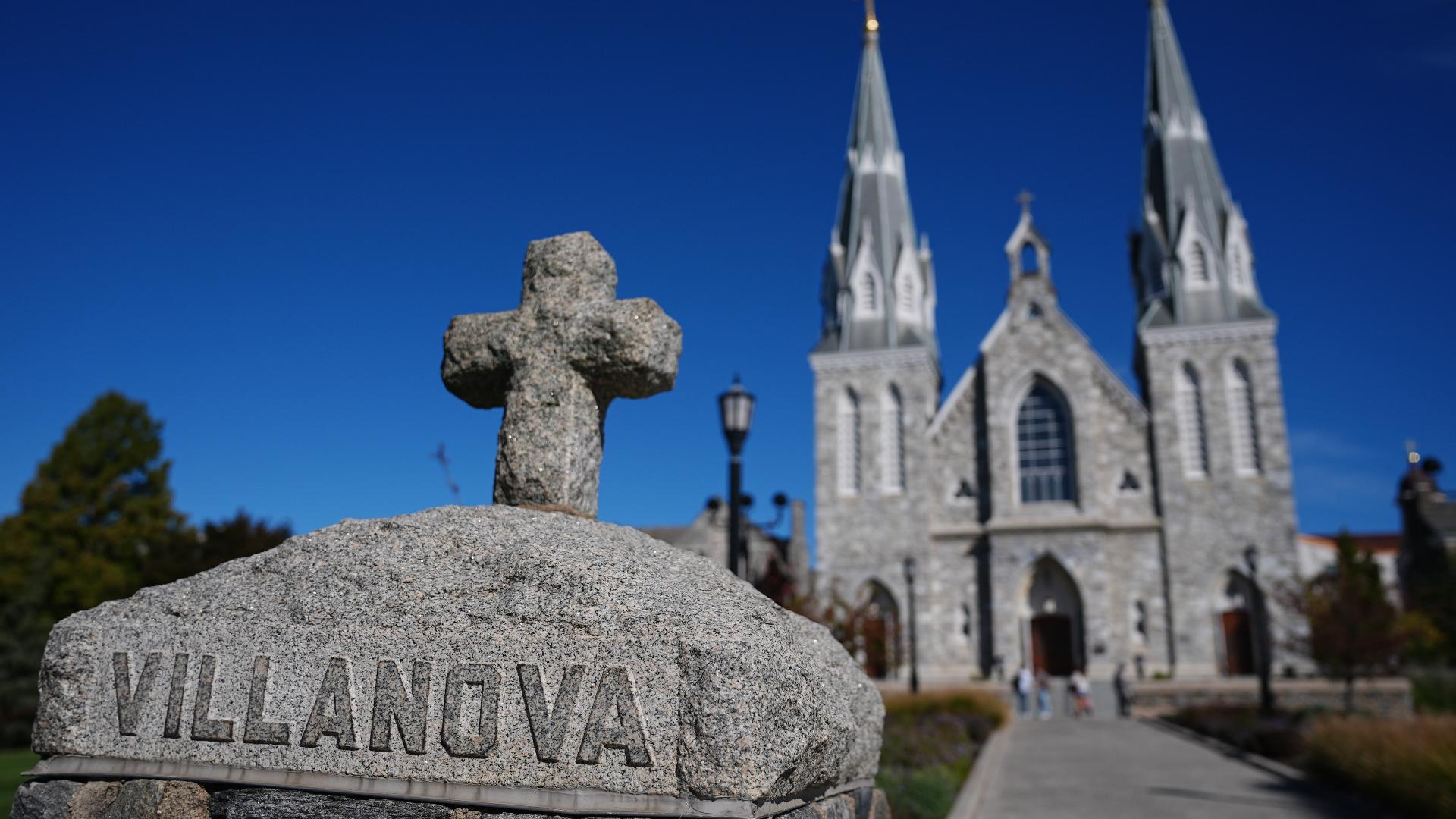
It is impossible to discuss the community without focusing on Villanova University. As of 2026, the university remains the primary landmark and the cultural heart of the area. Founded in 1842 by the Order of Saint Augustine, the university occupies a sprawling campus that dominates the center of the community along Lancaster Avenue (Route 30).
The university’s presence provides several key benefits and dynamics to the town:
- Economic Stability: As one of the region’s largest employers, the university ensures a steady demand for local services, housing, and retail.
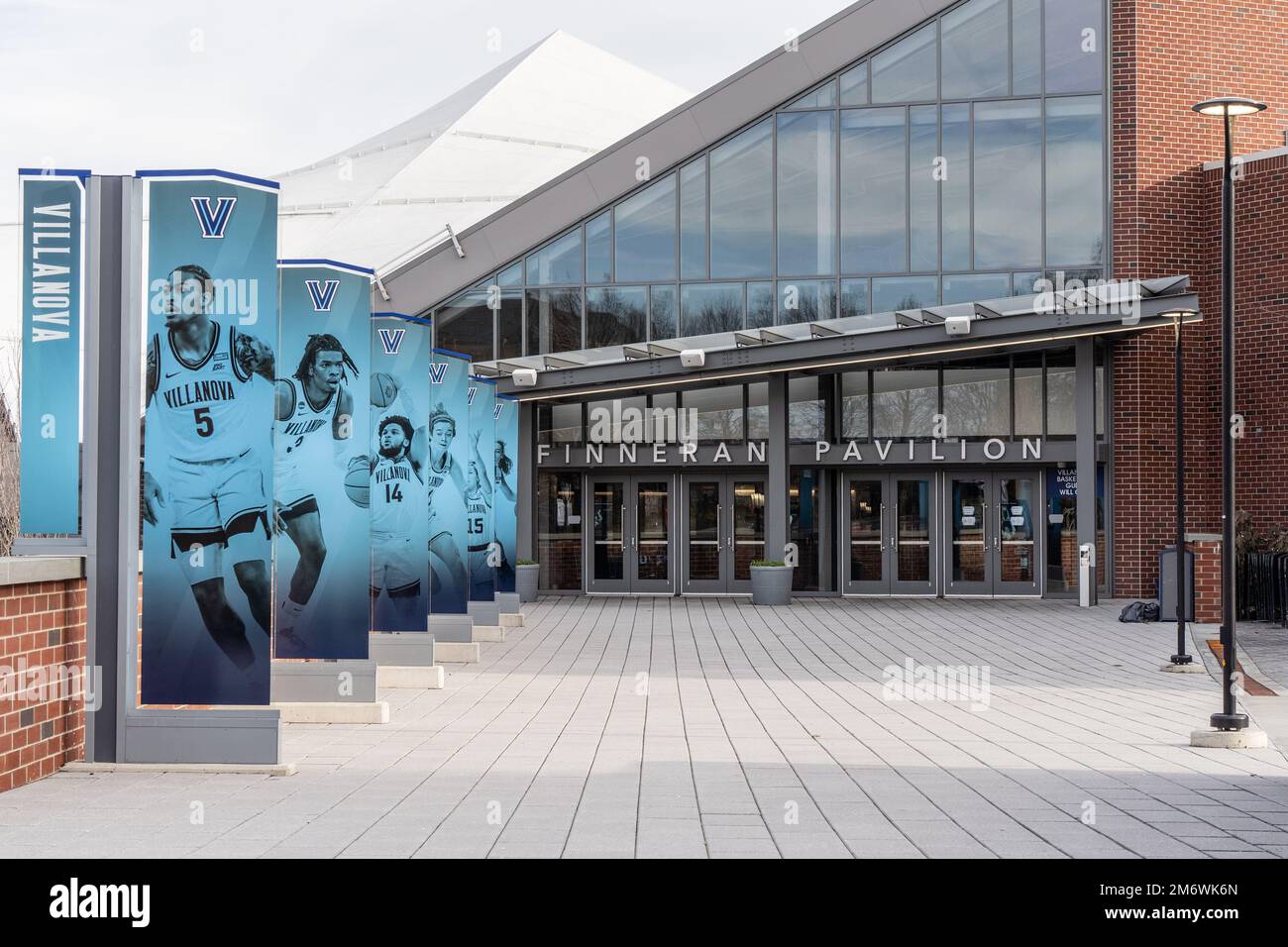
- Cultural Amenities: Residents often have access to high-level collegiate athletics (particularly the world-renowned Wildcats basketball program), performing arts at the Mullen Center, and various public lectures.
- Infrastructure Development: In recent years, the university has invested heavily in pedestrian bridges and mixed-use developments, such as the "The Commons," which have modernized the look of the community while providing new retail options.
However, the university’s presence also creates a distinct divide between the "student-centric" areas near the campus and the quiet, secluded residential estates that define the rest of the community.
Real Estate and Residential Character
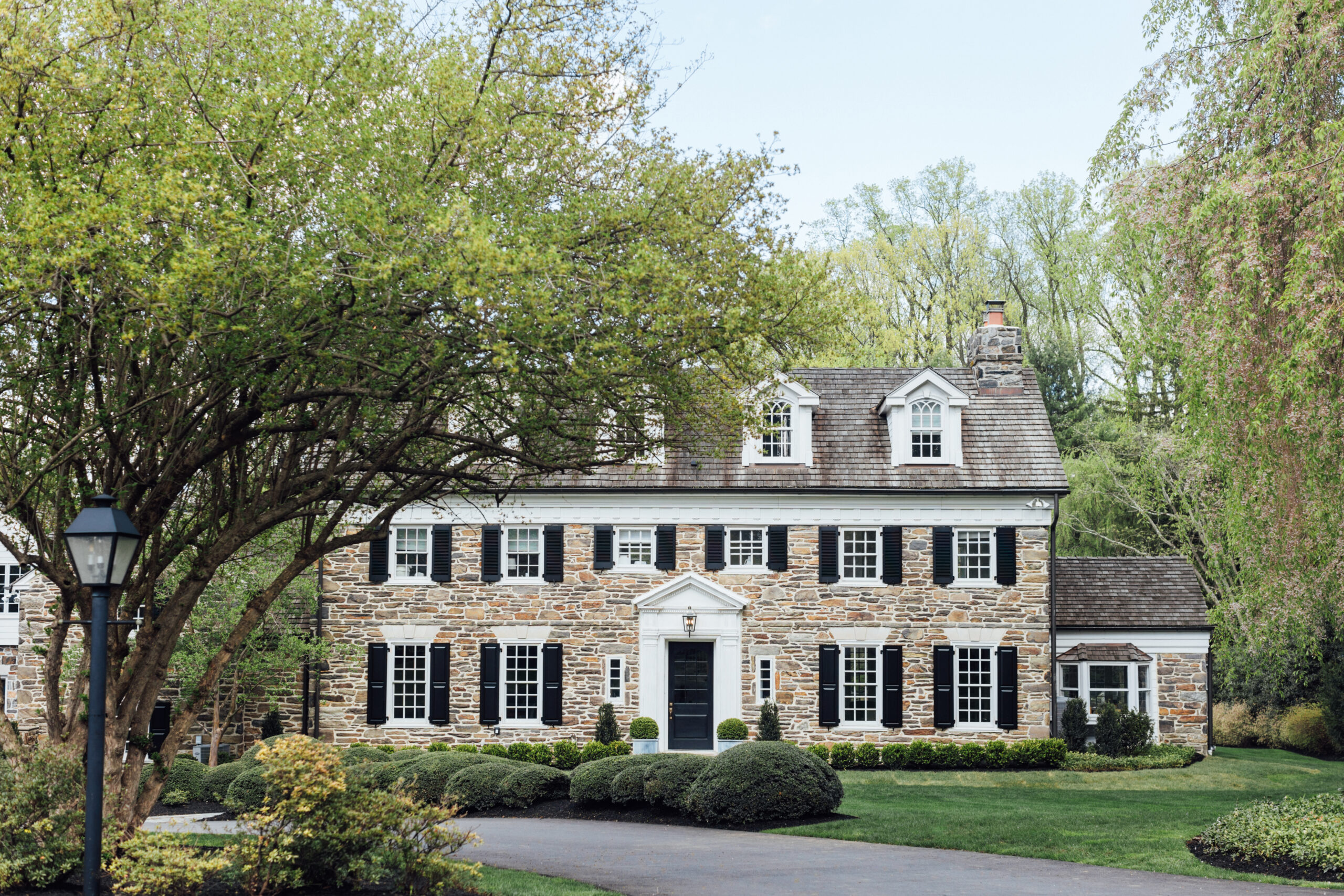
Villanova is consistently ranked as one of the most expensive zip codes in Pennsylvania. The residential landscape is characterized by large lot sizes, mature tree canopies, and a mix of historic stone mansions and modern luxury estates.
Housing Types and Prices
In 2026, the median home price in Villanova typically exceeds $1.5 million, with many estates on several acres commanding prices upwards of $5 million. The northern part of the community, particularly the areas accessed via Spring Mill Road or Mount Moro Road, features some of the most significant private residences in the Delaware Valley.
Property buyers are often drawn to Villanova because of the "Main Line Stone" aesthetic—homes built with local Wissahickon schist that offer a timeless, European-inspired appearance. While newer developments exist, they are often restricted by strict zoning laws in both Radnor and Lower Merion Townships, which prioritize the preservation of open space and the existing residential character.
Demographic Profile
The population is largely composed of high-income professionals, including executives, physicians, and legal experts who commute to Center City Philadelphia or the nearby corporate hubs in King of Prussia and Conshohocken. The community is also home to faculty and staff from the local universities and private schools.
Education: Public and Private Excellence
Education is a primary driver of property values in Villanova. Residents are served by two of the highest-rated public school districts in the United States.
- Radnor Township School District: Serving the Delaware County portion, Radnor is frequently cited for its rigorous academic standards and extensive extracurricular offerings. Radnor High School consistently ranks among the top schools in the state.
- Lower Merion School District: Serving the Montgomery County portion, Lower Merion is known for its vast resources and specialized programs. Harriton High School and Lower Merion High School are both nationally recognized for excellence.
Beyond public options, Villanova is surrounded by prestigious private institutions. These include:
- The Agnes Irwin School: An all-girls preparatory school.
- The Academy of Notre Dame de Namur: A private Catholic school for girls.
- The Haverford School: Located nearby, serving boys from pre-K through 12th grade.
Transportation and Connectivity
One of Villanova's greatest assets is its strategic location regarding transportation. Despite its quiet, suburban feel, it offers rapid access to major urban centers.
Rail Services
Villanova is served by two distinct rail lines operated by SEPTA (Southeastern Pennsylvania Transportation Authority):
- Paoli/Thorndale Line: This regional rail line stops at the Villanova station, located directly on the university campus. It provides a direct link to Philadelphia’s 30th Street Station and Suburban Station in roughly 30 to 35 minutes.
- Norristown High Speed Line (NHSL): With multiple stops in Villanova (including Villanova, Stadium, and Roberts Road), this line offers a quick connection to the 69th Street Transportation Center, allowing for transfers to the Market-Frankford Line into the city.
Roadways
Villanova sits at a critical junction of several major roads:
- Lancaster Avenue (Route 30): The historic "Main Line" artery that connects the various communities and provides the primary commercial frontage.
- Interstate 476 (The Blue Route): A major north-south highway that connects Villanova to the Pennsylvania Turnpike (I-276) to the north and I-95 to the south, facilitating travel to the Philadelphia International Airport and the city of Wilmington, Delaware.
Comparison of Local Jurisdictions
Because Villanova is split between two townships, residents should be aware of the differences in taxes and services.
| Feature | Radnor Township (Villanova West) | Lower Merion Township (Villanova East) |
|---|---|---|
| County | Delaware County | Montgomery County |
| School District | Radnor Township SD | Lower Merion SD |
| Primary Police | Radnor Township Police | Lower Merion Police |
| Median Lot Size | Generally 1–2+ acres | Varies, often smaller near town centers |
| Tax Structure | Significant Delaware County property tax | Traditionally lower property tax, high local income tax |
| Key Parks | Willows Park, Skunk Hollow | Ashbridge Memorial Park |
Lifestyle, Parks, and Recreation
Life in Villanova is centered around a "low-density" suburban model. Unlike nearby Wayne or Bryn Mawr, Villanova does not have a dense "downtown" shopping district. Residents typically travel a few miles east to Bryn Mawr or west to Wayne for boutique shopping, dining, and cinema.
Natural Spaces
For outdoor enthusiasts, the community offers exceptional green space.
- The Willows Park: Located just on the edge of Villanova in Radnor, this park features a picturesque mansion, rolling hills, and a pond, serving as a popular spot for photography and hiking.
- Appleford Estate: A 24-acre arboretum and bird sanctuary that serves as a historic site and wedding venue, showcasing the lush landscape characteristic of the area.
- Stoneleigh: A Natural Garden: A nearby public garden in Villanova that focuses on native plants and ecological conservation, managed by the Natural Lands organization.
Dining and Commerce
The commercial activity in Villanova is largely concentrated along Lancaster Avenue. While limited compared to its neighbors, it features high-end establishments such as the White Dog Cafe, which is known for its sustainable, farm-to-table dining and is a local favorite for both residents and university visitors.
Common Challenges and Considerations
While Villanova offers an exceptionally high quality of life, there are specific factors that potential residents or visitors should consider:
- Traffic Congestion: Due to the intersection of Route 30 and I-476, traffic can become heavy during peak commuting hours and during major university events (such as graduation or big-game days).
- Cost of Living: Beyond high real estate prices, local services and property maintenance costs in this area tend to be significantly higher than the regional average.
- Student Housing Pressure: In the neighborhoods immediately adjacent to the university, there can be occasional friction between long-term residents and student renters regarding noise and parking. However, Radnor Township maintains strict ordinances to manage these issues.
Frequently Asked Questions
What is the zip code for Villanova, PA?
The primary zip code for Villanova is 19085. This zip code is often used as a shorthand for the community itself, defining the boundaries for mail delivery and real estate listings across both Radnor and Lower Merion Townships.
Is Villanova a safe place to live?
Yes, Villanova is considered one of the safest communities in Pennsylvania. It benefits from the professional police forces of both Radnor and Lower Merion Townships, as well as the Villanova University Public Safety department, which maintains a significant presence in the central part of the community.
Can you walk around Villanova?
The university campus is very pedestrian-friendly, with many trails and sidewalks. However, the residential areas of Villanova often lack sidewalks and feature narrow, winding roads with high speed limits, making them less suitable for casual walking compared to the more urbanized parts of the Main Line like Ardmore or Wayne.
How far is Villanova from Philadelphia?
Villanova is approximately 12 miles from Center City Philadelphia. By car, the trip usually takes 25 to 45 minutes depending on traffic on I-76 (the Schuylkill Expressway). By SEPTA Regional Rail, the trip is a consistent 30–35 minutes.
Does Villanova have its own school district?
No. Depending on where you live in Villanova, your children will attend either the Radnor Township School District or the Lower Merion School District. There is no "Villanova School District."
Final Recommendation for Visitors and Residents
Whether you are visiting for a university event or considering a move to the area, the best way to experience Villanova is to explore its balance of academic energy and residential serenity. For prospective homeowners, it is vital to determine which township a property resides in, as this will dictate your school district and tax obligations. For visitors, utilizing the SEPTA Regional Rail is the most efficient way to access the community without dealing with the complexities of Main Line traffic and parking. Villanova remains a premier example of Pennsylvania’s historic suburban development, offering a high-status environment with deep roots in American educational and architectural history.
Image Gallery