Is There Taurine in Red Bull? Understanding the Ingredient and Its Role
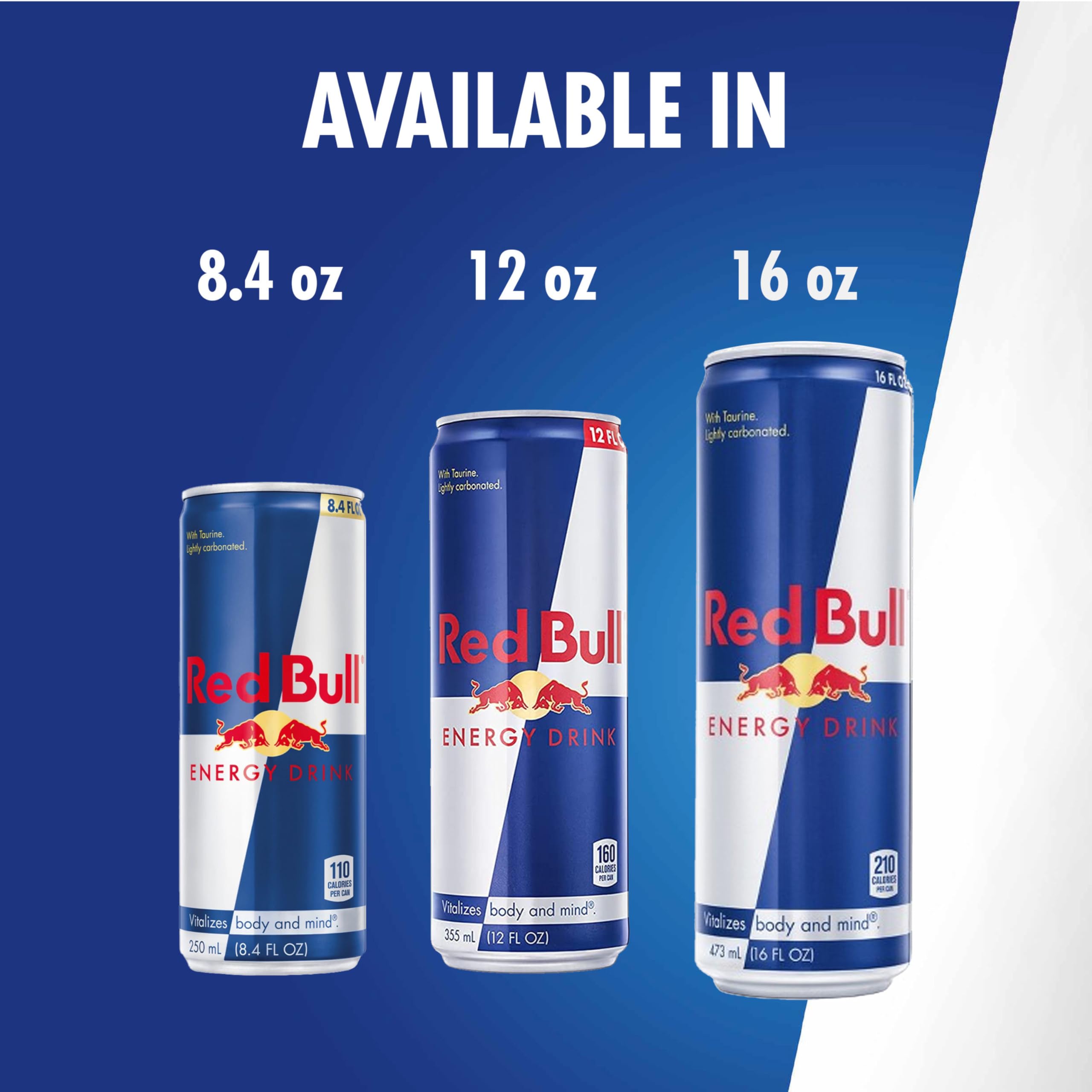
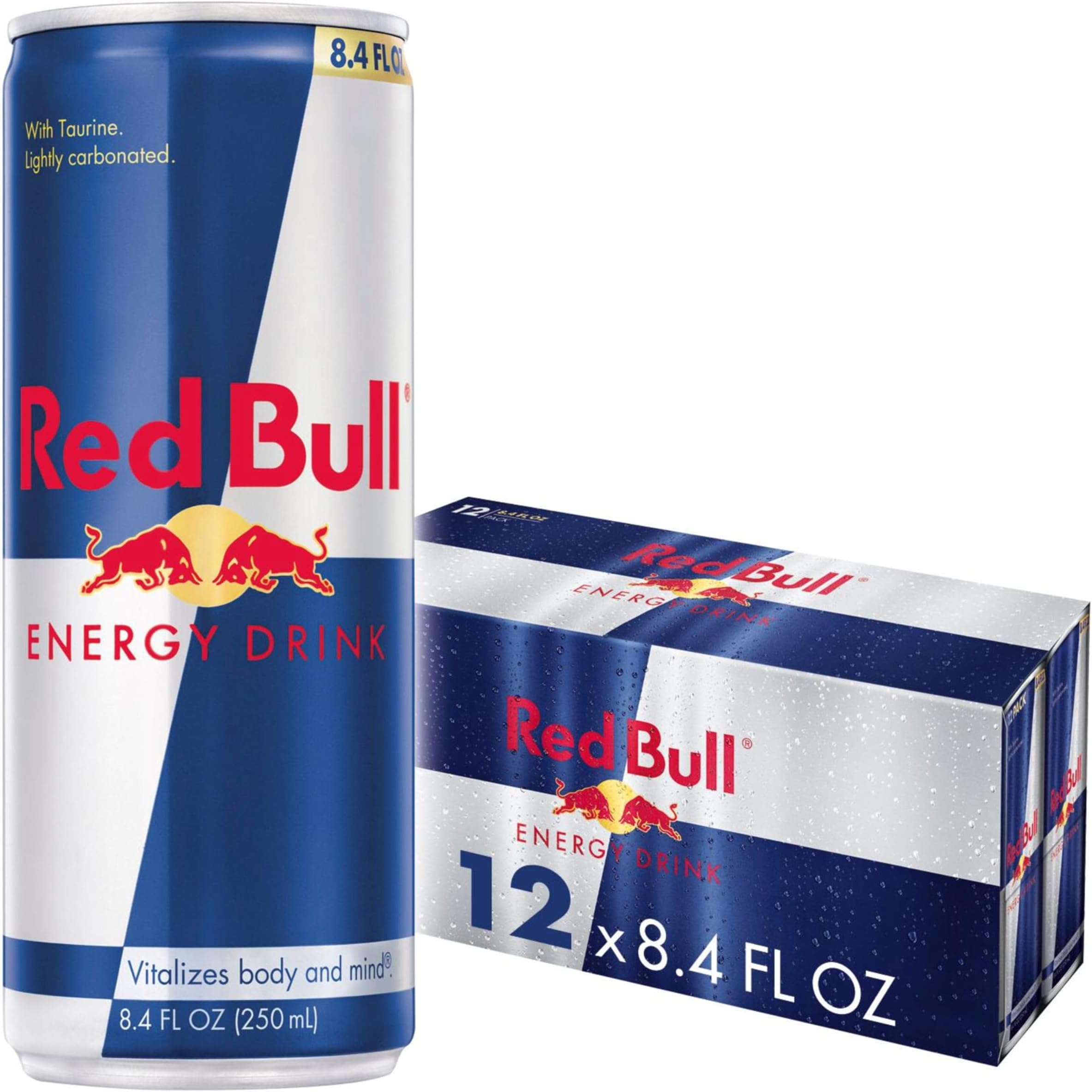
Yes, taurine is a primary ingredient in Red Bull Energy Drink. Since the inception of the product, taurine has been a defining component of its formulation. Understanding this ingredient requires distinguishing between biological myths...
Yes, taurine is a primary ingredient in Red Bull Energy Drink. Since the inception of the product, taurine has been a defining component of its formulation. Understanding this ingredient requires distinguishing between biological myths, historical production methods, and the established regulatory status of taurine as a dietary supplement and food additive in global markets.
Contents
The Origin and Nature of Taurine
Taurine, scientifically known as 2-aminoethanesulfonic acid, is a sulfur-containing amino acid that occurs naturally within the human body. Unlike amino acids used to build proteins, taurine is classified as a "conditional" amino acid, meaning the body produces it under normal physiological conditions but may require additional intake during periods of extreme stress, high metabolic demand, or illness.
In the human body, taurine is found in high concentrations in the heart, brain, skeletal muscles, and eyes. It plays a critical role in cellular function, including maintaining osmotic balance (the regulation of water and mineral levels), supporting cardiovascular health, and assisting in the digestion of fats via bile salt formation. While the body synthesizes taurine, it is also readily available through the consumption of meat, fish, and dairy products.
Clarifying the Production of Taurine in Red Bull
A common point of consumer confusion—and the source of several enduring urban legends—concerns the source of the taurine used in commercial energy drinks. Historically, the word "taurine" is derived from the Latin taurus, meaning "bull," because the compound was first isolated from ox bile in the 1820s.
Despite the persistent myth that taurine in energy drinks is derived from bull testicles, all taurine used in Red Bull and similar commercial beverages is produced synthetically. The synthetic production method is not only more efficient and scalable but also ensures a high level of purity. The process involves chemical synthesis rather than biological extraction from animals. This renders the ingredient suitable for vegetarians and aligns with the manufacturing standards required for large-scale global distribution. By utilizing synthetic taurine, the manufacturer ensures a standardized, high-quality ingredient that is consistent in every can produced, regardless of the facility location.
Why Is It Added to Energy Drinks?
The inclusion of taurine in Red Bull is based on its functional role as a metabolic regulator. Manufacturers add it alongside other ingredients like caffeine, B-vitamins, and sugars to create a specific physiological profile.
From a marketing and formulation perspective, taurine is viewed as a vital component of the "energy" blend. While caffeine acts as a central nervous system stimulant to reduce the perception of fatigue, taurine is often included to support the body’s metabolic processes during the heightened physical or mental exertion for which energy drinks are typically consumed. It is important to note that the presence of taurine in a beverage does not inherently mean that the drink will increase athletic performance; rather, it is included to support the body's natural processes under the assumption that intense activity depletes taurine stores.
Comparison of Key Ingredients in Red Bull
To understand where taurine fits into the overall composition of a standard 250ml can of Red Bull, it is helpful to view the nutritional and additive profile in context.
| Ingredient | Role/Purpose | Typical Concentration (per 250ml) |
|---|---|---|
| Taurine | Amino acid/Metabolic support | 1,000 mg |
| Caffeine | Stimulant/Cognitive focus | 80 mg |
| B-Group Vitamins | Energy metabolism regulation | Varies (Niacin, B6, B12) |
| Sucrose/Glucose | Carbohydrate fuel source | 27 g |
| Carbonated Water | Solvent/Delivery mechanism | N/A |
Note: The values above represent the standard formulation as of 2026. Ingredients may vary by local regulation or specific product lines, such as "Sugar-Free" or "Zero" versions.
Regulatory Status and Safety Considerations
Taurine is recognized as safe by numerous food safety authorities, including the European Food Safety Authority (EFSA) and the U.S. Food and Drug Administration (FDA). In the European Union, taurine is permitted as a food additive, and its use in energy drinks is governed by established limits to ensure consumer safety.
The primary safety concerns regarding energy drinks generally center on the combined effects of caffeine and sugar rather than taurine itself. Studies have historically investigated whether the combination of taurine with caffeine results in adverse cardiovascular events. However, most reviews by institutional health bodies have concluded that at standard consumption levels—such as one or two cans—the taurine content does not pose an independent risk to healthy individuals.
Professional Advice Limitation: This information is for educational purposes and does not constitute medical advice. Individuals with pre-existing heart conditions, high blood pressure, or those sensitive to caffeine should consult with a healthcare professional before consuming energy drinks. Always monitor total daily intake of caffeine and added sugars from all sources.
Addressing Common Myths and Questions
Does taurine provide an instant "rush"?
No. Taurine is not a stimulant. The "rush" or increased alertness often associated with energy drinks is primarily attributed to the caffeine content. Taurine is intended to support cellular function and metabolic processes, not to mimic the effects of a stimulant.
Is the taurine in Red Bull vegan?
Yes. Because the taurine in Red Bull is produced through synthetic chemical processes, it does not involve any animal-derived components. This makes the product acceptable for individuals who adhere to a vegan or vegetarian lifestyle, provided the other ingredients in the specific variety chosen meet their dietary criteria.
Can you get too much taurine?
While taurine is an amino acid that the body can process, consuming excessive amounts through supplements or excessive energy drink intake is not recommended. The body maintains a homeostasis for amino acids, and the kidneys filter out excess taurine. There is no documented benefit to consuming massive quantities of supplemental taurine, and users should always adhere to the recommended serving sizes indicated on the product packaging.
Why do some people say it is "bull extract"?
This stems from the historical discovery of taurine in ox bile and the linguistic association with the word "bull." This is a scientific misnomer. Modern chemistry allows for the mass production of the exact molecule found in animals without the need for animal slaughter or extraction, which has been the standard practice for decades.
How to Verify Ingredients for Yourself
If you are concerned about the specific formulation of a product you are purchasing in 2026, the most reliable method for verification is to inspect the label on the can itself. Manufacturers are legally required to list ingredients in descending order by weight.
- Check the Ingredient List: Look for "Taurine" near the top of the list.
- Review Nutritional Panels: This will provide the exact milligram count per serving.
- Consult Regional Websites: Official websites for the product in your specific country will often host a "Product Transparency" section that details the sourcing and manufacturing of ingredients like taurine.
Practical Recommendation
For most consumers, the taurine in Red Bull is a routine ingredient designed to support metabolic function during periods of fatigue. It is not an exotic additive, nor is it derived from animal sources. If you consume the product occasionally for alertness, the taurine content is within the safety profiles established by international food regulators. However, if you are monitoring your intake of additives or stimulants, prioritize checking the total caffeine and sugar content on the nutritional label, as these have a more direct impact on your immediate physiological response than the taurine content. When in doubt, stick to moderate consumption and rely on hydration and balanced nutrition for sustained energy.
Image Gallery