How Did Young Dolph Get His Name? The Story Behind the Moniker
Young Dolph derived his stage name directly from his legal birth name, Adolph Robert Thornton Jr. The name "Dolph" is a shortened version of Adolph, a name he shared with his father. He added the prefix "Young" to signify his entry int...
Young Dolph derived his stage name directly from his legal birth name, Adolph Robert Thornton Jr. The name "Dolph" is a shortened version of Adolph, a name he shared with his father. He added the prefix "Young" to signify his entry into the rap game and his youthful ambition while maintaining his authentic identity.
Contents
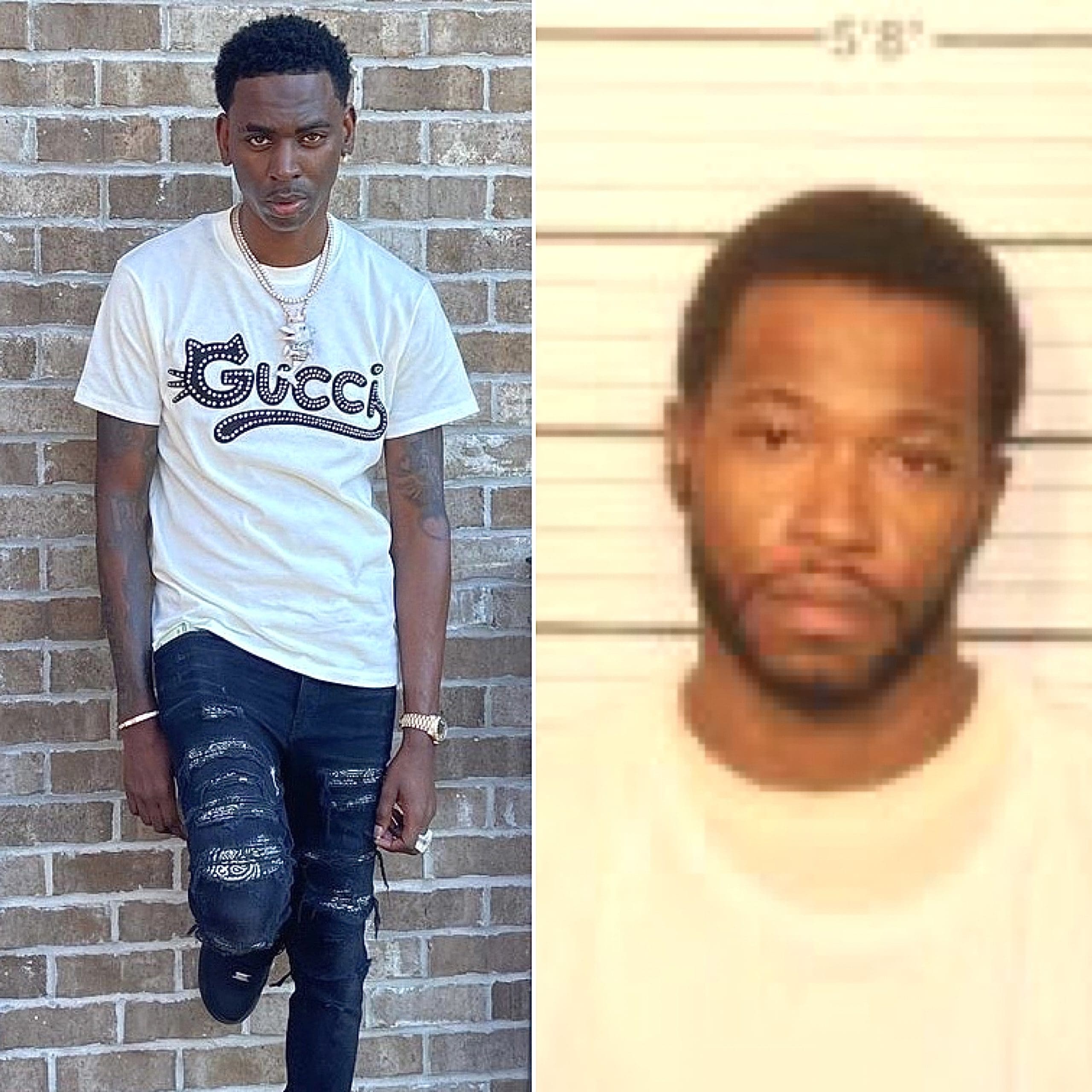
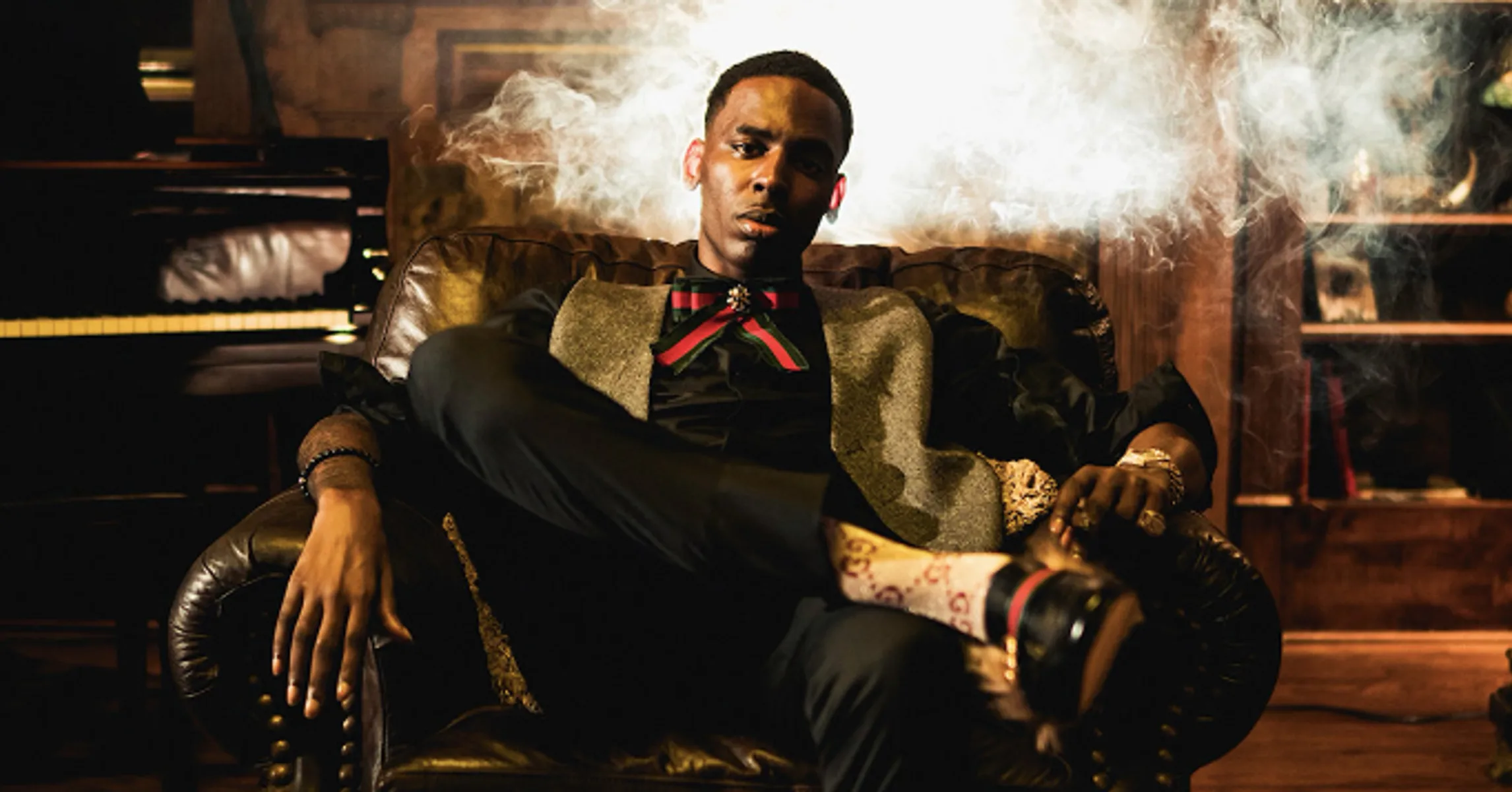
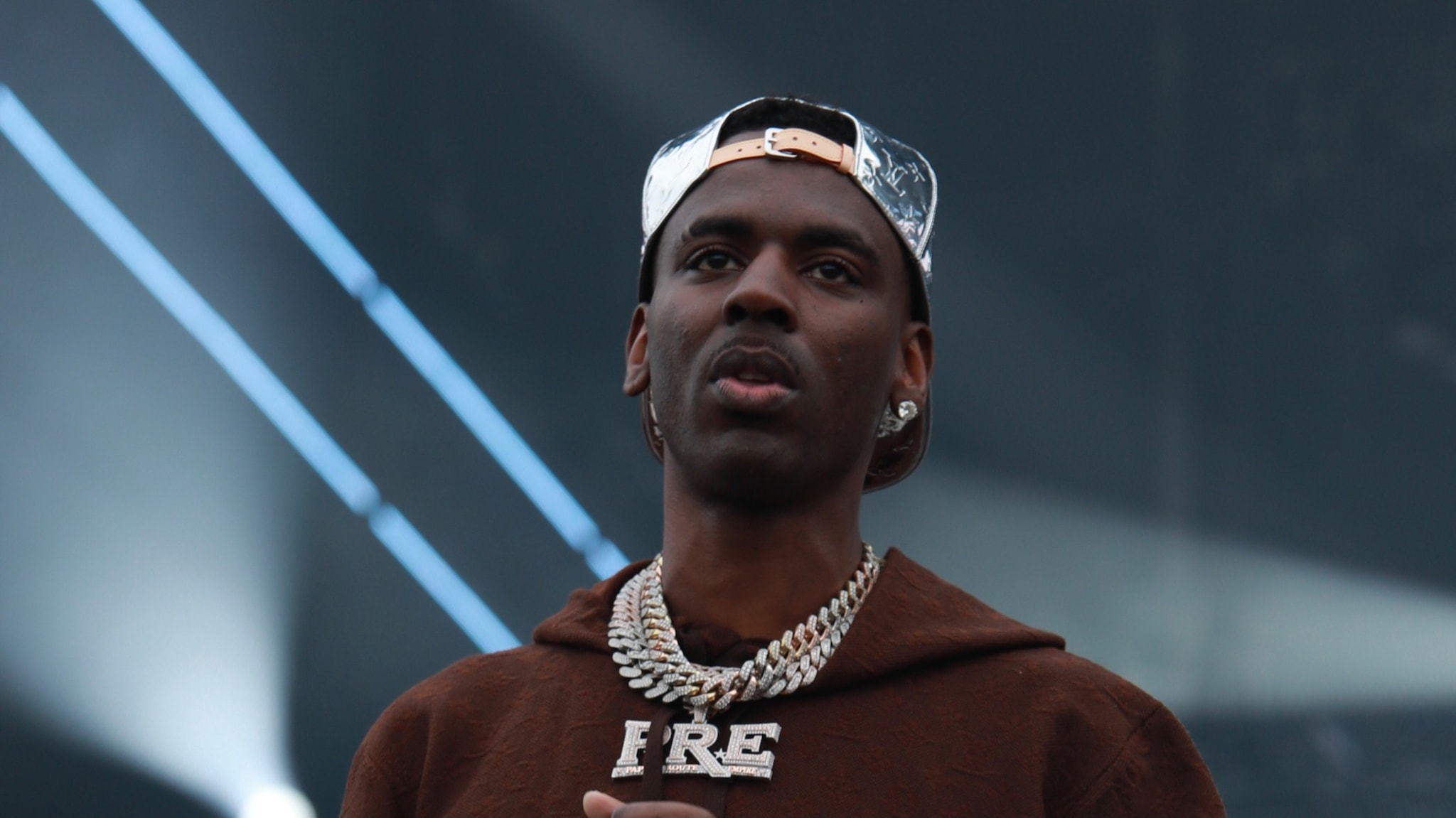
The late Adolph Robert Thornton Jr., known to the world as Young Dolph, was more than just a rapper; he was a symbol of independence, a business mogul, and a pillar of the Memphis community. While many artists adopt personas that are entirely detached from their upbringing, Dolph chose a name that remained tethered to his family roots. By the time of his tragic passing in 2021, and continuing into our current perspective in 2026, the name "Young Dolph" stands as a testament to staying true to one’s origins while building an empire from the ground up.
The Linguistic Origin: From Adolph to Dolph
The primary source of Young Dolph’s name is his first name, Adolph. In the context of African American naming traditions and Southern nicknames, it is common to shorten multi-syllabic names to create a more rhythmic or personal moniker. For Thornton, "Dolph" was a natural evolution of Adolph.
Growing up in Memphis, Tennessee, specifically in the Castalia Heights neighborhood, nicknames were a standard part of social identity. Friends and family often referred to him by variations of his birth name. When he decided to pursue music seriously in the late 2000s, he didn’t see a need to invent a fictional character. He wanted his music to reflect his actual life, and using a derivative of his real name reinforced that sense of transparency.
The name Adolph itself has Germanic origins, meaning "noble wolf." While Dolph rarely made explicit references to the etymology of "noble wolf" in his lyrics, the imagery of the wolf—an animal known for both its pack loyalty and its "lone wolf" independence—mirrored his career path perfectly. He famously turned down multi-million dollar major label deals to remain independent under his own Paper Route Empire (PRE) label.
The Significance of the "Young" Prefix
The "Young" prefix is a staple in hip-hop culture, particularly during the mid-to-late 2000s when Dolph was beginning his ascent. During this era, artists like Young Jeezy, Young Dro, and Young Money were dominant forces in the industry. For Dolph, the addition of "Young" served two practical purposes:
- Generational Distinction: As Adolph Thornton Jr., he was named after his father. In many households, the "Young" or "Junior" designation is used to distinguish the son from the father. By calling himself Young Dolph, he paid homage to his lineage while establishing his own space in the world.
- Marketability: In the burgeoning Memphis underground scene of 2008, "Young Dolph" had a ring to it that sounded professional and consistent with the trends of the time. It signaled that he was a new, energetic voice entering a competitive landscape.
As his career progressed, the "Young" became less about his age and more about a mindset of constant growth and hustle. Even as he transitioned into a veteran role in the industry, mentoring artists like Key Glock, the name remained a brand that fans associated with high-energy street anthems and luxury lifestyle rap.
The Paper Route Persona and Alternative Aliases
While "Young Dolph" was his primary professional name, he frequently used other aliases that added layers to his public persona. These names often reflected his business acumen or his lifestyle. Understanding these helps provide a full picture of how he viewed himself.
Flipper
One of his most famous secondary nicknames was "Flipper." This was a direct reference to his early life in the streets, specifically related to "flipping" products or investments to make a profit. It highlighted his transition from a street-level hustler to a legitimate businessman who flipped his earnings into a successful music label and real estate portfolio.
The King of Memphis
Dolph also famously referred to himself as the "King of Memphis." This wasn't just a nickname; it was a territorial claim that sparked significant discourse within the Memphis rap scene. By adopting this title, he wasn't just identifying himself; he was positioning his brand as the ultimate authority in his hometown. This title became synonymous with his name, appearing in song titles and marketing materials for years.
Dolph Gabbana
A play on the luxury brand Dolce & Gabbana, this alias showcased his affinity for high fashion and the "get money" aesthetic that defined much of his discography. It demonstrated his ability to blend the grit of South Memphis with the glamour of international luxury.
Comparison of Memphis Rap Monikers
To understand the context of Young Dolph’s name, it is helpful to look at how other prominent Memphis artists structured their identities. Memphis has a long history of unique naming conventions that often blend street titles with personal names.
| Artist Name | Birth Name | Origin of Stage Name |
|---|---|---|
| Young Dolph | Adolph Thornton Jr. | Shortened version of birth name + "Young" prefix. |
| Yo Gotti | Mario Mims | Derived from "Gotti" (mob reference) and "Yo" (slang/greeting). |
| Key Glock | Markeyvius Cathey | A combination of a nickname (Key) and his affinity for firearms (Glock). |
| Moneybagg Yo | Demario White | Based on his reputation for carrying large amounts of cash. |
| Project Pat | Patrick Houston | A reference to the housing projects where he grew up. |
| Pooh Shiesty | Lontrell Williams | "Pooh" was a childhood nickname; "Shiesty" refers to his street demeanor. |
As seen in the table, Dolph’s choice to stick closer to his legal name (Adolph) set him apart as an artist who prioritized personal authenticity over a purely fictionalized street character.
The Role of Family in His Identity
You cannot separate the name Young Dolph from the man’s devotion to his family. In several interviews, Dolph spoke about the importance of being a father and a provider. Because "Dolph" was his father’s name, every time he shouted it on a track or saw it on a billboard, he was representing his family legacy.
His parents had struggled with addiction during his childhood, and he was largely raised by his grandmother. This upbringing instilled in him a sense of responsibility to "clean up" the family name and bring it to new heights of success. By 2026, music historians look back at his career as a successful attempt to turn a family name into a global enterprise.
Building the "Paper Route" Brand
The name Young Dolph eventually became inseparable from his label, Paper Route Empire (PRE). The "Paper Route" concept was a metaphor for the daily grind of making money, stemming from the traditional image of a paperboy delivering news and collecting pay.
Dolph’s name became the anchor for an entire movement. When fans heard "Dolph," they didn't just think of a rapper; they thought of the "independent blue print." He used his name to validate his artists, frequently collaborating with them to ensure the "Dolph" brand rubbed off on the entire PRE roster. This strategic use of his identity allowed him to build a legacy that outlasted his physical presence.
The Lasting Influence of the Dolph Identity
Even years after his passing, the name Young Dolph remains a high-value brand in the music industry. In 2026, his estate continues to manage his extensive catalog and the Paper Route Empire label remains a force in Southern rap. The name has become a shorthand for "independent success" and "unwavering authenticity."
The simplicity of how he got his name—just being himself and shortening his birth name—is a major reason why he resonated so deeply with his audience. There was no facade to maintain. What you saw was Adolph Thornton Jr., a man who took his father’s name and his grandmother’s lessons and turned them into a legendary career.
Frequently Asked Questions
Is Young Dolph his real name?
Yes, in part. His legal name was Adolph Robert Thornton Jr. "Dolph" is the standard shortened version of Adolph. He added "Young" as a prefix for his professional music career to signify his role as the next generation of his family and a fresh voice in hip-hop.
Why did he call himself "Flipper"?
"Flipper" was a nickname Dolph used to describe his background in the streets and his skill at "flipping" money—taking a small amount of capital and turning it into a much larger profit through various ventures, both in the streets and later in the music business and real estate.
Was the name Dolph related to the animal?
While fans often used dolphin emojis in social media comments to represent him, the name "Dolph" was strictly derived from his birth name, Adolph. It was not originally intended to be a reference to the sea creature, although he eventually embraced the imagery as part of his fan culture.
What does the "Young" in his name represent?
Historically, "Young" was used to distinguish him from his father, Adolph Thornton Sr. Professionally, it followed the hip-hop trend of the 2000s where new artists used the prefix to denote their status as rising stars in the industry.
Did he ever change his stage name?
No, he remained Young Dolph throughout his entire career. While he used several aliases like "Gelato," "Dolph Gabbana," and "The King of Memphis," his official stage name and the name of his brand always centered on Young Dolph.
How is his name remembered in 2026?
In 2026, Young Dolph is remembered as the "Independent King." His name is synonymous with the Paper Route Empire (PRE) label and serves as a blueprint for artists who wish to maintain creative and financial control over their careers without the help of major record labels.
Practical Legacy and Next Steps
For those looking to understand the full scope of Young Dolph’s impact, the best next step is to explore his discography, starting with his High Class Street Music mixtape series. These early works highlight the formation of his "Dolph" persona and his transition from a Memphis local to a national star. Additionally, studying the business model of Paper Route Empire provides a practical look at how he used his name to build a sustainable, multi-million dollar independent business.
Image Gallery