Guide to Updating Your Texas Life Insurance Company Change of Beneficiary Form
Updating a beneficiary designation is a critical administrative task that ensures your life insurance proceeds are distributed according to your current wishes. If you hold a policy with Texas Life Insurance Company, you must use their...
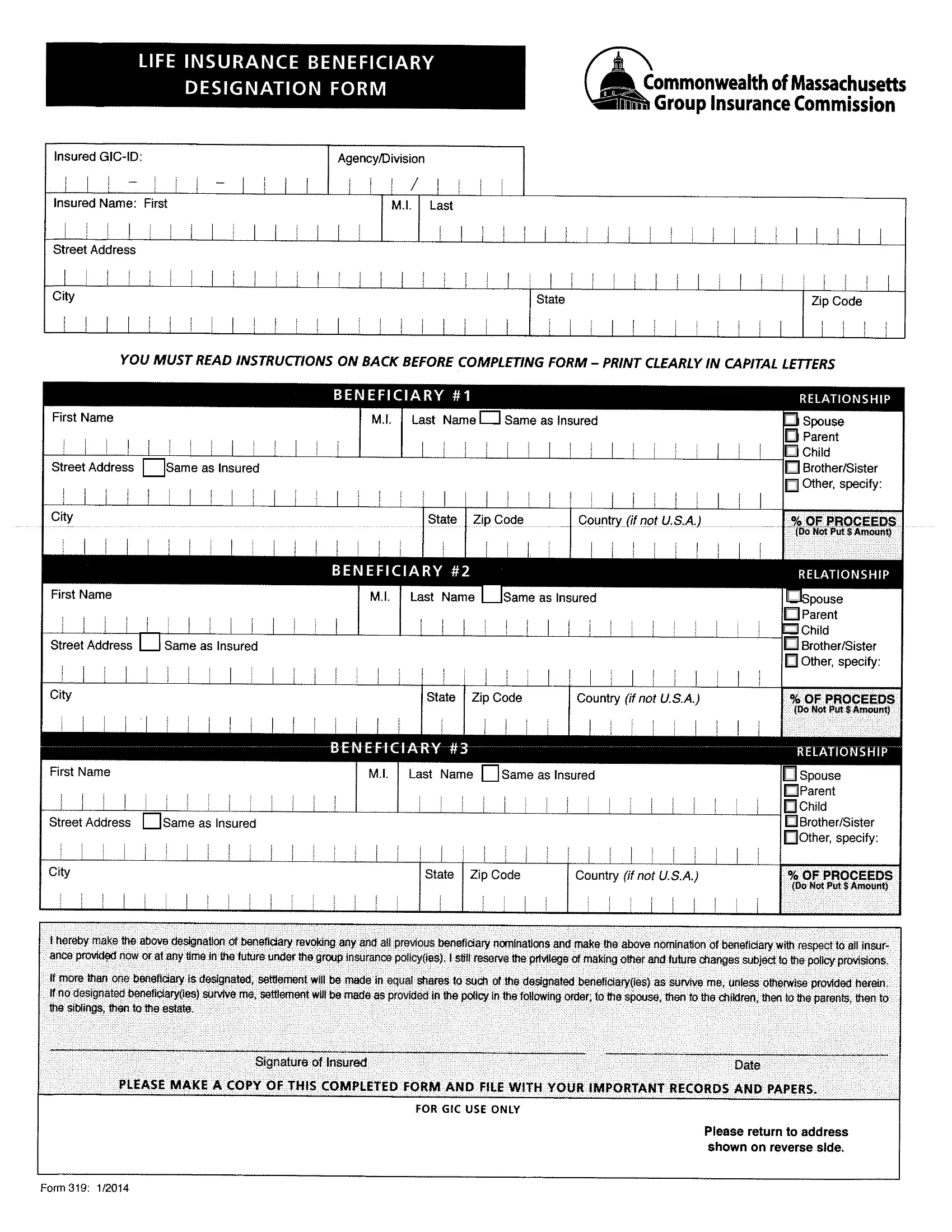
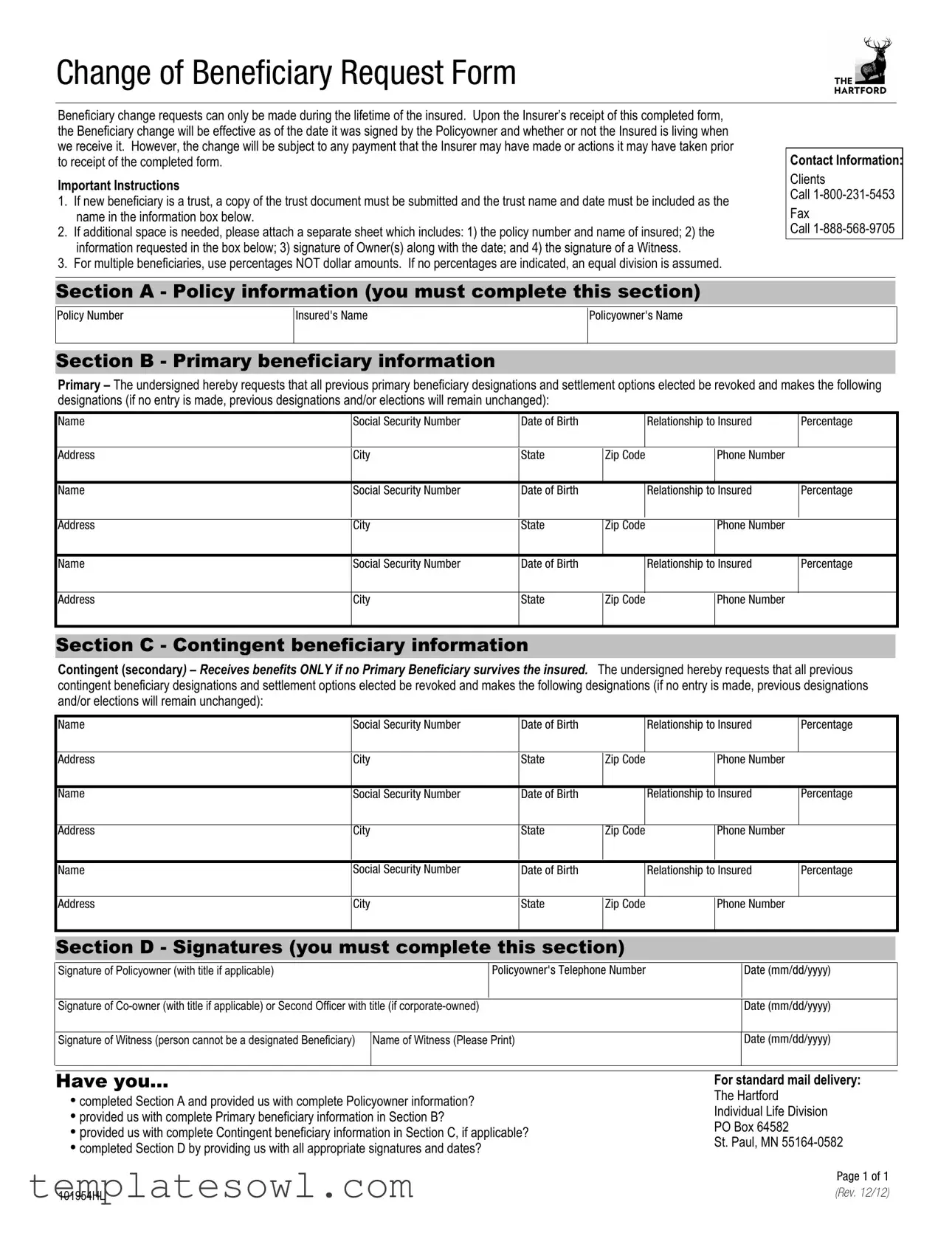
Updating a beneficiary designation is a critical administrative task that ensures your life insurance proceeds are distributed according to your current wishes. If you hold a policy with Texas Life Insurance Company, you must use their specific documentation to formalize any changes. This process involves completing the official "Change of Beneficiary" form, ensuring the information is accurate, and submitting it to the company for processing to ensure the policy remains aligned with your estate planning goals.
Contents
Understanding the Importance of Beneficiary Designations
A beneficiary is the person, entity, or trust designated to receive the death benefit of a life insurance policy. Many policyholders mistakenly believe that their Last Will and Testament dictates who receives their life insurance payout. In reality, life insurance is a contract that typically bypasses the probate process, meaning the insurance company distributes funds directly to the named beneficiary on file.
Because beneficiary designations take precedence over instructions left in a will, keeping this information current is essential. Major life events—such as marriage, divorce, the birth of a child, the death of a previous beneficiary, or a shift in financial planning—require a review of your policy documents. Failure to update your beneficiary form can result in legal complications, funds being paid to an unintended party, or the death benefit being paid to your estate, which subjects the assets to probate and potential creditor claims.
Prerequisites for Changing Your Beneficiary
Before you request or complete the Texas Life Insurance Company change of beneficiary form, you must confirm your policy status and gather the necessary information. Not every individual has the legal authority to change a beneficiary; this right is generally reserved for the "policy owner."
Verify Ownership
In many cases, the policy owner is the insured individual. However, if the policy was purchased as a gift, held within an irrevocable trust, or assigned to another party, the current owner must sign the change of beneficiary form. If you are not sure who owns the policy, review your initial application or the policy contract provided upon issuance.
Gather Beneficiary Details
To complete the form accurately, you will need precise information regarding your new beneficiaries. Have the following details ready:
- Legal Name: Provide the full legal name of the individual or the formal name of a trust/charity.
- Social Security Number or Tax ID: For individuals, the SSN is required for tax identification purposes. For trusts, the Tax Identification Number (TIN) is required.
- Date of Birth: Essential for identifying individual beneficiaries.
- Relationship to Insured: Clearly state the relationship (e.g., spouse, child, sibling, trust).
- Percentage of Allocation: You must clearly define the distribution percentage for each beneficiary. The total must equal exactly 100%.
Obtaining and Completing the Change of Beneficiary Form
Texas Life Insurance Company maintains strict requirements for document submission to protect both the policyholder and the insurer from potential fraud or disputes.
Accessing the Official Documentation
You should never rely on generic beneficiary forms found on third-party legal websites. These documents may not meet the specific filing requirements or data field mandates of Texas Life Insurance Company. You can obtain the official form by:
- Logging into the Policyholder Portal: If you have an active online account, the document library often contains current versions of administrative forms.
- Contacting Customer Service: Reach out to the Texas Life customer service department directly via their official phone number or through their contact page. Request the "Change of Beneficiary" form specific to your product type.
- Contacting Your Agent: If you purchased your policy through a licensed insurance agent or broker, they can often provide the correct paperwork and assist in ensuring it is filled out without errors.
Best Practices for Filling Out the Form
When completing the form, clarity is the priority to avoid administrative delays.
- Use Black or Blue Ink: If filling out a physical copy, ensure the ink is dark and legible. Avoid pencil or neon colors that may not scan clearly.
- Initial All Changes: If you make a mistake on a hard-copy form, do not use correction fluid (like Wite-Out). Instead, cross out the error, write the correct information next to it, and initial the change. If the form becomes too cluttered, request a new one.
- Primary vs. Contingent: Understand the difference. A "Primary" beneficiary receives the payout first. A "Contingent" (or secondary) beneficiary only receives the payout if all primary beneficiaries are deceased at the time of the claim.
Comparison of Beneficiary Designation Types
When filling out your form, you may need to choose how you designate your beneficiaries. Understanding the impact of these choices is vital for your estate planning.
| Designation Type | Definition | Best Use Case |
|---|---|---|
| Revocable | The owner can change the beneficiary at any time without the beneficiary's consent. | Standard personal policies; most common choice. |
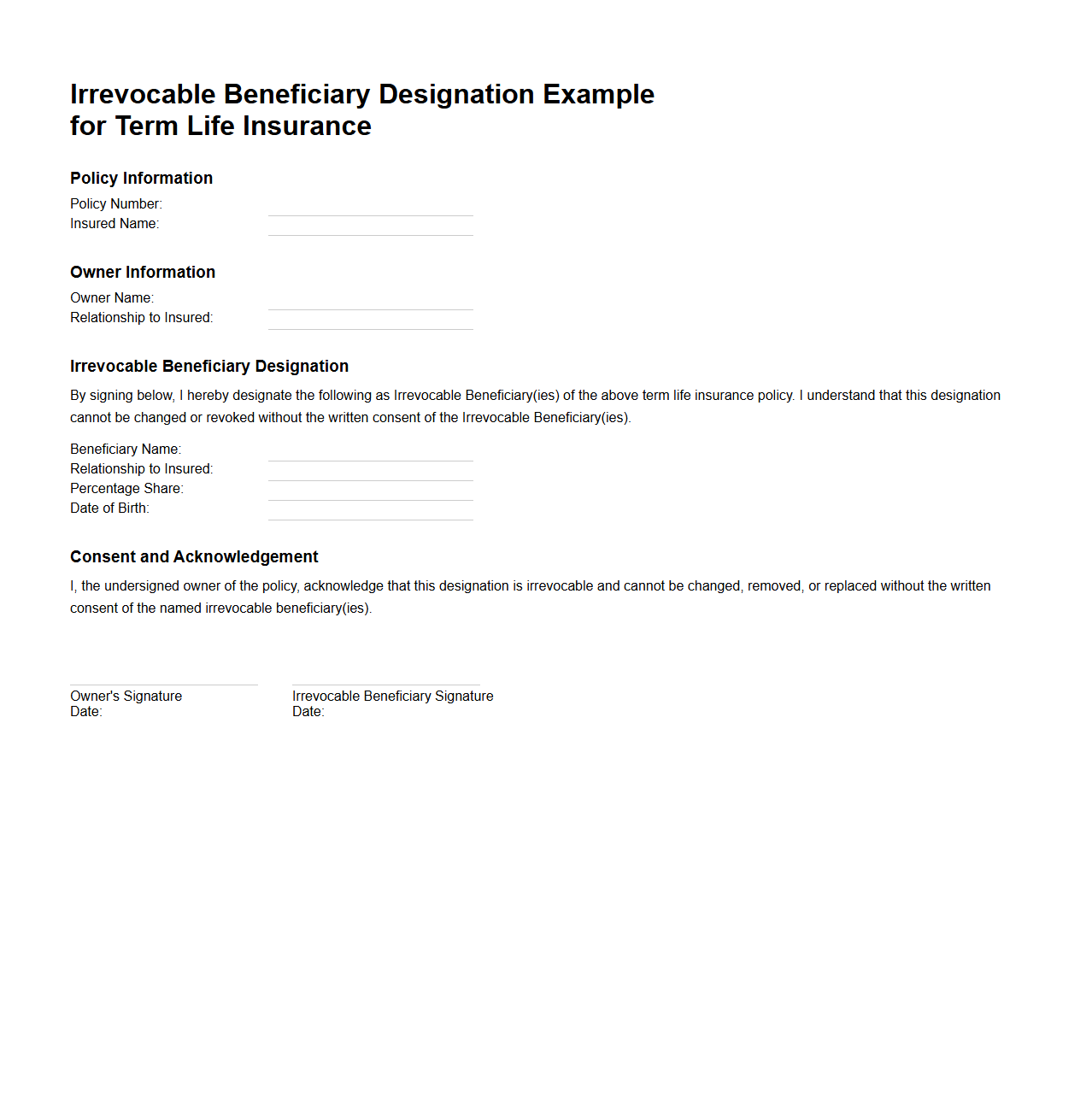
| Irrevocable | The owner cannot change the beneficiary without their explicit, written consent. | Divorce settlements; court-ordered support requirements. |
| Per Stirpes | If a beneficiary dies before you, their share goes to their descendants. | Ensuring grandchildren receive a deceased child's share. |
| Per Capita | Shares are divided only among the living named beneficiaries. | Simple distribution among siblings or living children. |
Submission and Verification
Once the form is completed and signed, you must submit it to Texas Life Insurance Company. Do not send the form to an old agent or a general address. Use the specific mailing address, fax number, or secure document upload portal provided by the company on the form instructions.
The Processing Period
After receipt, the company will review the documentation. They will verify that the signatures match their records and that the beneficiary designations are clear and logically sound. Once processed, you should receive a formal acknowledgment or an updated policy summary.
If you do not receive a confirmation within 15 to 30 days, follow up with the company. Never assume a change has been made until you receive written verification from the insurer.
Common Mistakes to Avoid
- Vague Designations: Avoid using terms like "my children" or "my family." If you have multiple children, list them by name. If you use generic terms, the insurance company may struggle to identify the intended recipients, leading to delays or the need for a court interpleader.
- Missing Contingent Beneficiaries: If your primary beneficiary passes away before you and you have not named a contingent beneficiary, the death benefit may revert to your estate, defeating the purpose of having a life insurance policy.
- Failure to Notify Parties: While you are not always legally required to tell a beneficiary, it is good practice to ensure they know who to contact in the event of your passing. Providing your family members with the name of the insurance company and your policy number can drastically reduce the stress of the claims process.
- Ignoring Trust Updates: If your beneficiary is a trust, ensure the trust document is active and that the trustee is aware of their responsibilities.
Frequently Asked Questions
Can I name a minor child as a beneficiary?
Yes, but insurance companies generally cannot pay death benefits directly to a minor. If the beneficiary is under 18, the court may appoint a guardian to manage the funds, which can be expensive and time-consuming. Many individuals prefer to name a trust for the benefit of the minor or an adult custodian under the Uniform Transfers to Minors Act (UTMA).
Do I need a notary to sign the form?
Texas Life Insurance Company may require a signature to be witnessed or notarized, depending on the specific product and state laws. Check the instructions on your specific form carefully. Even if not required, having a signature notarized can help prevent future challenges to the validity of the document.
Can I name my estate as the beneficiary?
You can, but it is rarely recommended. Proceeds paid to an estate become part of your probate assets, meaning they are subject to the will’s distribution rules, attorney fees, court costs, and potential claims from your creditors.
How often should I review my beneficiary designations?
It is recommended that you review your designations every three to five years, or immediately following any "trigger" event such as marriage, divorce, the birth of a child, or the death of a loved one.
Is there a fee to change my beneficiary?
Generally, there is no fee to change a beneficiary on a life insurance policy. If you receive a request for payment, ensure you are dealing with a legitimate representative of the insurance company, as this is a common hallmark of identity theft or scam attempts.
Next Actions for Policyholders
To ensure your policy is properly aligned with your current intentions, start by locating your most recent policy statement. Once you have the policy number, log into your account or call Texas Life Insurance Company to confirm the currently listed beneficiary. If the information is outdated, download the official Change of Beneficiary form, complete it with the help of your legal or financial advisor if necessary, and submit it through the company's verified secure channels. Follow up until you receive written confirmation that the change has been recorded in the company’s official files.
Image Gallery