Why Frozen Juice Concentrates Are Disappearing: The 2026 Market Shift Explained
The widespread discontinuation of frozen juice concentrates is driven by a combination of shifting consumer preferences toward "Not-From-Concentrate" (NFC) chilled options, the high energy costs of maintaining the frozen cold chain, an...
The widespread discontinuation of frozen juice concentrates is driven by a combination of shifting consumer preferences toward "Not-From-Concentrate" (NFC) chilled options, the high energy costs of maintaining the frozen cold chain, and major brand exits, such as Welch’s. As of 2026, retail shelf space for frozen tubes has reached an all-time low.
Contents
The Evolution of the Juice Aisle
For decades, the colorful cardboard cylinders found in the freezer section were a staple of the American breakfast. Introduced in the post-World War II era, frozen juice concentrate revolutionized how fruit juice was distributed, allowing for a longer shelf life and lower shipping costs by removing water at the source. However, the landscape of 2026 reveals a market that has almost entirely pivoted away from this format.
The "discontinuation" of frozen juice isn't a single event triggered by a regulatory ban or a one-time product recall. Instead, it is a systemic phase-out. Industry giants have recognized that the modern consumer prioritizes convenience and perceived freshness over the cost-savings associated with mixing juice at home. This shift has led to the systematic removal of frozen SKUs (Stock Keeping Units) in favor of refrigerated cartons and shelf-stable aseptic packaging.
The Welch’s Exit and Brand Withdrawals
One of the most significant turning points in this industry decline occurred when Welch’s, a leader in the concord grape category, officially exited the frozen concentrate business. By early 2023, Welch's had transitioned its focus entirely to bottled and refrigerated products. This move signaled to the rest of the industry that even legacy brands no longer saw the frozen format as a viable long-term investment.
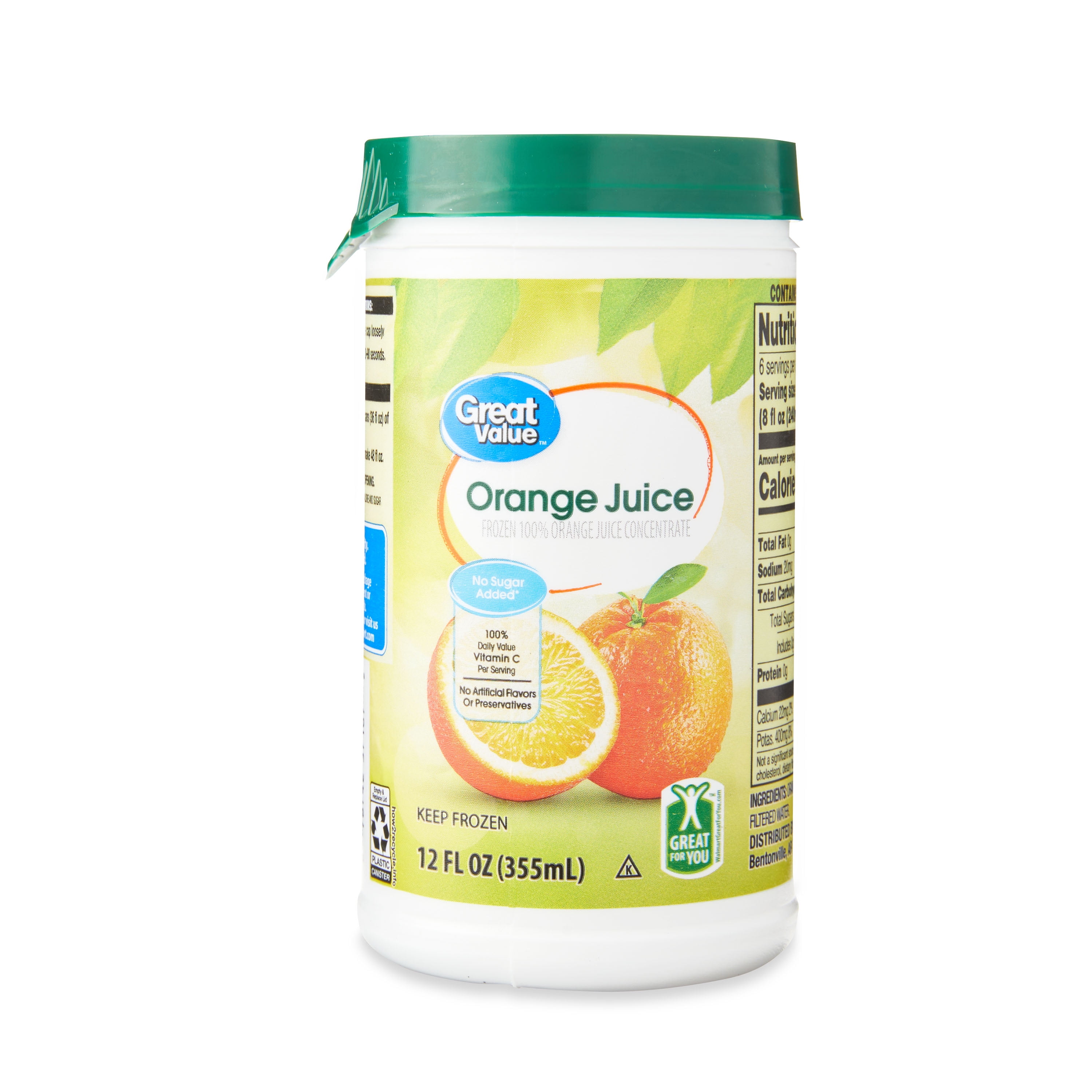
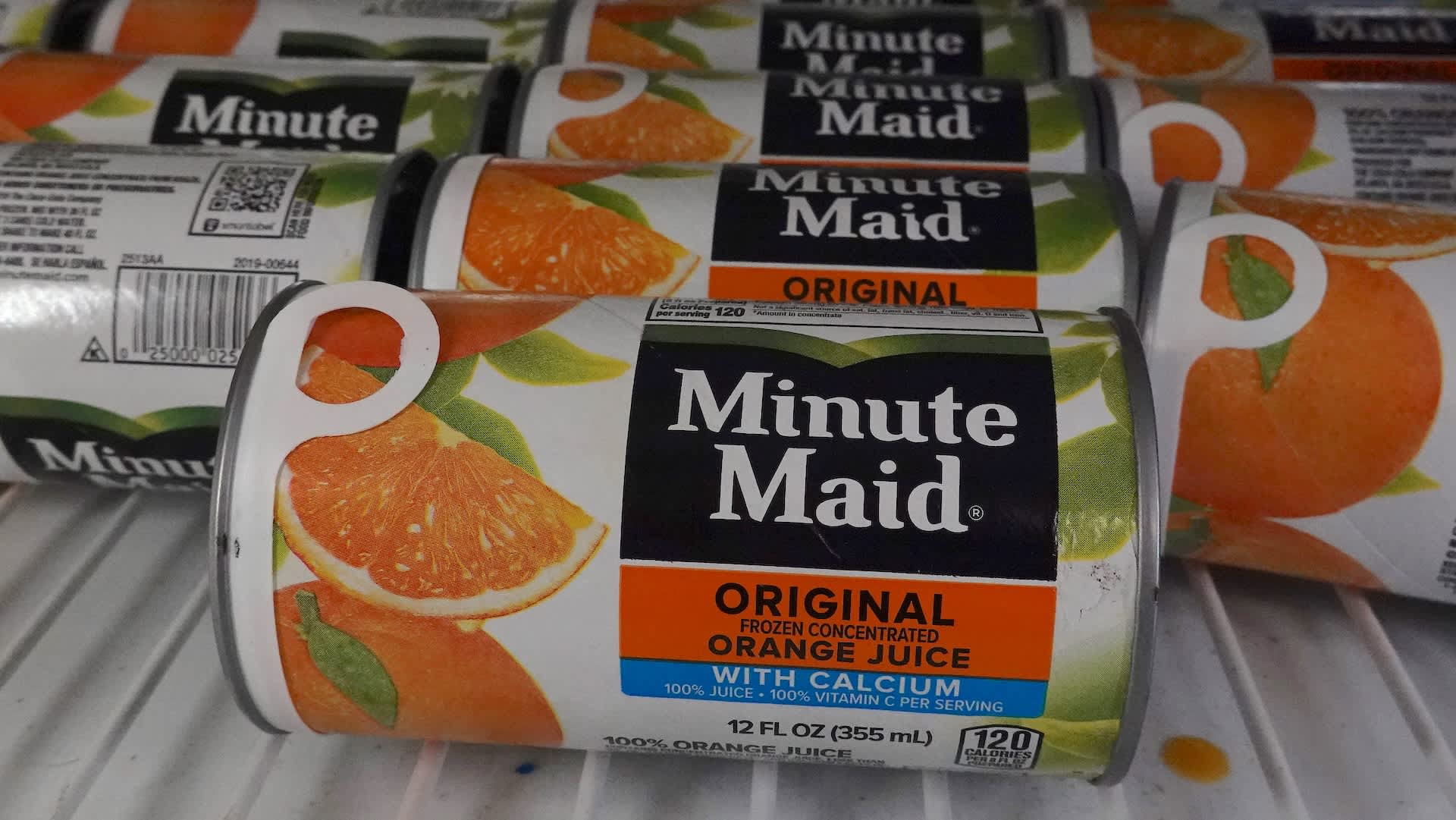
While Minute Maid (owned by the Coca-Cola Company) and various private labels still maintain a limited presence in the freezer as of 2026, their variety has been drastically reduced. Where there were once ten or fifteen different blends, many grocers now only carry basic orange and lemonade concentrates. The reduction in variety is a precursor to total category exit, as lower volume makes the manufacturing and distribution of these specialized packages less efficient.
Economic Drivers of the Discontinuation
The economics of the frozen food aisle are punishing. To understand why your favorite frozen juice is no longer available, one must look at the "cost per cubic foot" in a grocery store.
Cold Chain Logistics and Energy Costs
Maintaining a "cold chain" at -18°C (0°F) from the processing plant to the grocery store freezer is significantly more expensive than transporting refrigerated or shelf-stable goods. As energy costs have fluctuated and logistics providers have faced increased pressure to reduce carbon footprints, the "carbon-heavy" nature of frozen concentrate has become a liability. Retailers prefer to fill limited freezer space with high-margin items like premium ice cream or frozen entrees rather than $1.50 cans of juice.
The Profitability of "Water"
From a manufacturer's perspective, selling "Not-From-Concentrate" (NFC) juice is more profitable. When a consumer buys a refrigerated carton of orange juice, they are paying for the convenience of the water already being added. Manufacturers can charge a premium for this "ready-to-serve" convenience. In contrast, frozen concentrate requires the consumer to perform the labor of mixing, which keeps the price point—and the manufacturer's profit margin—lower.
Consumer Psychology: The Freshness Fallacy
The decline of frozen juice is also a story of marketing and consumer perception. In the 1990s and 2000s, "Not-From-Concentrate" became the gold standard for quality.
The Perception of "Processed"
Modern consumers frequently associate the word "concentrate" with heavy processing, even though the evaporation process used to create concentrate is a physical one, not necessarily a chemical one. Frozen concentrate is often perceived as "less fresh" than juice found in the dairy or refrigerated section.
In reality, many refrigerated juices are also made from concentrate and simply reconstituted at the plant before being packaged in a carton. However, the act of pouring juice directly from a bottle feels more "natural" to the 2026 consumer than the ritual of thawing a frozen cylinder and stirring in three cans of water.
Health Consciousness and Sugar
As health guidelines have evolved, the overall consumption of fruit juice has declined. Consumers are more aware of the sugar content in juice, often opting for whole fruit or flavored sparkling waters instead. As the total "juice pie" shrinks, the smallest and most labor-intensive segment of that pie—frozen concentrate—is the first to be cut by retailers.
Comparison of Juice Formats in 2026
To understand the current market, it is helpful to compare the three primary ways juice is sold today. This table highlights why frozen concentrate has lost its competitive edge.
| Feature | Frozen Concentrate | Refrigerated (NFC/Reconstituted) | Shelf-Stable (Aseptic) |
|---|---|---|---|
| Consumer Convenience | Low (Requires prep/thawing) | High (Ready to pour) | High (Ready to pour) |
| Storage Requirement | Freezer (-18°C) | Refrigerator (4°C) | Ambient (Room Temp) |
| Shelf Life (Unopened) | 6–12 Months | 30–60 Days | 6–9 Months |
| Price Point | Lowest | Highest | Moderate |
| Environmental Impact | High (Cold Chain Energy) | Moderate (Plastic/Carton) | Lowest (No refrigeration) |
| Market Availability | Declining/Niche | Dominant | Expanding |
Technical Challenges: Packaging and Manufacturing
The physical "can" used for frozen juice is a technical relic that has become increasingly difficult to source and recycle. These containers are typically "spiral-wound" cardboard with a plastic or foil lining and metal ends.
Recycling Hurdles
As municipalities and corporations push for 100% recyclable packaging, the multi-material construction of the frozen juice tube is a nightmare. Separating the metal lids from the plastic-lined cardboard is often impossible for standard recycling facilities. In contrast, PET plastic bottles and aseptic cartons (like Tetra Pak) have more streamlined recycling streams in many regions.
Manufacturing Obsolescence
The machinery required to pack frozen concentrate is specialized. As these machines age, many companies are choosing not to replace them. Instead, they are investing capital into high-speed bottling lines for refrigerated drinks or aseptic filling lines for shelf-stable pouches and boxes. This "capital flight" ensures that even if a small segment of consumers still wants frozen juice, the infrastructure to make it is slowly disappearing.
The Rise of Alternatives
While the frozen juice aisle shrinks, other categories are expanding to fill the void. This isn't just about refrigerated cartons; it's about a complete re-imagining of the beverage category.
- Powdered Enhancers: Brands are moving toward highly concentrated powders or liquid "drops" that offer flavor without the need for refrigeration or bulky packaging.
- Flash-Frozen Fruits: Rather than buying frozen juice, more consumers are buying bags of flash-frozen whole fruits to make smoothies. This provides fiber and a "whole food" experience that juice lacks.
- High-Pressure Processing (HPP): This technology allows "fresh" juice to stay shelf-stable for longer without heat pasteurization, maintaining a flavor profile that frozen concentrate can rarely match.
Frequently Asked Questions
Is frozen juice concentrate still healthy compared to fresh?
Nutritionally, frozen juice concentrate is very similar to refrigerated juice. The process of concentrating juice involves heating it to evaporate water, which can slightly degrade Vitamin C levels, but manufacturers typically fortify the product to compensate. The primary health concern remains the high concentration of natural sugars, which is the same across all juice formats.
Can I still find frozen orange juice anywhere in 2026?
Yes, but you may need to look at private label (store brand) sections of large national grocers or specialty discount stores. Many "premium" grocery chains have removed the category entirely to make room for frozen fruit blends and organic smoothies.
Why did Welch's specifically stop making frozen juice?
Welch’s cited a strategic shift toward products that align better with modern consumer habits. By exiting the frozen category, they were able to consolidate their supply chain and focus on their bottled and refrigerated lines, which see higher turnover and better profit margins.
Does frozen juice taste different than bottled juice?
Taste is subjective, but frozen concentrate often has a more "cooked" or syrupy flavor due to the evaporation process used to remove water. "Not-From-Concentrate" chilled juice is typically pasteurized quickly at lower temperatures, which many consumers believe preserves the aromatic profile of the fresh fruit more effectively.
Is the "frozen juice can" biodegradable?
Generally, no. While the body is made of paperboard, it is almost always coated with a moisture-resistant plastic or aluminum liner. This composite construction prevents the container from breaking down easily in a landfill and makes it difficult to process in traditional paper recycling facilities.
Recommended Next Actions
If you are a consumer who still prefers the cost savings of frozen juice, consider the following actions:
- Stock Up When Possible: If your local grocer still carries your preferred brand, check the "Best By" dates. Frozen concentrate can safely be stored for up to a year, though quality may begin to degrade after six months.
- Switch to Private Labels: Large retailers like Walmart or Kroger often maintain their own branded frozen concentrates longer than national brands because they have more control over their internal supply chains.
- Explore Powdered Alternatives: For flavored drinks like lemonade or fruit punch, high-quality powdered mixes often provide a similar flavor profile and cost-per-serving without the need for freezer space.
- Invest in a Juicer: For the highest quality "fresh" experience, buying whole fruit in bulk and juicing at home remains the most effective way to avoid the additives and processing associated with all commercial juice formats.
Image Gallery