Understanding the Rise of Magma Payday Loans in 2026
Magma payday loans are high-interest, short-term financial products designed to provide immediate liquidity until a borrower's next pay cycle. Their rise in 2026 is driven by digital-first accessibility, rapid AI-driven underwriting, a...
Magma payday loans are high-interest, short-term financial products designed to provide immediate liquidity until a borrower's next pay cycle. Their rise in 2026 is driven by digital-first accessibility, rapid AI-driven underwriting, and an increasing demand for micro-credit among consumers facing stagnant wages and unexpected inflationary expenses in the current economy.
Contents
What Are Magma Payday Loans?
To understand the rise of Magma payday loans, one must first define the specific niche they occupy within the broader financial services landscape. Magma loans function as "bridge" financing. They are typically small-dollar amounts—ranging from $100 to $1,500—that are intended to be repaid in a single lump sum on the borrower’s next payday.
The name "Magma" in this context refers to a specific breed of high-velocity lending platforms that have emerged to streamline the borrowing process. Unlike traditional bank loans, which may require collateral or a lengthy credit check, Magma payday loans prioritize speed and accessibility. These loans are usually unsecured, meaning the borrower does not need to put up an asset like a car or a home to secure the funds. Instead, the lender gains access to the borrower's bank account or a post-dated check as a guarantee of repayment.
By 2026, the term has become synonymous with "instant-approval" credit. These products are predominantly utilized by individuals who may not qualify for traditional credit cards or personal loans due to low credit scores or a lack of formal credit history. The "rise" of this specific entity is largely attributed to its ability to integrate with modern banking APIs, allowing for fund disbursement in as little as fifteen minutes.
Factors Driving the Popularity of Magma Lending in 2026
The surge in Magma payday loan volume during 2026 is not a localized phenomenon but rather a result of several converging economic and technological trends. As traditional financial institutions have tightened their lending criteria in response to fluctuating market stability, a "credit gap" has widened for the average consumer.
The Technology of Instant Gratification
Modern borrowers in 2026 expect financial transactions to mirror the speed of social media and e-commerce. Magma lending platforms utilize advanced machine learning algorithms to assess risk. Instead of relying solely on a FICO score—which may be outdated—these algorithms analyze real-time data points such as utility payment consistency, rent history, and even behavioral biometrics on the application app. This technological efficiency allows Magma to approve loans that traditional banks would ignore.
Economic Pressure and the "Cost of Living" Crisis
Despite various economic recoveries, the cost of essential services—healthcare, automotive repair, and housing—continues to outpace wage growth for a significant portion of the workforce. When a "lumpy" expense occurs, such as a $600 emergency dental bill or a car transmission failure, many households lack the liquid savings to cover it. Magma payday loans have risen as a "last resort" mechanism that provides a safety net, albeit an expensive one, when traditional savings are exhausted.
Digital Accessibility and the Unbanked
The proliferation of smartphone-only banking has made it easier than ever to apply for a Magma loan. With a few taps on a mobile device, a user can upload their identification and link their primary checking account. This ease of use has specifically appealed to "underbanked" populations who may live in "banking deserts" where physical branches are non-existent but high-speed internet is available.
Comparing Magma Payday Loans to Traditional Credit Options
Understanding the cost structure of Magma loans is essential for any prospective borrower. These loans are significantly more expensive than standard personal loans or credit card cash advances. The following table illustrates the typical differences encountered in the 2026 lending market.
| Feature | Magma Payday Loan | Traditional Personal Loan | Credit Card Cash Advance |
|---|---|---|---|
| Typical APR | 300% – 600% | 8% – 36% | 24% – 30% |
| Approval Speed | Minutes to Hours | 1 – 5 Business Days | Instant (if pre-approved) |
| Credit Score Req. | Very Low / No Credit | Good to Excellent | Fair to Good |
| Repayment Term | 14 to 31 Days | 12 to 60 Months | Revolving / Monthly |
| Max Loan Amount | Up to $1,500 | Up to $50,000 | Varies by Credit Limit |
| Collateral | Unsecured (Bank Access) | Often Unsecured | Unsecured |
Eligibility and the Application Process
One reason for the rise of Magma payday loans is the simplified eligibility framework. While a traditional mortgage requires hundreds of pages of documentation, a Magma loan typically requires only four core components:
- Proof of Age and Residency: Borrowers must be at least 18 years old (or 19 in certain jurisdictions) and a legal resident of the area where the lender is licensed to operate.
- Active Checking Account: Because these loans are digital-first, a functional bank account with "Direct Deposit" capabilities is mandatory. This account serves as the vehicle for both receiving the loan and automating the repayment.
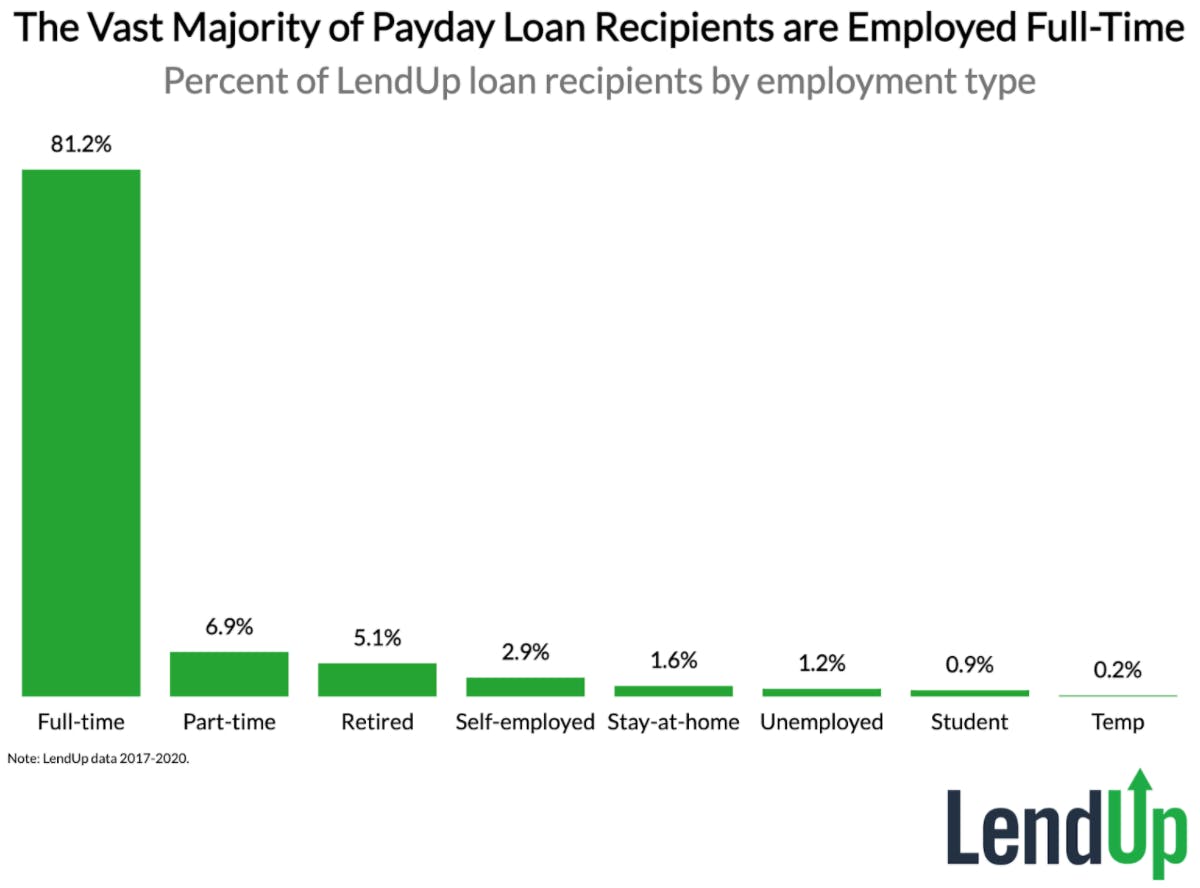
- Steady Income Stream: Borrowers must demonstrate a recurring source of income. While this was traditionally limited to full-time employment, by 2026, Magma lenders often accept "Gig Economy" income from platforms like Uber, DoorDash, or freelance marketplaces, provided the deposits are consistent.
- Valid Contact Information: A verified phone number and email address are required for digital contract signing and regulatory disclosures.
Once these requirements are met, the application process usually involves a digital "soft" credit pull that does not impact the borrower's credit score. If approved, the borrower signs an e-contract outlining the Annual Percentage Rate (APR), the total finance charge, and the exact date the funds will be withdrawn from their account for repayment.
Regulatory Environment and Consumer Protection
The rise of Magma payday loans has not occurred in a vacuum; it has been accompanied by intense scrutiny from financial regulators such as the Consumer Financial Protection Bureau (CFPB) in the United States and the Financial Conduct Authority (FCA) in the United Kingdom.
As of 2026, several "Small-Dollar Loan Rules" have been implemented to prevent the most predatory practices. For instance, many jurisdictions now mandate a "cooling-off period" where a borrower cannot take out a second Magma loan immediately after paying off the first. This is intended to prevent the "cycle of debt," where borrowers pay fees just to keep a loan active without ever reducing the principal balance.
Lenders in the Magma space are also required to provide clear, "plain English" disclosures regarding the total cost of the loan. In 2026, many states have also moved to cap the maximum interest rates or fees that can be charged, though these caps vary wildly between different regions. Borrowers are encouraged to check their local state or provincial laws to ensure the lender is operating within legal limits.
The Risks: Debt Cycles and Credit Impact
While Magma payday loans offer immediate relief, they carry substantial risks that contribute to their controversial reputation. The primary danger is the high cost of borrowing. A $500 loan with a $75 fee over two weeks equates to an APR of nearly 400%. If the borrower cannot repay the $575 on the due date, they may be tempted to "roll over" the loan, incurring another $75 fee while the original debt remains.
Furthermore, while the application might only involve a soft credit check, a failure to repay can have a devastating impact on a borrower's credit report. Magma lenders often sell delinquent accounts to third-party collection agencies, who then report the default to major credit bureaus. This can lower a credit score significantly, making it harder to secure housing, employment, or lower-interest insurance in the future.
Alternatives to Magma Payday Loans
Before committing to a high-interest Magma loan, financial experts in 2026 suggest exploring several alternative avenues that may be less damaging to long-term financial health:
- Earned Wage Access (EWA): Many employers now offer EWA programs (sometimes called "on-demand pay") that allow workers to access a percentage of the money they have already earned before payday for a small flat fee or for free.
- Credit Union "PALs": Many credit unions offer "Payday Alternative Loans" (PALs). These are small-dollar loans with interest rates capped by federal law (usually around 28%), making them significantly cheaper than Magma-style products.
- Community Assistance Programs: Local non-profits and religious organizations often have emergency funds specifically designated for one-time crises like utility shut-offs or medical emergencies.
- Negotiated Payment Plans: Often, a service provider (like a hospital or utility company) is willing to set up a monthly payment plan at 0% interest if contacted before a payment is missed.
Frequently Asked Questions
Can I get a Magma payday loan with a 500 credit score?
Yes, most Magma payday lenders do not use traditional credit scores as the primary factor for approval. They focus more on your current income and the activity in your checking account to ensure you have the means to repay the loan on your next payday.
How quickly are Magma loan funds deposited?
In 2026, most Magma lenders use "Real-Time Payments" (RTP) or "Instant ACH." If you are approved and sign your documents during business hours, funds are often available in your account within 15 to 30 minutes.
What happens if I can't pay back my Magma loan on time?
If you cannot repay the loan, you should contact the lender immediately. Many are required by law to offer an "Extended Payment Plan" (EPP) at no additional cost if requested before the due date. Ignoring the debt will lead to automated withdrawal attempts, which may cause your bank to charge multiple "Non-Sufficient Funds" (NSF) fees.
Are Magma payday loans legal in all states?
No. High-interest payday lending is strictly regulated or prohibited in several U.S. states and various international jurisdictions. In areas where they are prohibited, "Magma-style" lenders may operate as "Credit Access Businesses" or use other legal frameworks, but the interest rates are often strictly capped.
Will taking a Magma loan help build my credit?
Generally, no. Most payday lenders do not report on-time payments to the three major credit bureaus (Equifax, Experian, and TransUnion). Therefore, while the loan provides cash, it does not help you establish a positive credit history.
Practical Recommendation
If you find yourself considering a Magma payday loan in 2026, use it only for genuine, one-time emergencies and never as a solution for recurring expenses like rent or groceries. Before signing, calculate the total "price of the money" and ensure you have a verified plan to repay the full amount on your next payday. If you find yourself needing these loans more than once or twice a year, consider seeking professional financial counseling to address the underlying budget gap.
Image Gallery