A Guide to Quince Italian Leather Riding Boots: Quality, Fit, and Maintenance
Quince Italian leather riding boots represent a specific market offering: direct-to-consumer premium footwear crafted in Italy using traditional leatherworking techniques. For the prospective buyer, these boots serve as a synthesis of...
Quince Italian leather riding boots represent a specific market offering: direct-to-consumer premium footwear crafted in Italy using traditional leatherworking techniques. For the prospective buyer, these boots serve as a synthesis of classic equestrian aesthetics and contemporary minimalist fashion, requiring careful consideration of sizing, leather care, and intended use to ensure longevity and comfort.
Contents
Defining the Quince Italian Leather Riding Boot
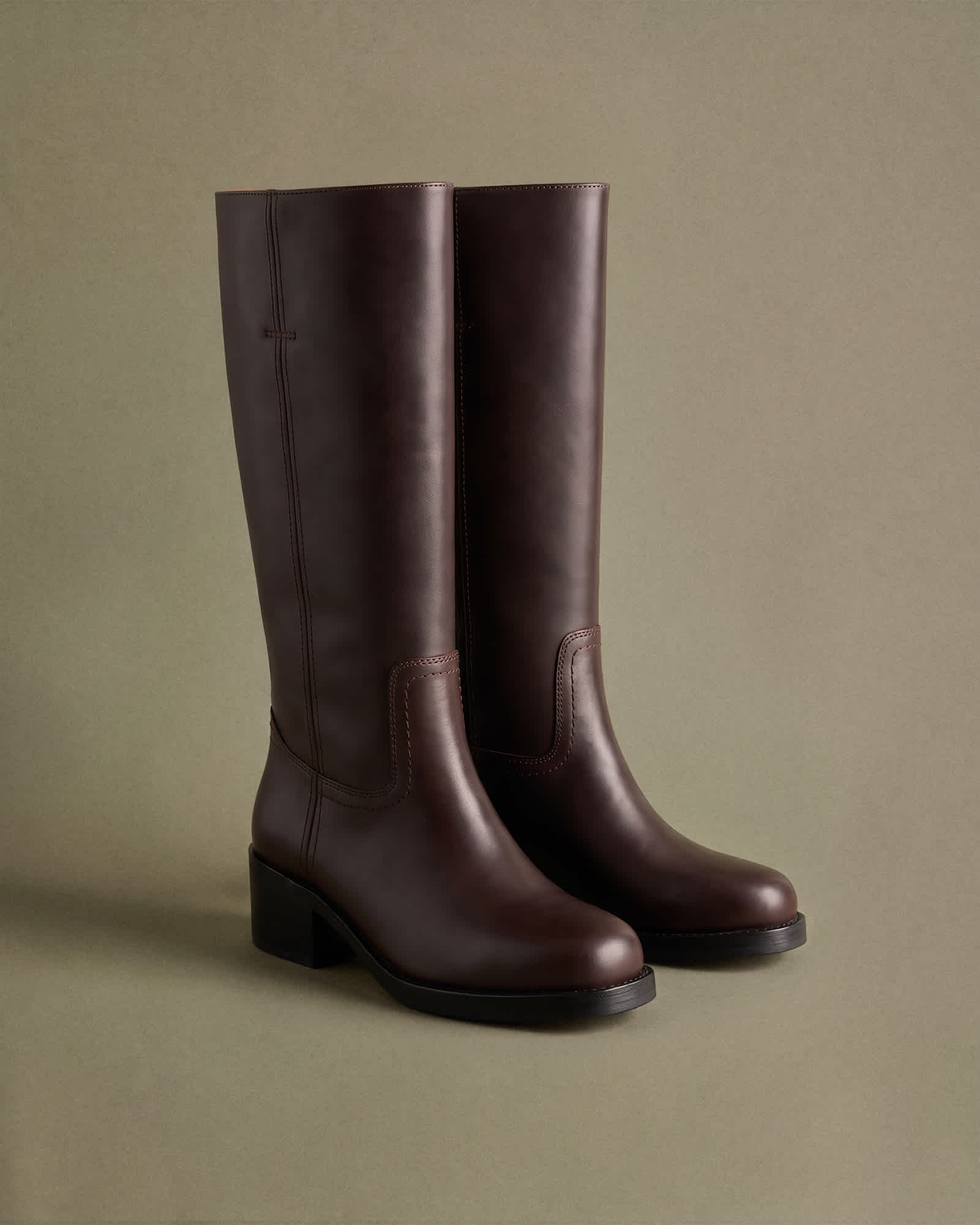
The Quince Italian leather riding boot is characterized by its reliance on Italian-sourced hides, manufactured in facilities that emphasize classic silhouette construction. In the context of 2026 fashion, the term "riding boot" typically refers to the knee-high, flat or low-heeled style inspired by equestrian heritage rather than technical gear intended for competitive horse riding.
When evaluating these boots, it is essential to distinguish between fashion-forward lifestyle footwear and performance equestrian equipment. Quince utilizes a direct-to-consumer (DTC) model, which aims to provide luxury-grade materials—often sourced from the same Italian tanneries used by high-end designer houses—at a price point typically lower than traditional retail markups.
Material Specifications and Construction
The hallmark of high-quality Italian leather is its grain structure and finishing process. Quince utilizes full-grain or top-grain leather, which retains the natural fibers of the hide, providing inherent durability and a capacity to develop a distinct patina over time. Unlike synthetic alternatives or heavily corrected leathers, genuine Italian calfskin or cowhide remains breathable, which is a critical feature for tall boots that enclose the leg for extended periods.
Construction details to look for include:
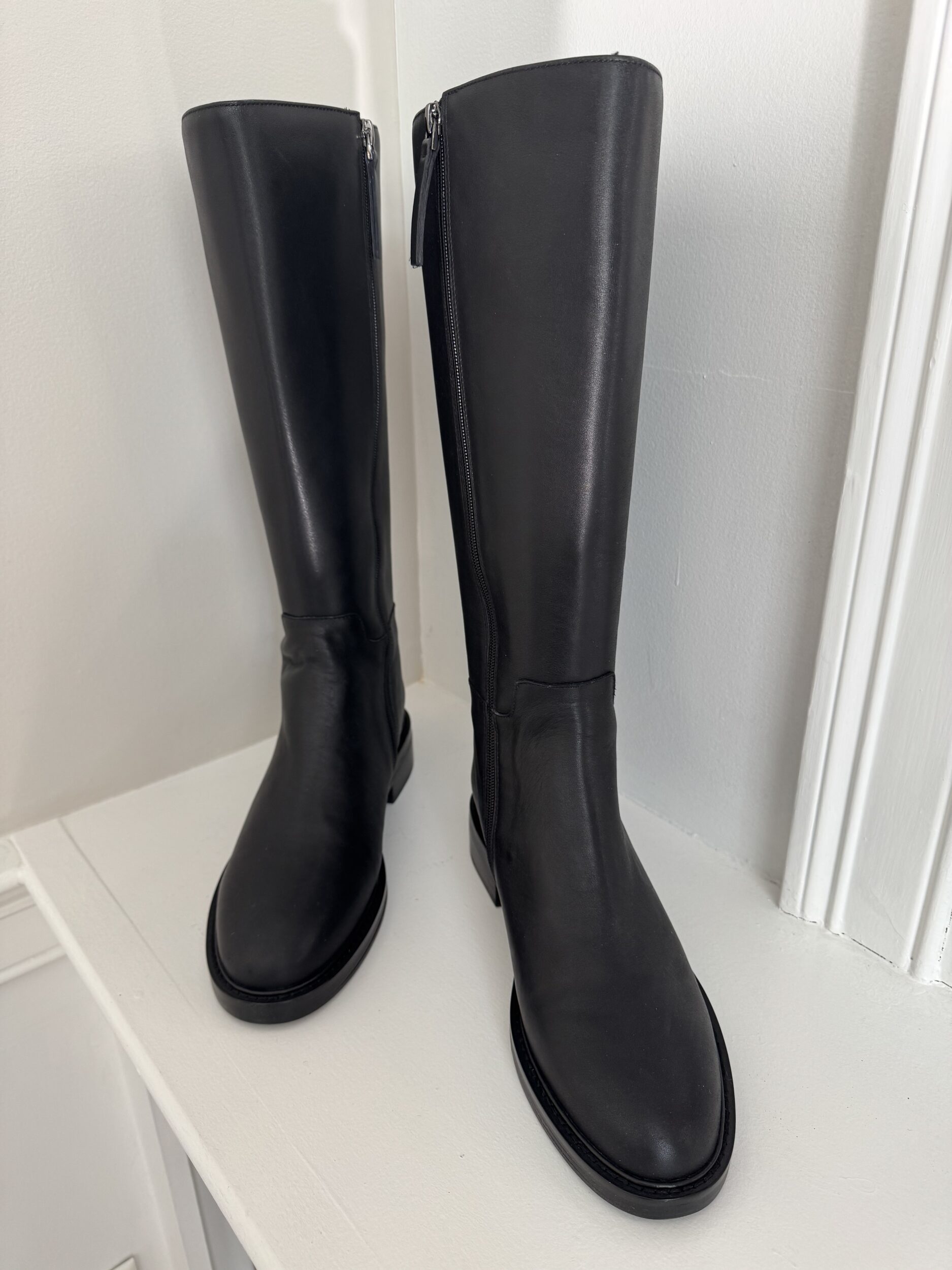
- Stitching: Look for reinforced seams, particularly at stress points like the heel counter and the zip track. High-quality manufacturing often employs double-stitching to prevent premature separation.
- The Insole: A well-constructed boot should feature a leather-lined footbed, which allows for moisture regulation. Some iterations may include a thin layer of memory foam or arch support, though traditional riding boots often prioritize a sleek, streamlined profile over heavy athletic cushioning.
- Hardware: The zippers on Italian-made boots are typically sourced from premium metal manufacturers. A smooth, snag-free action is a primary indicator of quality control.
Sizing and Fit Considerations
Buying tall boots online presents unique challenges, as the fit must accommodate both the foot length and the circumference of the calf. Before purchasing, verify your measurements using a soft measuring tape.
- Foot Size: Measure while wearing the type of socks you intend to pair with the boots.
- Calf Circumference: Measure the widest part of your calf. Compare this against the manufacturer’s sizing chart, specifically checking for "shaft width" or "calf diameter."
- Shaft Height: This refers to the distance from the bottom of the heel to the top of the boot. Ensure this does not interfere with the back of your knee when sitting.
Italian leather often features a "break-in" period. While the material is supple, it is structured. Expect a snug fit initially, as the leather will naturally stretch and mold to the unique contours of your ankle and calf after several wears.
Comparison of Boot Material Types
| Feature | Italian Full-Grain Leather | Synthetic/Vegan Leather | Suede/Nubuck |
|---|---|---|---|
| Durability | High (Develops Patina) | Moderate (Prone to Cracking) | Low (Susceptible to Stains) |
| Breathability | Superior | Low | Moderate |
| Maintenance | Requires Conditioning | Easy Wipe-Down | Specialized Spray/Brush |
| Form Retention | High | Low | Moderate |
Maintaining Your Investment
Italian leather is an organic material that requires proper hydration to prevent cracking. In the 2026 climate, environmental factors such as humidity levels and temperature fluctuations can affect the longevity of your footwear.
- Conditioning: Apply a high-quality leather conditioner every three to six months. This replaces natural oils lost during daily wear. Avoid waxes or heavy polishes unless you are covering scuffs, as these can block the pores of the leather.
- Storage: Always use boot trees or inserts. Because tall boots are prone to slouching or folding at the ankle, keeping them upright prevents permanent creasing that can lead to leather fatigue.
- Cleaning: Remove salt, mud, or dust with a damp cloth immediately after exposure. Allow the leather to air dry naturally—never place leather boots near direct heat sources like radiators, as this will dehydrate and brittle the fibers.
Addressing Common User Concerns
How long should I expect these boots to last? With proper care, high-quality Italian leather boots can last for many years. The lifecycle is highly dependent on frequency of wear and the harshness of the environment. Rotating your boots so they have at least 24 hours to "rest" between wears significantly extends their lifespan.
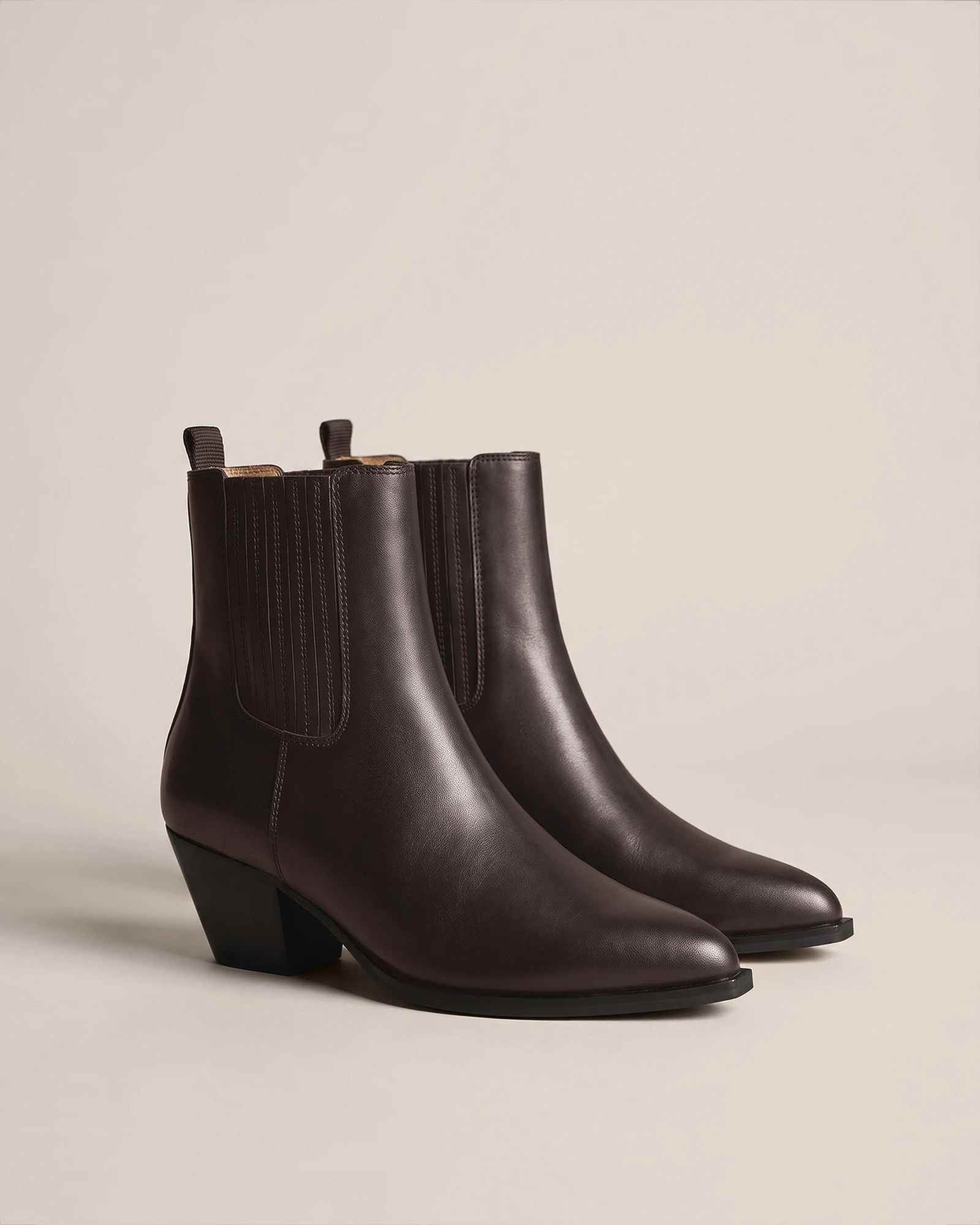
Are these suitable for wide calves? Most standard Italian riding boots are designed with a specific calf width. Always consult the specific product page for circumference measurements. If you find standard boots are too tight, look for versions with integrated elastic gussets, which provide extra "give" without compromising the aesthetic.
Why does my leather appear to have slight variations? Leather is a natural product. Variations in texture, tiny scars, or subtle color shifts are evidence of authenticity. Unlike synthetic "PU" leather, which is uniform, high-quality Italian leather celebrates the character of the hide.
Can I wear these in the rain? While quality leather is durable, it is not waterproof. If the boots become soaked, stuff them with newspaper to absorb moisture from the inside and let them dry slowly in a cool, ventilated area. You may apply a protective leather spray, but ensure it is formulated for fine leather to avoid discoloration.
Are these boots comfortable for walking? Riding boots are traditionally designed for style and structural support, not long-distance trekking. If you require significant comfort for walking, consider adding an aftermarket orthotic insert. Ensure the internal volume of the boot is sufficient to accommodate the added thickness of the insert before sizing up.
Practical Recommendations for Prospective Buyers
If you are currently evaluating a purchase of Quince Italian leather riding boots, prioritize your calf measurement above your shoe size. A boot that is slightly loose in the foot can be managed with an insole, but a boot that does not zip comfortably over the calf cannot be adjusted without professional cobbler intervention, which may void return policies.
Before committing, verify the return window provided by the retailer for the 2026 season. Given that leather will stretch, wear the boots indoors for several hours on a carpeted surface to ensure they remain in "as-new" condition should you need to exchange them for a different size. By treating the leather correctly from the first day of ownership, you ensure that the boots evolve to be a staple of your wardrobe rather than a temporary fashion accessory.
Image Gallery