How to Calculate Take-Home Pay in Missouri: A Comprehensive Guide
Calculating your take-home pay in Missouri requires a systematic approach that accounts for federal and state tax obligations, mandatory social contributions, and voluntary benefit deductions. Your net pay—the amount that ultimately hi...
Calculating your take-home pay in Missouri requires a systematic approach that accounts for federal and state tax obligations, mandatory social contributions, and voluntary benefit deductions. Your net pay—the amount that ultimately hits your bank account—is derived by subtracting these various withholdings from your gross earnings. While payroll software typically automates this process for employers, understanding the underlying components allows employees to verify their pay stubs and budget with greater accuracy for the 2026 fiscal year.
Contents
Understanding the Payroll Components
Before performing a manual calculation, it is essential to distinguish between gross pay and net pay. Gross pay is the total amount of money earned during a pay period before any taxes or deductions are removed. This includes your base hourly rate or annual salary, plus any overtime, bonuses, or commissions.
Take-home pay, or net pay, is what remains after your employer fulfills their legal obligation to withhold specific amounts. These withholdings generally fall into three categories: mandatory government taxes, social safety net contributions, and employer-sponsored voluntary deductions.
Mandatory Federal Withholdings
Federal income tax is the largest deduction for most workers. The amount withheld is based on your gross income, filing status, and the information provided on your IRS Form W-4. In 2026, federal tax brackets remain progressive, meaning higher portions of your income are taxed at higher marginal rates.
Additionally, Federal Insurance Contributions Act (FICA) taxes are mandatory and non-negotiable. These include:
- Social Security Tax: As of 2026, the standard employee rate remains at 6.2% of gross wages, up to the annual wage base limit determined by the Social Security Administration.
- Medicare Tax: This is a flat 1.45% of all gross wages. If your earnings exceed specific thresholds, you may be subject to an Additional Medicare Tax of 0.9%, which employers are required to withhold.
Missouri State Income Tax
Missouri utilizes a graduated income tax system. For the 2026 tax year, the state applies different tax rates depending on your taxable income bracket. Unlike federal taxes, which have more complex adjustment mechanisms, Missouri state withholding is designed to estimate your annual tax liability based on your pay frequency. You can find the current Missouri income tax tables through the Missouri Department of Revenue.
The Step-by-Step Calculation Process
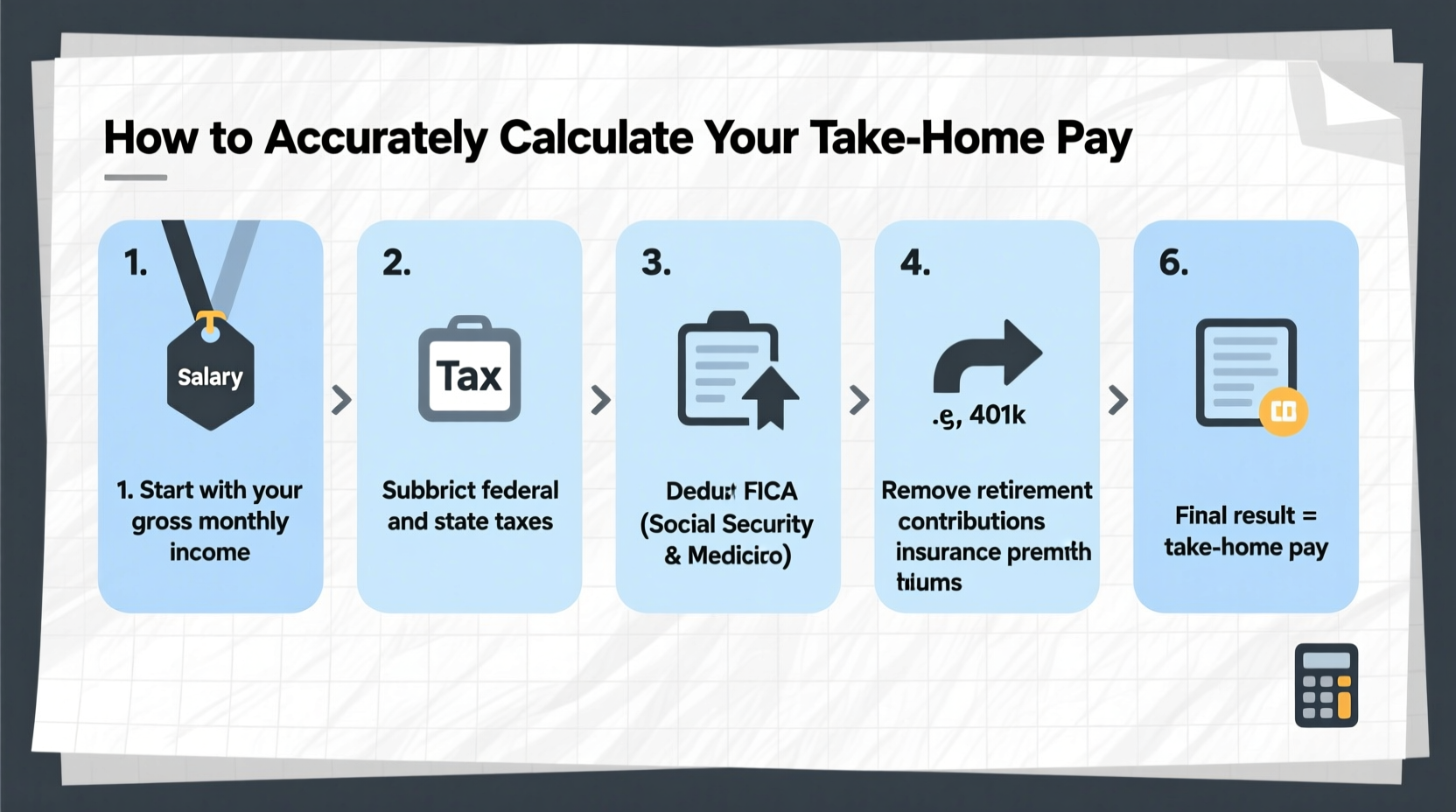
To determine your take-home pay, you should perform the following sequence. It is best to use your most recent pay stub as a reference to ensure your manual calculation matches the payroll department's figures.
- Identify Gross Pay: Calculate your total income for the period. If you are hourly, multiply your rate by the number of hours worked.
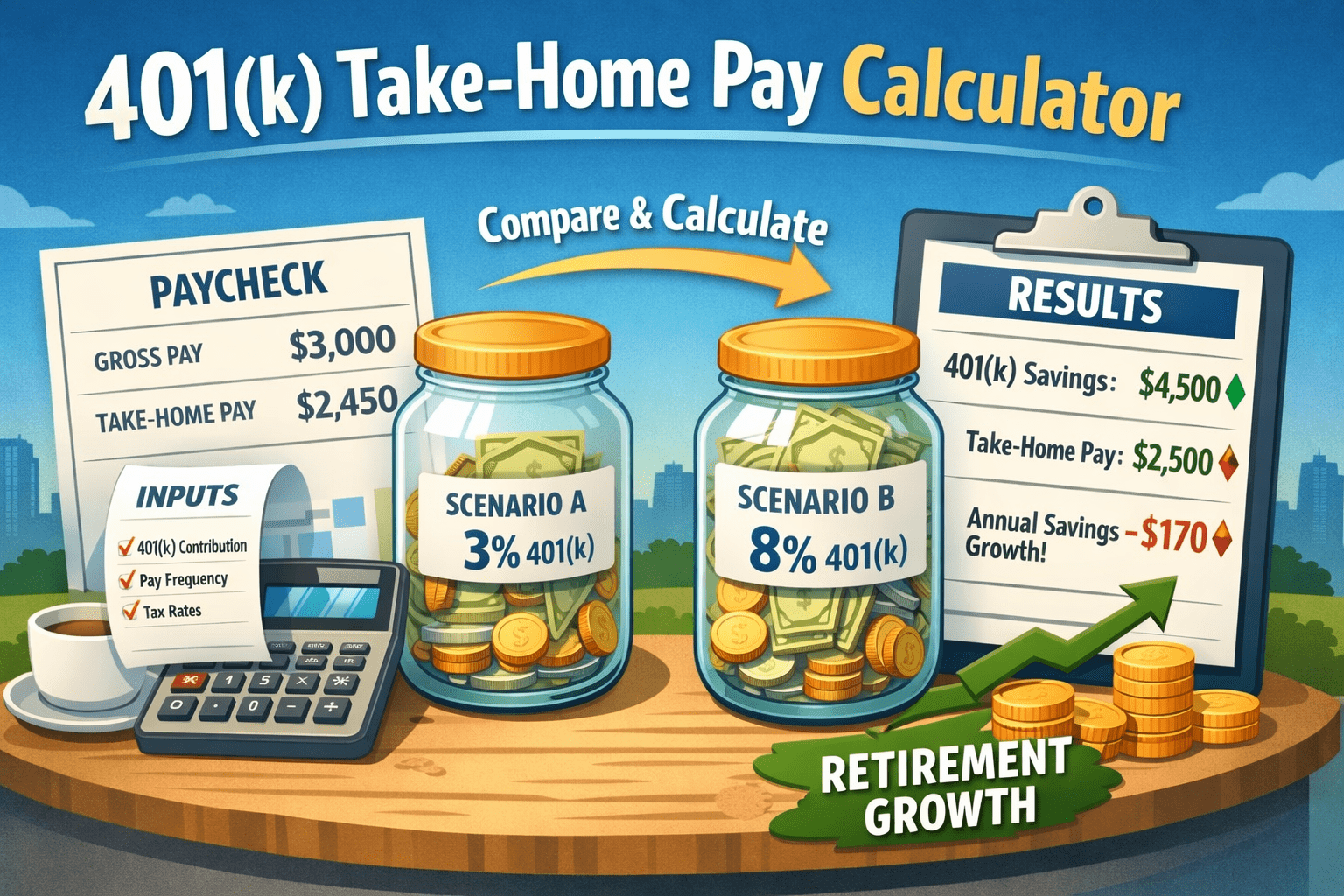
- Deduct Pre-Tax Contributions: Subtract items like 401(k) contributions, 403(b) plans, or Health Savings Account (HSA) contributions. These are taken out before taxes are applied to your gross income.
- Calculate FICA Taxes: Multiply your gross pay by 7.65% (6.2% for Social Security and 1.45% for Medicare) to find your mandatory federal contributions.
- Subtract Federal Income Tax: Using your W-4 status and current IRS Circular E (Employer's Tax Guide) tables, subtract the appropriate amount of federal withholding.
- Subtract Missouri State Tax: Apply the Missouri withholding formula or lookup table to your adjusted gross income.
- Subtract Voluntary Deductions: Finally, deduct post-tax items such as union dues, certain life insurance premiums, or wage garnishments.
Comparison of Deduction Types
The following table outlines how different types of income affect your final take-home pay calculation.
| Deduction Type | Timing | Tax Impact | Examples |
|---|---|---|---|
| Pre-Tax | Before Taxes | Reduces Taxable Income | 401(k), HSA, Health Premiums |
| FICA | After Pre-Tax | Mandatory | Social Security, Medicare |
| Federal Income Tax | After Pre-Tax | Mandatory | Federal Withholding (W-4) |
| State Income Tax | After Pre-Tax | Mandatory | Missouri Withholding |
| Post-Tax | After All Taxes | No Tax Benefit | Union Dues, Roth IRA, Garnishment |
Factors Affecting Your Missouri Paycheck
Several variables can cause your take-home pay to fluctuate even if your salary remains constant. Understanding these helps prevent surprises in your monthly budget.
The Impact of Pay Frequency
How often you are paid—weekly, bi-weekly, semi-monthly, or monthly—affects how the tax tables are applied. A bi-weekly schedule results in 26 paychecks per year, while a semi-monthly schedule results in 24. Because payroll systems must annualize your income to determine the correct tax bracket, the amount of tax withheld per check can vary slightly depending on the schedule your employer utilizes.
Missouri Local Taxes
While the state income tax is uniform, it is important to check if your specific municipality in Missouri imposes a local earnings tax. Cities like St. Louis and Kansas City have historically levied an earnings tax on individuals working or living within city limits. If you reside or work in these jurisdictions, an additional percentage (typically 1%) must be subtracted from your gross pay. This is a common point of confusion for employees who only account for federal and state levels.
Pre-Tax Benefit Optimization
One of the most effective ways to manage your take-home pay is by utilizing pre-tax benefits. Because these deductions are taken out before federal and state taxes are calculated, they lower your "taxable gross." For example, if you contribute to a traditional 401(k), your take-home pay will decrease by less than the actual contribution amount because you are also reducing the amount of income tax you pay.
Common Mistakes and Troubleshooting
If your manual calculation does not match your actual paycheck, investigate the following areas:
- Incorrect W-4 Selections: If you changed your filing status or claimed dependents incorrectly, your employer may be withholding too much or too little federal tax. Review your W-4 annually.
- Missing Local Taxes: Many employees forget to account for local city earnings taxes, which can lead to a discrepancy of 1% or more.
- Annual Wage Caps: Remember that the Social Security tax (6.2%) stops once you hit the annual maximum earnings cap. If you notice your take-home pay suddenly increases late in the year, this is likely why.
- Pre-Tax Adjustments: Ensure you are calculating taxes based on the adjusted gross pay (after pre-tax deductions) rather than your total salary.
Frequently Asked Questions
Why is my take-home pay lower than my gross salary?
Your gross salary is the total amount before any government taxes or employer-provided benefits are removed. You must pay FICA taxes (Social Security and Medicare), federal income tax, and Missouri state income tax. These mandatory contributions often account for 20% to 30% or more of your total earnings, depending on your tax bracket.
Does Missouri have a local earnings tax?
Yes, certain Missouri cities, most notably Kansas City and St. Louis, impose a local earnings tax on residents and those working within city limits. This tax is typically a flat percentage of your gross earnings and is withheld directly from your paycheck by your employer.
How do I change my withholding amounts?
To change your federal withholding, submit a new IRS Form W-4 to your employer. To adjust Missouri state withholding, you must submit a Missouri Form W-4 to your payroll department. You may wish to do this if you have experienced a major life event, such as a marriage, divorce, or the birth of a child, which alters your tax liability.
Do 401(k) contributions reduce my tax liability?
Yes. Contributions to a traditional 401(k) are made on a pre-tax basis. This reduces your taxable income for the current year, meaning you pay federal and state income taxes on a smaller portion of your total earnings. This provides an immediate tax benefit in your paycheck.
When should I consult a financial advisor?
If your income is subject to complex variables like stock options, capital gains, high-end bonuses, or multi-state tax liabilities, manual calculation can be difficult. A financial advisor or tax professional can help you optimize your withholdings to ensure you are not overpaying or underpaying your tax obligations throughout the year.
Final Recommendation
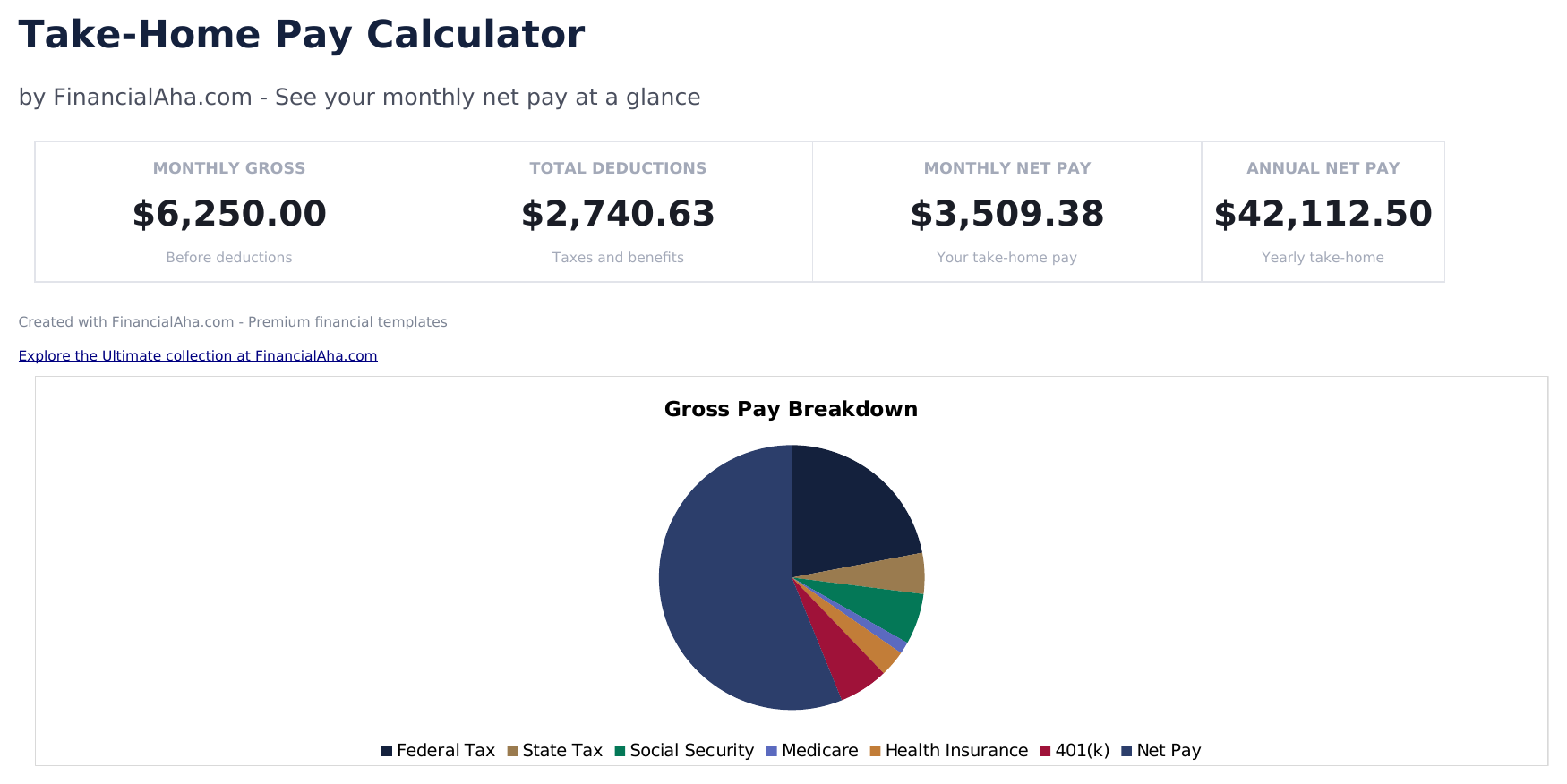
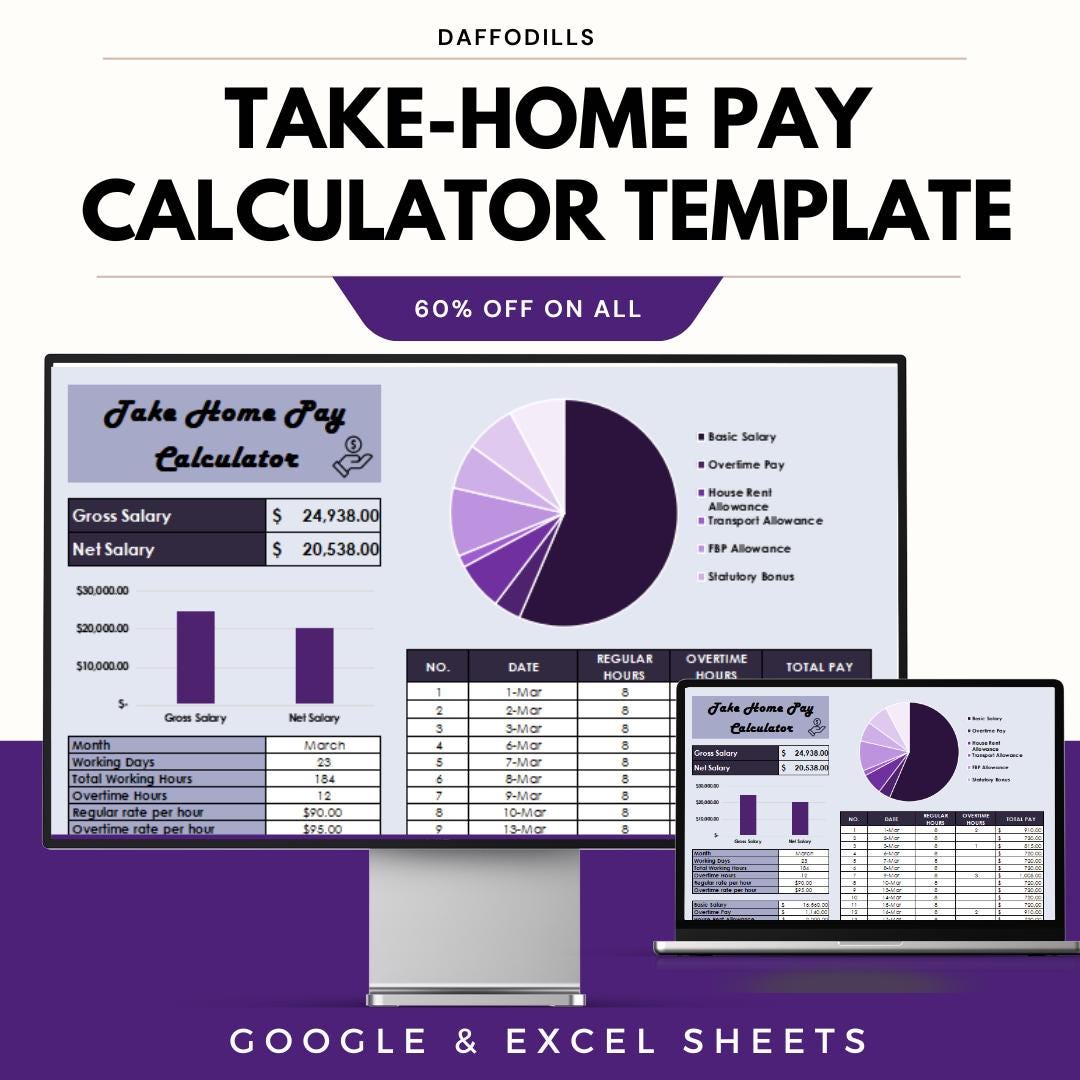
For most employees, the most accurate way to project your take-home pay is to use your most recent pay stub as a baseline. If you need to estimate the impact of a raise or a change in benefits, use an online payroll calculator specifically configured for Missouri tax laws. Always verify that the calculator includes options for local city taxes, as failing to include these can lead to significant budgeting errors. For specific legal or tax advice, contact a qualified accountant or tax attorney to review your unique financial situation.
Image Gallery