Understanding the Phenomenon of Exploring the Horsegiirl Boiler Room
Exploring the Horsegiirl Boiler Room involves analyzing the intersection of avant-garde electronic music, internet-native persona construction, and the specific performance aesthetics of the Boiler Room platform. As of 2026, this perfo...
Exploring the Horsegiirl Boiler Room involves analyzing the intersection of avant-garde electronic music, internet-native persona construction, and the specific performance aesthetics of the Boiler Room platform. As of 2026, this performance remains a pivotal case study in how viral subcultures utilize established industry venues to legitimize disruptive, high-energy dance music styles like "happy hardcore" and "euro-trance" through digital-first iconography.
Contents
The Persona and the Performance Context
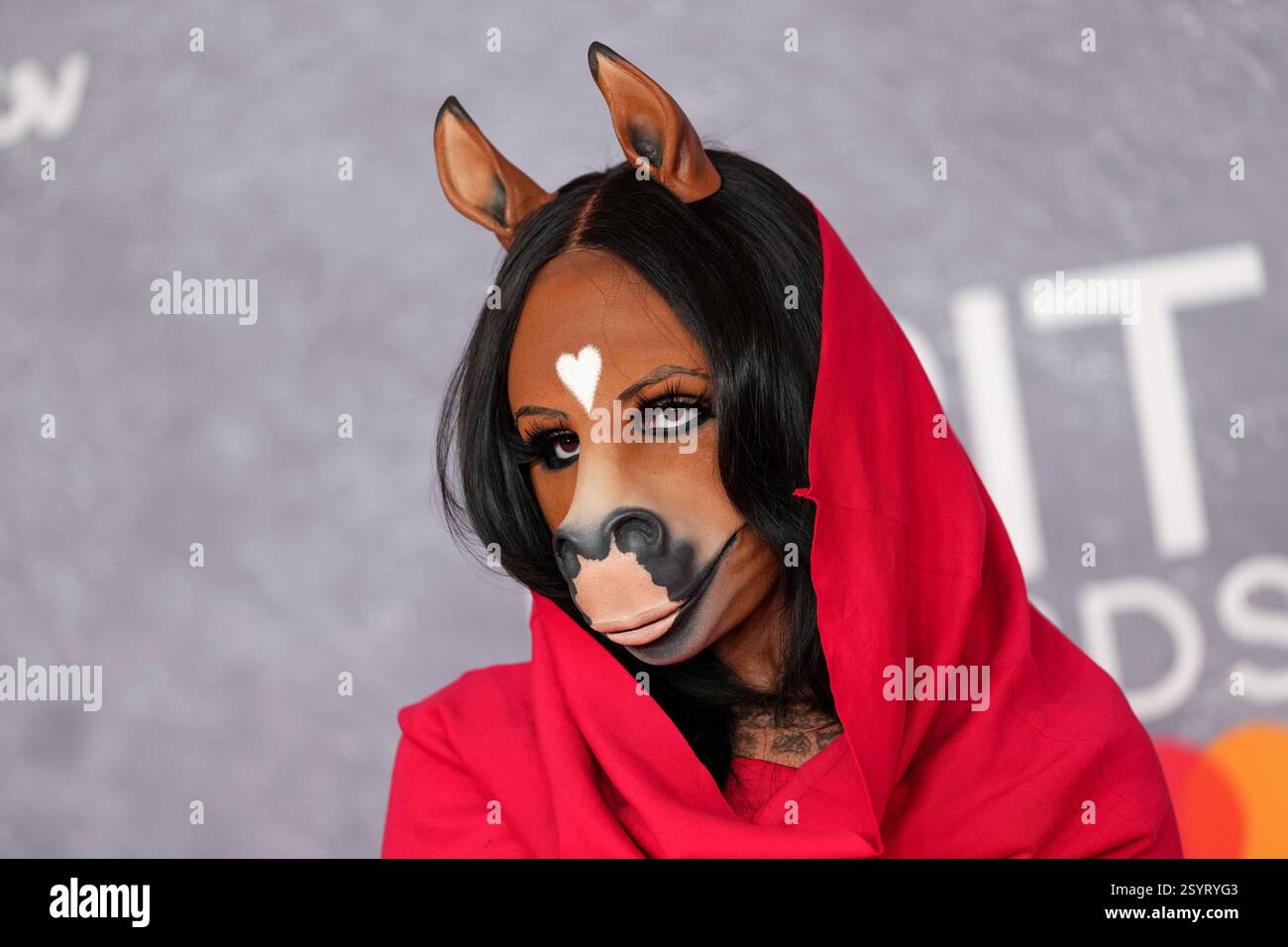
The project known as Horsegiirl emerged as a distinct entity within the European rave circuit, characterized by the artist’s signature horse mask. This anonymity—or, more accurately, the substitution of a human face with a static, non-human mask—functions as a deliberate aesthetic choice. When exploring the Horsegiirl Boiler Room set, the audience is presented with a performance that intentionally subverts the "DJ as a celebrity" trope.
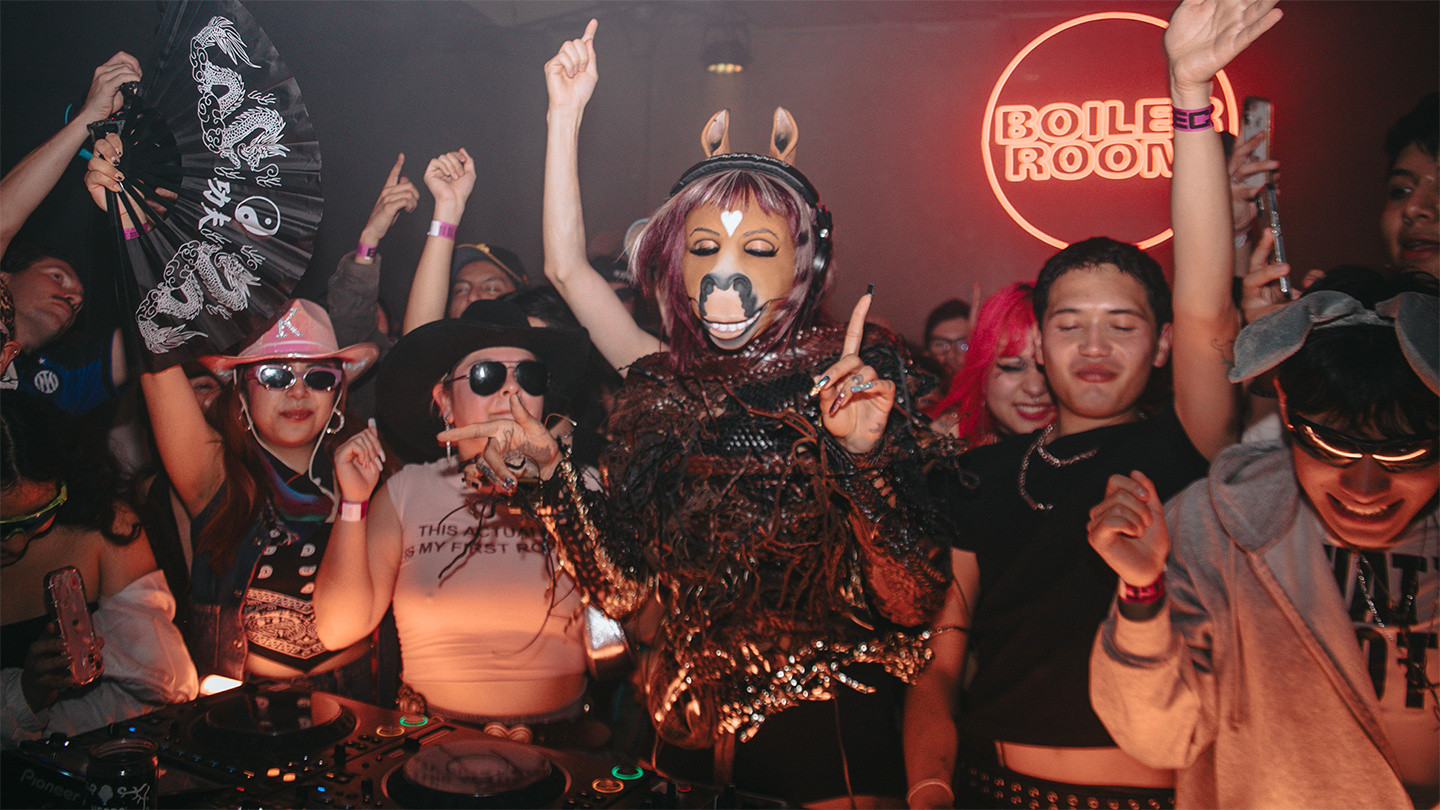
By obscuring the performer’s identity, the focus shifts entirely to the soundscape and the collective energy of the crowd. The Boiler Room, traditionally a space where a DJ plays to a live, often visible audience in an intimate, warehouse-style setting, serves as an amplifier for this performance. The platform's standard camera work—often focused on the DJ’s engagement with the decks and the crowd's reaction—creates a unique tension when the performer is wearing a mask. The visual dissonance between the high-octane, nostalgic "happy hardcore" tracks and the detached, equine persona is a core component of the viewing experience.
Technical Elements of the Performance
To understand the technical appeal of this set, one must examine the curation of the tracklist and the physical performance style. Horsegiirl’s sets are typically defined by:
- Genre Selection: High-BPM (beats per minute) tracks, often ranging between 150 and 170, drawing heavily from late-90s and early-2000s Eurodance, gabber, and happy hardcore.
- Narrative Flow: Unlike traditional DJ sets that prioritize smooth, long-form transitions, these performances often rely on sudden energy shifts and high-impact drops to sustain the intensity required for the "rave" aesthetic.
- Stage Presence: The use of props and limited facial expression forces the performer to communicate through physical posture and crowd interaction, turning the DJ booth into a theatrical stage rather than a technical workspace.
The Boiler Room environment, which often lacks a traditional stage elevation, brings the performer to the same eye level as the attendees. For a masked performer, this breaks the "fourth wall" of dance music, turning the set into an immersive performance art piece where the audience is as much a part of the spectacle as the DJ.
Comparative Analysis of Boiler Room Performance Styles
The following table outlines how the Horsegiirl set compares to conventional Boiler Room performances in terms of audience engagement and aesthetic markers.
| Feature | Conventional DJ Set | Horsegiirl Boiler Room |
|---|---|---|
| Performer Persona | Relatable, visible personality | Obscured, non-human, theatrical |
| Track Selection | Often genre-fluid or experimental | Niche, high-intensity Eurodance/Hardcore |
| Audience Focus | Collective dancing, DJ interaction | Theatrical spectacle combined with rave |
| Camera Focus | DJ face/mixer interaction | Masked presence/crowd energy |
| Atmospheric Goal | Musical immersion | Cultural and visual disruption |
The Role of Digital Archives in Modern Music
In 2026, the digital archive of the Horsegiirl Boiler Room serves as a permanent reference point for the evolution of internet-era performance art. When users look back at this specific event, they are not just consuming a DJ set; they are accessing a historical marker of the "post-ironic" dance movement.
The set acts as a repository of a specific era of club culture where the boundary between "internet meme culture" and "serious electronic music production" became increasingly porous. Because the Boiler Room archives every performance in high-definition video, the Horsegiirl set remains accessible for ongoing study by musicologists, cultural commentators, and future performers looking to understand how to blend digital identity with physical event space.
Common Misconceptions Regarding the Set
One of the most frequent misconceptions is that the horse mask is solely a marketing gimmick. While it undoubtedly generates viral interest, those who study the performance argue that it functions as a critical component of the sound design. By removing the performer's ego from the equation, the audience is forced to engage with the music on a purely visceral, rather than personality-driven, level.
Another common point of confusion is the perceived "lack of skill" in non-traditional DJ performances. However, analyzing the set through a technical lens reveals precise beat-matching and track selection that aligns with the rigid, unforgiving tempos of the hardcore genre. The challenge in these sets lies in maintaining momentum; the fast-paced nature of the music allows for little room for error, as the energy drop-off is immediate if the transitions fail.
Frequently Asked Questions (FAQ)
1. Is the horse mask a hindrance to the DJ’s ability to perform? The mask limits peripheral vision, which requires the DJ to be intimately familiar with their setup. It is a calculated trade-off between technical convenience and the maintenance of the character’s persona. The artist navigates this through rigorous rehearsal and a streamlined controller workflow.
2. Why is the Horsegiirl Boiler Room considered a significant cultural moment? It represents the successful migration of internet-born aesthetic trends into established, high-prestige music industry platforms. It proved that niche, hyper-online subcultures could command the same, if not more, attention than legacy electronic music acts.
3. What genre of music is primarily featured in these sets? The music is primarily rooted in happy hardcore, trance-core, and modern reinterpretations of early 2000s Eurodance. These genres are characterized by bright, synthesized melodies and fast-paced, relentless kick drums.
4. How does the audience impact the Horsegiirl Boiler Room dynamic? The crowd in a Horsegiirl set acts as a "co-performer." The high-energy, often frantic dancing of the audience serves as the visual counterweight to the static, unblinking mask of the DJ, creating a symbiotic relationship that defines the visual energy of the recording.
5. Where can I find the most accurate history of this performance? Official performance archives remain the primary source of truth. Reputable music journalism outlets that covered the event at the time of its release provide the necessary context regarding its reception within the broader electronic music community.
Final Recommendations for Further Exploration
If you are analyzing the Horsegiirl Boiler Room for academic or creative inspiration, focus on the contrast between the high-velocity audio and the stillness of the performer. To gain a deeper understanding, watch the set alongside similar "masked" electronic acts to identify commonalities in stage blocking and audience engagement. When researching, prioritize official documentation from the Boiler Room archives and contemporary music reviews from 2023 onwards, as these provide the most reliable metadata regarding the set's production and cultural impact.
Image Gallery