When is Open Enrollment for Marketplace Insurance? 2027 Coverage Deadlines and Requirements
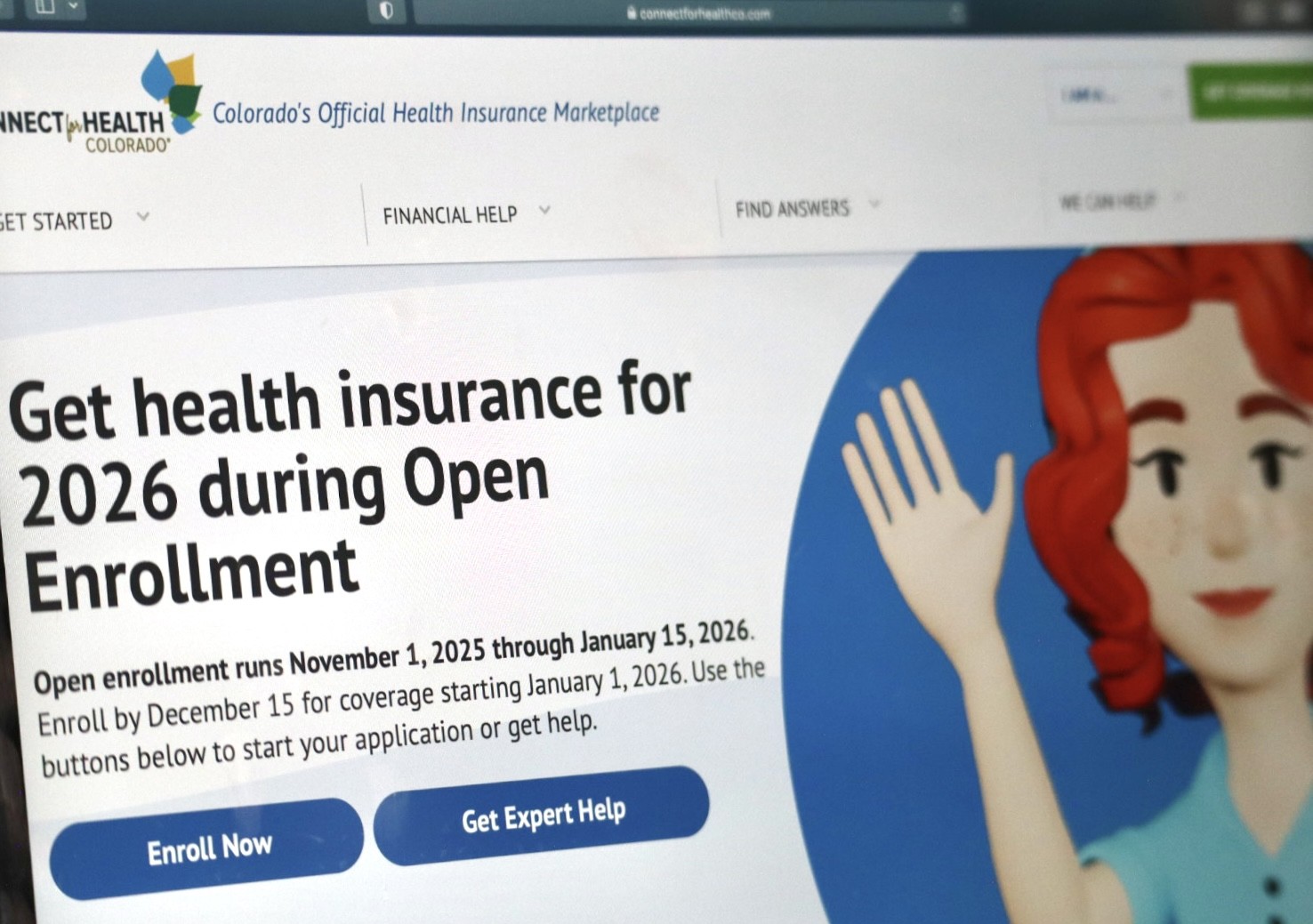
For the 2027 plan year, the Open Enrollment Period for health insurance through the federal Marketplace begins on November 1, 2026, and concludes on January 15, 2027. To ensure your coverage starts on January 1, 2027, you must complete...
For the 2027 plan year, the Open Enrollment Period for health insurance through the federal Marketplace begins on November 1, 2026, and concludes on January 15, 2027. To ensure your coverage starts on January 1, 2027, you must complete your plan selection and enrollment by the December 15, 2026 deadline.
Contents
The Open Enrollment Period (OEP) is the primary time of year when individuals and families can sign up for, switch, or cancel health insurance plans through the Health Insurance Marketplace. Established under the Affordable Care Act (ACA), this window is critical because, outside of this timeframe, you generally cannot purchase a Marketplace plan unless you qualify for a Special Enrollment Period due to a major life event. As we navigate the 2026 enrollment cycle, understanding the specific mechanics of these deadlines is essential for maintaining continuous, affordable coverage.
Understanding the 2026-2027 Open Enrollment Timeline
The federal government, through the Centers for Medicare & Medicaid Services (CMS), sets the standard dates for states using the federal platform (HealthCare.gov). While these dates are consistent for the majority of the United States, the specific day you enroll dictates when your medical benefits actually begin.
Key Deadlines for 2027 Coverage
- November 1, 2026: Open Enrollment officially begins. This is the first day you can submit a new application or update your existing application for the 2027 plan year.
- December 15, 2026: The most important deadline for those seeking uninterrupted coverage. Plans selected by this date begin on January 1, 2027.
- January 15, 2027: The final day of Open Enrollment. Plans selected between December 16 and January 15 typically become effective on February 1, 2027.
If you miss the January 15 deadline, you may be locked out of Marketplace coverage for the remainder of 2027, unless you experience a Qualifying Life Event (QLE). It is also important to note that if you are currently enrolled in a 2026 plan, you may be "auto-enrolled" into the same or a similar plan for 2027 if you take no action. However, relying on auto-enrollment is often discouraged by experts because plan benefits, provider networks, and premium subsidies change annually.
State-Based Marketplace Variations
While many states use the federal HealthCare.gov portal, several states operate their own state-based exchanges (SBEs). These states have the authority to extend their Open Enrollment windows beyond the federal January 15 deadline. If you live in a state like California, New York, or New Jersey, you may have additional time to secure coverage.
| State/Platform | Open Enrollment Start | Enrollment Deadline | Coverage Start Date |
|---|---|---|---|
| Federal Marketplace (HealthCare.gov) | Nov 1, 2026 | Jan 15, 2027 | Jan 1 or Feb 1 |
| California (Covered California) | Nov 1, 2026 | Jan 31, 2027 (Typical) | Varies by date |
| New York (NY State of Health) | Nov 1, 2026 | Jan 31, 2027 (Typical) | Varies by date |
| Massachusetts (Health Connector) | Nov 1, 2026 | Jan 23, 2027 (Typical) | Varies by date |
| New Jersey (Get Covered NJ) | Nov 1, 2026 | Jan 31, 2027 (Typical) | Varies by date |
Note: Residents in state-based exchanges should verify specific local deadlines at their state’s official health insurance portal, as these dates are subject to annual legislative or administrative adjustments.
Eligibility and Documentation: What You Need to Apply
To participate in the Marketplace, you must live in the United States, be a U.S. citizen or national (or be lawfully present), and not be incarcerated. Most importantly, you cannot be eligible for or enrolled in Medicare.
When the 2026 enrollment window opens, having your documentation ready will prevent processing delays. The Marketplace uses your "Expected Household Income" for 2027 to determine your eligibility for Premium Tax Credits and Cost-Sharing Reductions (CSRs).
Required Information Checklist:
- Personal Details: Social Security Numbers (SSNs) for everyone in your household.
- Income Verification: W-2s, pay stubs, or tax returns. You must estimate your 2027 income as accurately as possible.
- Current Coverage Info: Policy numbers for any current health insurance.
- Employer Information: If your employer offers coverage, you may need to provide the "Employer Coverage Tool" form to see if that coverage is considered "affordable" under ACA standards.
Choosing the Right Metal Tier
Marketplace plans are categorized into four "metal" tiers: Bronze, Silver, Gold, and Platinum. These categories do not describe the quality of care, but rather how you and the insurance company share costs.
- Bronze Plans: These have the lowest monthly premiums but the highest out-of-pocket costs when you receive care. They are often suitable for healthy individuals who want protection against "worst-case" scenarios.
- Silver Plans: These represent the "benchmark" for subsidies. If you qualify for Cost-Sharing Reductions, you must choose a Silver plan to receive those extra savings on deductibles and copayments.
- Gold & Platinum Plans: These have higher monthly premiums but much lower deductibles and out-of-pocket costs. They are generally better for individuals who have chronic conditions or anticipate frequent doctor visits in 2027.
Special Enrollment Periods (SEP)
If you miss the January 15, 2027 deadline, you cannot enroll in a Marketplace plan until the next Open Enrollment cycle (late 2027) unless you qualify for a Special Enrollment Period. An SEP is typically a 60-day window triggered by a "Qualifying Life Event."
Common Qualifying Life Events include:
- Loss of Qualifying Health Coverage: This includes losing job-based insurance, graduating from a student plan, or losing Medicaid/CHIP eligibility.
- Household Changes: Getting married, having a baby, adopting a child, or a death in the family that affects coverage eligibility.
- Residence Changes: Moving to a new zip code or county that offers different plan options.
- Status Changes: Gaining citizenship or being released from incarceration.
It is a common mistake to assume that voluntarily dropping a plan or being terminated for non-payment of premiums counts as a loss of coverage; it does not. You must have a legitimate, involuntary loss of coverage to trigger an SEP.
Common Mistakes to Avoid During Open Enrollment
- Missing the December 15 Cutoff: Many people wait until January to enroll, only to realize their coverage won't start until February. This creates a one-month gap in coverage that could be financially devastating in the event of an accident.
- Underestimating Income: If you report an income that is too low to get higher subsidies, you may have to pay that money back to the IRS when you file your 2027 taxes in 2028.
- Ignoring Network Changes: Doctors and hospitals frequently move in and out of insurance networks. Always use the Marketplace "Find a Provider" tool to verify that your preferred physicians are still in-network for the 2027 plan year.
- Not Shopping Around: Even if you like your current 2026 plan, new insurers enter the market every year. You might find a plan with similar benefits and a lower premium by performing a fresh comparison.
Summary of Next Steps
As November 1, 2026 approaches, your first action should be to create or update your account on HealthCare.gov or your state's specific exchange. Use the weeks leading up to the deadline to gather your financial records and review any changes to your current policy's "Summary of Benefits and Coverage." By making a selection before December 15, you ensure that your healthcare needs are fully protected from the first day of the new year.
Frequently Asked Questions
What happens if I miss the Open Enrollment deadline?
If you miss the January 15, 2027 deadline, you must wait until the next Open Enrollment period in November 2027 for 2028 coverage, unless you qualify for a Special Enrollment Period (SEP) due to a life event like marriage, moving, or losing other health coverage. Some low-income individuals may also qualify for year-round enrollment depending on current federal regulations.
Can I change my plan after I’ve already enrolled?
Yes, but only during the Open Enrollment window. For example, if you enroll in a plan on November 15, you can change to a different plan any time until the January 15 deadline. Once the OEP closes, your choice is generally locked in for the entire calendar year.
Is the Marketplace the same as "Obamacare"?
Yes. The Health Insurance Marketplace was created by the Patient Protection and Affordable Care Act (ACA), often referred to as "Obamacare." It is the official platform for purchasing subsidized private health insurance.
How do I know if I qualify for a subsidy?
Subsidies, or Premium Tax Credits, are based on your modified adjusted gross income (MAGI) and household size. During the application process, the Marketplace will automatically calculate your eligibility. In 2026, many of the expanded subsidies from the Inflation Reduction Act remain a factor in making plans more affordable for middle-income earners.
Do I need to re-apply if I want to keep my current plan?
While you may be auto-enrolled, it is highly recommended to update your application. Your income, family size, or the prices of other plans in your area could change your subsidy amount. Updating your application ensures you receive the maximum financial assistance for which you are eligible.
Are there any penalties for not having health insurance in 2026?
At the federal level, the individual mandate penalty was reduced to $0 in 2019. However, several states—including California, Massachusetts, New Jersey, Rhode Island, and the District of Columbia—have their own state-level mandates and may impose a tax penalty if you do not have qualifying health coverage.
Image Gallery