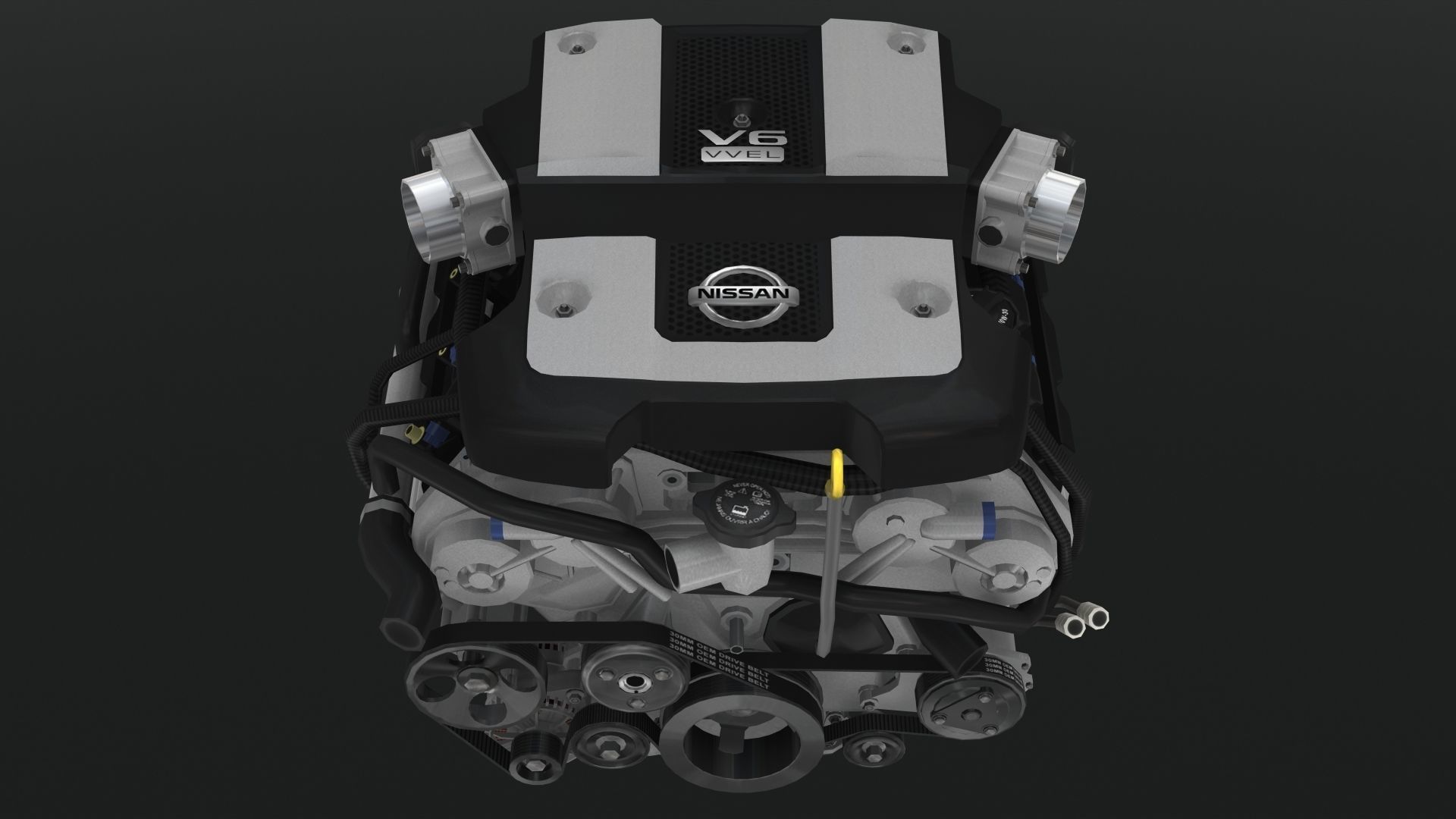
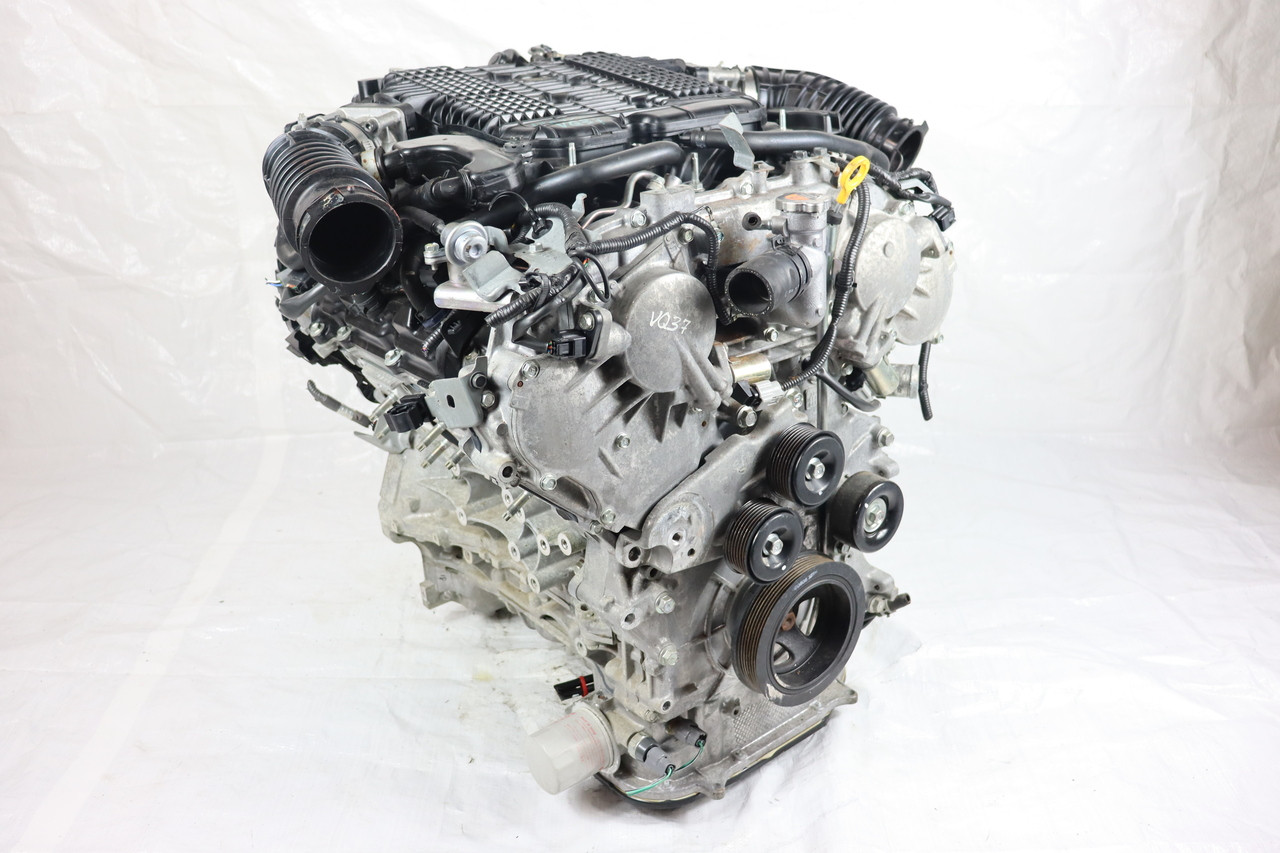
The VQ37VHR V6: Understanding the Heart of the Nissan 370Z
The Nissan 370Z is powered exclusively by the VQ37VHR, a 3.7-liter naturally aspirated V6 engine. Although the 370Z was officially succeeded by the new Nissan Z (RZ34) platform, the VQ37VHR remains the definitive powerplant for the 370...
The Nissan 370Z is powered exclusively by the VQ37VHR, a 3.7-liter naturally aspirated V6 engine. Although the 370Z was officially succeeded by the new Nissan Z (RZ34) platform, the VQ37VHR remains the definitive powerplant for the 370Z lineage, delivering between 332 and 350 horsepower depending on the specific trim and tuning.
Contents
The Nissan 370Z (Z34) enjoyed one of the longest production runs in modern sports car history, spanning from its debut in 2009 through the early 2020s. Even as we look back from 2026, the VQ37VHR engine stands as a benchmark for naturally aspirated performance. This engine was not merely a displacement increase over its predecessor, the VQ35HR; it was a sophisticated evolution that introduced Variable Valve Event and Lift (VVEL) technology to the Z-car platform. For enthusiasts researching the 370Z in 2024 and beyond, understanding this engine is critical to evaluating the car’s performance, reliability, and tuning potential.
Technical Specifications of the VQ37VHR
The "VQ37VHR" designation follows Nissan’s specific naming convention: VQ is the engine family, 37 denotes the 3.7-liter displacement, V stands for the VVEL system, and HR signifies "High Response" or "High Revolution." This engine was designed to provide a broad powerband and a high redline, reaching 7,500 RPM, which was impressive for a mass-produced V6 at its time of release.
Structurally, the engine features an aluminum-alloy block and heads, which helps manage weight and heat dissipation. It utilizes a Double Overhead Cam (DOHC) design with four valves per cylinder. The compression ratio is a relatively high 11.0:1, necessitating the use of premium unleaded fuel to prevent detonation and maximize the efficiency of the ignition timing.
Power and Torque Output
While the core architecture remained the same throughout the 370Z's lifespan, the power output varied slightly based on the model.
- Standard 370Z: Produced 332 horsepower at 7,000 RPM and 270 lb-ft of torque at 5,200 RPM.
- 370Z NISMO: Thanks to a revised Electronic Control Unit (ECU) calibration and a specialized H-configured exhaust system, the NISMO variant produced 350 horsepower and 276 lb-ft of torque.
The delivery of this power is linear, a hallmark of naturally aspirated engines. Unlike the turbocharged VR30DDTT found in the newer Nissan Z, the VQ37VHR requires the driver to work through the gears to reach the upper echelons of the RPM range where the engine truly shines.
The Role of VVEL (Variable Valve Event and Lift)
One of the most significant technical achievements of the VQ37VHR is the Variable Valve Event and Lift (VVEL) system. In a traditional engine, the throttle butterfly valve regulates the amount of air entering the intake manifold. VVEL changes this dynamic by allowing the intake valves to handle the throttling duties directly.
By continuously varying the intake valve lift and event timing, the VVEL system improves fuel efficiency, reduces CO2 emissions, and significantly sharpens throttle response. Because the air intake is controlled at the cylinder head rather than at a distant throttle body, the delay in engine response is minimized. At low loads, the valves open only slightly, reducing pumping losses. Under full acceleration, the valves open to their maximum extent, allowing the engine to breathe as deeply as possible. This technology was a direct competitor to BMW's Valvetronic system and remains a key reason why the 370Z feels so "mechanical" and responsive to driver input.
VQ37VHR vs. VR30DDTT: A Generational Shift
As of 2026, the automotive landscape has shifted heavily toward forced induction. The transition from the 370Z's VQ37VHR to the new Nissan Z's VR30DDTT (a 3.0-liter twin-turbo V6) represents a major change in philosophy.
| Feature | VQ37VHR (370Z) | VR30DDTT (New Z) |
|---|---|---|
| Aspiration | Naturally Aspirated | Twin-Turbocharged |
| Displacement | 3.7 Liters | 3.0 Liters |
| Horsepower | 332–350 hp | 400 hp |
| Torque | 270–276 lb-ft | 350 lb-ft |
| Redline | 7,500 RPM | 7,000 RPM |
| Valve Tech | VVEL | VVT (Variable Valve Timing) |
| Fuel Delivery | Multi-Port Injection | Direct Injection |
The VQ37VHR is often preferred by purists who value the immediate throttle response and the distinct, metallic exhaust note that turbochargers tend to muffle. However, the VR30DDTT offers significantly more torque at lower RPMs, making the newer car feel much faster in daily driving conditions. For those looking at the 370Z in 2024 or 2026 as a project car, the VQ37VHR offers a "raw" experience that is becoming increasingly rare.
Reliability and Common Maintenance Concerns
The VQ engine family is renowned for its durability, often capable of exceeding 200,000 miles with proper care. However, the VQ37VHR has a few specific areas that owners and prospective buyers should monitor.
Oil Gallery Gaskets
In 370Z models produced between 2009 and 2011, the internal oil gallery gaskets were made of a paper-like material that could fail over time. When these gaskets blow out, oil pressure drops, which can lead to catastrophic engine failure if not caught immediately. Nissan updated these to metal-backed gaskets in 2012. For anyone purchasing a pre-2012 370Z, verifying if these gaskets have been replaced is a top priority.
Concentric Slave Cylinder (CSC)
While not strictly an engine component, the CSC on the 6-speed manual transmission models is a well-known weak point. The factory unit is plastic and can fail due to heat soak, leaving the clutch pedal stuck to the floor. Many owners opt for a "CSC Delete" kit or an aftermarket heavy-duty slave cylinder to resolve this permanently.
Oil Consumption and Cooling
While less prevalent than in the older VQ35DE engines, some VQ37VHR units can consume oil, especially if driven hard. Additionally, for those who take their 370Z to the track, an external oil cooler is considered a mandatory upgrade. The VQ37VHR runs notoriously hot, and the factory "oil warmer" (a heat exchanger) is often insufficient for sustained high-RPM use.
Tuning and Aftermarket Support
The VQ37VHR is one of the most supported engines in the aftermarket. Because the engine was used in both the 370Z and various Infiniti models (G37, Q50, Q60), the development of performance parts has been extensive.
- Bolt-ons: Long-tube headers, cold air intakes (specifically 3-inch systems), and a high-quality cat-back exhaust are the standard path to increasing power. With a proper tune (using platforms like EcuTek or Uprev), these modifications can push a standard 370Z to approximately 310–330 wheel horsepower.
- Forced Induction: For those seeking more power, the VQ37VHR handles boost remarkably well on stock internals. Centrifugal supercharger kits and twin-turbo kits can easily push the engine to 500+ wheel horsepower, though this requires supporting mods like upgraded fuel injectors and a robust cooling system.
- VVEL Tuning: Advanced tuners can now manipulate the VVEL mapping to improve mid-range torque, further refining the engine's power delivery.
Frequently Asked Questions
Does the 2024 Nissan Z use the VQ37VHR engine?
No. The 2024 Nissan Z (the RZ34 model) uses the VR30DDTT, which is a 3.0-liter twin-turbocharged V6. The VQ37VHR was retired from the Z-car lineup when 370Z production ceased, though it remains a popular engine in the used and enthusiast markets.
Is the VQ37VHR a "True" NISMO engine?
The NISMO 370Z uses the same VQ37VHR block and internals as the base model. The 18-horsepower increase in the NISMO version comes from an optimized ECU tune and a less restrictive exhaust system. There are no internal mechanical differences (such as different pistons or cams) between the standard and NISMO engines.
What is the recommended oil for the VQ37VHR?
Nissan officially recommends 5W-30 conventional or synthetic oil. However, many enthusiasts and mechanics recommend high-quality full synthetic oil, especially for the VVEL system, which relies on oil pressure and cleanliness to function precisely. If the vehicle is tracked, moving to a 5W-40 or adding a specialized oil cooler is common practice.
Does the VQ37VHR have a timing belt or chain?
The VQ37VHR uses a timing chain. Unlike timing belts, the chain is designed to last the life of the engine. However, the plastic chain guides and tensioners should be inspected if the engine develops a "rattle" sound, particularly on high-mileage examples.
Can the VQ37VHR run on 87 octane fuel?
It is highly discouraged. The VQ37VHR has a high compression ratio (11.0:1) and is tuned specifically for 91 or 93 octane premium fuel. Using lower octane fuel can cause the knock sensors to retard timing, significantly reducing power and potentially causing long-term engine damage through pre-ignition.
Final Considerations for Owners and Buyers
As we progress through 2026, the Nissan 370Z and its VQ37VHR engine have transitioned from "current performance" to "modern classic" status. For those who prioritize a raw, high-revving, naturally aspirated experience, the VQ37VHR is one of the last of its kind. When purchasing one, focus on models produced from 2012 onwards to avoid the early oil gallery gasket issues, and always check for a consistent maintenance history regarding oil changes. Whether kept stock for its reliability or modified for the track, the VQ37VHR remains a legendary piece of Japanese engineering.
Image Gallery