Understanding the Florida Auto Sales Tax Rate in 2026
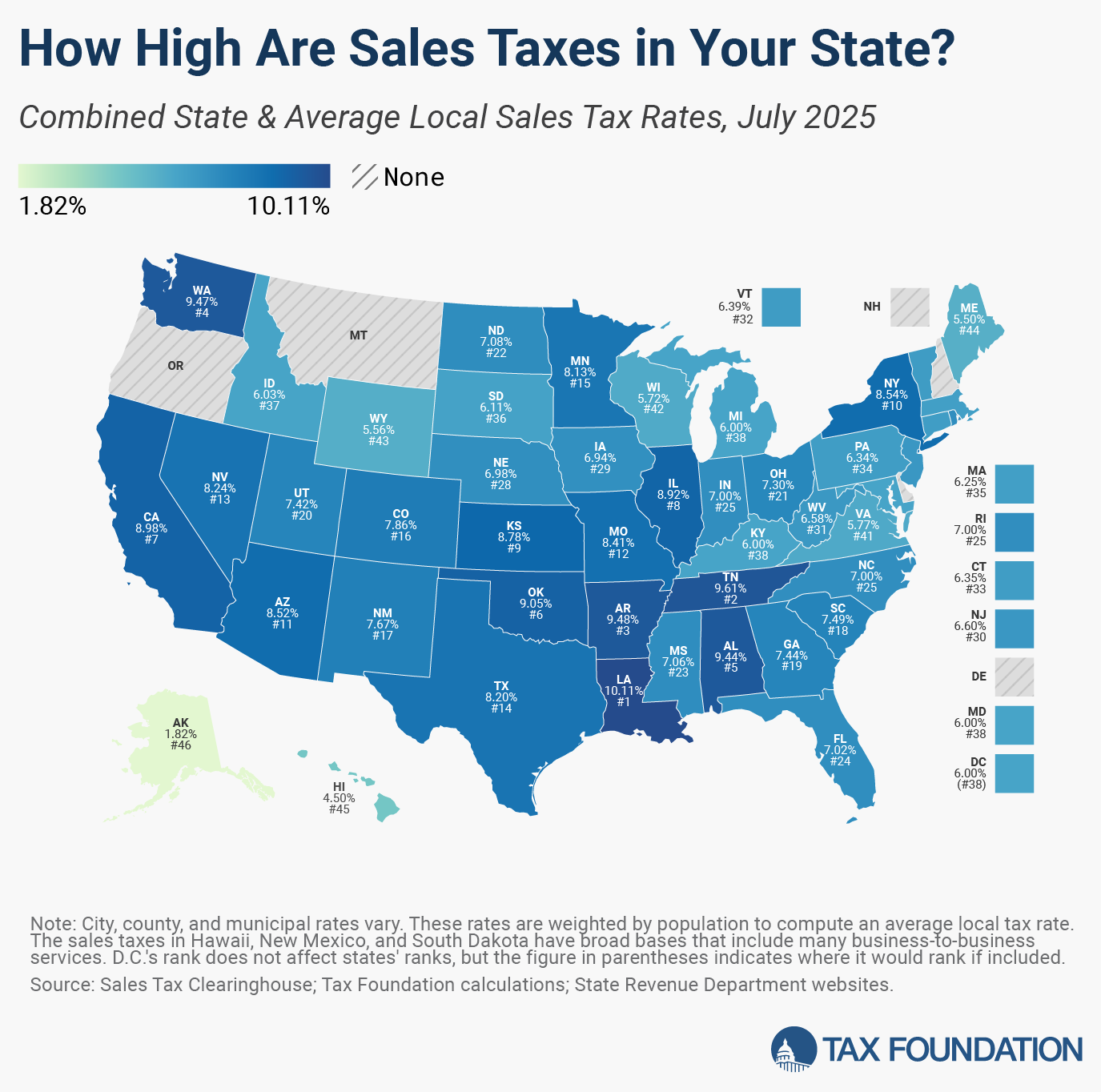
In 2026, the Florida base auto sales tax rate is 6% statewide. Most counties also impose a discretionary sales surtax ranging from 0.5% to 1.5%. Crucially, the local surtax only applies to the first $5,000 of the vehicle's purchase pri...
In 2026, the Florida base auto sales tax rate is 6% statewide. Most counties also impose a discretionary sales surtax ranging from 0.5% to 1.5%. Crucially, the local surtax only applies to the first $5,000 of the vehicle's purchase price, while the base 6% applies to the total amount.
Contents
Determining the exact cost of a vehicle in Florida requires looking beyond the sticker price. While the state’s 6% sales tax is a constant, the final amount you owe depends on your county of residence, the value of any trade-in vehicle, and specific exemptions provided by Florida law. Navigating these regulations is essential for both buyers and sellers to ensure legal compliance and accurate financial planning.
The Dual Components of Florida Vehicle Taxation
Florida’s approach to vehicle sales tax is bifurcated, consisting of a fixed state rate and a variable local rate. This structure ensures that while the state maintains a consistent revenue stream for infrastructure and public services, individual counties have the autonomy to fund local projects through additional surtaxes.
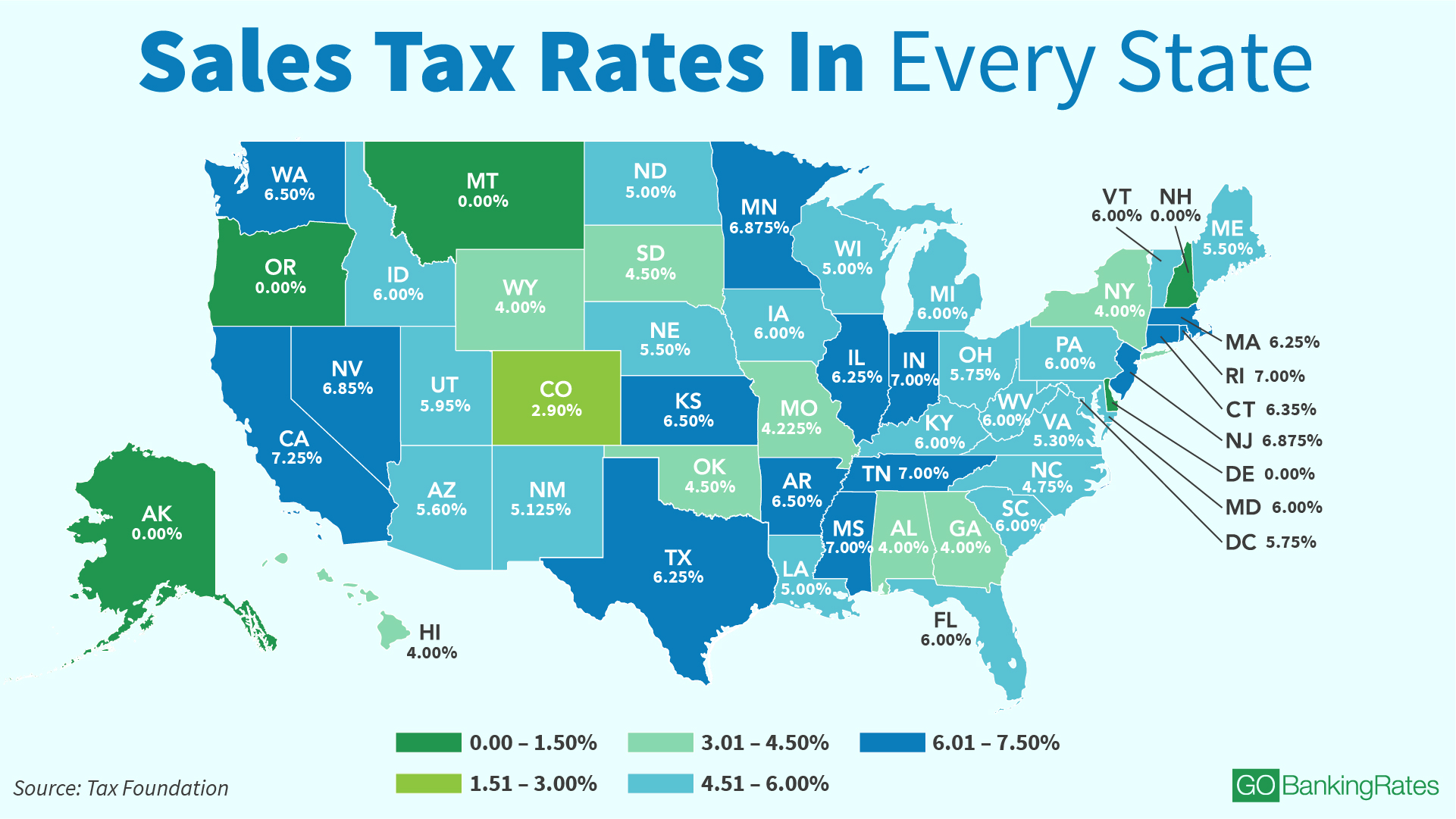
The 6% Statewide Base Rate
The Florida Department of Revenue mandates a uniform 6% sales tax on the sale or lease of most motor vehicles. This rate is applied to the "sales price," which is generally defined as the total amount paid for the vehicle, including any dealer fees or accessories added at the time of sale. Unlike some states that may offer lower rates for vehicles compared to general consumer goods, Florida treats auto sales under its standard sales and use tax statutes.
Discretionary Sales Surtax (The County Tax)
In addition to the state rate, most Florida counties exercise their right to impose a discretionary sales surtax. As of 2026, these local rates typically fluctuate between 0.5% and 1.5%. A critical nuance for car buyers is the $5,000 cap. By Florida statute, the discretionary surtax is only assessed on the first $5,000 of the purchase price. For any amount exceeding $5,000, only the 6% state tax applies.
For example, if you reside in a county with a 1% surtax and purchase a car for $30,000, your tax calculation would look like this:
- State Tax: 6% of $30,000 = $1,800
- County Surtax: 1% of $5,000 = $50
- Total Sales Tax: $1,850
This cap makes the local surtax a relatively minor factor for high-end luxury vehicles or heavy-duty trucks, as the maximum local tax impact is often limited to $25 to $75 depending on the specific county rate.
The Impact of Trade-In Credits on Sales Tax
One of the most significant ways to reduce your sales tax liability in Florida is through a vehicle trade-in. Florida is a "net price" state, meaning that the value of your trade-in vehicle is deducted from the purchase price of the new vehicle before the sales tax is calculated.
How Trade-In Math Works
When you trade in a vehicle at a dealership, the dealer applies the agreed-upon value of your old car against the cost of the new one. This is not just a down payment; it is a legal reduction of the taxable base. If you are purchasing a vehicle for $40,000 and your trade-in is valued at $15,000, you are only taxed on the $25,000 difference.
This "trade-in credit" provides a distinct financial advantage to trading a vehicle rather than selling it privately. If you were to sell your car privately for $15,000 and then use that cash as a down payment, you would still owe tax on the full $40,000 purchase price. In a 7% total tax environment, the trade-in could save you over $1,000 in taxes alone.
Limitations on Trade-In Credits
To qualify for this tax reduction, the trade-in must occur as part of a single transaction with a licensed dealer. You cannot sell a car to one person and then claim that value against a purchase from a different dealer later. Additionally, the trade-in must be an actual "motor vehicle" as defined by Florida law; you generally cannot trade in non-vehicle items (like jewelry or electronics) to reduce your auto sales tax.
Private Party Sales and Tax Collection
A common misconception is that purchasing a vehicle from a private individual—such as a neighbor or through an online marketplace—allows the buyer to avoid sales tax. In Florida, this is not the case. While the private seller does not collect the tax at the time of the hand-off, the tax must be paid when the buyer registers the vehicle and transfers the title.
Reporting the Purchase Price
When you visit the Florida Highway Safety and Motor Vehicles (FLHSMV) office or a local tax collector's office to transfer the title, you must declare the purchase price. The state will then calculate the 6% state tax plus your local county surtax based on that amount. If the purchase price appears suspiciously low (well below fair market value), the Department of Revenue may investigate or require an affidavit from both the buyer and seller explaining the low price (e.g., if the car has a blown engine or significant damage).
Documentation Requirements
For a private sale, you should always obtain a bill of sale that clearly states the purchase price, date, and vehicle identification number (VIN). This document serves as the basis for your tax assessment. Providing inaccurate information regarding the purchase price to avoid taxes is a third-degree felony in Florida.
Buying a Vehicle Out-of-State
Florida residents who purchase a vehicle in another state and bring it back to Florida are still subject to Florida's sales and use tax. However, Florida provides a credit for sales tax legally paid to another state.
Reciprocity Rules
If you buy a car in a state with a 4% sales tax and pay that tax at the time of purchase, Florida will credit that 4% against what you owe. When you register the car in Florida, you will be required to pay the remaining 2% state tax plus any applicable county surtax.
If the state where you purchased the vehicle has a sales tax rate equal to or higher than Florida’s total rate (e.g., 7% or 8%), you generally will not owe additional sales tax to Florida upon registration. You must, however, provide proof of the tax paid in the form of a dealer invoice or receipt.
Temporary Plates and Transport
Some states allow Florida residents to purchase a vehicle and drive it home using a temporary transport tag. In these instances, the dealer may collect the Florida tax rate directly and remit it to Florida, or you may be required to pay the full amount when you arrive back in your home county. It is vital to clarify with the out-of-state dealer how they handle "export" sales to Florida residents.
Exemptions and Special Circumstances
Not every vehicle transaction in Florida is subject to the standard sales tax rules. The state provides several exemptions based on the identity of the buyer or the nature of the transfer.
| Exemption Category | Qualification Criteria | Tax Impact |
|---|---|---|
| Gifts | Transfer between individuals with no money exchanged | $0 (Requires affidavit) |
| Military Personnel | Active-duty members stationed outside FL but residents | May be exempt in certain states |
| Inheritance | Transfer of title via a will or probate | Exempt from sales tax |
| Out-of-State Residents | Non-residents purchasing in FL for use elsewhere | May qualify for partial exemption |
| Lemon Law | Replacement vehicles provided by manufacturers | Tax credit for original tax paid |
Transfers Between Family Members
In Florida, "gifting" a vehicle to a family member is a common way to transfer ownership without triggering a sales tax event. For the transaction to be considered a gift, no money, services, or items of value can be exchanged. Both the donor and the recipient must sign an affidavit attesting that the transfer is a gift. If there is an outstanding lien on the vehicle that the new owner assumes, sales tax may be due on the remaining loan balance.
Military Exemptions
Active-duty military members who are Florida residents but are stationed outside the state may be exempt from Florida sales tax if they purchase and title a vehicle in their stationed state. However, if they bring that vehicle back to Florida within six months of purchase, the state may still seek to collect "use tax" unless specific criteria regarding the length of ownership and usage outside of Florida are met.
Summary of Tax Rates and Local Surtaxes (2026)
Because the local surtax is capped at the first $5,000, the effective tax rate for most modern vehicle purchases is very close to 6%. The table below illustrates how the surtax impacts the final cost across different price points in a county with a 1% surtax.
| Purchase Price | 6% State Tax | 1% Surtax (Capped) | Total Tax Due | Effective Tax Rate |
|---|---|---|---|---|
| $4,000 | $240 | $40 | $280 | 7.00% |
| $5,000 | $300 | $50 | $350 | 7.00% |
| $15,000 | $900 | $50 | $950 | 6.33% |
| $30,000 | $1,800 | $50 | $1,850 | 6.17% |
| $60,000 | $3,600 | $50 | $3,650 | 6.08% |
Note: Surtax rates vary by county. While most are 1%, some rural counties may be 0%, and some urban centers may reach 1.5%.
Frequently Asked Questions
Do I have to pay sales tax on a car I won in a contest?
Yes. If you win a vehicle in a raffle or contest, the prize is generally considered taxable income by the IRS, and the state of Florida views the transfer as a taxable event. The tax is typically calculated based on the fair market value of the vehicle at the time it is awarded. In many cases, the organization running the contest will require the winner to pay the sales tax and registration fees before taking delivery of the vehicle.
How is sales tax calculated on a vehicle lease?
Leasing a vehicle changes the way tax is collected. Instead of paying the full tax upfront on the entire value of the car, Florida sales tax is applied to each monthly lease payment. If your lease payment is $400 and you live in a county with a 7% total tax rate, you will pay $28 in sales tax every month. If you choose to buy out the lease at the end of the term, you will owe sales tax on the residual purchase price at that time.
What happens if I move to Florida with a car I already own?
If you have owned your vehicle for six months or longer before moving to Florida, you generally do not owe sales tax or use tax when you register it in the state. However, you must provide proof of ownership and show that the vehicle was registered in your previous state. If you purchased the vehicle less than six months before moving, Florida may assess a use tax (the difference between what you paid in your previous state and Florida's 6% rate).
Are dealer fees taxable in Florida?
Yes. Any fees that the dealer requires as a condition of the sale, such as doc fees, electronic filing fees, or dealer preparation fees, are considered part of the taxable sales price. Only government-mandated fees, such as the actual cost of the license plate or the title transfer fee, are excluded from the sales tax calculation.
Can I get a refund on sales tax if I return a "Lemon"?
Under the Florida Lemon Law, if a manufacturer replaces your defective vehicle or provides a refund, you are entitled to a credit or refund of the sales tax paid. If the manufacturer provides a replacement vehicle, the tax you paid on the original "lemon" is credited toward the new vehicle. If you receive a cash refund, the manufacturer typically refunds the sales tax amount as part of the settlement, which they then recover from the Florida Department of Revenue.
Practical Recommendation for Buyers
Before heading to a dealership or meeting a private seller, verify your county's specific surtax rate through the Florida Department of Revenue's annual "Discretionary Sales Surtax" publication. If you are trading in a vehicle, ensure the dealer provides a written breakdown showing the trade-in value deducted from the taxable subtotal. For private purchases, always use a formal Bill of Sale and be prepared to pay the tax via certified funds or credit card at the tax collector’s office. Taking these steps ensures that you are not surprised by additional costs and that your vehicle registration process proceeds without legal delays.
Image Gallery