Why Did My Term Life Insurance Go Up So Much? Causes and Solutions for 2026
If your term life insurance premium suddenly increased, the most common reason is the expiration of your initial "level-term" period. Once this period ends, the policy often transitions to an "annually renewable" rate, which spikes sig...
If your term life insurance premium suddenly increased, the most common reason is the expiration of your initial "level-term" period. Once this period ends, the policy often transitions to an "annually renewable" rate, which spikes significantly based on your current age and the insurer’s increased risk.
Contents
Term life insurance is designed to provide affordable coverage for a specific window of time, typically 10, 20, or 30 years. During this timeframe, your premiums remain "level," meaning they stay exactly the same every month. However, once that initial contract expires, the financial landscape of the policy shifts dramatically. In 2026, many policyholders are finding that the "cliff" at the end of their term is steeper than ever before due to shifting actuarial tables and changes in how insurance companies manage long-term risk.
Understanding why these costs have escalated requires a look at the mechanics of insurance contracts, the math of mortality risk, and the specific riders or clauses that may be hidden in your policy documents.
The Primary Culprit: The Expiration of the Level-Premium Period
The most frequent reason for a massive price hike is the end of the level-premium guarantee. When you first purchased your policy, the insurance company averaged out the cost of insuring you over the entire duration of the term. You essentially "overpaid" in the early years so that you could "underpay" in the later years of the term.
Once that term (e.g., 20 years) is over, that averaging ceases. If you choose to keep the policy without proving your health status again, the insurer moves you into an Annually Renewable Term (ART) structure. Under ART, the premium is calculated based on your attained age every single year. Because the statistical likelihood of death increases significantly as you enter your 50s, 60s, or 70s, the "pure cost of insurance" jumps. It is not uncommon for a premium to increase by 500% to 1,000% in the first year after the level period ends.
The "Step-Up" in Age Brackets and Actuarial Risk
Insurance companies use actuarial tables—complex mathematical models that predict life expectancy—to set rates. As of 2026, these tables have been updated to reflect recent public health data and longevity trends.
When you move from one age bracket to another (for example, from your 40s into your 50s), you enter a new risk category. If your policy has a "step-up" provision, the premium may increase at specific intervals. Furthermore, insurers in 2026 are increasingly sensitive to "mortality drag." This occurs when healthy individuals leave a policy pool (lapse) and only those with health issues stay (adverse selection). To compensate for the higher risk of those remaining in the pool, the insurer must raise rates for everyone in that specific group.
Changes in Health Status and Re-entry Underwriting
If you attempted to renew your policy or buy a new one and found the rates were "too much," your current health status is likely the cause. Term life insurance is highly dependent on your Underwriting Class. If you were "Preferred Best" twenty years ago but have since developed high blood pressure, type 2 diabetes, or a higher Body Mass Index (BMI), you may now be classified as "Standard" or "Substandard."
Some policies offer a feature called Re-entry Underwriting. This allows you to "re-apply" at the end of your term to get a lower rate than the ART rate. However, if you fail the medical exam or if your health has declined, the insurance company will deny the re-entry and keep you on the high-cost renewal schedule. In the current 2026 market, insurers have also become more stringent regarding respiratory health and cardiovascular history, which can further inflate premiums for those with pre-existing conditions.
Economic Factors: Inflation and Reinsurance Costs
While term life insurance is a private contract, it is not immune to the broader economy. Insurance companies do not hold all the risk themselves; they purchase reinsurance from larger global entities to protect their balance sheets.
In recent years leading up to 2026, reinsurance costs have risen globally due to increased claims and market volatility. When it costs your insurance company more to insure their own risk, those costs are eventually passed down to the consumer in the form of higher premiums for new policies or adjustments in adjustable-premium products. Additionally, if your policy includes an Inflation Rider or a Cost of Living Adjustment (COLA), your death benefit—and consequently your premium—may increase automatically each year to keep pace with the Consumer Price Index (CPI).
Understanding Policy Riders and Hidden Fees
Sometimes the increase isn't related to the core life insurance but to the "add-ons" or riders attached to the policy. Common riders that can cause cost fluctuations include:
- Waiver of Premium: This rider ensures your coverage continues if you become disabled. The cost of this rider often increases as you age because the statistical probability of disability rises.
- Child Term Riders: If you added coverage for your children, the cost may increase or the rider may expire, sometimes triggering administrative fee changes.
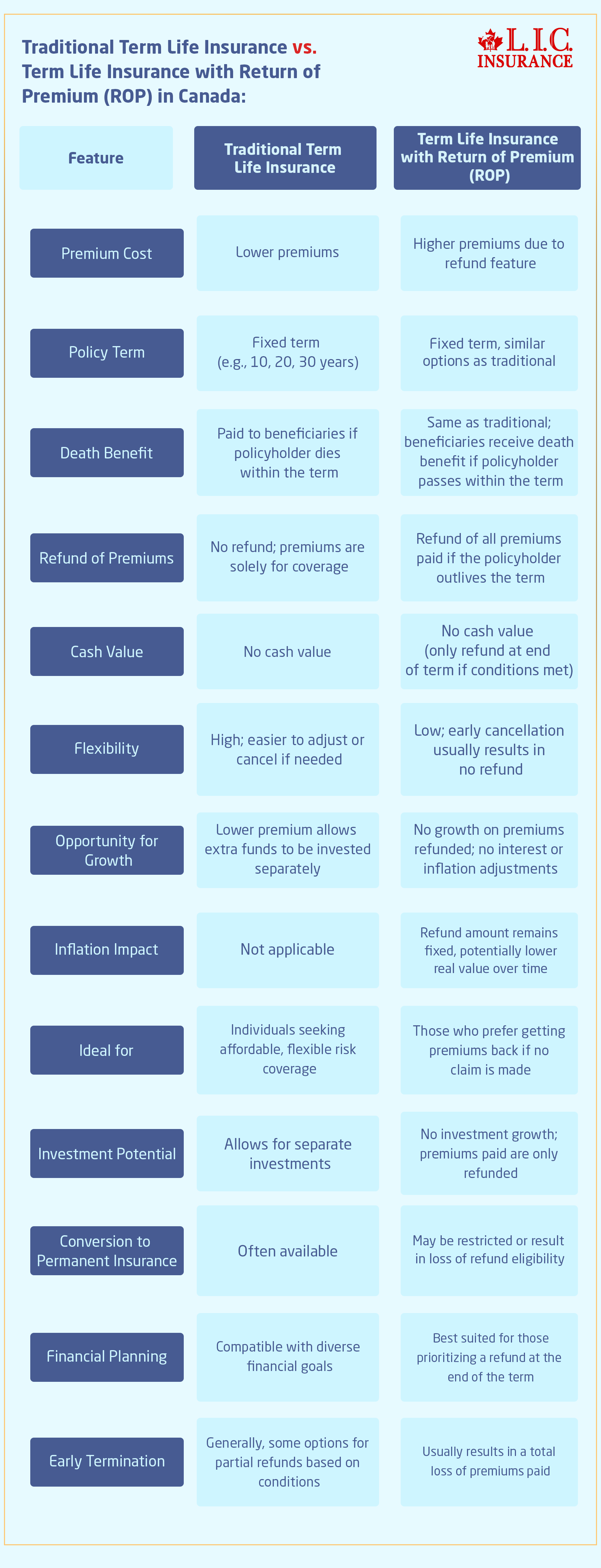
- Return of Premium (ROP): These policies are significantly more expensive than standard term life. If you have an ROP policy, you are paying a surcharge so that the insurer can return your premiums at the end of the term. If you modified this rider or the policy terms, the cost structure might shift.
Comparing Term Insurance Structures in 2026
To understand if your increase is "normal" or excessive, it helps to compare how different policy types handle cost over time.
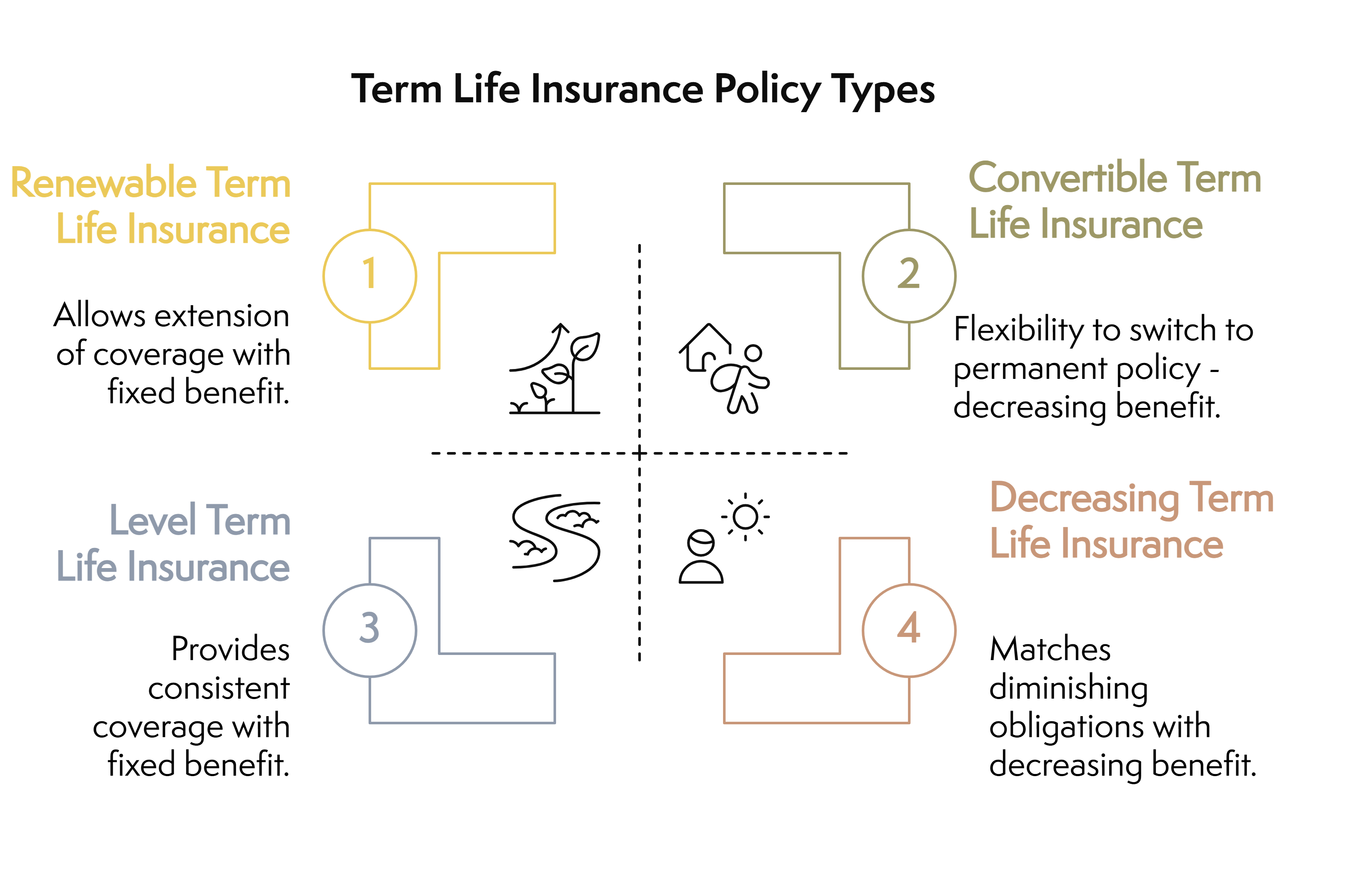
| Policy Type | Premium Stability | Long-Term Cost | Best For |
|---|---|---|---|
| Level Term (10-30 Years) | Guaranteed fixed for the term duration. | Lowest cost during the initial term; highest after expiration. | Families, mortgage protection, and income replacement. |
| Annually Renewable Term (ART) | Increases every year based on age. | Very expensive over long periods; no "locked-in" rate. | Short-term gaps in coverage (e.g., between jobs). |
| Decreasing Term | Premiums stay level, but the death benefit drops. | Moderate; costs stay same while value decreases. | Paying off a declining debt like a mortgage. |
| Convertible Term | Level during term; can be turned into Permanent Life. | High cost if converted; moderate during the term. | People who want the option for lifelong coverage later. |
Immediate Actions: What to Do If Your Rates Spike
If you have received a notice that your premiums are going up "too much," do not panic and let the policy lapse immediately. A lapse in coverage can leave your beneficiaries unprotected and may make it harder to get coverage elsewhere if your health has changed.
1. Review the "Schedule of Premiums"
Every life insurance policy contains a table (usually in the first few pages) that outlines exactly what the maximum premium will be for every year the policy is in force. Check this table to see if the increase matches the contract you signed. If the insurer is charging more than the "Guaranteed Maximum Premium" listed in your contract, you may have grounds for a formal complaint through your state's insurance department, such as the National Association of Insurance Commissioners (NAIC).
2. Check for Conversion Options
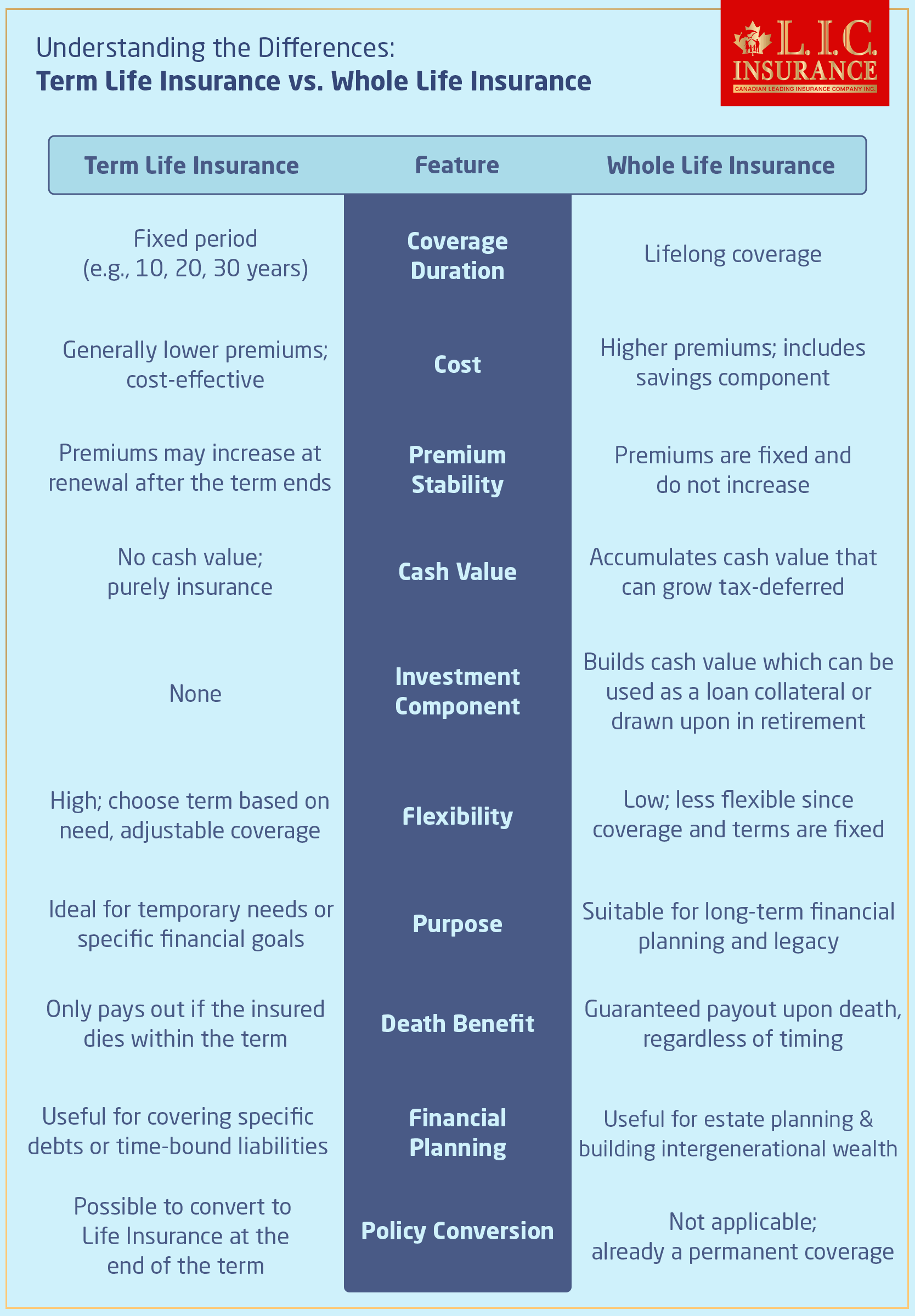
Many term policies have a Conversion Period. This allows you to turn your term policy into a permanent policy (like Whole Life or Universal Life) without a medical exam. While permanent insurance is more expensive than term, the premium for a converted policy might be lower than the "post-term" ART rate, and it would remain level for the rest of your life.
3. Shop for a New Term Policy
If you are still in relatively good health, the most cost-effective move is often to let the old policy expire and purchase a new 10-year or 20-year term policy. Even though you are older now, a new level-term policy is almost always cheaper than the "renewal" rate on an old policy. Consult an independent agent who can scan the 2026 market across multiple carriers.
4. Reduce the Death Benefit
If you do not need the full amount of coverage anymore—perhaps your mortgage is smaller or your children have graduated—you can ask the insurer to reduce the "face amount" of the policy. A lower death benefit will result in a lower premium, even if the rate per thousand dollars of coverage has gone up.
Frequently Asked Questions
Can an insurance company raise my rates whenever they want?
In a standard Level Term policy, the company cannot raise your rates during the initial term (e.g., the first 20 years). However, once that term ends, they are legally allowed to increase premiums up to the "Guaranteed Maximum" stated in your contract. Only "Indeterminant Premium" policies allow for mid-term increases, and these are less common in the current market.
Why is my "renewal" rate so much higher than a new policy?
Renewal rates are high because the insurance company assumes that only people who are "uninsurable" (too sick to get a new policy) will choose to renew. They price the renewal to cover the extreme risk of insuring someone who might be terminally ill or have serious chronic conditions.
Does my policy have a grace period if I can't afford the new rate?
Most states mandate a 30 or 31-day grace period. If you miss the first high-cost payment, the policy remains in force for about a month. This gives you a small window to secure new coverage before the old policy cancels.
Will my premium go down if I stop smoking or lose weight?
If you have a current term policy, your rates are usually locked in based on your status at the time of application. However, if you are applying for a new policy to replace an expensive renewal, improving your health can significantly lower your quoted rate. Some 2026 policies also offer "wellness credits" for using fitness trackers.
Is term life insurance still worth it if the rates eventually spike?
Yes. The goal of term life is to provide the most coverage for the least amount of money during your years of highest financial responsibility. The "spike" at the end is a contractual feature designed to encourage you to either end the coverage when it's no longer needed or transition to a permanent solution.
Practical Recommendation
The best way to handle a term life insurance increase is to audit your coverage needs 24 months before your term expires. Do not wait for the renewal notice to arrive in the mail, as that often leaves you with very little time to undergo a new medical exam if needed.
If your premium has already increased, contact an independent insurance broker immediately. Ask them to compare your "renewal rate" against a new 10-year "Short Term" policy or a "Guaranteed Issue" policy if your health has declined. In many cases, you can find a "laddered" approach where you take out a smaller new policy to cover your remaining debts, allowing you to let the expensive, older policy lapse without leaving your family vulnerable.
Image Gallery