Which Canadian City Has the Most Auto Insurance Agencies in 2026?
As of 2026, Toronto maintains its position as the Canadian city with the highest number of auto insurance agencies and brokerages. This dominance is driven by the city’s status as Canada’s financial capital, its massive population dens...
As of 2026, Toronto maintains its position as the Canadian city with the highest number of auto insurance agencies and brokerages. This dominance is driven by the city’s status as Canada’s financial capital, its massive population density, and the complex, competitive nature of the private insurance market in Ontario.
Contents
The landscape of Canadian auto insurance has undergone significant shifts leading into 2026. While digital transformation has streamlined how consumers interact with their policies, the physical presence of insurance agencies remains a cornerstone of the industry, particularly in urban centers where diverse populations and complex regulatory environments necessitate personalized advice. In 2026, the density of agencies is not merely a reflection of population but also a result of provincial regulatory frameworks and the specific economic climate of the region.
The Dominance of Toronto in the Insurance Sector
Toronto is the undisputed hub for insurance in Canada. With a municipal population exceeding 3 million and a Greater Toronto Area (GTA) population approaching 7 million in 2026, the sheer volume of drivers necessitates a massive infrastructure of intermediaries. Unlike provinces with government-run insurance schemes, Ontario operates on a private market system, which encourages the proliferation of independent brokerages and captive agencies representing specific carriers.
The Registered Insurance Brokers of Ontario (RIBO) and the Financial Services Regulatory Authority of Ontario (FSRA) oversee thousands of licensed professionals in the city. In 2026, Toronto's agency count is bolstered by several factors:
- Multiculturalism and Language Accessibility: Toronto’s status as a global city means that auto insurance agencies often specialize in serving specific linguistic or cultural communities. This creates a fragmented but highly dense network of small-to-medium-sized agencies across neighborhoods like North York, Scarborough, and Etobicoke.
- Corporate Head Offices: Most major Canadian insurance carriers—such as Intact, Aviva, and Desjardins—maintain their primary operations or significant regional hubs in the Financial District, which naturally attracts a high concentration of satellite agencies and high-volume brokerages.
- Complex Risk Profiles: Toronto's high traffic density and historical challenges with insurance fraud have made the market complex. Consumers frequently seek out agencies to navigate high premiums and find specialized "high-risk" coverage, sustaining the demand for physical agency locations.
Comparing Agency Density Across Major Canadian Cities
While Toronto leads in absolute numbers, other Canadian cities exhibit unique characteristics based on their provincial laws. The "agency" model differs significantly between private-market provinces like Alberta and Ontario and public-market provinces like British Columbia, Saskatchewan, and Manitoba.
Montreal and the Quebec Hybrid Model
Montreal holds the second-highest number of auto insurance agencies in 2026. The Quebec market is unique because of its hybrid system: the Société de l'assurance automobile du Québec (SAAQ) covers bodily injury, while private insurers cover property damage. This creates a high demand for private agencies to handle the "civil liability" portion of the insurance. The Autorité des marchés financiers (AMF) reports a stable number of "cabinets d'assurance" (insurance offices) in the Montreal metropolitan area, serving a population that values local, French-language service.
Calgary and Edmonton: The Competitive West
Alberta’s insurance market is entirely private and highly competitive. In 2026, Calgary has seen a surge in agency growth due to the city’s continued population expansion and the removal of certain premium caps that previously limited market entry. Calgary and Edmonton both feature a high concentration of agencies, often located in suburban "strip malls" to maximize accessibility for commuters.
Vancouver and the ICBC Broker Model
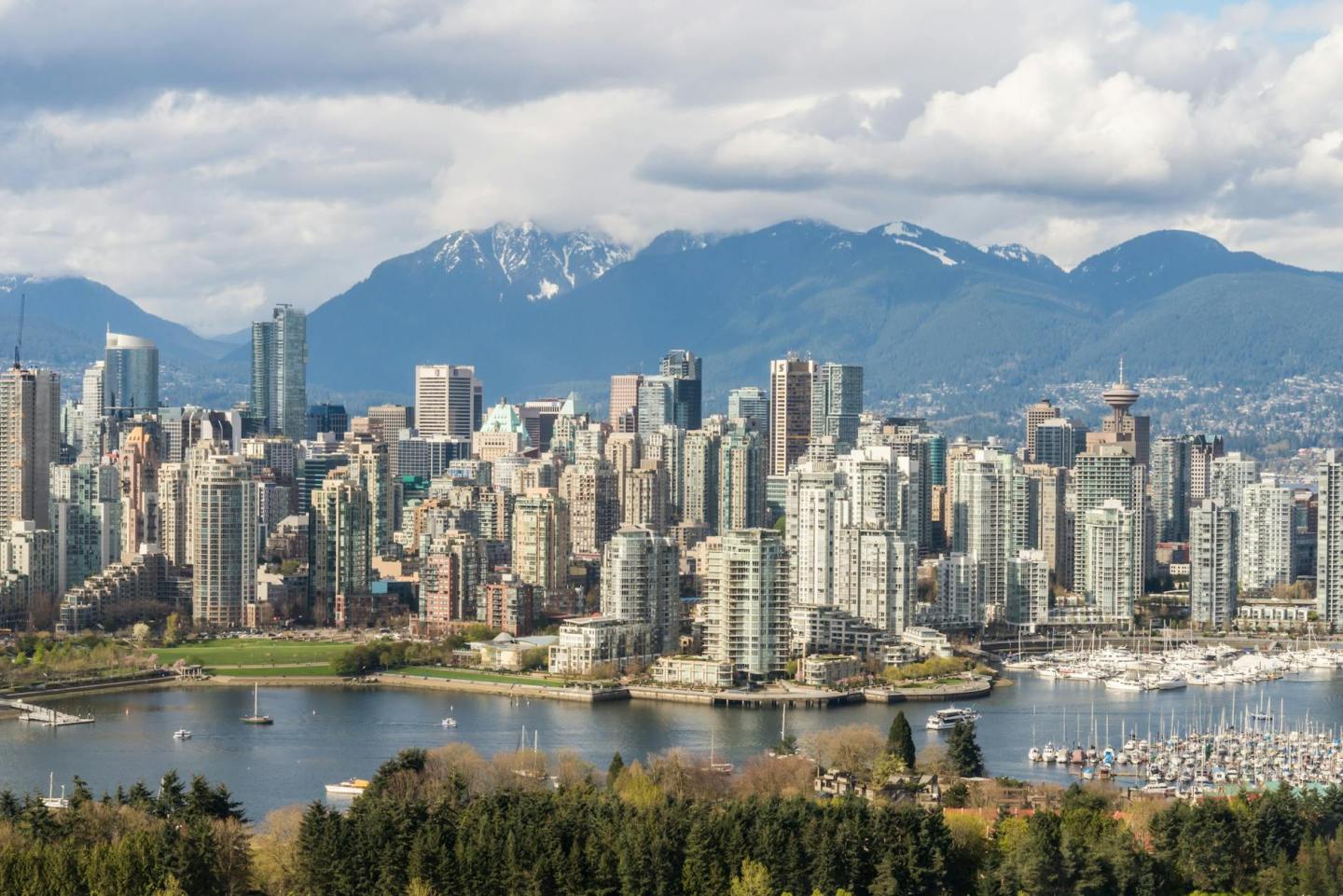
In British Columbia, the Insurance Corporation of British Columbia (ICBC) provides basic mandatory coverage. However, private "Autoplan" brokers act as the primary agencies for the public insurer. While there are hundreds of these locations in Vancouver, they operate differently than the independent agencies in Toronto or Calgary. In 2026, many Vancouver agencies have diversified into providing optional private "top-up" coverage to compete with ICBC’s extended offerings.
Key Statistics: Estimated Agency Counts by City (2026)
The following table provides an estimate of the number of physical auto insurance agency locations and registered brokerages within the metropolitan areas of Canada’s largest cities as of 2026.
| City | Estimated Number of Agencies/Brokerages (2026) | Market Structure | Primary Regulator |
|---|---|---|---|
| Toronto (GTA) | 1,850+ | Private | FSRA / RIBO |
| Montreal | 1,200+ | Hybrid (Public/Private) | AMF |
| Calgary | 650+ | Private | Alberta Insurance Council |
| Vancouver | 580+ | Public-Dominant | Insurance Council of BC |
| Edmonton | 520+ | Private | Alberta Insurance Council |
| Ottawa | 410+ | Private | FSRA / RIBO |
Note: Figures represent estimated totals of physical office locations and registered corporate entities providing retail auto insurance services.
The Role of Regulation in Agency Distribution
The distribution of insurance agencies is inextricably linked to provincial regulation. In Ontario, the transition to more flexible "File and Use" rating systems by 2026 has allowed more small agencies to enter the market by offering niche products.
In 2026, the regulatory environment in Ontario focuses heavily on consumer choice and transparency. This has led to the "omnichannel" agency model, where a physical office in Toronto serves as both a local advisory hub and a digital processing center. Agencies in Toronto are more likely to be "independent brokerages," meaning they represent multiple insurance companies, whereas agencies in smaller markets may be "exclusive" or "captive" agents for a single brand.
Why Physical Agencies Persist in 2026
Despite the rise of AI-driven insurance apps and direct-to-consumer digital platforms, the number of physical agencies in cities like Toronto and Montreal hasn't plummeted as predicted in previous decades. Several factors explain this resilience:
- Complexity of Emerging Risks: In 2026, the transition to electric vehicles (EVs), the rise of autonomous driving features, and the popularity of car-sharing platforms have made auto insurance more technical. Consumers often require an agent to explain how these factors impact their liability and premiums.
- Claims Advocacy: One of the primary reasons drivers choose an agency over a direct online carrier is for help during the claims process. In high-traffic cities with higher accident rates, having a local agent to "fight for the client" remains a significant selling point.
- Bundling Incentives: Agencies in 2026 increasingly focus on bundling auto insurance with home, life, and business coverage. This holistic financial planning approach is more effectively delivered through a dedicated agency relationship than through an automated interface.
- Verification Requirements: Regulatory bodies have increased the requirements for identity verification and anti-fraud measures. Many consumers find it easier to complete these "know your client" (KYC) requirements in person at a local agency.
Digital Transformation of the Agency Model
While Toronto has the most agencies, the nature of these agencies has changed. By 2026, the distinction between a "tech company" and an "insurance agency" has blurred. Agencies in major hubs have adopted:
- Virtual Consultations: Even physical agencies now conduct 60% of their business via secure video links.
- Telematics Integration: Agencies now act as consultants for telematics data, helping drivers understand how their braking, speed, and mileage—tracked via smartphone or vehicle sensors—can lower their premiums.
- AI-Enhanced Underwriting: Agencies use AI tools to quickly scan dozens of carrier rates, allowing them to provide quotes in seconds rather than hours.
Frequently Asked Questions
Which province has the most insurance brokers overall?
Ontario has the highest number of licensed insurance brokers and agencies in Canada. This is due to its population of over 15 million and its fully private insurance market, which requires a vast network of intermediaries to facilitate transactions between consumers and private carriers.
Is it cheaper to buy insurance through an agency or online in 2026?
There is no universal "cheaper" option. Online direct writers often have lower overhead, which can result in lower base premiums. However, agencies often have access to "broker-only" companies and can find discounts or specialized coverage that may result in better value or lower overall costs for complex cases.
What is the difference between an insurance agent and an insurance broker in 2026?
In 2026, an agent typically represents a single insurance company (a captive agent). A broker is independent and can provide quotes from multiple different insurance carriers. Toronto has a very high concentration of independent brokers compared to other cities.
Does Vancouver have fewer agencies because of ICBC?
Yes, the concentration of independent agencies in Vancouver is lower because the government-owned ICBC provides the mandatory basic insurance. While there are many "Autoplan" agents, the competitive landscape for private agencies is narrower than in the fully private markets of Ontario and Alberta.
How do I verify if an insurance agency in Toronto is legitimate?
You should verify the agency’s license through the Financial Services Regulatory Authority of Ontario (FSRA) or the Registered Insurance Brokers of Ontario (RIBO) database. All legitimate agencies in 2026 are required to display their licensing information and have a designated principal broker.
Final Recommendation
If you are looking for the widest range of auto insurance options in 2026, Toronto is the best location to find a high density of specialized agencies and independent brokers. When choosing an agency, prioritize those that offer "omnichannel" services—allowing you to manage your policy via an app while still providing a local physical office for complex claims or advice. For residents in Alberta, Calgary offers a similarly robust private market with a growing number of agencies focused on the burgeoning EV and tech-integrated insurance sectors. Always verify an agency's standing with your provincial regulator before sharing personal or financial information.
Image Gallery