How to Bake Pollock in the Oven: A Complete Guide to Perfectly Flaky Fish
To bake pollock in the oven, preheat your oven to 400°F (200°C). Season the fillets with salt, pepper, and lemon juice, then place them on a parchment-lined baking sheet. Bake for 12 to 15 minutes until the flesh is opaque and flakes e...
To bake pollock in the oven, preheat your oven to 400°F (200°C). Season the fillets with salt, pepper, and lemon juice, then place them on a parchment-lined baking sheet. Bake for 12 to 15 minutes until the flesh is opaque and flakes easily with a fork at an internal temperature of 145°F.
Contents
Understanding Pollock: The Sustainable Choice for 2026
Pollock has solidified its place as one of the most versatile and sustainable white fish options available on the market in 2026. Often compared to cod or haddock, pollock belongs to the same family (Gadidae) but offers a slightly more delicate texture and a milder flavor profile. This makes it an exceptional canvas for various seasonings and cooking methods, particularly baking, which preserves its moisture without the added fats required for frying.
There are two primary types of pollock you will encounter: Alaska Pollock (Walleye pollock) and Atlantic Pollock. Alaska Pollock is the most common variety found in North American grocery stores, often sourced from the Bering Sea. It is highly regarded for its sustainability and is frequently used in high-quality frozen fillets. Atlantic Pollock tends to be slightly darker in color and firmer in texture. Regardless of the variety, the baking process remains largely the same, focusing on quick, high-heat cooking to prevent the lean protein from drying out.
Because pollock is a low-fat fish, it is an excellent source of lean protein, Vitamin B12, and selenium. However, its low fat content also means it can become "rubbery" if overcooked. Baking in the oven is the preferred method for home cooks because it allows for even heat distribution and the ability to use "en papillote" (parchment paper) or open-roasting techniques to control moisture levels.
Prerequisites and Preparation
Before you begin the baking process, proper preparation is essential to ensure the fish cooks evenly and achieves the desired texture. As of 2026, most pollock is sold as flash-frozen fillets, which actually preserves the "day-of-catch" quality better than many "fresh" alternatives that have spent days in transport.
Thawing the Fish Correctly
If you are starting with frozen fillets, never bake them directly from the freezer if you want a gourmet result. Thawing ensures the center of the fish reaches a safe temperature at the same time the exterior finishes.
- The Refrigerator Method: Place the vacuum-sealed fish in the refrigerator for 12 to 24 hours. This is the safest method and preserves the cellular structure of the meat.
- The Cold Water Method: If you are short on time, place the sealed fillets in a bowl of cold water. Change the water every 30 minutes. The fish should thaw within an hour. Avoid using warm or hot water, as this starts the cooking process prematurely and promotes bacterial growth.
Patting the Fillets Dry
Once thawed, remove the fillets from their packaging and use paper towels to pat them thoroughly dry on both sides. This is a critical step often overlooked by beginners. Excess moisture on the surface of the fish will create steam in the oven, resulting in a mushy texture rather than a firm, flaky finish.
Essential Kitchen Tools
To achieve professional results in 2026, ensure you have the following equipment ready:
- A heavy-duty baking sheet: Prevents warping at high temperatures.
- Parchment paper or silicone mats: These prevent sticking without requiring excessive oil.
- An instant-read digital thermometer: The only foolproof way to ensure the fish is cooked to exactly 145°F (63°C).
- A wide fish spatula: For lifting the delicate fillets without breaking them.
Step-by-Step Guide to Oven-Baking Pollock
This master recipe focuses on a "high-heat roast," which is the most reliable way to get a light, flaky texture while keeping the interior juicy.
1. Preheat and Prep
Set your oven to 400°F (200°C). While the oven reaches temperature, line your baking sheet with parchment paper. If you prefer a slightly crispier bottom, you can lightly coat the parchment with olive oil or a non-stick cooking spray.
2. Seasoning the Pollock
Place the dried fillets on the baking sheet. For a classic preparation, use:
- Fat: Drizzle 1 tablespoon of melted butter or extra virgin olive oil over each fillet.
- Acid: Squeeze fresh lemon juice over the top to brighten the flavor.
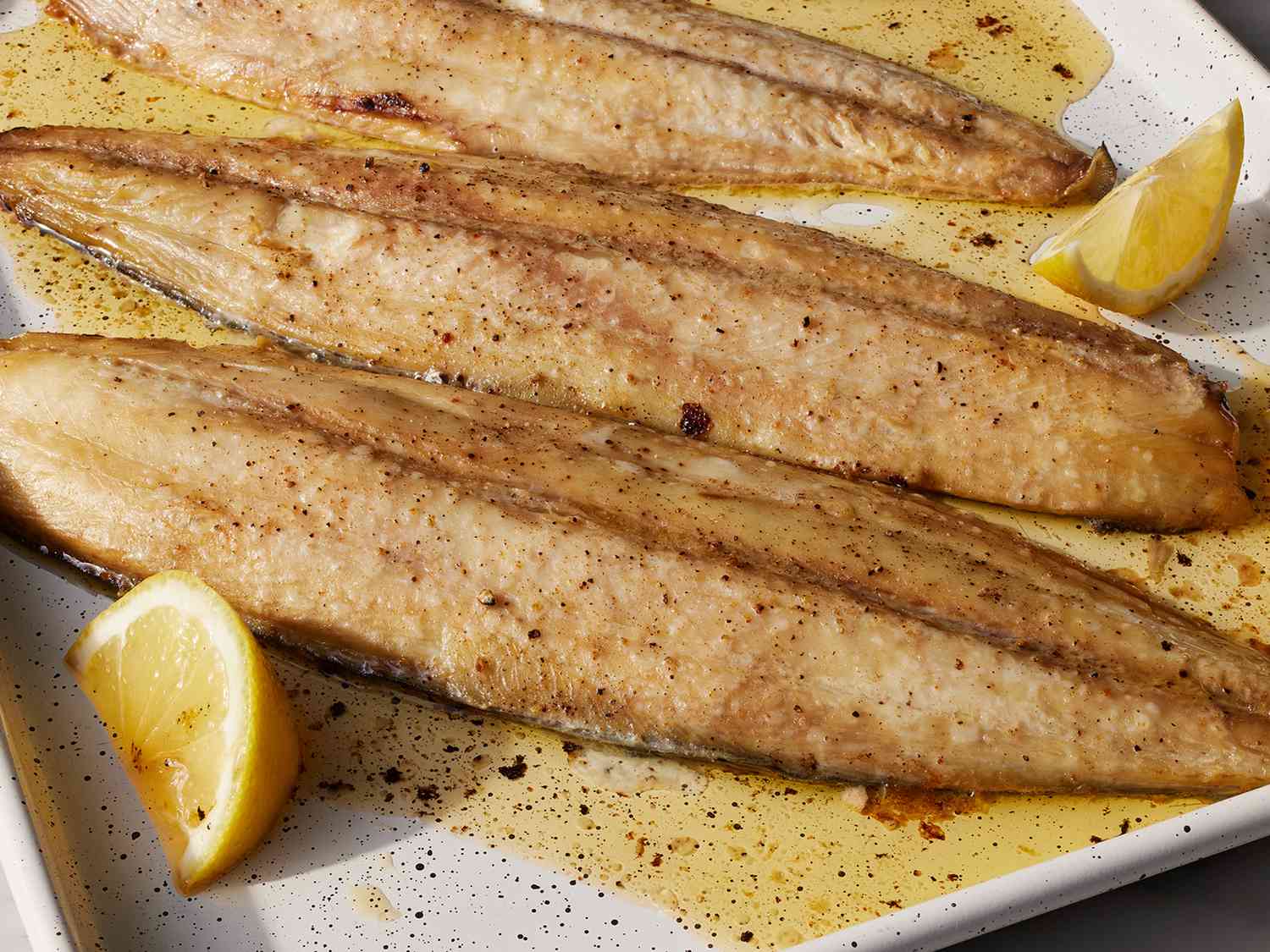
- Spices: A blend of kosher salt, cracked black pepper, and garlic powder is the standard. For more depth, add paprika or dried parsley.
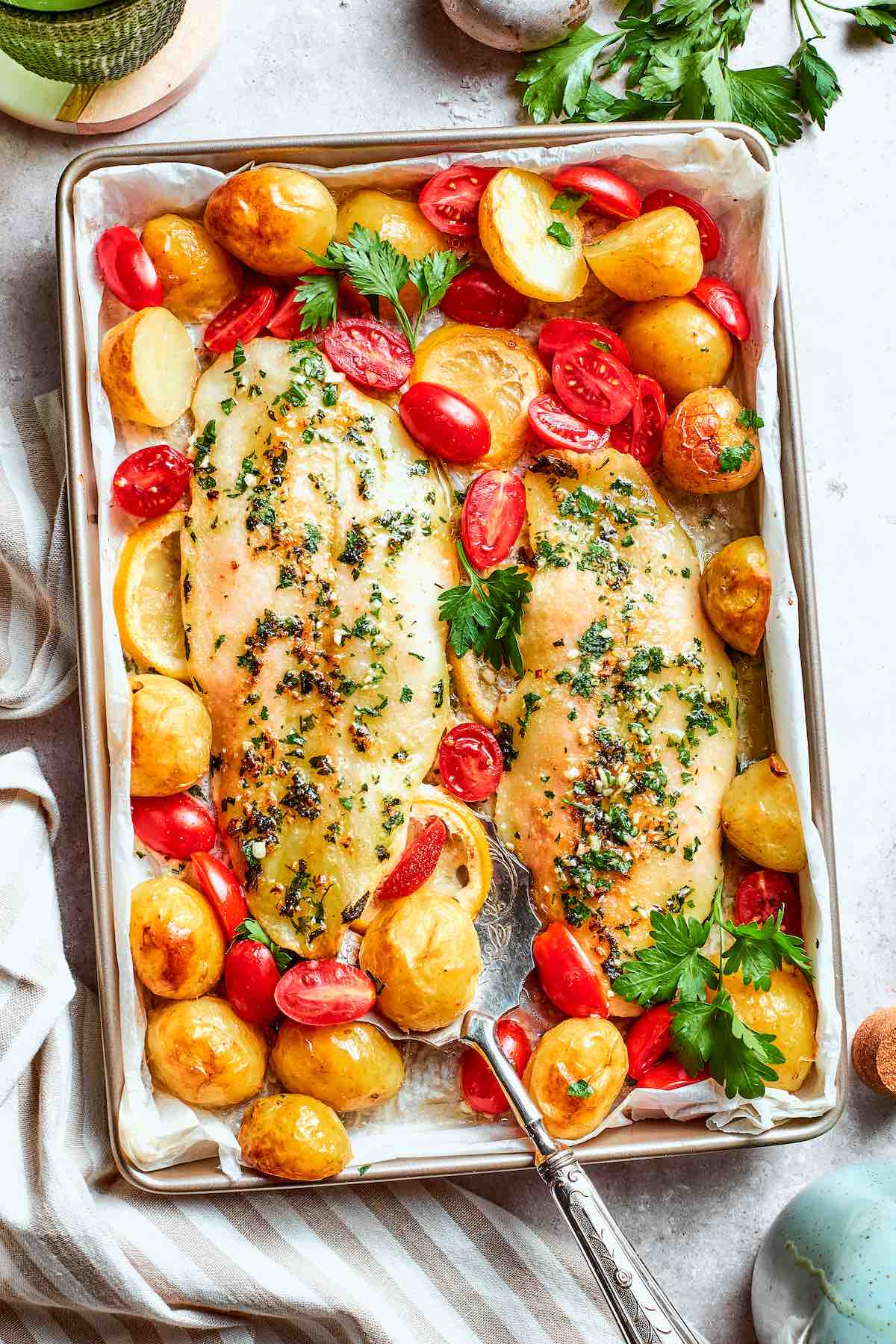
- Aromatics: If desired, place thin lemon slices or sprigs of fresh thyme directly onto the fish.
3. The Baking Process
Slide the tray into the center rack of the oven. The cooking time will vary based on the thickness of your fillets. As a general rule, pollock requires about 10 minutes of cooking time for every inch of thickness.
- Standard Fillets (1/2 to 3/4 inch): 10–12 minutes.
- Thick Fillets (1 inch+): 15–18 minutes.
4. Testing for Doneness
Avoid relying solely on the timer. Use a fork to gently twist the thickest part of the fillet; the fish should flake easily and no longer appear translucent or "jelly-like" in the center. If using a thermometer, pull the fish out when it hits 140°F, as residual heat will bring it up to the FDA-recommended 145°F while it rests.
Flavor Variations and Nutritional Context
Pollock is an adaptable protein that pairs well with various global flavors. Because it is a lean fish, it benefits significantly from "crusts" or "toppings" that provide texture.
The Mediterranean Style
Top the pollock with a mixture of minced kalamata olives, sun-dried tomatoes, capers, and a drizzle of balsamic glaze. This adds healthy fats and bold acidity that complements the mildness of the fish.
The Panko-Parmesan Crust
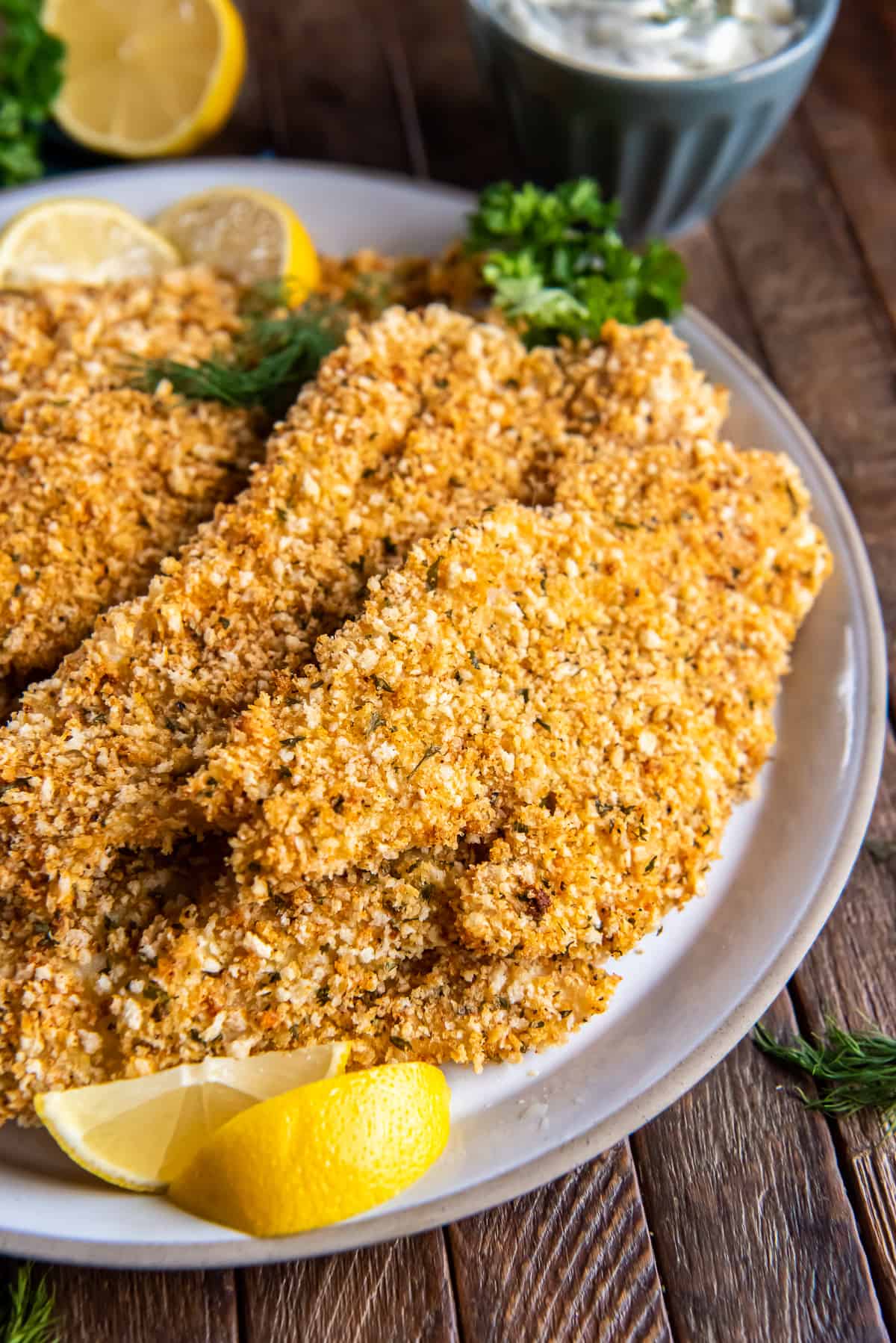
Mix 1/2 cup of Panko breadcrumbs with 1/4 cup of grated Parmesan cheese and a tablespoon of melted butter. Press this mixture onto the top of the fillets before baking. The high heat of the 400°F oven will toast the breadcrumbs into a golden, crunchy shell.
Comparative Cooking Profiles
The following table compares pollock to other common white fish to help you understand its behavior in the oven:
| Fish Variety | Texture | Flavor Intensity | Optimal Oven Temp | Avg. Bake Time (1" thick) |
|---|---|---|---|---|
| Pollock | Delicate/Flaky | Very Mild | 400°F (200°C) | 12-15 Minutes |
| Atlantic Cod | Firm/Large Flakes | Mild/Sweet | 400°F (200°C) | 15-18 Minutes |
| Haddock | Fine Flake | Moderate | 375°F (190°C) | 15-20 Minutes |
| Halibut | Dense/Meaty | Rich/Mild | 400°F (200°C) | 10-12 Minutes |
Common Mistakes to Avoid
Even experienced cooks can encounter issues with pollock due to its lean nature. Recognizing these pitfalls will improve your results.
Overcrowding the Pan
If you are cooking for a large group, ensure there is at least an inch of space between each fillet. If the fillets are touching, the heat cannot circulate around the sides of the fish. This leads to uneven cooking where the edges are overdone while the touching sides remain raw and soggy.
Skipping the Rest Period
Once you remove the pollock from the oven, let it sit on the baking sheet for 2 to 3 minutes. This allows the protein fibers to relax and reabsorb some of the juices. If you cut into the fish immediately, the moisture will escape onto the plate, leaving the fish dry.
Using Excessive Liquid
While a squeeze of lemon or a splash of white wine is beneficial, "swimming" the fish in liquid in a shallow dish will effectively poach the fish rather than bake it. Poaching results in a softer, less structured texture. For a true baked finish, keep the liquid to a minimum or use the parchment paper "pouch" (en papillote) method to trap only the natural steam.
Frequently Asked Questions
Can I bake pollock from frozen?
While possible, it is not recommended for the best quality. Baking from frozen often results in the outside becoming tough and dry before the inside is fully cooked. If you must cook from frozen, lower the oven temperature to 350°F and increase the cooking time by 50%, checking frequently with a thermometer.
Why does my pollock have a strong "fishy" smell?
Fresh or properly flash-frozen pollock should have a very mild, sea-salt aroma. A strong "fishy" odor usually indicates that the fats in the fish have begun to oxidize. You can mitigate a slight odor by soaking the thawed fillets in milk for 20 minutes before patting them dry and seasoning, but always discard fish that smells sour or ammonia-like.
Is the grey line on the fillet edible?
Yes. The darker grey or reddish strip found on some pollock fillets is the "fat line" or lateral muscle. It is perfectly safe to eat and contains a high concentration of Omega-3 fatty acids. However, it does have a stronger flavor than the white meat. If you prefer a very mild taste, you can shallowly shave this layer off with a sharp knife before cooking.
What are the best side dishes for baked pollock?
Since pollock is light, it pairs best with sides that offer contrast. Consider roasted asparagus, a quinoa salad with lemon vinaigrette, or garlic-mashed cauliflower. Avoid overly heavy cream sauces that might overwhelm the delicate flavor of the fish.
How long does leftover baked pollock last?
Baked pollock can be stored in an airtight container in the refrigerator for up to two days. When reheating, use a low oven (275°F) with a splash of water or broth to prevent it from drying out. Avoid using the microwave, as it tends to make the fish rubbery.
Expert Recommendation for 2026
For the best results this year, focus on sourcing MSC-certified (Marine Stewardship Council) Alaska Pollock. Use the "high and fast" method—baking at 400°F for roughly 12 minutes. This specific temperature range is the "sweet spot" that triggers the Maillard reaction on any seasonings or crusts while keeping the internal moisture intact. To take your dish to the next level, finish the fish with a sprinkle of fresh zest from a Meyer lemon immediately before serving to enhance the natural sweetness of the pollock.
Image Gallery