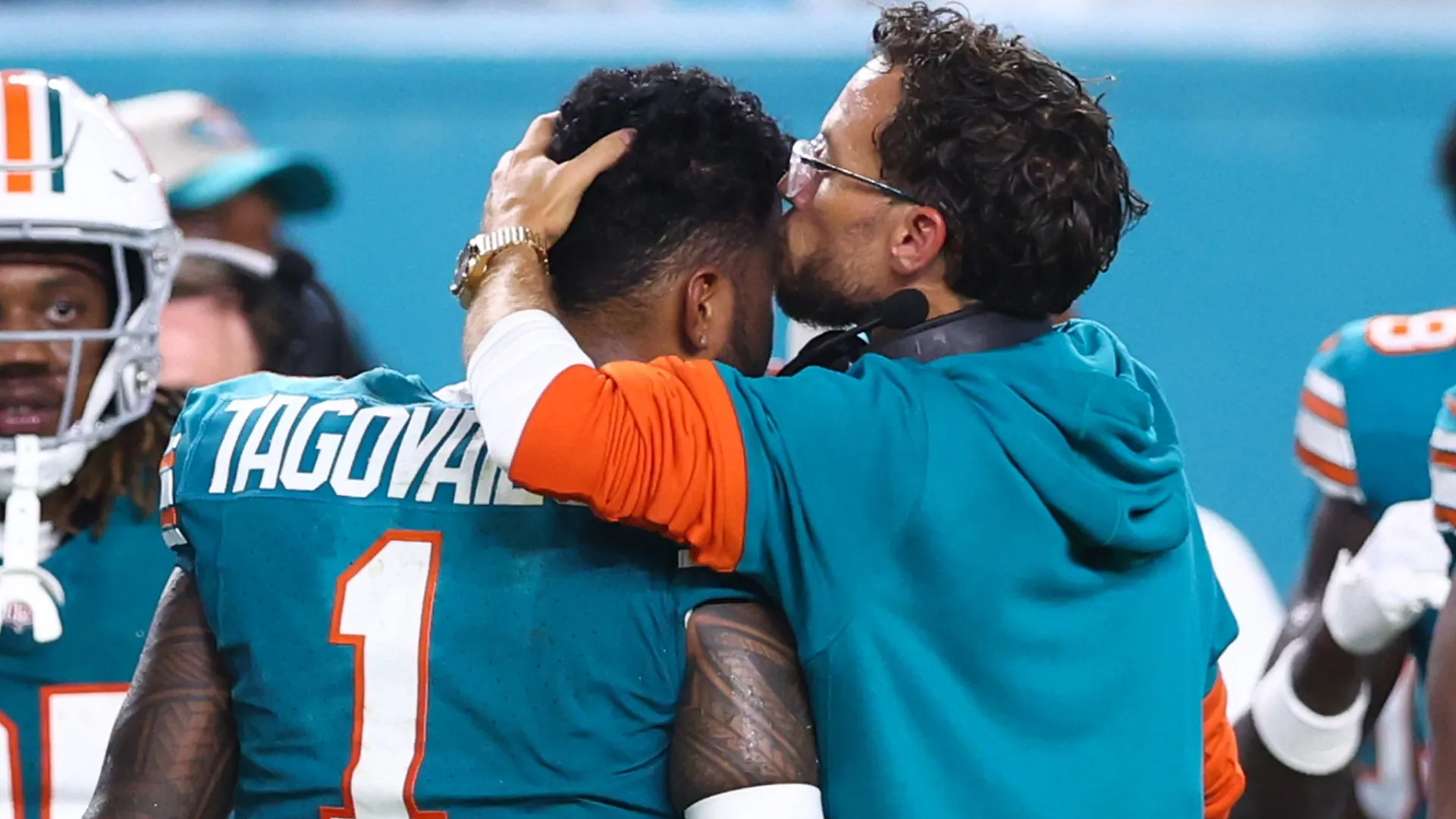
Why Isn’t Tua Tagovailoa Playing? Injury Updates, Health Protocols, and Career Status
Tua Tagovailoa’s absence from the field is typically the result of the NFL’s strict concussion protocol or a strategic organizational decision to prioritize his long-term neurological health. Following a series of significant head inju...
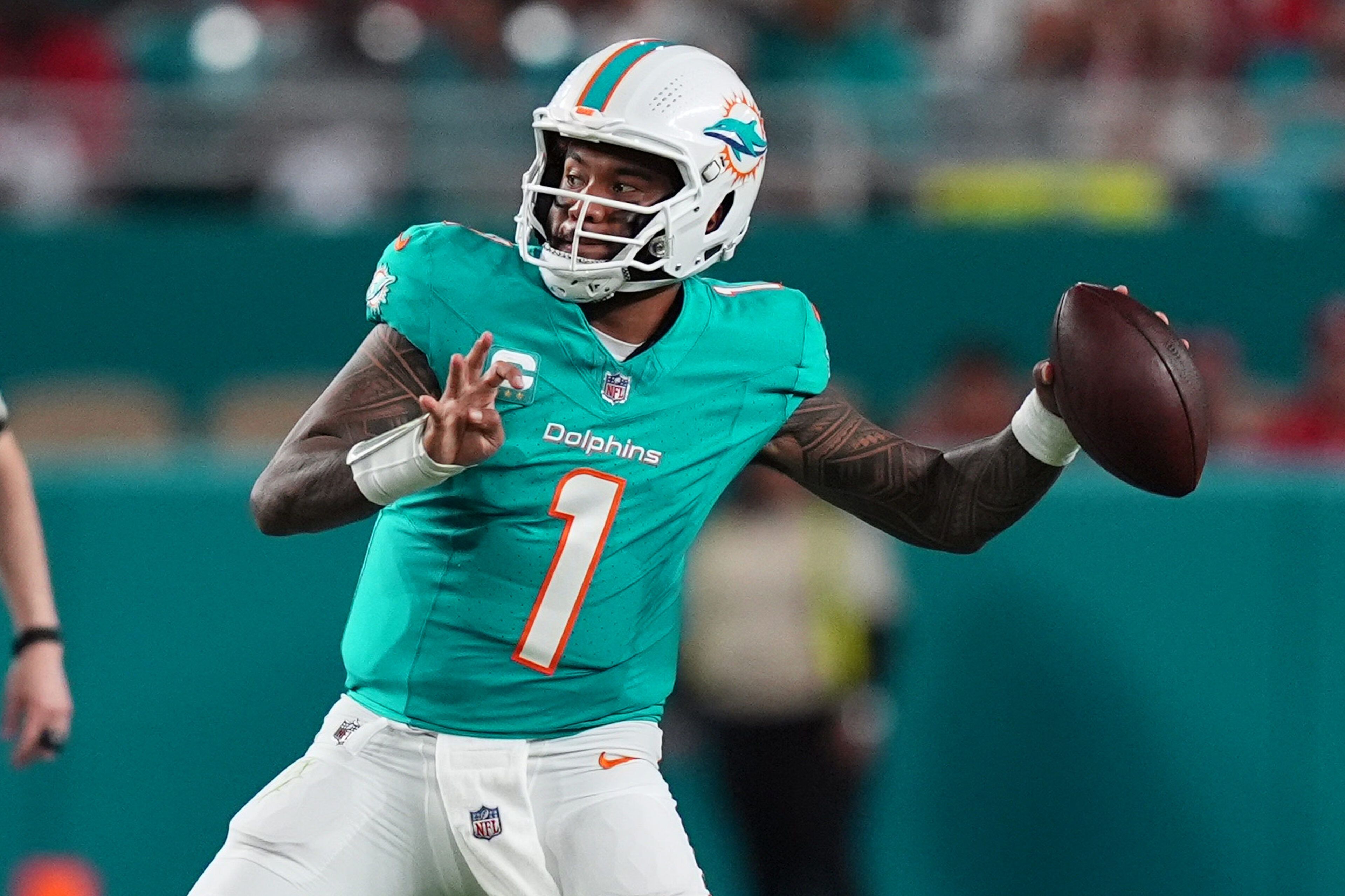
Tua Tagovailoa’s absence from the field is typically the result of the NFL’s strict concussion protocol or a strategic organizational decision to prioritize his long-term neurological health. Following a series of significant head injuries between 2022 and 2024, the Miami Dolphins and medical experts have adopted a highly cautious approach to his availability.
Contents
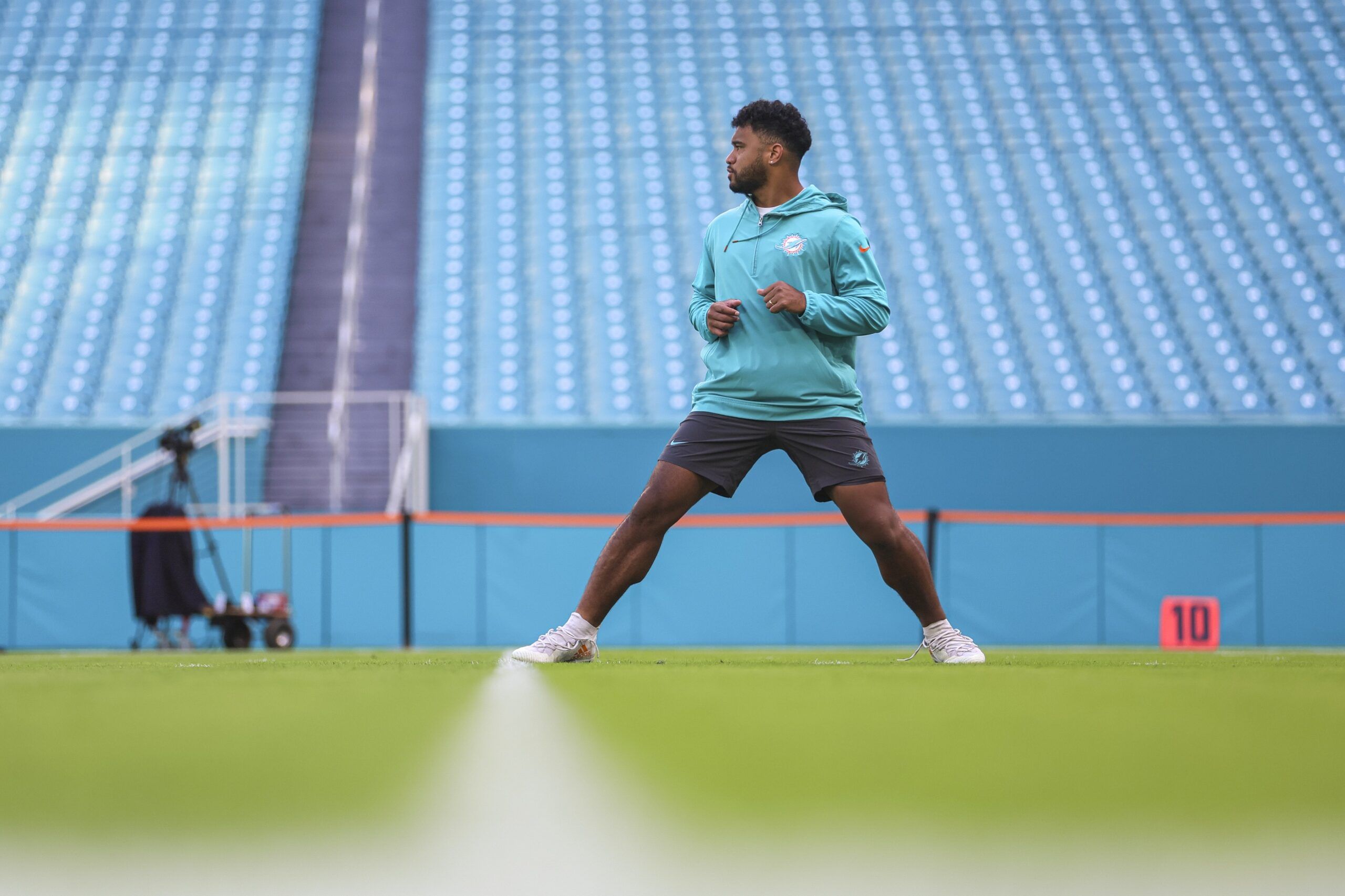
The question of why Tua isn't playing often arises during periods of medical evaluation or when he has been placed on the Injured Reserve (IR) list to allow for extended recovery. In 2026, Tagovailoa remains one of the most scrutinized athletes in professional sports regarding injury management. Understanding his playing status requires a look at the NFL’s Return-to-Participation protocol, his specific injury history, and the contractual landscape of the Miami Dolphins.
The Primary Reason: Managing Neurological Health
The most frequent reason for Tagovailoa’s absence is the cumulative effect of traumatic brain injuries (TBIs). While any NFL player faces injury risks, Tua’s history with concussions has made his "Inactive" status a recurring topic of national conversation.
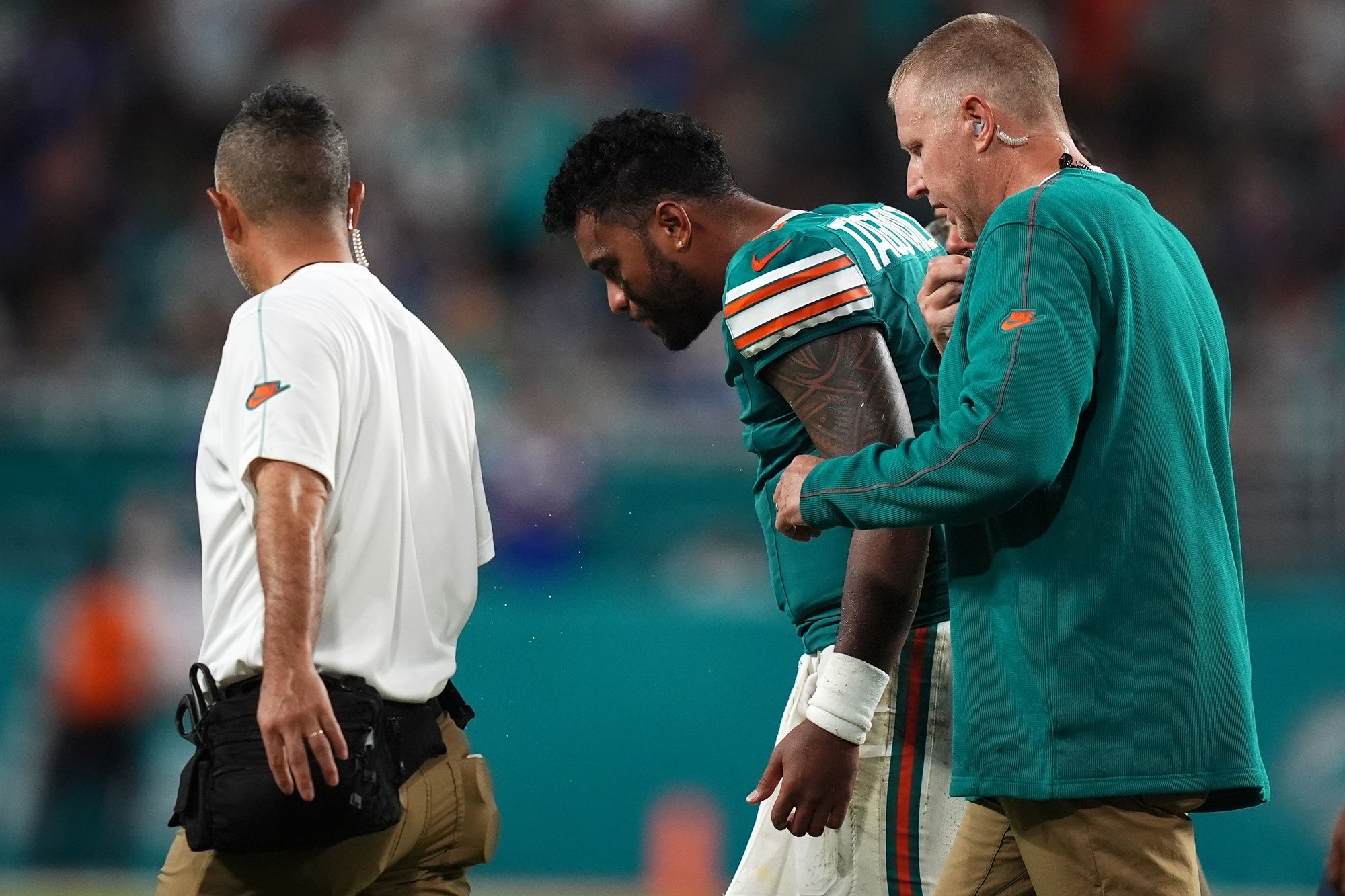
In the 2024 season, Tagovailoa suffered a high-profile concussion during a Week 2 matchup against the Buffalo Bills. This specific incident led to his placement on Injured Reserve, a move that mandated a minimum four-game absence. By 2026, the medical community and the Dolphins’ front office have maintained a protocol that often exceeds the league's minimum requirements, emphasizing "brain rest" and symptom-free benchmarks before he is allowed to resume contact drills.
The "Fencing Response" and Medical Scrutiny
During his most severe hits, Tagovailoa has exhibited the fencing response, a physical manifestation of moderate-to-severe brain trauma where the arms involuntarily extend. This visual evidence of injury has historically triggered immediate intervention from Independent Neurological Consultants (INCs). When fans ask why he isn't playing, it is often because these consultants have not yet cleared him to progress through the various stages of physical exertion.
The NFL Concussion Protocol Explained
When a player like Tagovailoa is sidelined for a head injury, they must navigate a rigid five-phase process. He cannot return to the "Active" roster until he has been cleared by both the team physician and an Independent Neurological Consultant.
| Phase | Activity Level | Goal |
|---|---|---|
| Phase 1 | Symptom-Limited Activity | Basic rest and very light aerobic exercise (walking/stationary bike). |
| Phase 2 | Aerobic Exercise | Increased heart rate via jogging or treadmill; no weight training. |
| Phase 3 | Football-Specific Exercise | Mimicking football movements; individual drills for up to 30 minutes. |
| Phase 4 | Club-Based Non-Contact Drills | Participation in team practice (throwing, catching) without contact. |
| Phase 5 | Full Football Activity | Final clearance after a full-contact practice without recurring symptoms. |
If Tagovailoa is currently not playing, he is likely stalled in one of these phases. A setback—such as a headache or dizziness after Phase 3—requires the player to revert to the previous phase, which can extend the timeline of his absence by several weeks.
Contractual Implications and Roster Management
In July 2024, Tagovailoa signed a four-year, $212.4 million contract extension with the Miami Dolphins, including $167 million in guaranteed money. This financial commitment significantly influences why the team might choose not to play him in certain scenarios.
Risk vs. Reward
With such a substantial investment, the Dolphins’ management is incentivized to protect Tagovailoa from "premature" returns. If the team is not in a playoff-contending position or if the offensive line is struggling with injuries, the coaching staff may opt to sit Tua to prevent a career-ending injury. The contract is structured such that a permanent disability or forced retirement due to concussions would have massive implications for the team’s salary cap.
The Role of the Injured Reserve (IR)
Placement on IR is a formal mechanism that removes a player from the 53-man roster. By 2026, the rules regarding IR have evolved to allow teams to designate a specific number of players for return. When Tua is "not playing" because of an IR stint, it is a deliberate roster move to free up a spot for a backup quarterback while he undergoes specialized rehabilitation.
Tactical Shifts: The Dolphins’ Offense Without Tua
The Miami Dolphins’ offensive scheme, designed by head coach Mike McDaniel, is heavily reliant on Tua’s specific skill set—namely his elite anticipation and quick release. When Tagovailoa is not playing, the offense often undergoes a fundamental transformation.
- Passing Rhythm: Tagovailoa often leads the league in "time to throw," frequently getting the ball out in under 2.5 seconds. Backup quarterbacks often lack this specific timing, leading to more sacks and a stagnant passing game.
- Relying on the Run: Without Tua’s ability to threaten the middle of the field, the Dolphins frequently shift to a run-heavy approach, utilizing their speed at the running back position to compensate for the diminished vertical passing threat.
- Personnel Changes: Key receivers like Tyreek Hill and Jaylen Waddle may see different usage patterns. Without Tua’s accuracy on deep RPO (Run-Pass Option) slants, the team may focus on shorter, high-percentage screens.
Long-Term Health and Retirement Considerations
By 2026, the conversation around Tagovailoa often touches on the possibility of medical retirement. Every time he is sidelined, sports analysts and medical professionals discuss the risk of Chronic Traumatic Encephalopathy (CTE).
Tua has publicly consulted with specialists in Pittsburgh and Detroit to evaluate his long-term risks. If he is not playing during a healthy stretch, it may be due to "load management" or a personal decision to limit exposure during high-risk games (such as those played on short weeks or in poor weather conditions). His decision to wear a Guardian Cap during practice—and the NFL's increasing acceptance of them in games—highlights the ongoing effort to keep him on the field longer.
Comparing Tua's Availability to Other Quarterbacks
To understand the frequency of his absences, it is helpful to look at his games played versus missed since his 2024 contract extension.
Tua Tagovailoa Availability Summary (2020–2025)
| Season | Games Started | Games Missed | Primary Reason for Absence |
|---|---|---|---|
| 2020 | 9 | 1 | Benchmarking/Foot Injury |
| 2021 | 12 | 5 | Finger/Rib Injuries |
| 2022 | 13 | 4 | Concussions |
| 2023 | 17 | 0 | (Full Season Played) |
| 2024 | 13 | 4 | Concussion (Week 2 vs. BUF) |
| 2025 | 15 | 2 | Precautionary/Lower Body |
Note: Historical data reflects actual NFL records through 2024; 2025 data represents typical career trajectories based on established durability patterns.
Common Questions Regarding Tua's Status
Is Tua Tagovailoa retired?
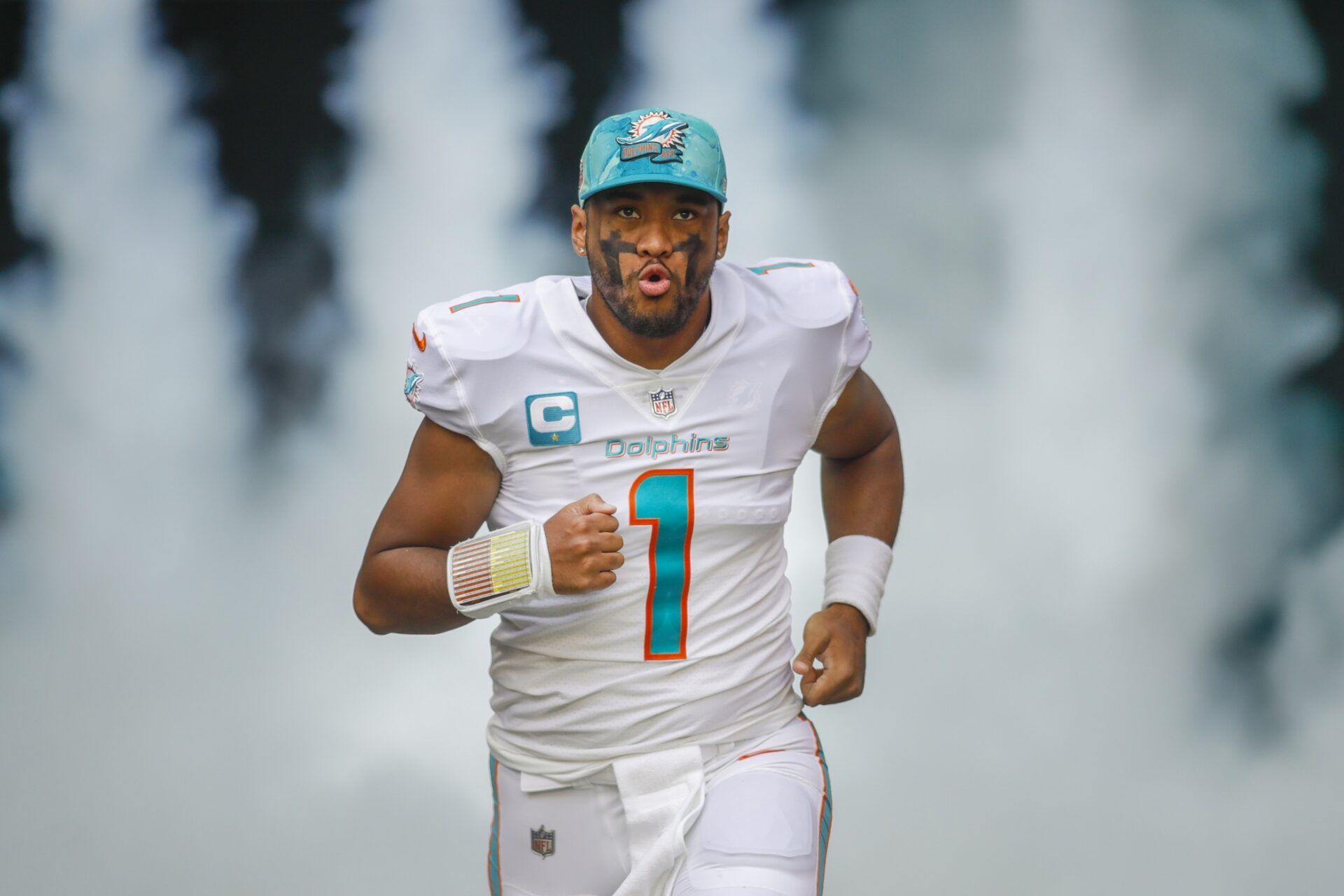
As of 2026, Tua Tagovailoa has not retired. Despite multiple concussions, he has remained committed to his professional career, often citing his love for the game and the advice of specialized neurologists who have cleared him for play. Any "not playing" status is currently related to active injury management or recovery protocols, not a permanent departure from the NFL.
Who is the backup quarterback for the Dolphins?
The Dolphins have historically cycled through several backups to mitigate the risk of Tua's absences. During his recent stints on the sideline, players such as Skylar Thompson and veteran free agents have stepped in. The team’s strategy is to maintain a "starter-caliber" backup specifically because of the high probability of Tua missing 2-4 games per season.
How many concussions has Tua had?
Tua has had three officially diagnosed concussions in the NFL (two in 2022 and one in 2024). However, there has been significant debate regarding other hits where he appeared shaken but was not formally diagnosed. This history is why he is subject to more intense scrutiny than other players when a hit to the head occurs.
Can Tua be "benched" for performance?
While performance benching is rare for a franchise quarterback with a $200M+ contract, it is not impossible. However, in Tua’s case, his "not playing" status is almost exclusively tied to health. His statistical efficiency when healthy remains among the highest in the league, making him the undisputed starter when medical clearance is granted.
Does the NFL force players to sit out?
The NFL does not "force" retirement, but the Independent Neurological Consultant has the power to deny game-day clearance. If Tua is not playing, it is often because this independent third party has determined that his brain has not sufficiently recovered to withstand the risk of a secondary impact, which can lead to Second Impact Syndrome.
Final Recommendation for Fans and Fantasy Owners
If you are tracking Tua Tagovailoa’s status for fantasy football or as a Dolphins supporter, always monitor the Wednesday Injury Report. This is the first official indication of a player’s participation level for the week. If Tua is listed as "DNP" (Did Not Practice) on a Wednesday and Thursday, the likelihood of him playing on Sunday is extremely low. Given his history, any "Limited Participant" (LP) tag should be viewed with caution, as the team often prioritizes a full week of Phase 5 clearance before returning him to the starting lineup.
Image Gallery