What Residential Foundation Repair Companies in Plano Provide: A 2026 Guide
Residential foundation repair companies in Plano provide specialized structural stabilization services designed to counteract the movement of expansive clay soils. These providers offer deep-driven pier installation (steel or concrete)...
Residential foundation repair companies in Plano provide specialized structural stabilization services designed to counteract the movement of expansive clay soils. These providers offer deep-driven pier installation (steel or concrete), crawl space leveling, professional drainage correction, and hydrostatic pressure testing to identify under-slab plumbing leaks that contribute to foundation failure.
Contents
The Specifics of the Plano Geological Landscape
To understand what foundation repair companies in Plano provide, one must first understand the "why" behind their specific service offerings. Plano is situated on the Blackland Prairie, a region characterized by high-plasticity clay soils, specifically the Houston Black series. These soils have a high "Plasticity Index," meaning they expand significantly when wet and contract during the hot, dry North Texas summers.
As of 2026, the structural integrity of residential properties in Plano remains under constant threat from this "heave and shrink" cycle. Foundation repair companies in the area have evolved their services to move beyond simple "jacking" of the home. They now provide holistic soil management and structural reinforcement solutions that account for the unique climate patterns of the Dallas-Fort Worth Metroplex.
Primary Structural Stabilization Methods
The core service provided by Plano foundation specialists is the installation of support systems that bypass the unstable "active zone" of the soil. This active zone is the top 10 to 15 feet of earth that fluctuates in volume based on moisture content.
1. Pressed Concrete Piling
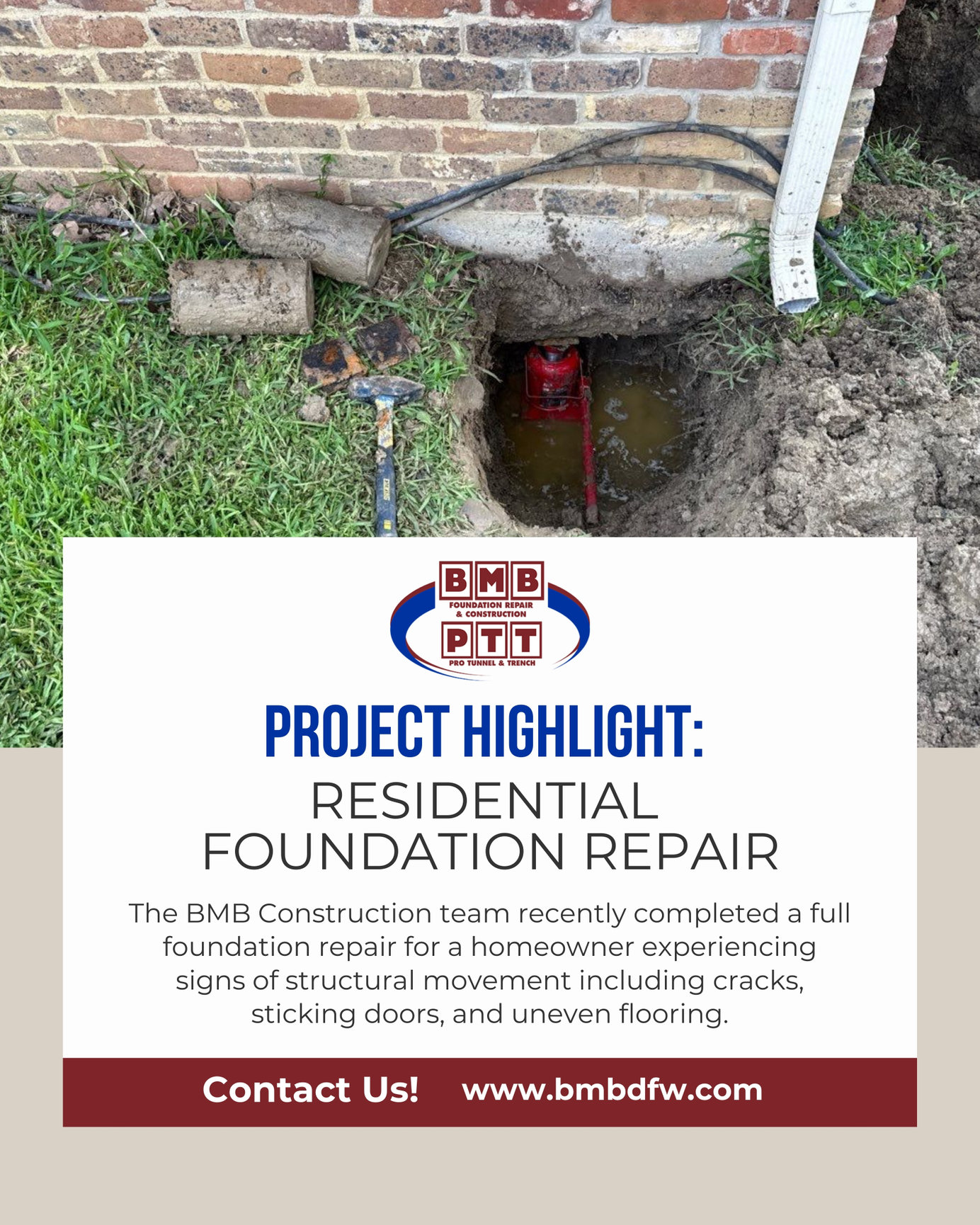
This is the most common residential solution in Plano due to its cost-effectiveness and reliability in local clay. Companies provide pre-cast concrete cylinders (usually 6 inches in diameter and 12 inches long) that are driven into the ground using the weight of the house and a hydraulic ram.
- How it works: The piles are driven until they reach a point of "refusal," meaning the resistance of the soil is greater than the force required to lift the home.
- The Benefit: It provides a solid column of support that is less susceptible to surface soil shifts.
2. Steel Pier Systems
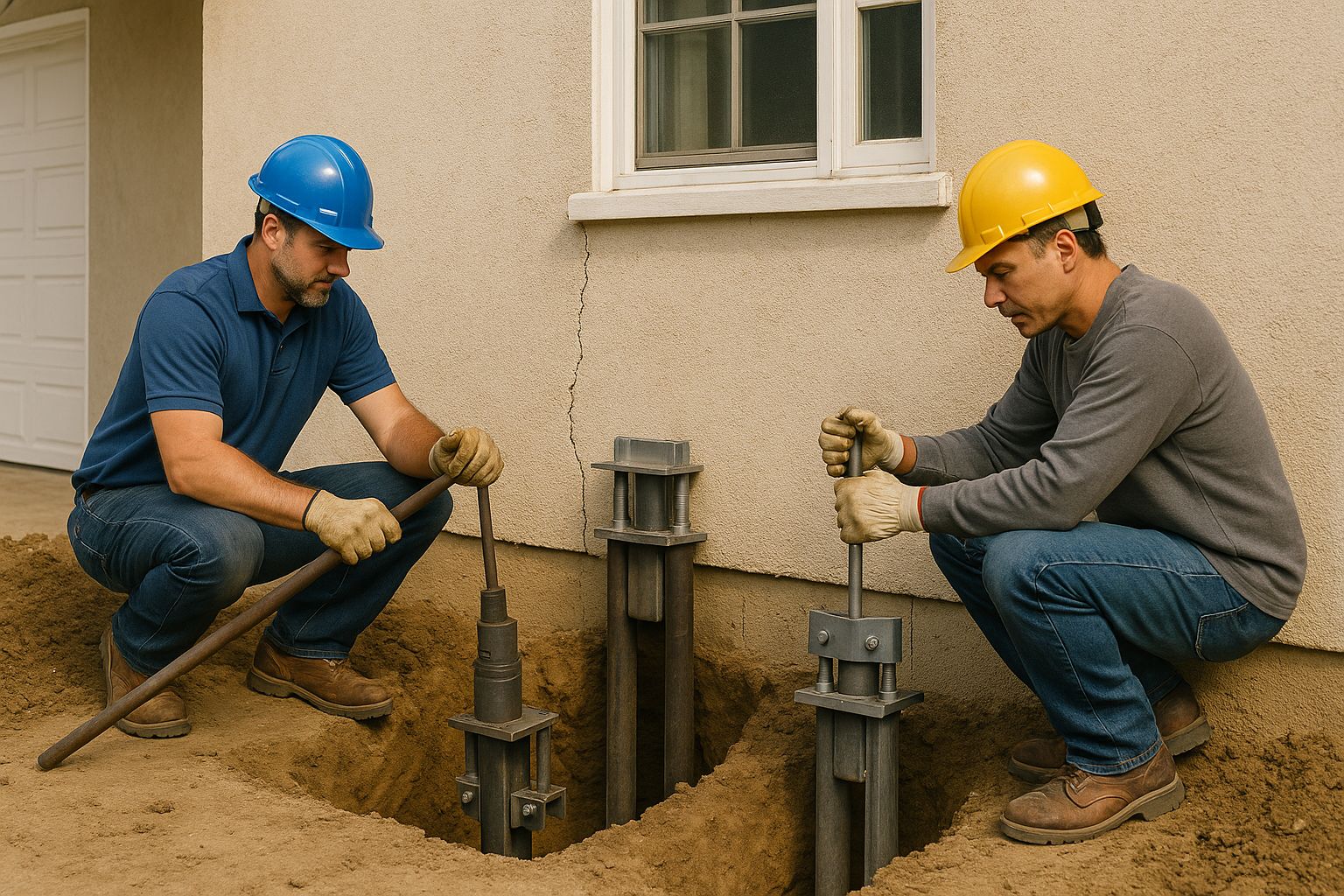
For homeowners seeking a more permanent or "end-bearing" solution, Plano companies provide steel piering. These are heavy-duty carbon steel pipes driven much deeper than concrete—often 30 to 70 feet—until they hit true load-bearing strata or bedrock.
- Technical Depth: Steel piers have a smaller surface area, which allows them to cut through the clay without the "skin friction" that can cause concrete piers to hang up in the active zone.
- Suitability: Often recommended for two-story homes or properties in areas of Plano with particularly deep clay deposits, such as those near White Rock Creek tributaries.
3. Helical Piers
Less common but specifically provided for lighter structures like porches, chimneys, or room additions, helical piers feature screw-like blades. They are "screwed" into the ground to a predetermined torque. This method is particularly useful for areas with limited access where heavy hydraulic equipment cannot reach.
Comparison of Foundation Support Systems in Plano (2026 Standards)
| Feature | Pressed Concrete Piers | Steel Pier Systems | Helical Piers |
|---|---|---|---|
| Typical Depth | 12–20 Feet | 30–70 Feet | 15–30 Feet |
| Primary Support | Skin Friction/Refusal | End-Bearing (Bedrock) | Torque-Based Tension |
| Installation Time | 1–2 Days | 2–4 Days | 1–2 Days |
| Cost Range | Moderate | High | Moderate-High |
| Longevity | 20+ Years | Lifetime | 30+ Years |
| Best Use Case | Standard Slab Homes | Heavy/Multi-story Slab | Light Additions/Decks |
Pier and Beam (Crawl Space) Specialized Services
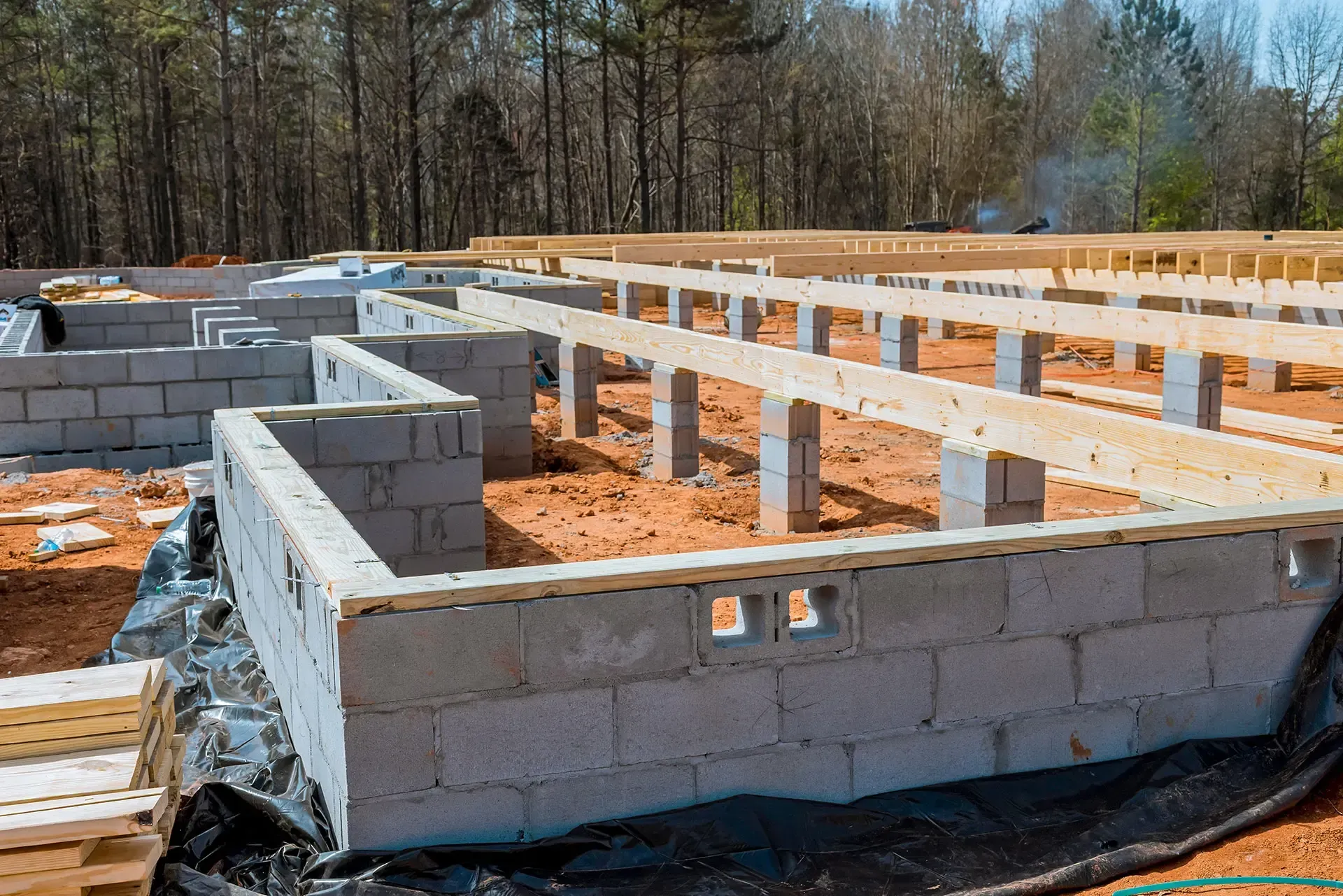
While much of Plano’s suburban sprawl consists of concrete slab-on-grade foundations, older neighborhoods near the historic downtown area or those built in the 1960s often feature pier and beam construction. Companies specializing in these homes provide a different suite of services:
- Sill Beam Replacement: If moisture has caused the wooden beams under the house to rot, repair companies provide structural timber replacement using treated lumber or engineered steel.
- Reshimming: Over time, the wooden shims between the piers and beams compress or shift. "Tightening" the foundation involves replacing these shims to restore a level floor.
- CMU Block Replacement: Companies replace cracked or leaning concrete masonry unit (CMU) blocks that serve as the primary vertical support.
- Vapor Barrier Installation: To prevent the wood-rot cycle, providers install high-grade polyethylene barriers over the crawl space floor to mitigate ground moisture evaporation.
Advanced Diagnostic and Preventive Services
Modern foundation repair in 2026 is data-driven. Plano companies no longer rely solely on visual crack inspections; they provide high-precision diagnostics.
Professional Engineering Reports
Most reputable Plano firms work alongside or provide referrals for Third-Party Structural Engineers. These engineers provide a "seal of approval" on the repair plan, ensuring that the proposed pier placement is mathematically sound and meets City of Plano building codes. This is critical for the resale value of the home, as buyers in 2026 almost universally demand engineered proof of repair.
Hydrostatic Pressure Testing
Plumbing leaks are a leading cause of foundation movement in North Texas. When a pipe leaks under a slab, it creates an "artificial spring" that causes the clay to swell locally, leading to an "upheaval." Repair companies provide or coordinate hydrostatic testing—plugging the sewer system and filling it with water to see if the level drops—to ensure a plumbing leak won't undermine the new structural repairs.
Comprehensive Drainage Correction
Stabilizing the foundation is futile if water continues to pool against the perimeter. Consequently, Plano foundation companies provide:
- French Drains: Underground perforated pipes surrounded by gravel that redirect sub-surface water away from the foundation.
- Surface Drains: Catch basins installed in low spots of the yard to quickly move rainwater to the street or storm sewer.
- Root Barriers: Large trees (like Live Oaks or Maples common in Plano) can suck hundreds of gallons of water from under a foundation, causing localized shrinkage. Companies provide trenching and physical barriers to redirect root growth.
The Cost of Foundation Repair in Plano (2026 Estimates)
Pricing in the Plano market is generally calculated "per pier." As of 2026, homeowners can expect the following pricing structures:
- Concrete Piers: $350 to $550 per pier.
- Steel Piers: $700 to $1,100 per pier.
- Drainage Correction: $2,500 to $7,000 depending on the linear footage and complexity of the French drain system.
- Mudjacking/Polyurethane Injection: For minor interior floor leveling (such as a sunken garage floor), companies provide "poly-lifting" services starting around $2,500 for small areas.
A typical "partial" foundation repair in a Plano suburb—addressing one or two sides of a 2,000-square-foot home—usually ranges from $6,000 to $12,000. Full-perimeter repairs on larger homes can exceed $25,000.
Warranties and Consumer Protections
One of the most important things Plano foundation repair companies provide is a Lifetime Transferable Warranty. In the North Texas real estate market, a foundation warranty is a standard requirement for home sales.
- The "Transfer" Aspect: If the homeowner sells the house, the warranty remains valid for the next owner, usually following a simple inspection and a nominal transfer fee (typically $100–$250).
- Service Agreements: These warranties generally cover "adjustments" if the piers installed by the company shift beyond a certain tolerance (usually 1/4 to 1/2 inch) over the life of the structure.
How to Verify a Plano Foundation Contractor
The City of Plano requires permits for foundation repairs. A legitimate company will provide the service of permitting and scheduling city inspections. Homeowners should verify that the contractor:
- Carries General Liability Insurance and Workers' Compensation.
- Provides a detailed "plan of repair" showing exactly where every pier will be placed.
- Includes a post-repair plumbing test in their contract or as a highly recommended add-on.
Frequently Asked Questions
Do all foundation companies in Plano provide free estimates?
Most reputable companies provide free initial inspections for homeowners. However, if the inspection is for a real estate transaction (buying/selling), many firms charge a fee ($150–$300) because these inspections require a more formal written report and carry higher liability.
Will foundation repair fix the cracks in my drywall?
Foundation repair companies provide structural stabilization, not cosmetic repair. While the process of "lifting" the home often closes many cracks, the company is not responsible for patching drywall or painting. It is standard industry advice to wait 60 to 90 days after the foundation is stabilized before repairing cosmetic cracks to allow the house to "settle" into its new position.
How long does the typical repair take?
For a standard Plano home requiring 15–25 piers, most companies complete the work in two to three business days. This includes the excavation, pier driving, lifting, and backfilling. Drainage work may add an additional day to the timeline.
Is mudjacking the same as piering?
No. Mudjacking (or polyurethane foam injection) involves pumping material under a slab to fill voids or lift small sections of concrete. It does not reach the stable soil layers. Most Plano companies provide piering as the primary structural fix and use mudjacking only as a secondary "void fill" measure after the home has been lifted on piers.
Does homeowner's insurance cover what these companies provide?
Standard homeowner's insurance in Texas typically does not cover foundation repair caused by soil movement (settlement). It may only cover repairs if the damage was the direct result of a "sudden and accidental" plumbing leak, and even then, only if the policy has a specific "Seepage and Leakage" endorsement.
Next Steps for Plano Homeowners
If you suspect foundation issues—such as doors that stick, cracks in exterior brick, or gaps between the wall and the ceiling—the first step is to document the damage. Take photos and monitor if cracks widen during dry spells.
Contact a local Plano foundation repair specialist to perform a manometer survey, which uses a specialized level to map the elevations of your floor. If the elevation differential exceeds 1 to 1.5 inches over a short span, structural intervention is likely necessary. Always ensure that any contract signed includes a provision for a final engineering report and a city-approved permit.
Image Gallery