Understanding the Root Causes of San Francisco’s Homelessness Crisis in 2026
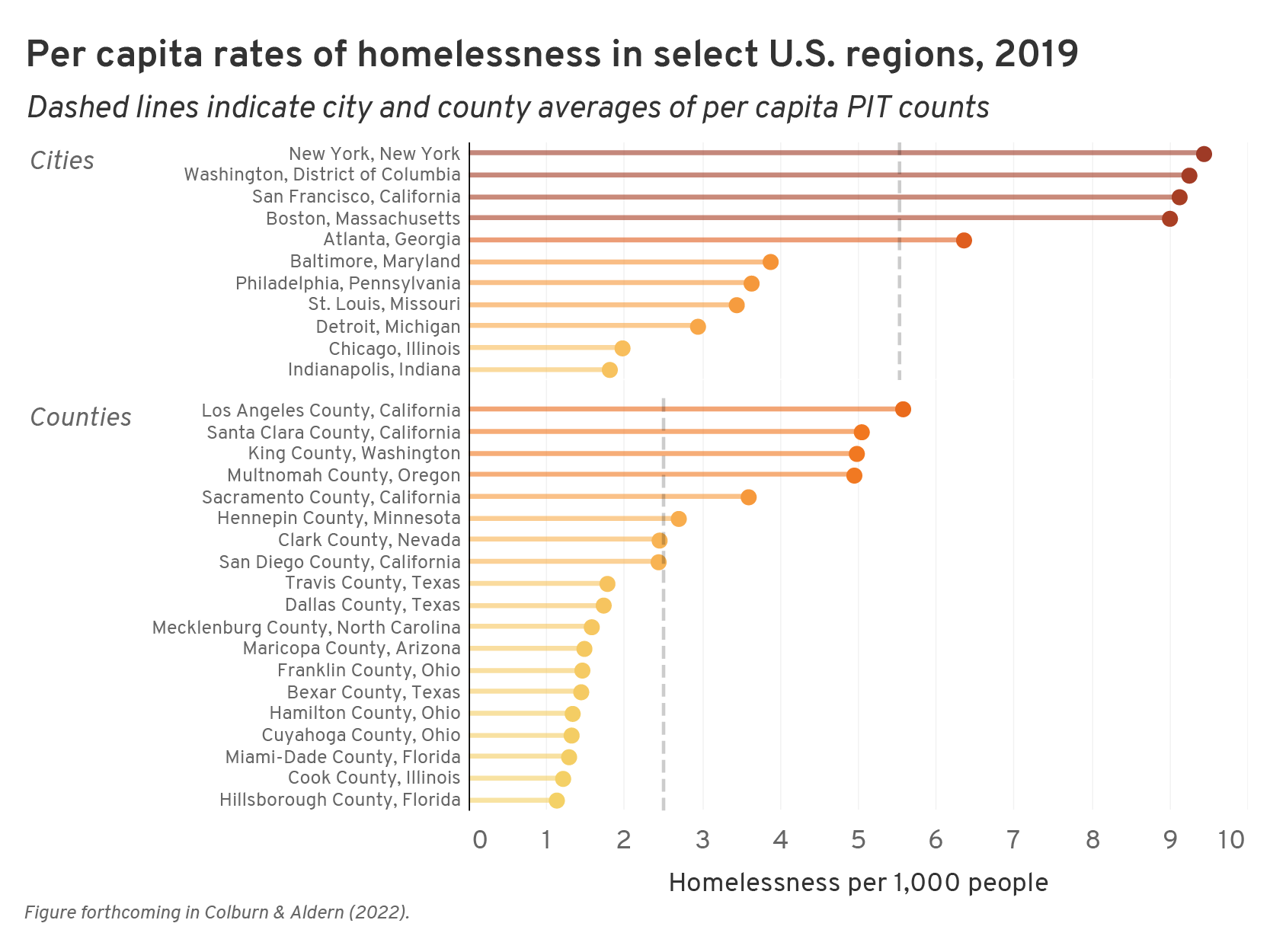
The homelessness crisis in San Francisco is primarily driven by a severe shortage of affordable housing and a widening gap between stagnant wages and record-high living costs. These structural economic factors are compounded by inadequ...
The homelessness crisis in San Francisco is primarily driven by a severe shortage of affordable housing and a widening gap between stagnant wages and record-high living costs. These structural economic factors are compounded by inadequate mental health and substance use recovery systems, systemic failures in social safety nets, and historical zoning constraints that prevent high-density residential development.
Contents
San Francisco has become a global symbol for the complexities of urban homelessness. As we navigate 2026, the city continues to grapple with a visibility of poverty that stands in stark contrast to its immense tech-driven wealth. While public discourse often focuses on individual behaviors, researchers and urban planners agree that the crisis is a product of systemic failures decades in the making. To understand why San Francisco remains at the epicenter of this issue, one must look at the convergence of market forces, policy decisions, and health service gaps.
The Structural Foundation: Housing Supply and Affordability
The most significant driver of homelessness in San Francisco is the fundamental "housing gap." For decades, the city has added significantly more jobs than housing units. This imbalance creates a hyper-competitive market where even those with moderate incomes struggle to secure a lease. When housing supply is constrained, those at the lowest economic rung are the first to be displaced.
The Disparity Between Wages and Rent
In 2026, the "housing wage"—the hourly rate a full-time worker needs to afford a modest apartment—remains far above the city's minimum wage. While San Francisco has some of the highest local minimum wages in the United States, the cost of a one-bedroom apartment often requires a household income that exceeds what service-sector or entry-level workers earn. This economic pressure means that a single unexpected expense, such as a medical bill or a car repair, can lead directly to an eviction. Once an individual loses their stable housing in such a high-cost market, the barrier to re-entry is nearly insurmountable without significant intervention.
Zoning Restrictions and "NIMBYism"
San Francisco’s geography is limited, but its housing capacity is further restricted by policy. Historically, a large percentage of the city’s residential land was zoned exclusively for single-family homes. This prevented the construction of multi-unit apartment buildings that could house a denser population. Additionally, local opposition to new developments—often referred to as "Not In My Backyard" (NIMBY) sentiment—has historically delayed or blocked affordable housing projects. While state laws passed between 2022 and 2025 have begun to streamline approvals, the cumulative deficit of thousands of housing units continues to push prices upward and residents outward.
Behavioral Health and the Fentanyl Epidemic
While housing costs are the primary driver, behavioral health challenges act as a major complicating factor that prevents many individuals from maintaining stable housing or escaping the streets. The "dual diagnosis" of mental health disorders and substance use is prevalent among the chronically unsheltered population in San Francisco.
The Impact of Synthetic Opioids
By 2026, the fentanyl crisis has reshaped the landscape of homelessness in the Bay Area. Fentanyl's high potency and low cost have led to an unprecedented spike in overdose deaths and have made recovery significantly more difficult for those on the streets. Substance use often begins as a coping mechanism for the trauma of homelessness, but it quickly becomes the primary barrier to engaging with city services. The city’s Department of Public Health has expanded "Street Medicine" teams, but the demand for detox beds and long-term residential treatment continues to outpace availability.
Gaps in Mental Health Services
The deinstitutionalization movement of the late 20th century was intended to move patients from psychiatric hospitals to community-based care. However, the community-based funding never fully materialized. In San Francisco, many individuals with severe mental illness, such as schizophrenia or bipolar disorder, find themselves cycling between emergency rooms, jails, and the streets. Without "permanent supportive housing"—which combines a roof with on-site clinical services—these individuals remain in a state of perpetual crisis.
Systemic Failures in Social Safety Nets
Homelessness is rarely the result of a single event; it is usually the result of a "thinning" of the safety net over time. Several institutional pipelines contribute to the number of people living on San Francisco's streets.
- Foster Care Exits: Youth aging out of the foster care system often lack the financial resources or family support to secure housing in an expensive market. Statistics consistently show that a high percentage of former foster youth experience homelessness within two years of leaving the system.
- Re-entry from Incarceration: Individuals released from jails or prisons face significant discrimination in the housing and job markets. Without dedicated re-entry housing, many go directly from a cell to a sidewalk.
- Veteran Status: Despite federal efforts to curb veteran homelessness, older veterans continue to be overrepresented in the unsheltered population due to service-related trauma and declining physical health.
Governance, Funding, and the 2026 Landscape
The city’s response to homelessness is managed through the Department of Homelessness and Supportive Housing (HSH), which oversees a billion-dollar budget. However, the efficacy of this spending is a point of constant debate.
The Cost of Temporary vs. Permanent Solutions
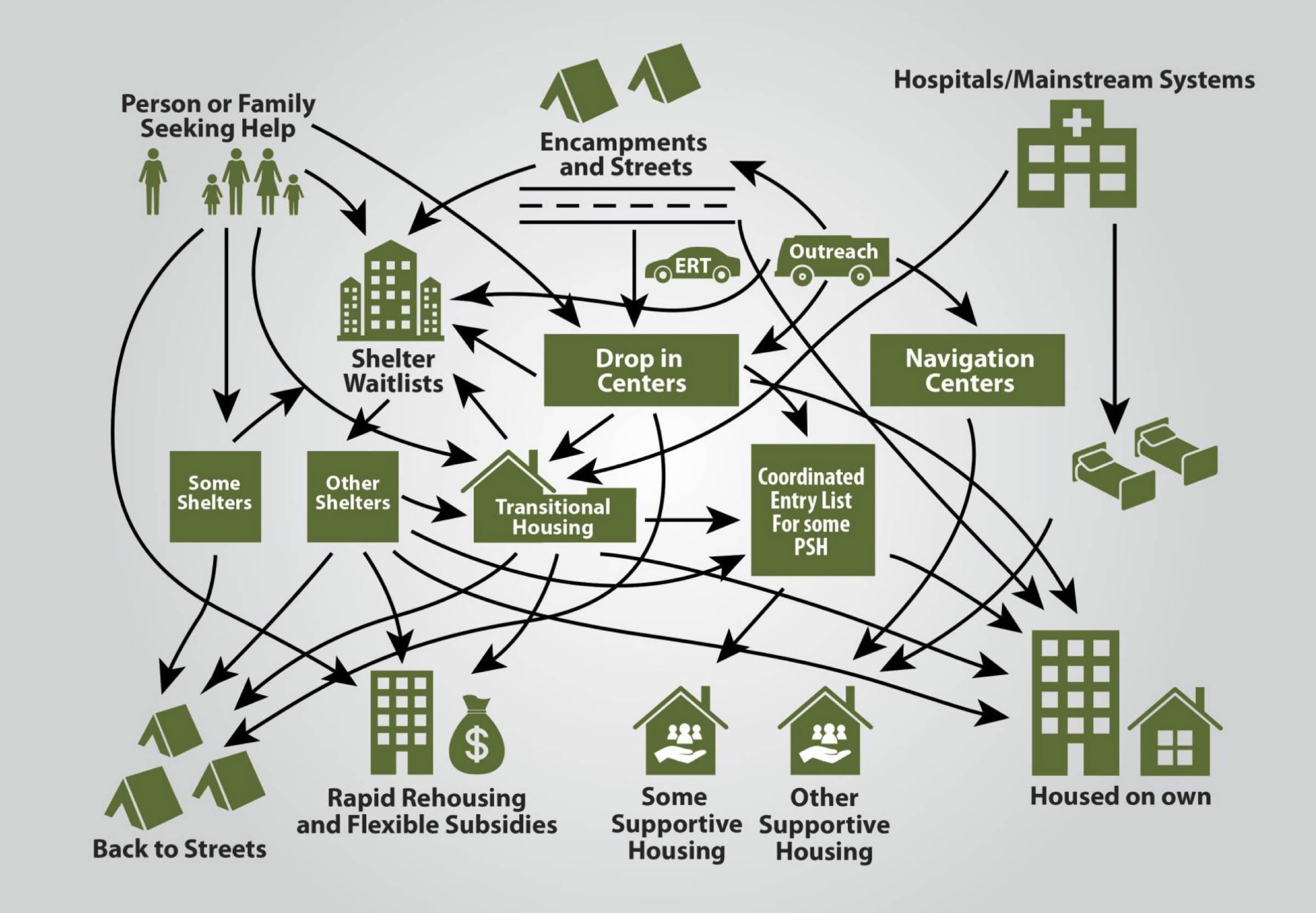
San Francisco spends a significant portion of its budget on emergency shelters and "safe parking" sites. While these provide immediate relief, they do not solve the underlying problem. The cost of building a single unit of permanent supportive housing in San Francisco can exceed $700,000 due to labor costs, material prices, and regulatory fees. This high cost of "production" means that even with substantial tax revenue from initiatives like Proposition C, the city cannot build its way out of the crisis quickly.
Comparison of Key Drivers
The following table summarizes the primary categories driving the crisis and their impact on the population.
| Driver Category | Primary Mechanism | Impact Severity | Long-term Outlook (2026) |
|---|---|---|---|
| Housing Market | High rents and low vacancy rates displace low-income earners. | Critical | Improving slowly with state-mandated zoning reforms. |
| Substance Use | Fentanyl addiction prevents engagement with traditional shelter. | High | Remains a public health emergency; focus on harm reduction. |
| Systemic Gaps | Lack of support for youth aging out of foster care or prison re-entry. | Moderate | Requires state-level policy coordination. |
| Economic Shifts | Tech-driven wealth increases demand for luxury housing, inflating all rents. | High | Ongoing; necessitates high-density affordable mandates. |
| Mental Health | Lack of long-term psychiatric beds for the "chronically" unsheltered. | High | Shift toward "CARE Courts" and conservatorship reforms. |
Legal Mandates and the "Grants Pass" Effect
A pivotal shift in how San Francisco manages its streets occurred following the 2024 Supreme Court ruling in City of Grants Pass v. Johnson. By 2026, this ruling has allowed the city more flexibility in enforcing anti-camping ordinances, even when shelter beds are not immediately available.
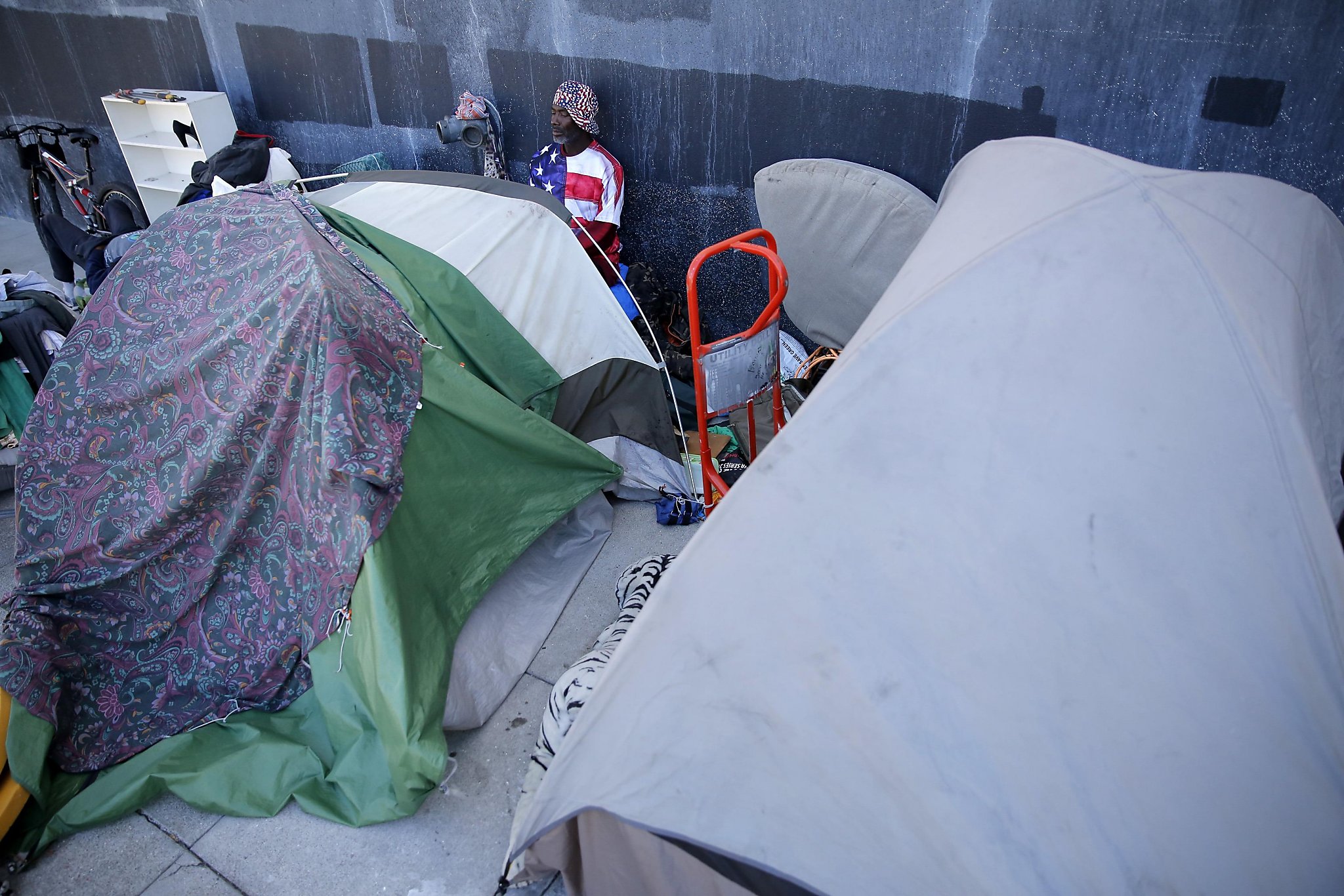
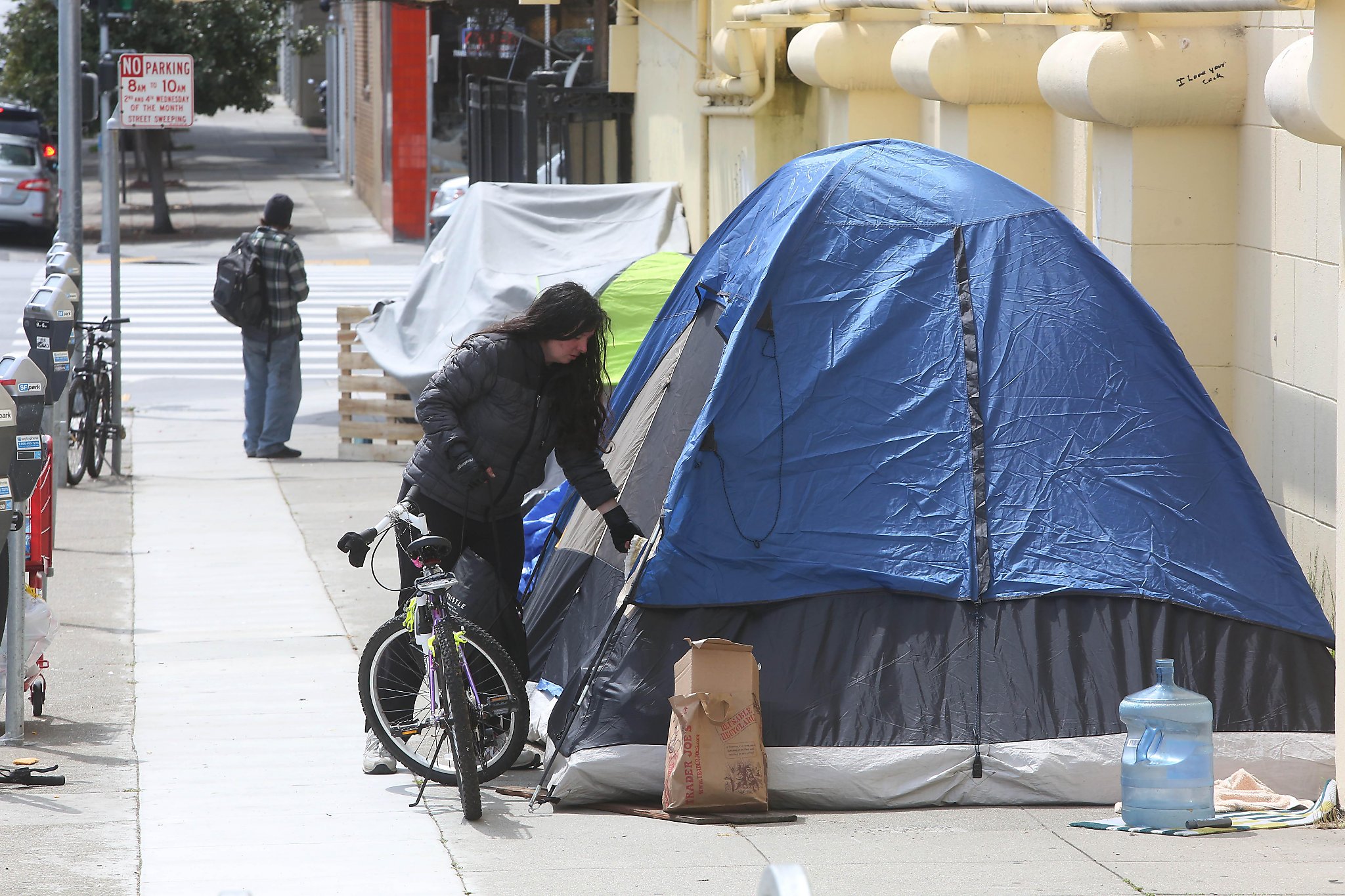
However, legal flexibility has not solved the underlying problem. While the city can now more easily clear encampments, the "shuffling" of people from one block to another does not reduce the total number of homeless individuals. It has, however, pushed the city to invest more heavily in "tiny home" villages and navigation centers, which are faster and cheaper to deploy than traditional apartment buildings.
Frequently Asked Questions
Why do so many people come to San Francisco when they are homeless?
While there is a perception that people travel to San Francisco for its services, data from the city’s Point-in-Time (PIT) counts consistently show that the majority of unhoused individuals (approximately 70%) were living in San Francisco in stable housing before they became homeless. Most people are residents who were "priced out" of their own neighborhoods.
Is the city’s high spending on homelessness making the problem worse?
Spending is often directed at mitigation (shelters, cleaning, emergency rooms) rather than just prevention. Critics argue that the "homelessness industrial complex" lacks accountability, while advocates point out that without this funding, the number of people dying on the streets would be significantly higher. In 2026, the focus has shifted toward stricter auditing of non-profit service providers to ensure funds are tied to housing outcomes.
What is "Housing First" and is it working in SF?
"Housing First" is a policy that prioritizes getting people into permanent housing before addressing other issues like addiction or unemployment. In San Francisco, the model has been successful for those who actually receive a unit, with high retention rates. The failure is not in the model itself, but in the lack of available units to meet the demand.
How has the fentanyl crisis changed the homeless problem?
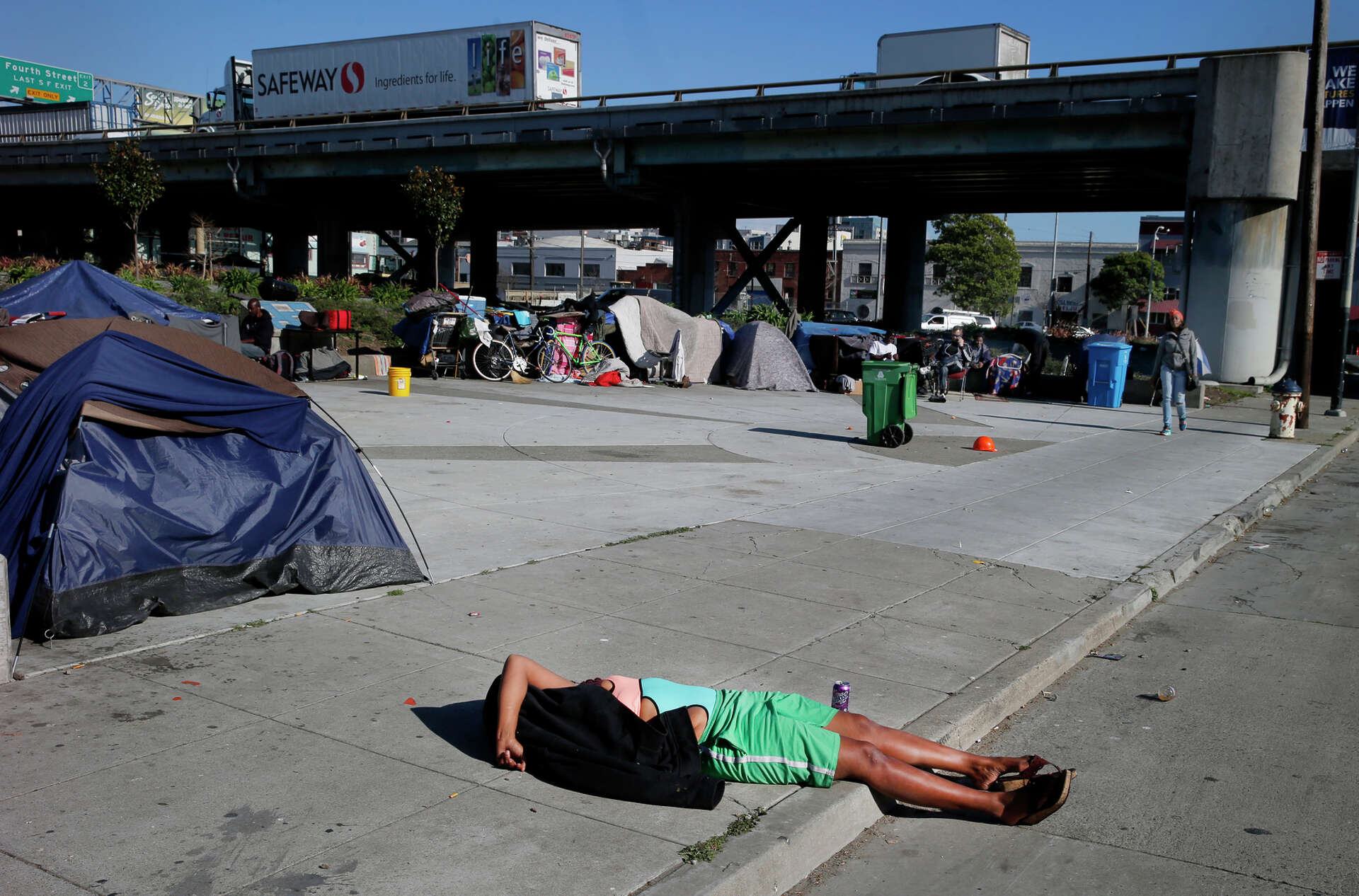
Fentanyl has increased the mortality rate and the "visibility" of the crisis. Because the drug requires frequent dosing, users are often seen in public spaces in states of extreme distress or "nodding out." This has shifted public opinion toward more "tough love" approaches, including mandated treatment and increased police presence in high-use areas like the Tenderloin.
Are tiny houses an effective solution for San Francisco?
Tiny houses and cabin communities provide a faster alternative to traditional construction. They offer privacy and security, which many people prefer over congregate shelters. However, they are considered "interim" solutions; the ultimate goal remains transitioning individuals into permanent apartments.
Practical Recommendations for Residents and Stakeholders
Solving the homelessness problem in San Francisco requires a multi-pronged approach that moves beyond temporary fixes.
- Support High-Density Infill: Residents should advocate for housing developments in their own neighborhoods, particularly projects that include "below market rate" (BMR) units.
- Focus on Regional Coordination: Homelessness is not confined by city borders. San Francisco must work with Daly City, Oakland, and San Jose to create a regional housing and mental health strategy so that no single city carries the entire burden.
- Expand Diversion Programs: Investing in "diversion"—one-time grants for back rent or legal help for those facing eviction—is significantly cheaper than trying to rehouse someone once they are on the street.
- Strengthen Conservatorship Laws: For those with severe, debilitating mental illness who cannot care for themselves, the city must continue to refine and implement compassionate conservatorship programs that provide long-term clinical oversight.
The crisis in 2026 remains a challenge of political will and economic reality. While the path forward is complex, the data suggests that the solution lies in the aggressive expansion of the housing supply coupled with a robust, accessible behavioral health system.
Image Gallery