What Artificial Sweeteners and Gut Health Mean for Modern Nutrition
The relationship between artificial sweeteners and gut health is a cornerstone of modern metabolic nutrition. While these non-nutritive sweeteners (NNS) provide a zero-calorie alternative to sugar, evidence suggests they can significan...
The relationship between artificial sweeteners and gut health is a cornerstone of modern metabolic nutrition. While these non-nutritive sweeteners (NNS) provide a zero-calorie alternative to sugar, evidence suggests they can significantly alter gut microbiota composition and function, potentially leading to impaired glucose tolerance and shifts in metabolic health that counteract their intended benefits.
Contents
The Paradigm Shift in Nutritional Sweeteners
For decades, the nutritional value of artificial sweeteners was calculated solely through a caloric lens. If a substance provided sweetness without the 4 calories per gram found in carbohydrates, it was deemed an inert, "safe" tool for weight management and diabetes control. However, as of 2026, the nutritional community has moved toward a more complex biological model that prioritizes the gut microbiome as a primary mediator of health.
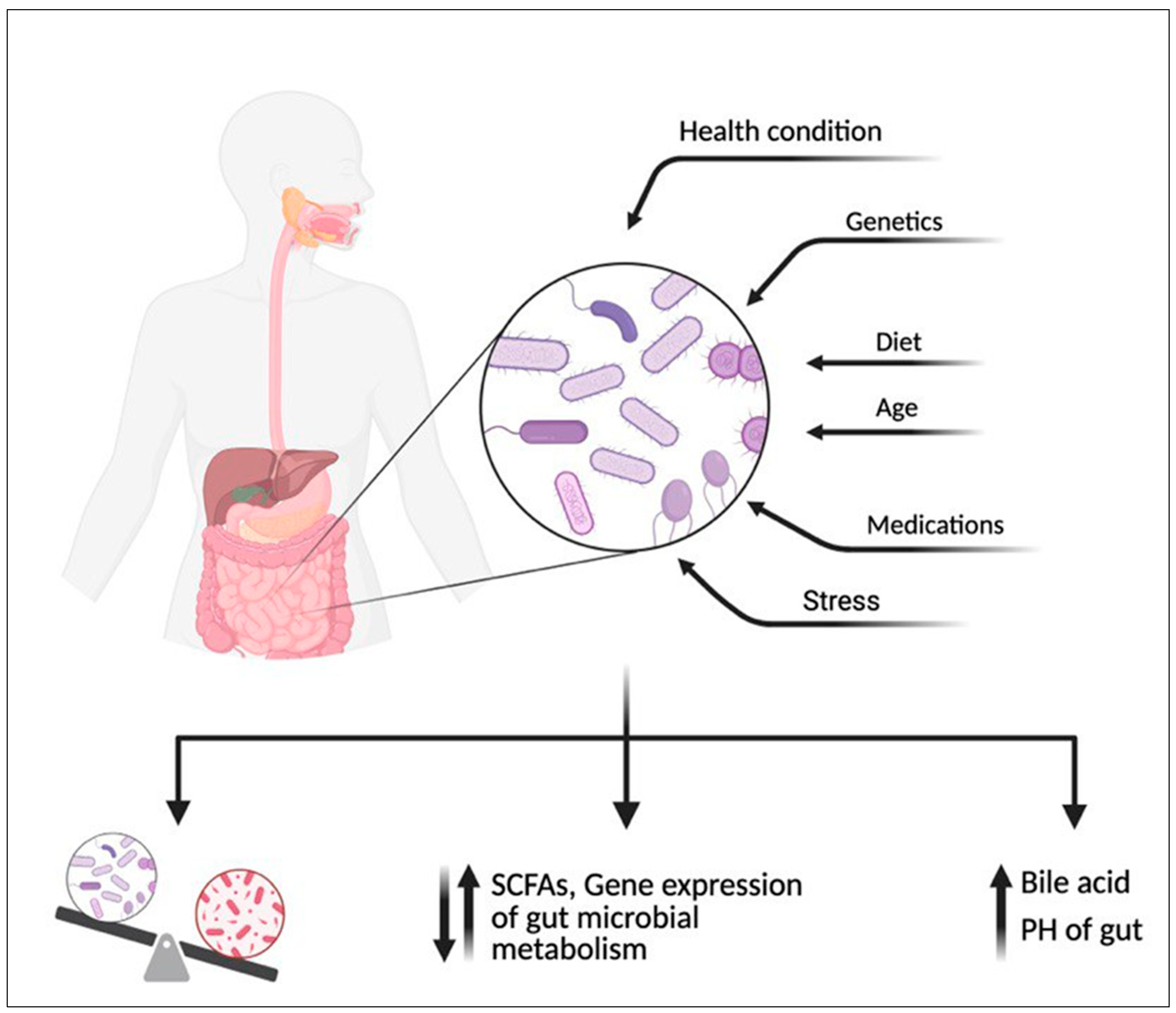
The gut microbiome consists of trillions of microorganisms residing in the digestive tract. These microbes are not passive bystanders; they assist in vitamin synthesis, protect the gut barrier, and influence systemic inflammation. When we introduce synthetic compounds like sucralose, saccharin, or aspartame, we are not just bypassing calories; we are introducing bioactive molecules to this delicate ecosystem. This shift in perspective means that "nutrition" is no longer just about what the human body absorbs, but also about what the gut bacteria consume and how they react.
Mechanisms of Microbiome Alteration
The primary concern in 2026 is how different sweeteners interact with the distal part of the intestine. Not all artificial sweeteners are processed by the body in the same way, which leads to varying impacts on gut health.
Non-Absorbable Sweeteners and the Large Intestine
Sweeteners like sucralose and saccharin are largely not absorbed in the small intestine. They travel through the digestive tract relatively unchanged until they reach the colon. Once there, they encounter the densest population of bacteria in the human body. Research published in journals such as Nature has demonstrated that these compounds can select for specific bacterial strains while inhibiting others, a process known as dysbiosis.
When certain beneficial bacteria, such as Akkermansia muciniphila, are reduced, the integrity of the gut lining can be compromised. Conversely, an overgrowth of pro-inflammatory bacteria can lead to the production of metabolites that enter the bloodstream, triggering low-grade systemic inflammation. This inflammation is a known precursor to insulin resistance, the very condition many people attempt to avoid by using sweeteners.
The Breakdown of Aspartame
Unlike sucralose, aspartame is broken down in the small intestine into its constituent parts: phenylalanine, aspartic acid, and methanol. Because it is digested early, it was long thought to have no impact on the colonic microbiome. However, recent longitudinal studies have explored how even the metabolic byproducts of aspartame can influence the signaling pathways between the gut and the brain, potentially altering appetite regulation and the "sweetness threshold" in the reward centers of the brain.
Metabolic Consequences: The Paradox of Glucose Intolerance
One of the most significant findings in recent nutritional science is the link between sweetener-induced gut changes and glucose intolerance. In several controlled trials, participants who consumed high levels of artificial sweeteners exhibited a poorer glycemic response than those who consumed regular sugar, despite the lack of calories in the sweeteners.
The mechanism appears to be microbial. When the gut flora is altered by NNS, the bacteria may produce more short-chain fatty acids (SCFAs) or other signaling molecules that tell the liver to produce more glucose or reduce the body's sensitivity to insulin. This creates a paradox: a person may use diet sodas to lose weight or manage blood sugar, but the resulting changes in their gut bacteria might actually make it harder for their body to process real carbohydrates when they do consume them.
Comparing Common Sweeteners and Their Gut Impact
The following table summarizes the observed interactions between various sweeteners and the gut environment based on available clinical data through 2026.
| Sweetener Type | Absorption Status | Primary Gut Interaction | Observed Microbiome Effect |
|---|---|---|---|
| Saccharin | Minimal (reaches colon) | Direct microbial contact | Significant shift in bacterial diversity; linked to glucose intolerance. |
| Sucralose | Minimal (reaches colon) | Direct microbial contact | Reduction in beneficial Bifidobacteria and Lactobacilli. |
| Aspartame | Fully digested in small intestine | Metabolic byproduct interaction | Minimal direct colonic impact; potential gut-brain axis signaling changes. |
| Stevia (Rebaudioside A) | Fermented by colonic bacteria | Used as substrate by microbes | Generally neutral; some evidence of prebiotic-like effects in specific doses. |
| Sugar Alcohols (Erythritol) | Partially absorbed | Osmotic effects in the gut | Generally stable, but high doses cause osmotic diarrhea and gas. |
| Neotame | Partially absorbed | Direct microbial contact | May decrease overall microbial diversity and richness. |
The Role of Natural vs. Synthetic Sweeteners
In the 2026 nutritional landscape, a distinction is often made between synthetic sweeteners (like aspartame and sucralose) and plant-derived sweeteners like stevia and monk fruit.
Stevia, derived from the Stevia rebaudiana plant, contains steviol glycosides. These are not absorbed in the upper gastrointestinal tract but are broken down by bacteria in the colon. Interestingly, some research indicates that these glycosides do not cause the same level of dysbiosis as their synthetic counterparts. Some studies suggest that certain strains of bacteria may even thrive on steviol glycosides without triggering the inflammatory responses seen with saccharin.
However, "natural" does not automatically mean "gut-safe." The concentration of these compounds in processed foods often far exceeds what would be found in nature. For nutritionists, the recommendation has shifted away from finding a "perfect" sweetener toward reducing the overall reliance on high-intensity sweetness, whether natural or synthetic.
Practical Implications for Daily Nutrition
Understanding what artificial sweeteners mean for gut health requires a shift in how we approach food labeling and dietary choices.
- The Sweetness Threshold: Constant exposure to high-intensity sweeteners (which can be 200 to 20,000 times sweeter than table sugar) can desensitize the palate. This makes naturally sweet foods like fruit taste bland and can lead to increased cravings for calorie-dense processed foods.
- Gut Barrier Integrity: For individuals with existing digestive issues, such as Irritable Bowel Syndrome (IBS) or "leaky gut" (increased intestinal permeability), avoiding synthetic sweeteners is often a primary clinical recommendation. The potential for these compounds to further irritate the gut lining makes them a liability for digestive recovery.
- Personalized Responses: Research has shown that the microbiome's response to sweeteners is highly individualized. Some people may consume sucralose with no measurable change in their glucose response, while others show immediate metabolic shifts. This suggests that the baseline state of one's microbiome determines how "harmful" a sweetener might be.
Moving Toward a Microbiome-Centric Diet
In 2026, the World Health Organization and other health bodies emphasize that NNS should not be used as a primary strategy for weight loss. Instead, the focus has returned to whole-food nutrition.
If the goal is gut health, the inclusion of fiber and polyphenols is essential. These act as prebiotics, feeding the beneficial bacteria that artificial sweeteners might otherwise suppress. When artificial sweeteners are used, they should be viewed as a transitional tool rather than a permanent dietary fixture. For example, moving from high-sugar sodas to diet versions may provide a short-term benefit for blood sugar, but the long-term goal should be water, herbal teas, or fermented beverages like kombucha (in moderation) to support the gut ecosystem.
FAQ
Can I "fix" my gut health after years of using artificial sweeteners?
Yes, the gut microbiome is highly plastic and can begin to shift within days of a dietary change. Research in the National Institutes of Health (NIH) database suggests that removing the offending sweeteners and increasing intake of diverse plant fibers and fermented foods can help restore microbial balance and improve glucose sensitivity over several weeks.
Is Stevia better for gut health than sucralose?
Current evidence suggests that Stevia has a more neutral effect on gut bacteria compared to sucralose and saccharin. Because it is a plant-derived glycoside that gut bacteria are more "familiar" with in an evolutionary sense, it does not seem to trigger the same level of metabolic dysbiosis, though moderation is still advised.
Do artificial sweeteners cause weight gain through the gut?
They can indirectly contribute to weight gain. By altering the microbiome, they may increase the body's efficiency at harvesting energy from other foods or cause metabolic changes that promote fat storage. This is why many large-scale observational studies find a correlation between diet soda consumption and increased waist circumference.
Are sugar alcohols like erythritol safe for the microbiome?
Erythritol is generally considered one of the safer options for the gut because about 90% of it is absorbed in the small intestine and excreted via urine, meaning very little reaches the colonic bacteria. However, other sugar alcohols like sorbitol and xylitol can cause significant bloating and gas because they are fermented by bacteria.
Should people with diabetes avoid all artificial sweeteners?
While sweeteners can help manage acute spikes in blood glucose, the long-term impact on insulin sensitivity via the gut microbiome should be considered. Patients are encouraged to work with a dietitian to focus on low-glycemic whole foods rather than relying heavily on NNS-sweetened products.
Recommendation for Next Actions
To optimize both metabolic and gut health, begin by conducting a "sweetener audit" of your current diet. Identify hidden sources of NNS in products like protein powders, "fit" yogurts, and zero-calorie flavored waters. Gradually reduce these in favor of unsweetened versions, using small amounts of whole-food sweeteners like raw honey or fruit purees if necessary. Prioritize a diverse intake of at least 30 different plant types per week to provide the prebiotic fiber necessary to buffer the gut against any occasional sweetener consumption. For those with persistent metabolic or digestive issues, a microbiome stool test or a continuous glucose monitor (CGM) may provide personalized insights into how specific sweeteners are affecting your unique biological profile.
Image Gallery