Thick Endometrium on Ultrasound: Understanding Causes and Management
A thick endometrium, identified during a transvaginal ultrasound, refers to a uterine lining that measures beyond the expected range for a person's menstrual cycle phase or menopausal status. While often caused by benign conditions lik...
A thick endometrium, identified during a transvaginal ultrasound, refers to a uterine lining that measures beyond the expected range for a person's menstrual cycle phase or menopausal status. While often caused by benign conditions like polyps or hormonal fluctuations, an abnormally thick lining requires clinical evaluation to rule out endometrial hyperplasia or uterine cancer.
Contents
The endometrium is a dynamic tissue that responds to the ebb and flow of estrogen and progesterone. In a clinical setting, "endometrial thickness" (ET) is a measurement of the double-layer thickness of the uterine lining, typically captured via a transvaginal ultrasound (TVUS). Understanding what constitutes a "thick" lining is complex because the definition of "normal" changes significantly throughout a person’s life. As of 2026, medical protocols remain focused on using this measurement as a primary screening tool to determine if more invasive diagnostic steps, such as a biopsy, are necessary.
The Biological Role and Measurement of the Endometrium
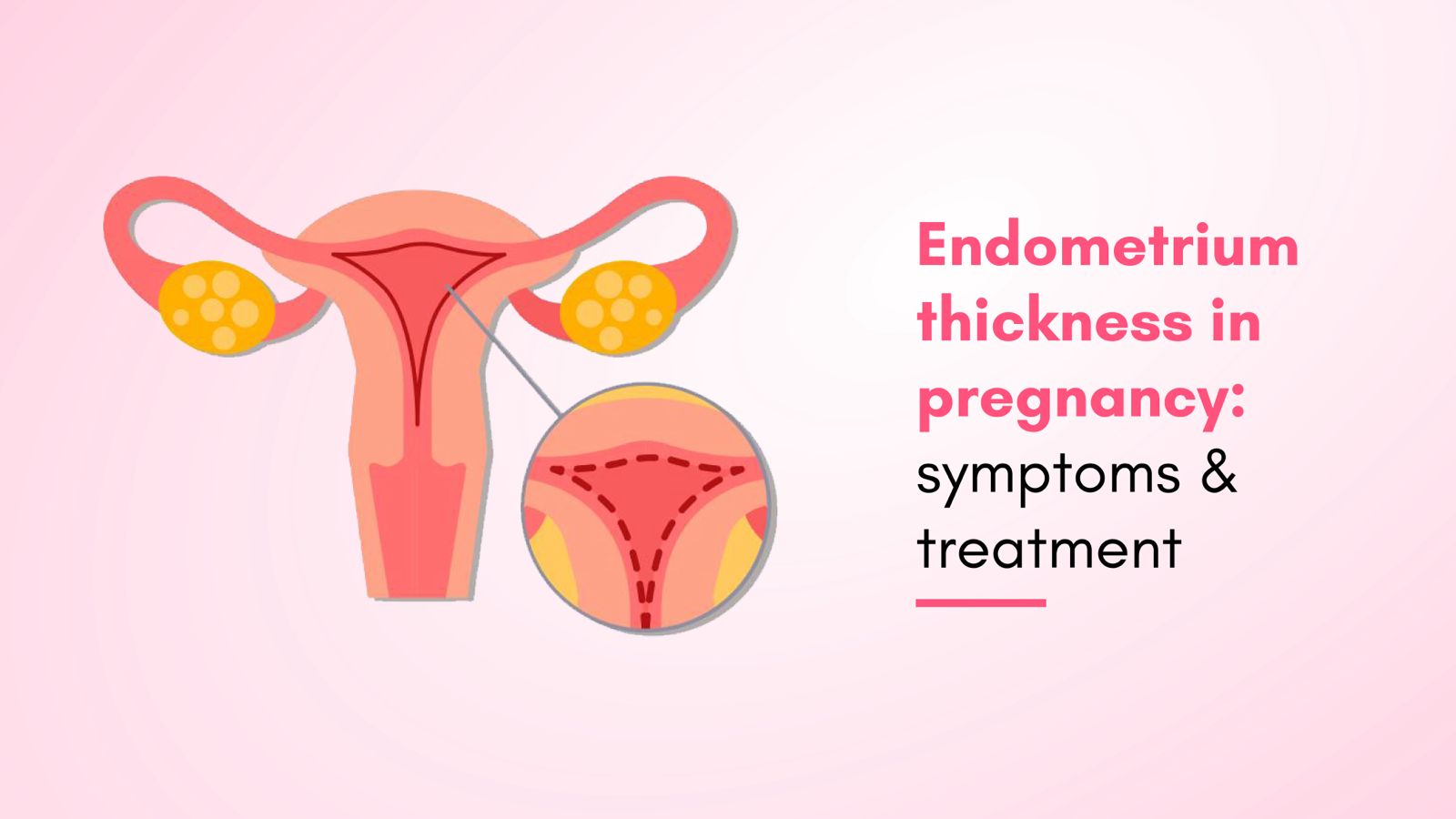
The endometrium serves as the internal lining of the uterus, providing the site for embryo implantation. In the absence of pregnancy, the upper layers are shed during menstruation. Measuring this lining via ultrasound allows clinicians to assess the reproductive health of the patient and identify potential abnormalities.
During a transvaginal ultrasound, the technician measures the "endometrial stripe." This measurement is taken at the thickest part of the fundus (the top part of the uterus) in the sagittal plane. The accuracy of this measurement is paramount; factors such as uterine fibroids, the presence of an intrauterine device (IUD), or previous surgeries can sometimes obscure the view, making the endometrium appear thicker or more irregular than it actually is.
For premenopausal individuals, the thickness fluctuates predictably. In the early follicular phase (days 1–5), it may be as thin as 2–4 mm. By the time of ovulation (proliferative phase), it usually reaches 8–11 mm. Following ovulation (secretory phase), it can thicken up to 16 mm or even slightly more as it prepares for a potential pregnancy. In postmenopausal individuals, however, the lack of estrogen usually results in a thin, atrophic lining, typically measuring less than 5 mm.
Interpreting Ultrasound Results: Normal vs. Abnormal Ranges
Interpretation of a thick endometrium depends heavily on the patient's clinical context, including symptoms like abnormal uterine bleeding (AUB) and their specific stage in the reproductive lifecycle.
| Patient Status | Normal Range (mm) | Thickened Threshold (mm) | Clinical Implication |
|---|---|---|---|
| Premenopausal (Early Cycle) | 2 – 5 mm | > 8 mm (at this phase) | Potential polyps or retained tissue. |
| Premenopausal (Mid/Late Cycle) | 8 – 16 mm | > 16 – 20 mm | May be physiological or hormonal imbalance. |
| Postmenopausal (Asymptomatic) | < 8 – 11 mm | > 11 mm | Observation often recommended unless risk factors exist. |
| Postmenopausal (with Bleeding) | < 4 mm | > 4 – 5 mm | Significant risk for hyperplasia or cancer; biopsy required. |
| Pregnancy (Early) | Varied | Varied | Lining thickens naturally to support the gestational sac. |
In 2026, the threshold for postmenopausal patients with bleeding remains strict. A measurement greater than 4 mm in the presence of spotting is a primary indicator for further investigation. For those without symptoms, clinicians may use a more relaxed threshold (up to 11 mm) before recommending invasive procedures, provided there are no other risk factors.
Common Causes of Endometrial Thickening
A finding of a thick endometrium is not a diagnosis in itself; it is a clinical sign that requires a search for the underlying cause. These causes are generally categorized into benign, hormonal, and neoplastic (cancer-related).
Benign Structural Issues
One of the most frequent causes of a "thickened" appearance on ultrasound is the presence of endometrial polyps. These are overgrowths of the endometrial glands and stroma. On a standard ultrasound, a polyp can make the entire lining appear bulky or irregular. Similarly, uterine fibroids (leiomyomas), especially those located just beneath the lining (submucosal), can distort the endometrium and lead to an increased thickness measurement.
Hormonal Imbalance and Estrogen Dominance
The endometrium grows in response to estrogen. If estrogen is not balanced by progesterone, the lining can grow excessively. This condition, known as estrogen dominance, is common in individuals with Polycystic Ovary Syndrome (PCOS), where infrequent ovulation leads to prolonged estrogen exposure without the shedding associated with a period. Other factors include obesity, as adipose (fat) tissue converts androgens into estrogen, and the use of certain medications like Tamoxifen, used in breast cancer treatment, which has an estrogen-like effect on the uterus.
Endometrial Hyperplasia
Endometrial hyperplasia is a condition where the lining becomes too thick due to an increase in the number of cells. It is categorized into two main types:
- Hyperplasia without atypia: A benign condition usually treatable with hormone therapy.
- Atypical hyperplasia: A precancerous condition where the cells look abnormal. This carries a high risk of progressing to or co-existing with endometrial cancer.
Malignancy (Endometrial Cancer)
The most serious cause of a thick endometrium is endometrial adenocarcinoma. This is the most common gynecological cancer in developed countries. It is most frequently found in postmenopausal patients, which is why any thickening in this demographic is treated with high clinical suspicion. Early detection via ultrasound and subsequent biopsy is critical for a high survival rate.
Symptoms Associated with a Thick Endometrium
While some patients may have a thick endometrium detected incidentally during an ultrasound for other reasons (such as pelvic pain or fertility tracking), most present with specific symptoms:
- Abnormal Uterine Bleeding (AUB): This is the hallmark symptom. It includes heavy periods (menorrhagia), bleeding between periods (metrorrhagia), or any bleeding after menopause.
- Pelvic Pain: While less common, significant thickening or the presence of large polyps can cause uterine cramping.
- Difficulty Conceiving: A lining that is too thick (or too thin) or irregular can interfere with the successful implantation of an embryo.
- Asymptomatic Findings: In postmenopausal women, a thick lining might be discovered during routine screening or workups for unrelated issues.
Diagnostic Pathways and Next Steps
When an ultrasound reveals a thick endometrium, the physician must decide if further testing is needed. The choice of procedure depends on the patient's age, symptoms, and the specific appearance of the lining (e.g., whether it is "heterogeneous" or "homogeneous").
Endometrial Biopsy (EMB)
This is often the first-line diagnostic tool. It is an office-based procedure where a thin, flexible tube (Pipelle) is inserted into the uterus to collect a small tissue sample. It is highly effective at detecting global issues like cancer or hyperplasia but can sometimes miss localized issues like small polyps.
Saline Infusion Sonohysterography (SIS)
If a polyp or fibroid is suspected, a saline infusion sonogram may be performed. Sterile saline is injected into the uterine cavity during an ultrasound to distend the walls. This provides a clear "map" of the interior, allowing the doctor to see if the thickening is focal (in one spot) or diffuse (all over).
Hysteroscopy and Dilation & Curettage (D&C)
Hysteroscopy involves inserting a small camera into the uterus to visualize the lining directly. It is often combined with a D&C, where the lining is gently scraped and sampled. This is considered the "gold standard" for diagnosis because it allows for direct visualization and more comprehensive sampling than a blind biopsy.
Management and Treatment Options
Treatment for a thick endometrium is strictly dictated by the underlying cause and the patient's future reproductive goals.
Medical Management
For benign thickening caused by hormonal imbalances or hyperplasia without atypia, Progestin therapy is the standard treatment. Progestins (synthetic progesterone) counteract the effects of estrogen, causing the lining to thin and shed. This can be administered via oral pills, injections, or a progestin-releasing IUD (such as the Mirena).
Surgical Management
If the thickening is caused by structural issues like polyps or fibroids, surgical removal (polypectomy or myomectomy) via hysteroscopy is typically curative. In cases of atypical hyperplasia or confirmed endometrial cancer, a hysterectomy (removal of the uterus) is usually the recommended course of action to prevent the spread of the disease.
Lifestyle and Prevention
Since obesity is a significant risk factor for estrogen-driven endometrial thickening, weight management through diet and exercise is a key preventive strategy. Additionally, individuals on estrogen-only hormone replacement therapy (HRT) who still have a uterus must take progesterone alongside it to protect the endometrial lining.
Frequently Asked Questions
Does a thick endometrium always mean cancer?
No. In premenopausal women, a thick endometrium is most often a normal part of the menstrual cycle or caused by benign polyps. Even in postmenopausal women, many cases of thickening are due to atrophy or benign polyps rather than malignancy. However, because cancer is a possibility, it must be ruled out.
Can stress cause the endometrium to thicken?
Stress can disrupt the hypothalamic-pituitary-ovarian axis, leading to irregular ovulation. If ovulation is delayed or skipped, the body may continue to produce estrogen without the balancing effect of progesterone, which can lead to a temporarily thicker lining.
What is the "cutoff" measurement for concern in 2026?
The generally accepted "red flag" measurement for postmenopausal women with bleeding is 4 mm or 5 mm. For postmenopausal women without bleeding, the threshold for investigation is typically 11 mm. For premenopausal women, there is no single cutoff, as measurements up to 16–20 mm can be normal in the late stages of the cycle.
Is an endometrial biopsy painful?
An endometrial biopsy can cause significant cramping for about 30 to 60 seconds during the procedure. Most patients find it manageable with over-the-counter pain relief (like ibuprofen) taken an hour before the appointment, though some may require local anesthesia.
Can an IUD make the endometrium look thick?
An IUD can cause "acoustic shadowing" or inflammation that may interfere with the ultrasound's ability to measure the lining accurately. Conversely, a progestin-releasing IUD is actually a treatment to thin the endometrium, often resulting in a very thin, "atrophic" measurement over time.
Next Actions for Patients
If your ultrasound report indicates a thick endometrium, the first step is to discuss the timing of the scan with your doctor. If the scan was performed late in your menstrual cycle, they may suggest repeating the ultrasound on day 3 to 5 of your next period when the lining should be at its thinnest. If you are postmenopausal or experiencing abnormal bleeding, you should prepare for a diagnostic follow-up, such as an endometrial biopsy or hysteroscopy, to ensure an accurate diagnosis and timely treatment.
Disclaimer: This article is for informational purposes only and does not constitute medical advice. Consult with a qualified healthcare professional for diagnosis and treatment of any medical condition.
Image Gallery