What to Expect on a Wunderpus Liveaboard Trip
A Wunderpus liveaboard trip offers an intimate, owner-operated diving experience through Indonesia’s Komodo National Park. Expect small group sizes, personalized service on a traditional Phinisi schooner, and a focus on both macro life...
A Wunderpus liveaboard trip offers an intimate, owner-operated diving experience through Indonesia’s Komodo National Park. Expect small group sizes, personalized service on a traditional Phinisi schooner, and a focus on both macro life and big pelagics. It balances rustic charm with professional dive operations for an immersive, high-value marine adventure.
Contents
Navigating the waters of Komodo National Park requires a specific blend of local knowledge and nautical expertise. The Wunderpus, a traditional Indonesian Phinisi, has carved a niche for itself by offering a "home-away-from-home" atmosphere that contrasts sharply with the larger, more corporate "hotel-style" liveaboards. As we move through the 2026 diving season, the vessel remains a top choice for photographers and enthusiasts who prioritize dive time and small group ratios over lavish luxury.
The Vessel: Traditional Phinisi Craftsmanship
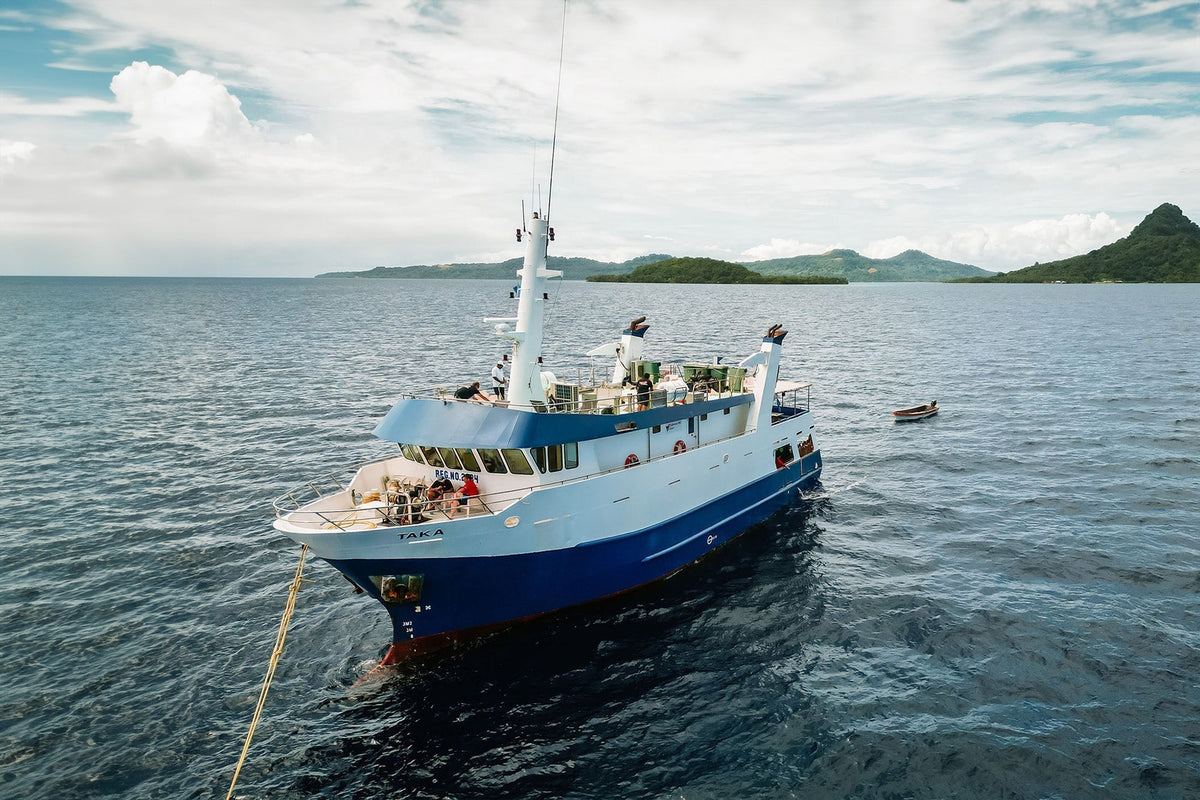
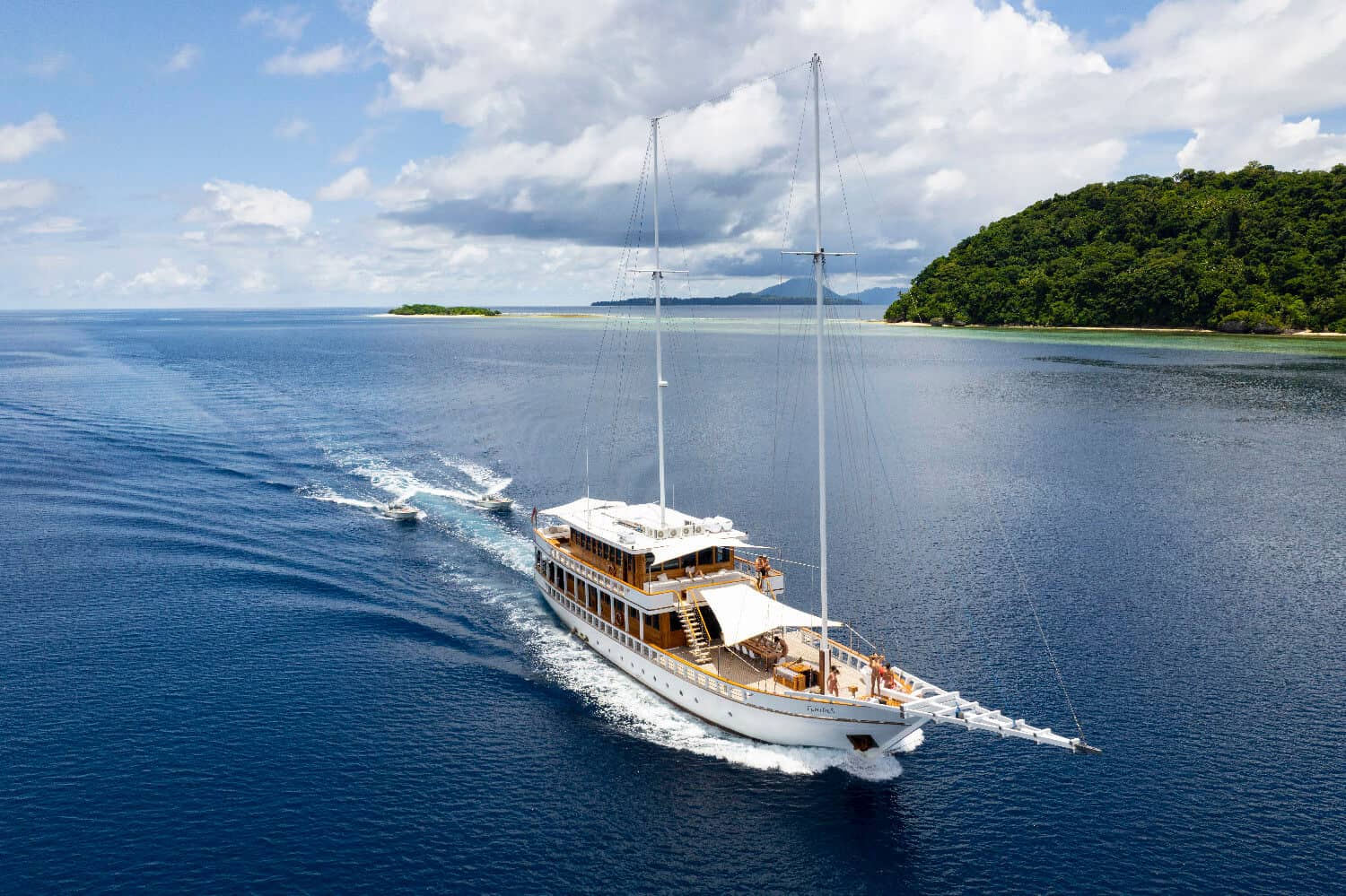
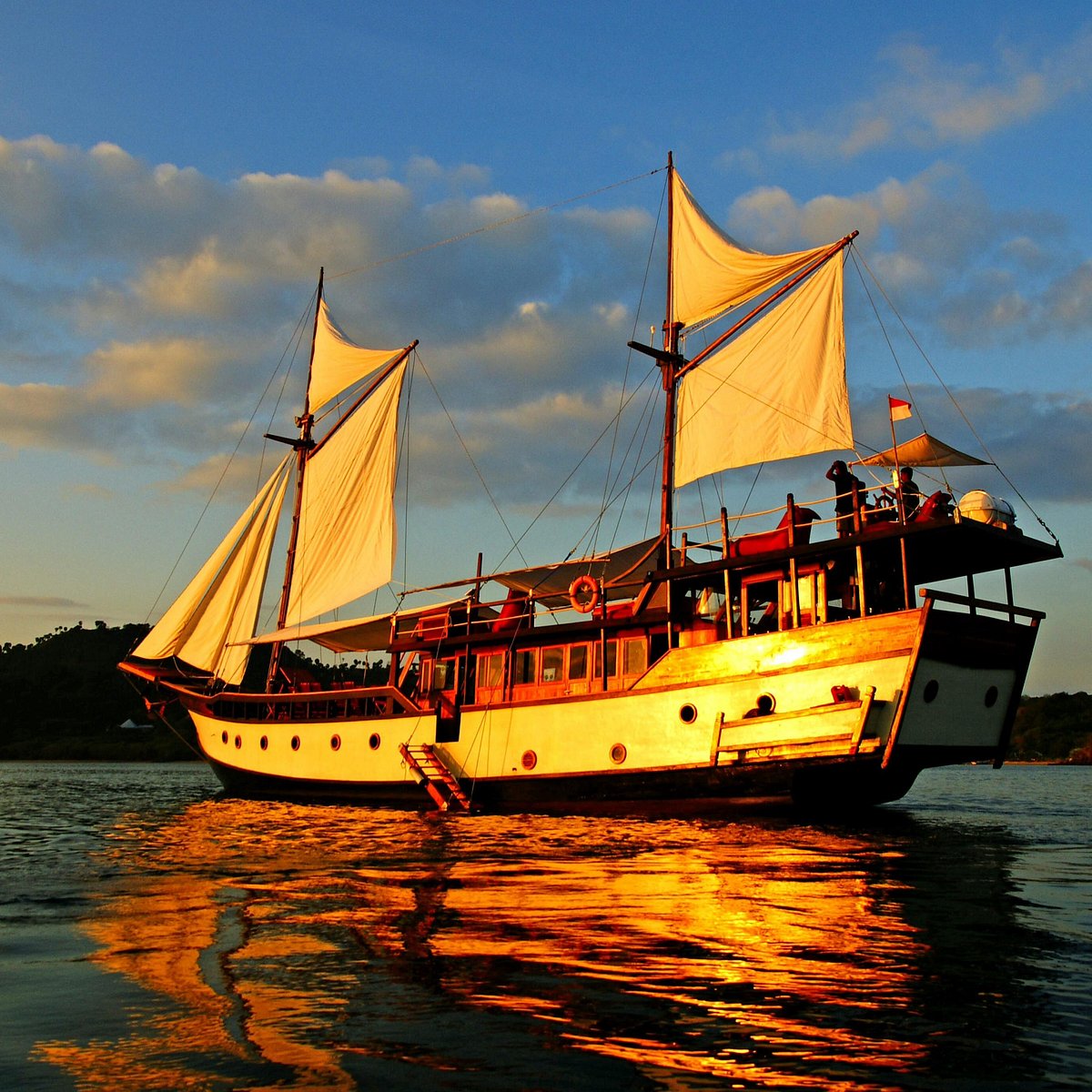
The Wunderpus is a 25-meter traditional wooden schooner, hand-crafted from tropical hardwoods like teak and ironwood. Unlike modern fiberglass hulls, a Phinisi provides a sturdy, heavy feel in the water, which is particularly beneficial when navigating the sometimes-choppy Linta Strait.
Cabin Layout and Amenities
Onboard, the accommodation is designed for a maximum of eight guests, ensuring that the vessel never feels overcrowded. There are four main cabins, typically configured as doubles or twins. While the aesthetic is "rustic-chic," the amenities are modern where they matter most.
Each cabin is equipped with individually controlled air conditioning—a necessity in the humid Indonesian climate—and private ensuite bathrooms with hot water showers. In 2026, storage solutions have been optimized to accommodate technical divers and photographers who carry significant amounts of gear. However, space remains at a premium compared to 50-meter vessels; guests should expect cozy quarters rather than expansive suites.
Common Areas and Social Atmosphere
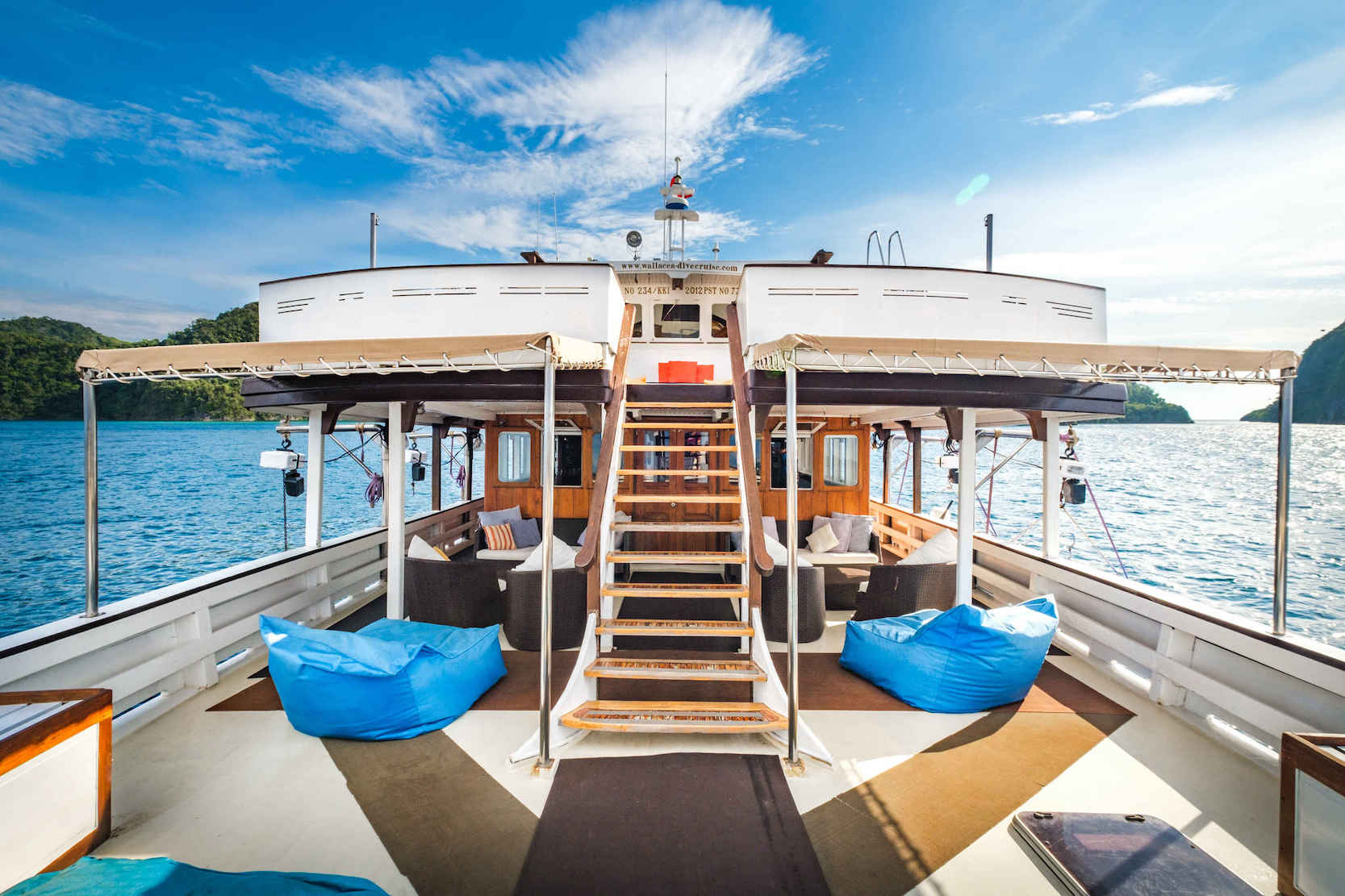
The heart of the boat is the open-air dining and lounge area. Because the Wunderpus is owner-operated, the social atmosphere is often more relaxed and communal than on larger ships. You will likely find yourself sharing stories with the cruise director and dive guides over meals. The "sun deck" provides a space for relaxation between dives, featuring comfortable bean bags and mats, though shade is usually prioritized during the midday heat.
The Diving Experience in Komodo
Diving is the primary reason travelers book the Wunderpus. The operation is tailored to maximize time in the water while maintaining a strict adherence to safety, given Komodo’s notorious currents.
Small Group Ratios
One of the standout features of a Wunderpus trip is the guide-to-guest ratio. Frequently operating at a 1:4 or even 1:2 ratio, the experience is highly personalized. This is particularly advantageous for underwater photographers who need time to compose shots of a pygmy seahorse or those who require a closer eye during high-energy drift dives.
Iconic Dive Sites
Depending on the length of your itinerary (usually ranging from 3 to 7 nights), the boat covers the three distinct sectors of the park:
- North Komodo: Known for high-visibility and high-energy sites like Castle Rock and Crystal Rock. Expect schools of grey reef sharks, giant trevally, and massive schools of fusiliers.
- Central Komodo: Home to the famous Manta Point (Karang Makassar) and Batu Bolong. This area offers a mix of drift dives and vibrant coral gardens.
- South Komodo (Rinca/Padar): Often slightly cooler and richer in nutrients. Sites like Cannibal Rock are world-renowned for macro life, including nudibranchs, frogfish, and the namesake Wunderpus octopus.
Diving Logistics and Safety
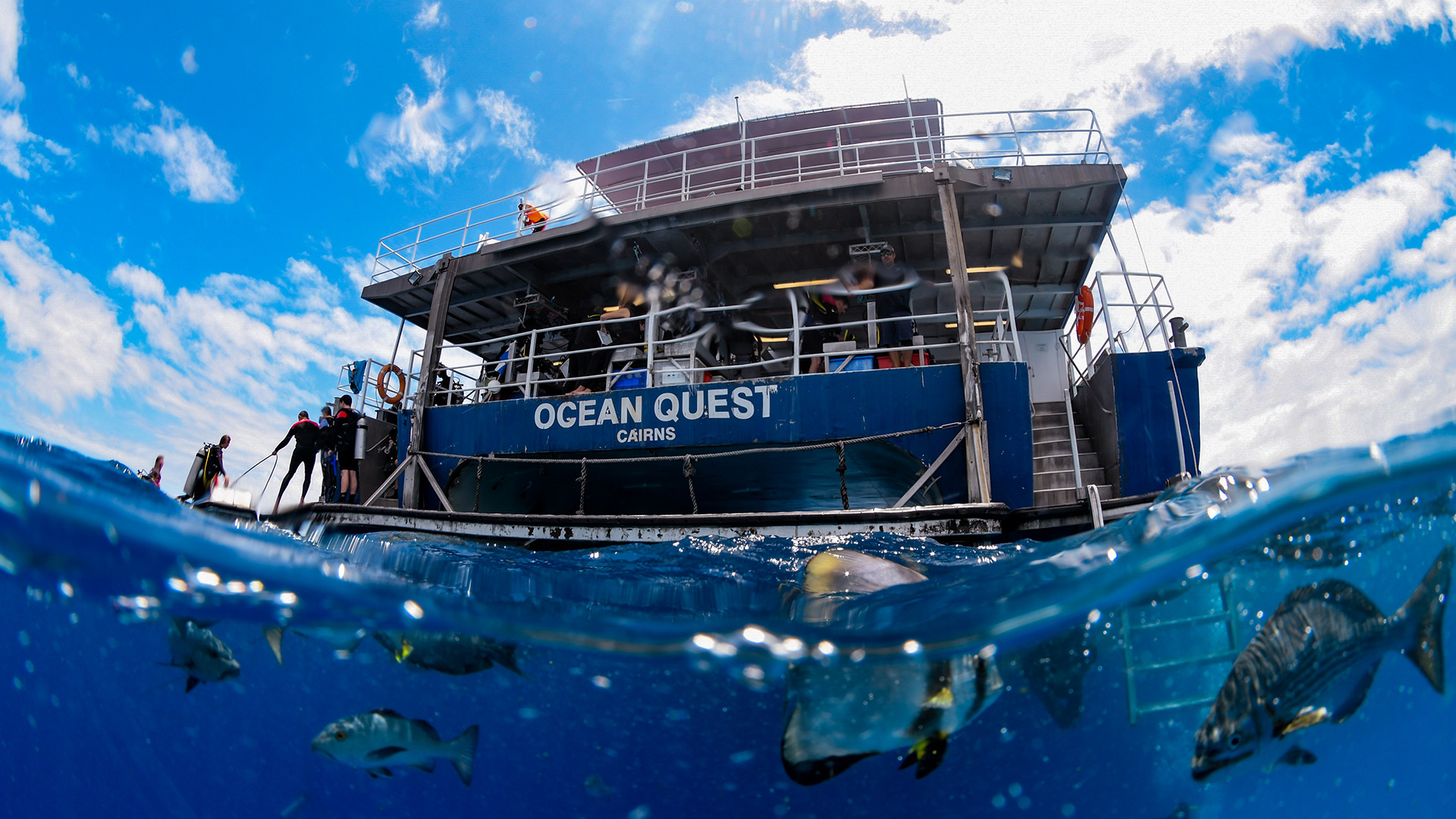
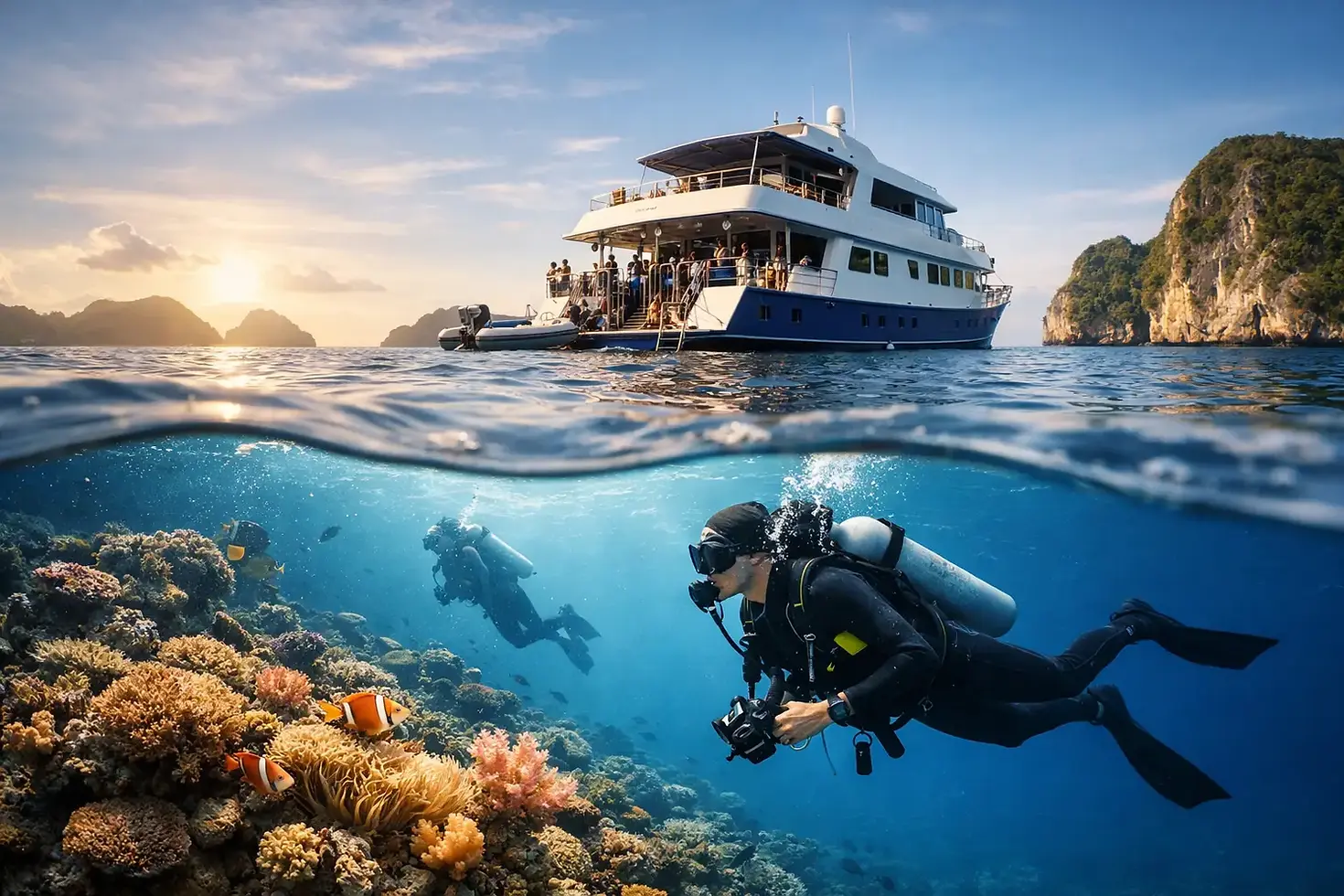
The dive deck is organized efficiently. Each diver is assigned a station for the duration of the trip. Nitrox is available and highly recommended for the repetitive deep dives common in the North. Given that the 2026 season has seen a continued emphasis on safety standards, the Wunderpus provides or requires Surface Marker Buoys (SMBs) for every diver and uses sturdy RIBs (Rigid Inflatable Boats) for nimble drop-offs and pick-ups.
Daily Life and Gastronomy
The rhythm of a liveaboard trip is famously described as "Eat, Sleep, Dive, Repeat," and the Wunderpus executes this cycle with a focus on quality.
Typical Daily Schedule
- 06:00: Light breakfast and dive briefing.
- 07:00: Dive 1 (often the "big" morning site).
- 09:00: Full cooked breakfast.
- 11:00: Dive 2.
- 13:00: Lunch followed by a rest period.
- 15:00: Dive 3 or a land excursion (e.g., Padar Island trekking).
- 17:00: Afternoon snacks and sunset relaxation.
- 19:00: Night dive (optional but frequent).
- 20:30: Dinner and socializing.
Onboard Catering
The food on Wunderpus is a highlight, often cited as exceeding the expectations of a vessel its size. The menu is a fusion of Western favorites and traditional Indonesian cuisine. Freshness is key; the crew often sources local produce from Labuan Bajo just before departure. Expect plenty of fresh fruit, grilled fish, and the occasional "Nasi Goreng" or "Rendang" that showcases the flavors of the archipelago. Dietary restrictions (vegan, gluten-free) are generally well-accommodated if communicated in advance.
Land Excursions and the Komodo Dragons
No trip to Komodo is complete without seeing the world’s largest lizards. Wunderpus itineraries include guided treks on either Rinca or Komodo Island. Under the supervision of National Park rangers, you will observe the Komodo dragons in their natural habitat.
Additionally, many trips include a hike to the summit of Padar Island for the iconic three-bay panoramic view. These excursions provide a necessary break from nitrogen loading and allow guests to appreciate the rugged, volcanic beauty of the Lesser Sunda Islands.
Technical Specifications and Trip Preparation
Before booking, it is essential to understand the requirements for a trip of this nature. Komodo is not an entry-level diving destination.
| Feature | Specification / Requirement |
|---|---|
| Vessel Type | Traditional Indonesian Phinisi (Wooden) |
| Length / Beam | 25m / 5.5m |
| Max Guests | 8 |
| Minimum Certification | PADI Advanced Open Water (or equivalent) |
| Minimum Dives | 30-50 logged dives recommended |
| Water Temperature | 24°C (South) to 29°C (North) |
| Recommended Wetsuit | 3mm or 5mm full suit + hood |
| Park Fees | Paid locally in IDR (subject to govt. changes) |
Essential Gear to Pack
While the Wunderpus offers rental equipment, many divers prefer their own gear for comfort and familiarity. Because of the currents, a high-quality, large-surface-area SMB and a nautilus lifeline or similar GPS radio are excellent additions to your kit. For photography, bring extra batteries and O-rings, as specialized spares can be difficult to find in Labuan Bajo.
Comparison: Wunderpus vs. Large Fleet Vessels
Choosing between a boutique boat like Wunderpus and a large fleet vessel (like those operated by Aggressor or Siren) depends on your priorities.
- Flexibility: Small boats can often pivot their itinerary based on weather or the presence of other boats. If a site is crowded, the Wunderpus captain has more flexibility to move to a "Plan B" than a ship carrying 20+ divers.
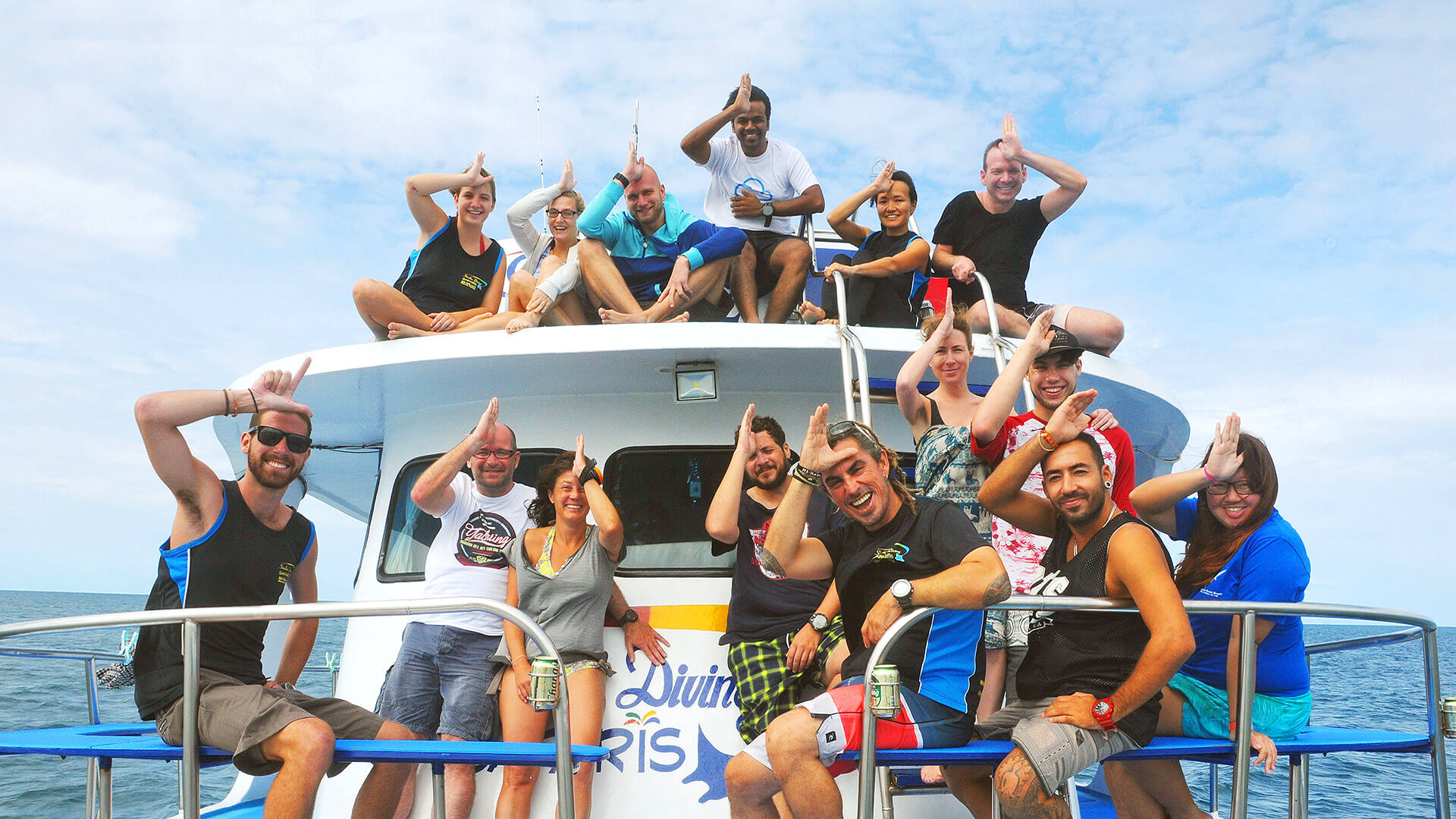
- Privacy vs. Socializing: Large boats offer more private corners to hide away. On Wunderpus, you will be part of a small group. This creates a tight-knit "dive family" feel by day three.
- Stability: Larger steel-hulled ships generally handle very rough seas better. However, most of the cruising in Komodo is done within the protected waters of the park, making this less of a factor than in open-ocean crossings.
Frequently Asked Questions
Is sea sickness a common problem on the Wunderpus?
While the Phinisi is stable, the Linta Strait can experience "wash machine" conditions where currents meet. If you are prone to motion sickness, it is advisable to bring medication like Dramamine or Scopolamine patches. Most of the time, the boat anchors in calm, protected bays for the night.
Can beginners dive on this liveaboard?
While the crew is highly skilled, Komodo is famous for strong currents and down-currents. Most itineraries require an Advanced Open Water certification. If you are a beginner with fewer than 20 dives, it is recommended to complete a few days of day-trips from Labuan Bajo first to get used to the conditions before committing to a liveaboard.
What is the best time of year to book?
The peak season for Komodo is the dry season, from April to October. This is when the North is most accessible and visibility is at its peak. The "Manta Season" in the South typically peaks from December to February, but surface conditions can be rougher during these months.
Is there Wi-Fi on board?
In 2026, satellite internet (like Starlink) has become more common on Indonesian vessels, but connectivity on the Wunderpus can still be intermittent due to the surrounding volcanic topography. Do not expect high-speed streaming; it is best suited for checking emails or sending text messages.
Are there any hidden costs?
Beyond the trip price, you should budget for National Park fees, which are paid in cash (Indonesian Rupiah). These fees contribute to conservation and ranger patrols. It is also customary to tip the crew at the end of the trip; a standard guideline is 10-15% of the trip price, shared among the staff.
Final Recommendation
If you value a personalized, authentic diving experience over gold-plated faucets and massive staterooms, the Wunderpus is one of the best ways to see Komodo. The combination of expert guiding, a small guest count, and a classic Indonesian sailing vessel provides a deep connection to the environment. To ensure a spot, it is wise to book at least 6 to 12 months in advance, as the small capacity means popular dates in the July-August peak season fill up rapidly.
Image Gallery