All Deaths in Stranger Things: The Complete Definitive Guide
Since its debut, Stranger Things has evolved from a nostalgic homage to 80s Amblin films into a high-stakes supernatural horror where no character is truly safe. As of 2026, the series has concluded its primary narrative arc, leaving b...
Since its debut, Stranger Things has evolved from a nostalgic homage to 80s Amblin films into a high-stakes supernatural horror where no character is truly safe. As of 2026, the series has concluded its primary narrative arc, leaving behind a trail of tragic sacrifices, brutal murders, and world-altering casualties that have redefined the lives of the residents of Hawkins, Indiana.
Contents
The death toll in Stranger Things serves as a barometer for the show's escalating tension. While early seasons focused on the disappearance of Will Byers, the subsequent years introduced a revolving door of beloved characters whose ends were often as gruesome as they were emotionally devastating. From the shocking loss of Barb Holland in Season 1 to the heroic sacrifice of Eddie Munson in Season 4, every death has contributed to the thickening atmosphere of dread that permeates the Upside Down.
Season 1: The Loss of Innocence and the Introduction of the Demogorgon
The first season of Stranger Things established that the stakes were lethal, even if the primary cast remained mostly intact. The narrative used minor character deaths to demonstrate the dual threats of the Hawkins National Laboratory and the predatory nature of the Demogorgon.
Benny Hammond
Benny Hammond, the owner of Benny’s Burgers, holds the dubious honor of being the first named character killed by human antagonists. After discovering a frightened and hungry Eleven, Benny showed genuine compassion—a trait that led to his execution by Connie Frazier and the "bad men" from the lab. This death was pivotal because it signaled to the audience that the government conspiracy was just as dangerous as the monster in the woods.
Barbara "Barb" Holland
Perhaps no death in television history sparked a movement quite like Barb’s. As Nancy Wheeler’s sensible best friend, Barb was dragged into the Upside Down while sitting by Steve Harrington’s pool. Her lonely, terrifying death became a cultural touchstone, leading to the viral "#JusticeForBarb" campaign. Narratively, Barb’s death forced Nancy into a crusade for the truth, bridging the gap between teenage drama and supernatural investigative journalism.
Laboratory Staff and Agents
The climax of Season 1 saw a significant body count among the Hawkins Lab staff. Between Eleven’s psychic defensive maneuvers and the Demogorgon’s rampage through the school hallways, dozens of unnamed agents and scientists were eliminated. This culminated in the "death" of the Demogorgon itself—though as we would later learn, the gate remained open, and the threat was far from over.
Season 2: The Expanding Scope of the Upside Down
Season 2 increased the scale of the conflict, introducing the Mind Flayer and a "hive mind" of Demo-dogs. The deaths this season were more personal and often more gruesome, emphasizing that proximity to the Byers family often came with a high price.
Mews the Cat
While not a human character, the death of Dustin’s cat, Mews, at the hands (or rather, jaws) of Dart the Demo-dog, served a vital narrative purpose. It demonstrated that even a "domesticated" creature from the Upside Down was inherently predatory, signaling the end of Dustin's naive attempt to treat the creature as a pet.
Bob Newby
Bob Newby, portrayed by Sean Astin, remains one of the most heartbreaking losses in the series. Known as "Bob the Brain," he was the quintessential "good man" who stepped up to save Joyce, Will, and Mike from the overrun Hawkins Lab. His death—being mauled by Demo-dogs just steps away from safety—was a visceral reminder that being a hero does not guarantee survival. Bob’s legacy lived on through the "RadioShack" skills he taught Will and the emotional scars he left on Joyce.
Season 3: Body Horror and Redemption
Season 3 took a turn toward 80s slasher and "creature feature" tropes, resulting in the highest body count to date. The introduction of the "Flayed" allowed the show to explore body horror on a massive scale.
Alexei (The "Smirnoff" of Hawkins)
The defecting Russian scientist Alexei became an overnight fan favorite due to his love of Slurpees and Looney Tunes. His death at the hands of the Russian assassin Grigori during the Fourth of July funfair was particularly cruel because it occurred just as he was beginning to enjoy American freedom. His death solidified the Russians as a secondary, tangible threat alongside the Mind Flayer.
Billy Hargrove
Billy’s arc is one of the most complex in the series. After being the primary antagonist for much of Season 2 and 3 (while under the Mind Flayer’s control), Billy regained his agency in his final moments. By standing his ground against the massive Meat Flayer to protect Eleven and Max, Billy found a form of redemption. His death left a vacuum of grief that became the central pillar of Max Mayfield’s character development in the following season.
The Flayed (Heather Holloway, Tom Holloway, and Bruce Lowe)
The Mind Flayer "melted" dozens of Hawkins citizens to create its physical avatar. This included Nancy’s coworkers at the Hawkins Post and local lifeguard Heather Holloway. These deaths were tragic because the victims were stripped of their humanity before being physically consumed by the monster, representing a total loss of self.
Season 4: The Reign of Vecna
Season 4 shifted the focus to psychological horror, with the antagonist Vecna targeting traumatized teenagers. This season featured the most cinematic and disturbing deaths of the series.
Chrissy Cunningham and Fred Benson
The deaths of cheerleader Chrissy and school journalist Fred established the "Vecna Curse." These weren't just killings; they were ritualistic sacrifices involving bone-breaking and eye-gouging. These deaths served as the inciting incidents for the Hawkins community’s descent into satanic panic and the core group’s investigation into Henry Creel’s past.
Dr. Martin Brenner ("Papa")
After years of manipulation and experimentation, Dr. Brenner finally met his end in the Nevada desert. While attempting to move Eleven to safety during a military raid on the NINA project, Brenner was gunned down by sniper fire. His death was a quiet, dusty affair, leaving Eleven with the complicated closure of seeing her captor/father figure die without granting him the forgiveness he desperately sought.
Eddie Munson
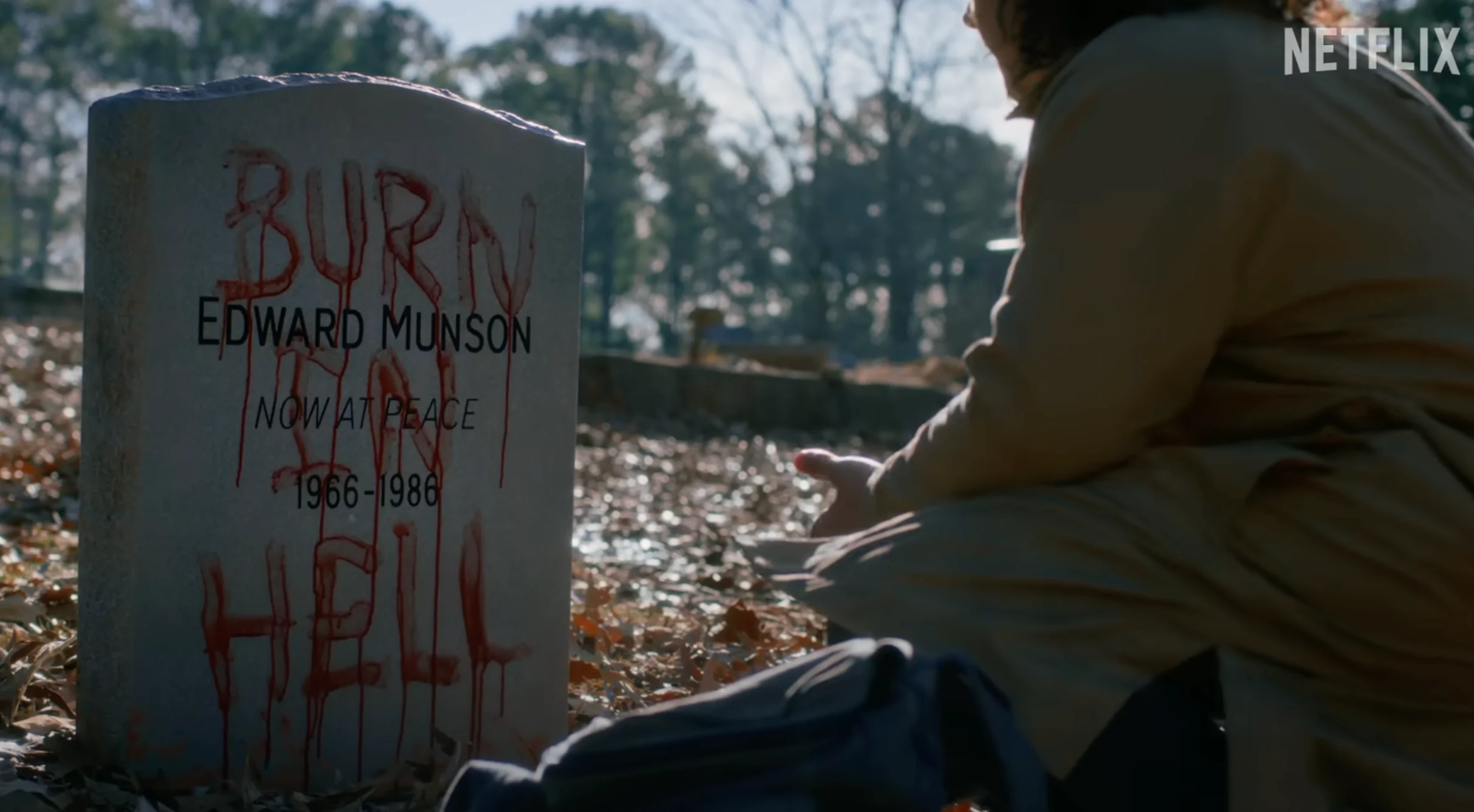
Eddie Munson’s death became the definitive emotional climax of Season 4. As the leader of the Hellfire Club and a social pariah, Eddie chose to stop running and "be a hero." By distracting the Demobats in the Upside Down to buy time for the others, he suffered fatal wounds. His death was particularly tragic because, in the eyes of the Hawkins public, he died a suspected murderer and cult leader, while only his friends knew he was a savior.
| Character Name | Season | Cause of Death | Narrative Impact |
|---|---|---|---|
| Benny Hammond | 1 | Gunshot (Connie Frazier) | Revealed the ruthlessness of the HNL. |
| Barb Holland | 1 | Mauled by Demogorgon | Sparked Nancy's investigation and "Justice for Barb." |
| Bob Newby | 2 | Mauled by Demo-dogs | Devastated Joyce; highlighted the cost of heroism. |
| Alexei | 3 | Gunshot (Grigori) | Removed the group's primary Russian translator/ally. |
| Billy Hargrove | 3 | Impaled by Meat Flayer | Redeemed the character; caused Max's Season 4 trauma. |
| Chrissy Cunningham | 4 | Vecna's Curse | Initiated the Season 4 plot and the hunt for Eddie. |
| Dr. Martin Brenner | 4 | Gunshot (Military Sniper) | Ended the "Papa" era of Eleven's life. |
| Eddie Munson | 4 | Mauled by Demobats | The ultimate sacrifice; cemented the core group's bond. |
The "Almost" Deaths and Fake-Outs
Stranger Things is also known for its "fake-out" deaths, which have occasionally divided the fanbase regarding the show's willingness to kill main protagonists.
- Jim Hopper: At the end of Season 3, Hopper was presumed dead in the explosion of the Russian machine. It was later revealed he survived and was transported to a Soviet prison.
- Max Mayfield: In the Season 4 finale, Max's heart actually stopped for one minute following Vecna’s attack. While Eleven "restarted" her, Max ended the season in a deep coma, technically having "died" to fulfill Vecna's fourth gate requirement.
- Eleven: At the end of Season 1, Eleven appeared to disintegrate while destroying the Demogorgon. She was later found living in the woods, surviving on Eggo waffles provided by Hopper.
Frequently Asked Questions
Did Max actually die in Season 4?
Max Mayfield was clinically dead for one minute. Vecna's ritual required four kills to open the gates between the Upside Down and Hawkins. Because Max's heart stopped, the fourth gate opened, causing the massive rift in the town. However, Eleven was able to use her powers to bring Max back, though she remained in a coma with broken limbs and blindness.
Who has the highest kill count in the series?
Vecna (Henry Creel) holds the highest kill count among individual characters, having murdered his mother and sister, the children of Hawkins Lab, and the four ritual victims in Season 4. If we count collective entities, the Mind Flayer is responsible for the most deaths via the "Flayed" in Season 3.
Is Eddie Munson coming back in the final season?
As of 2026, the series has maintained that Eddie Munson’s death was final. While fans have theorized he could return as a version of the D&D character "Kas," the showrunners have historically used deaths like Eddie's to provide permanent emotional weight to the story.
Why was Barb's death so significant compared to others?
Barb's death was significant because it felt "unfair." Unlike the scientists or agents, she was an innocent bystander who was ignored by the town for much of the first season. This lack of initial concern for her disappearance mirrored real-world frustrations, leading to a massive social media movement.
Next Steps for Fans
If you are looking to revisit these moments, the best approach is a chronological rewatch focusing on the character arcs mentioned above. Pay close attention to how each death changes the survivors—for instance, how Nancy's guilt over Barb influences her drive in later seasons, or how Max's grief over Billy makes her vulnerable to Vecna. Understanding these casualties is key to understanding the thematic core of Stranger Things: the transition from childhood safety to the brutal realities of adulthood.
Image Gallery