What Would Prevent a Life Insurance Policy From Being Issued?
Life insurance policies are primarily denied due to significant health risks, high-risk lifestyle choices, or financial discrepancies. Common triggers for a decline include chronic or terminal illnesses, hazardous occupations, a histor...
Life insurance policies are primarily denied due to significant health risks, high-risk lifestyle choices, or financial discrepancies. Common triggers for a decline include chronic or terminal illnesses, hazardous occupations, a history of substance abuse, or failing to demonstrate a clear "insurable interest." Administrative issues, such as non-disclosure of medical facts, also frequently result in a refusal to issue coverage.
Contents
The underwriting process is the mechanism insurance companies use to determine the level of risk a potential policyholder represents. In 2026, this process has become increasingly sophisticated, utilizing high-speed data analytics and traditional medical exams to create a profile of the applicant. When an application is "declined" or "postponed," it means the insurer has determined that the probability of a claim is too high or the risk is currently unmeasurable. Understanding these barriers is essential for anyone seeking financial protection for their beneficiaries.
Medical and Health-Related Obstacles
The most common reason for a life insurance policy not being issued is the applicant’s health profile. Actuaries use mortality tables to predict life expectancy, and any condition that significantly shortens that expectancy can lead to a denial.
Chronic and Terminal Illnesses
Conditions such as advanced-stage cancer, congestive heart failure, or end-stage renal disease are often categorized as uninsurable. While many insurers have expanded their appetite for "rated" policies—where coverage is offered at a higher premium—some conditions remain outside the risk tolerance of standard carriers. For instance, a recent diagnosis of an aggressive malignancy may result in an immediate decline, though the carrier might suggest reapplying after a five-year period of remission.
Uncontrolled Chronic Conditions
It is not always the diagnosis itself that prevents issuance, but rather the management of the condition. An applicant with Type 2 diabetes may be approved if their A1C levels are stable and well-monitored. However, if medical records indicate poorly controlled blood sugar, frequent hospitalizations, or secondary complications like neuropathy, the insurer may deem the risk too volatile to underwrite.
Laboratory Results and Physical Metrics
During the paramedical exam, insurers collect blood and urine samples. Results that indicate high levels of creatinine (kidney function), elevated liver enzymes (potential alcohol or drug issues), or high glucose levels can trigger a decline. Furthermore, a Body Mass Index (BMI) that falls into the "morbidly obese" category often leads to a rejection because of its high correlation with secondary issues like sleep apnea, heart disease, and mobility-related accidents.
Lifestyle and Occupational Risks
Even an individual in perfect physical health can be denied life insurance if their daily activities or professional responsibilities present an extraordinary risk of accidental death.
Hazardous Occupations
Certain jobs carry a statistical risk that exceeds standard underwriting guidelines. Examples include deep-sea divers, commercial pilots (specifically those in specialized or non-commercial aviation), and those working in high-risk foreign jurisdictions or active conflict zones. While some insurers offer "flat extra" premiums to cover these risks, others may choose not to issue a policy at all if the occupational danger is deemed too extreme or unpredictable.
High-Risk Hobbies (Avocations)
Activities performed for recreation can be just as impactful as a job. Frequent participation in BASE jumping, technical scuba diving beyond 100 feet, or professional auto racing often results in a policy being declined or issued with an exclusion rider. If an applicant refuses an exclusion rider—which states the policy will not pay out if the death is caused by that specific hobby—the insurer will simply not issue the policy.
Substance Abuse and Smoking
Tobacco use generally leads to higher premiums rather than a decline, but the use of illicit substances is a frequent cause for immediate rejection. In 2026, many insurers have nuanced views on certain substances, but a history of opioid abuse or recent rehabilitation for alcoholism remains a significant barrier. Carriers typically require a minimum of two to five years of documented sobriety before they will consider issuing a standard policy.
Financial and Legal Impediments
Life insurance is a contract of indemnity, not a speculative tool. Therefore, several financial and legal requirements must be met before a policy is issued.
Lack of Insurable Interest
One of the fundamental principles of insurance law is the requirement of insurable interest. This means the beneficiary must suffer a genuine financial loss upon the death of the insured. You cannot, for example, take out a life insurance policy on a random stranger or a distant acquaintance. If the underwriter cannot verify a clear emotional or financial connection—such as a spouse, business partner, or child—the policy will not be issued to prevent "moral hazard."
Over-Insurance and Financial Justification
Insurers look at an applicant's income and net worth to ensure the "death benefit" is reasonable. If an individual earning $50,000 a year applies for a $10 million policy, the insurer will likely decline the application. The logic is that the coverage should replace lost income or cover specific debts, not provide a windfall that exceeds the individual’s economic value to their survivors.
Criminal Record and Driving History
A recent criminal history, particularly involving felonies or violent crimes, is a common reason for a decline. Insurers view these as indicators of "moral risk" and a higher statistical likelihood of premature death. Similarly, a driving record with multiple DUIs or reckless driving charges within the last three to five years suggests a high-risk lifestyle that many carriers are unwilling to cover.
Administrative and Behavioral Factors
Sometimes, the prevention of policy issuance has nothing to do with health or wealth, but rather the conduct of the applicant during the process.
Material Misrepresentation (Fraud)
If an applicant intentionally hides a medical condition or lies about their smoking status, and the insurer discovers this during the underwriting phase (often via the Medical Information Bureau or MIB), the application will be denied for fraud. This is a serious issue, as a decline for misrepresentation is recorded and can make it nearly impossible to get coverage from other carriers in the future.
Failure to Complete the Process
The underwriting process requires cooperation. If an applicant fails to attend their medical exam, does not sign the necessary HIPAA release forms, or ignores requests for "Attending Physician Statements" (APS), the file will eventually be closed as "incomplete." While not a formal decline, it prevents the policy from being issued until the requirements are met.
Summary Table: Reasons for Denial and Potential Alternatives
| Category | Primary Reason for Denial | Potential Solution or Alternative |
|---|---|---|
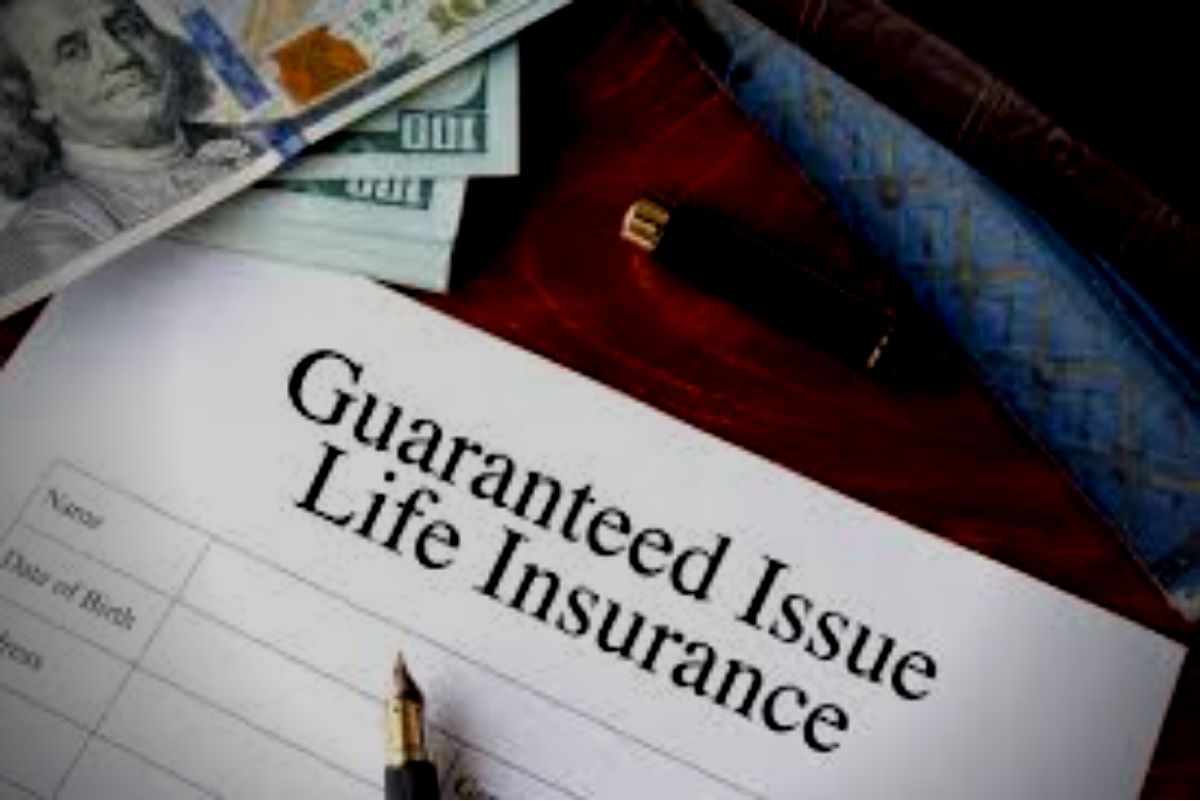
| Medical | Terminal illness or unmanaged chronic disease | Guaranteed Issue Life Insurance (no medical questions) |
| Lifestyle | High-risk hobbies (e.g., skydiving) | Exclusion riders or specialized high-risk carriers |
| Occupational | Working in conflict zones or hazardous environments | Group life insurance through the employer |
| Financial | Lack of insurable interest | Refiling with a legitimate beneficiary (spouse/child) |
| Legal | Recent felony or multiple DUIs | Waiting for a "clear" period (usually 3–7 years) |
| Administrative | Non-disclosure/Fraud | Honesty in application; seeking high-risk "substandard" pools |
The Role of Modern Data in 2026 Underwriting
By 2026, the use of Accelerated Underwriting (AU) has become the industry standard. This involves the use of algorithmic modeling to pull data from various sources instantly, including:
- Prescription History Databases: Insurers can see every medication you have been prescribed over the last decade.
- Motor Vehicle Records (MVR): Instant access to accidents, speeding tickets, and license suspensions.
- Medical Information Bureau (MIB): A centralized database where insurers share "coded" information about previous applications.
- Digital Health Records: Direct integration with hospital systems allows for faster review of physician notes.
If these data points reveal discrepancies between what the applicant stated and the digital reality, the policy issuance is halted. This transparency makes it more important than ever for applicants to be entirely truthful from the outset.
Frequently Asked Questions
Can I be denied life insurance for a high BMI?
Yes, insurers use BMI as a shorthand for potential health complications. While a slightly elevated BMI might only result in a higher premium (a "rating"), a BMI over a certain threshold (typically 40 or 45, depending on the carrier) can lead to an outright decline because of the associated risks of heart disease and respiratory failure.
What should I do if my application is declined?
First, request a formal "Letter of Decline" from the insurer, which must state the reason for the decision. If the reason is a medical error, you can work with your doctor to provide clarifying records. If the reason is valid, you might look into "Simplified Issue" or "Guaranteed Issue" policies, which have fewer or no medical requirements but lower coverage limits.
Does a previous decline affect future applications?
Yes. When an insurance company declines an application, they typically report the "action" to the MIB. Future insurers will see that a policy was declined, though they may not see the specific reason unless they conduct their own investigation. It is always better to work with a broker who can "pre-shop" your case anonymously to avoid a formal decline.
Can a policy be denied after the premium is paid?
If the policy is still in the "underwriting" phase, a payment (conditional receipt) does not guarantee coverage. If the underwriter finds a reason to decline the risk during this period, the policy will not be issued, and the initial premium will be refunded in full.
Final Recommendations for Applicants
If you are concerned that something might prevent your life insurance policy from being issued, the best course of action is transparency. Working with an independent insurance agent—rather than a "captive" agent who only works for one company—is highly recommended. Independent agents have access to "underwriting niches" and can direct you toward the carrier most likely to accept your specific health or lifestyle profile. Furthermore, if you have a known medical condition, ensure it is well-documented and managed by a physician before applying, as "stability" is often the key to moving from a "decline" to an "approval."
Image Gallery