V. C. Andrews and the Rise of Contemporary Gothic Fiction
V. C. Andrews redefined contemporary Gothic fiction by transplanting the genre’s traditional tropes—ancestral curses, crumbling estates, and psychological imprisonment—into the modern American household. Through her 1979 debut Flowers...
V. C. Andrews redefined contemporary Gothic fiction by transplanting the genre’s traditional tropes—ancestral curses, crumbling estates, and psychological imprisonment—into the modern American household. Through her 1979 debut Flowers in the Attic, she pioneered the "Domestic Gothic," emphasizing that the most profound horrors often reside within the family unit rather than supernatural entities.
Contents
The Evolution from Classic to Contemporary Gothic
To understand the impact of V. C. Andrews, one must first recognize the landscape of Gothic literature prior to her emergence. Traditional Gothic fiction, established by 18th-century authors like Horace Walpole and Ann Radcliffe, relied heavily on European settings, medieval ruins, and overt supernatural elements. These stories functioned as escapist fantasies where the "other" was a foreign ghost or a distant aristocrat.
By the mid-20th century, the genre had begun to stagnate into formulaic "maiden-running-from-a-castle" paperbacks. V. C. Andrews disrupted this trend by localizing the horror. In her work, the "castle" became a locked room in a grand Virginia mansion, and the "monster" was a grandmother driven by religious zealotry and greed. This shift transformed the Gothic from a genre of historical distance to one of immediate, claustrophobic domesticity.
The "Contemporary Gothic" rise, catalyzed by Andrews, moved away from the external sublime and toward internal psychological trauma. It focused on the vulnerabilities of childhood, the betrayal of parental figures, and the inescapable nature of one's own bloodline. This transition resonated with a late-20th-century audience navigating changing family structures and a growing societal awareness of domestic dysfunction.
The Flowers in the Attic Phenomenon and the Dollanganger Legacy
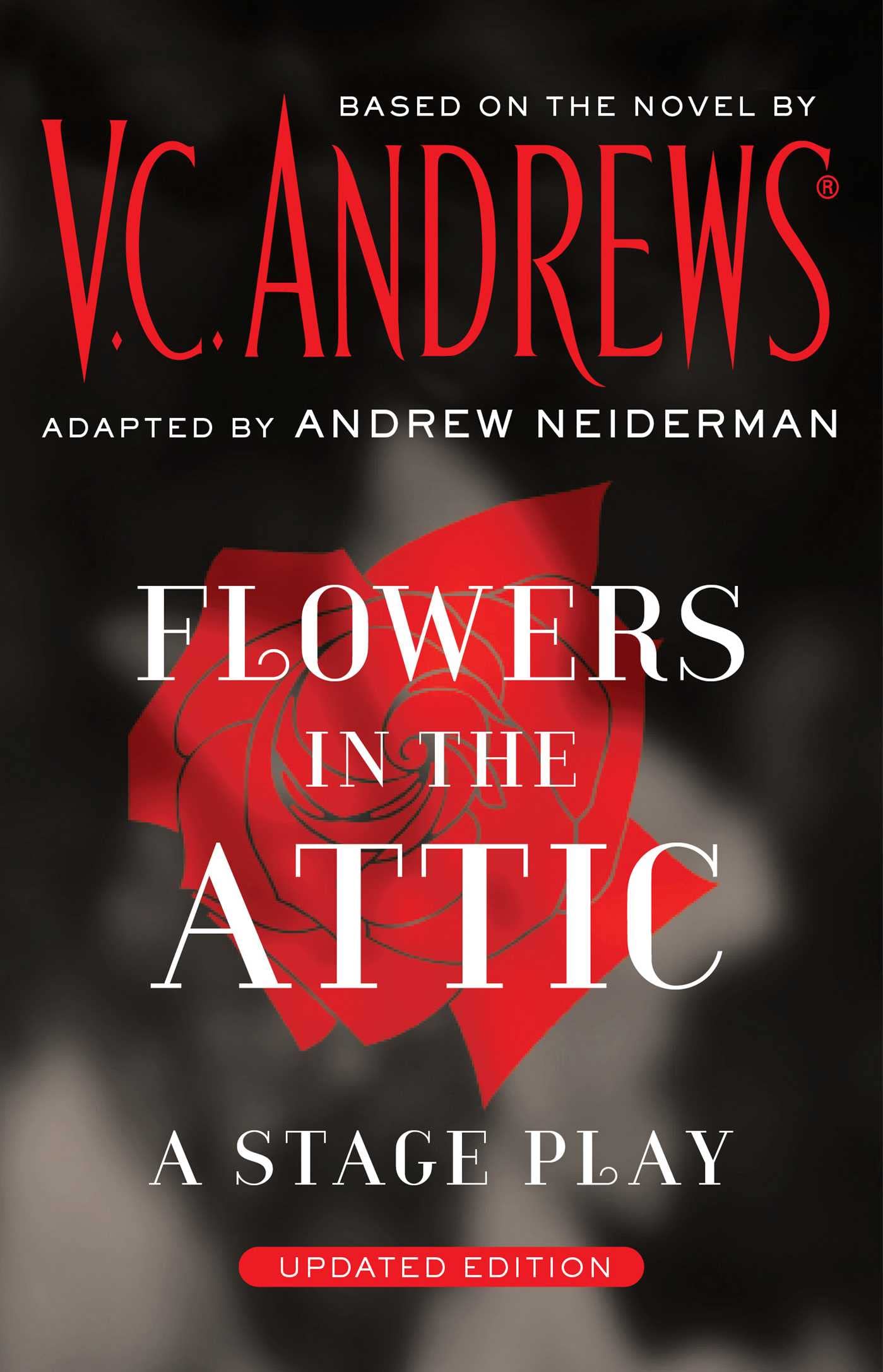
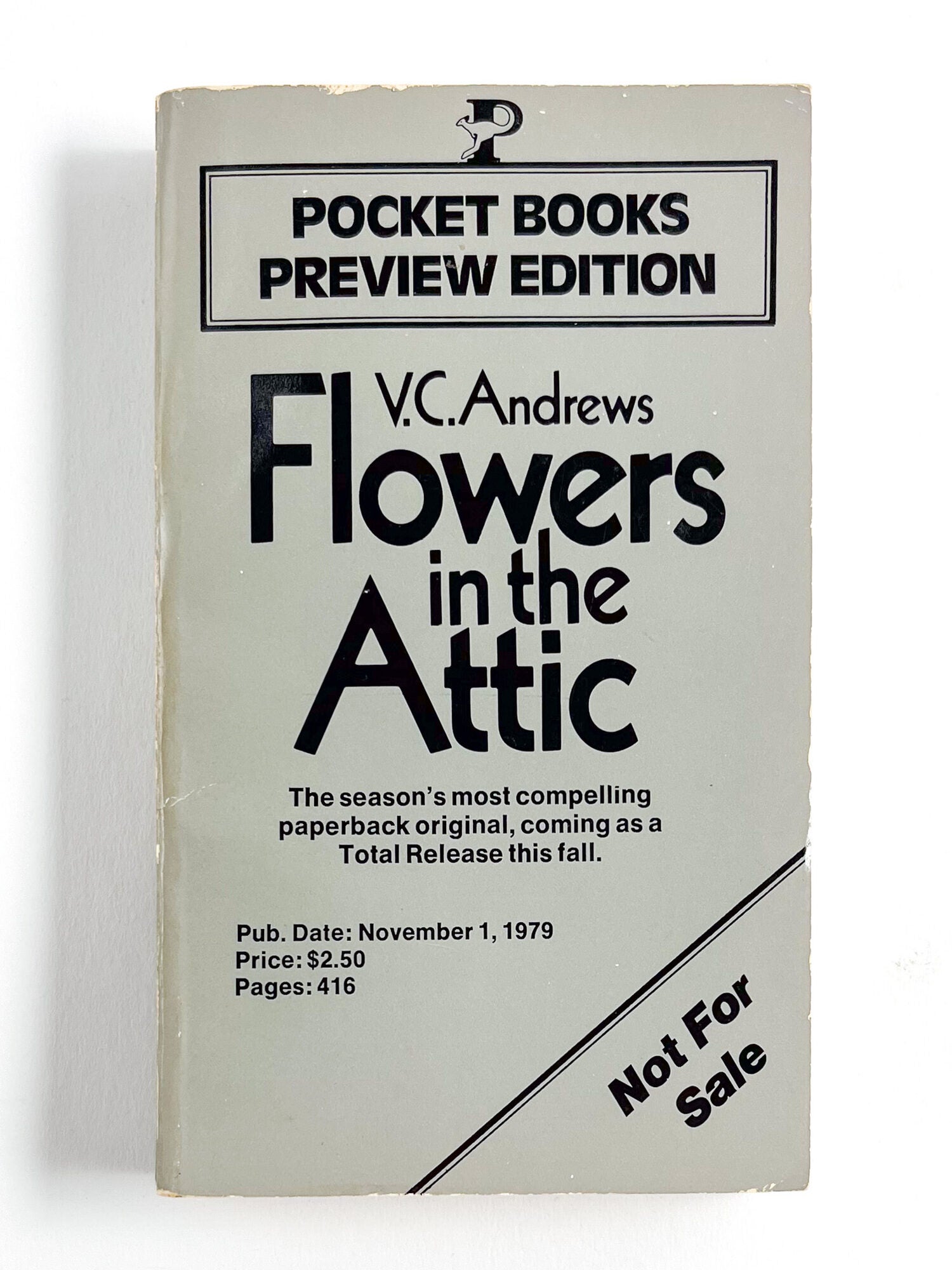
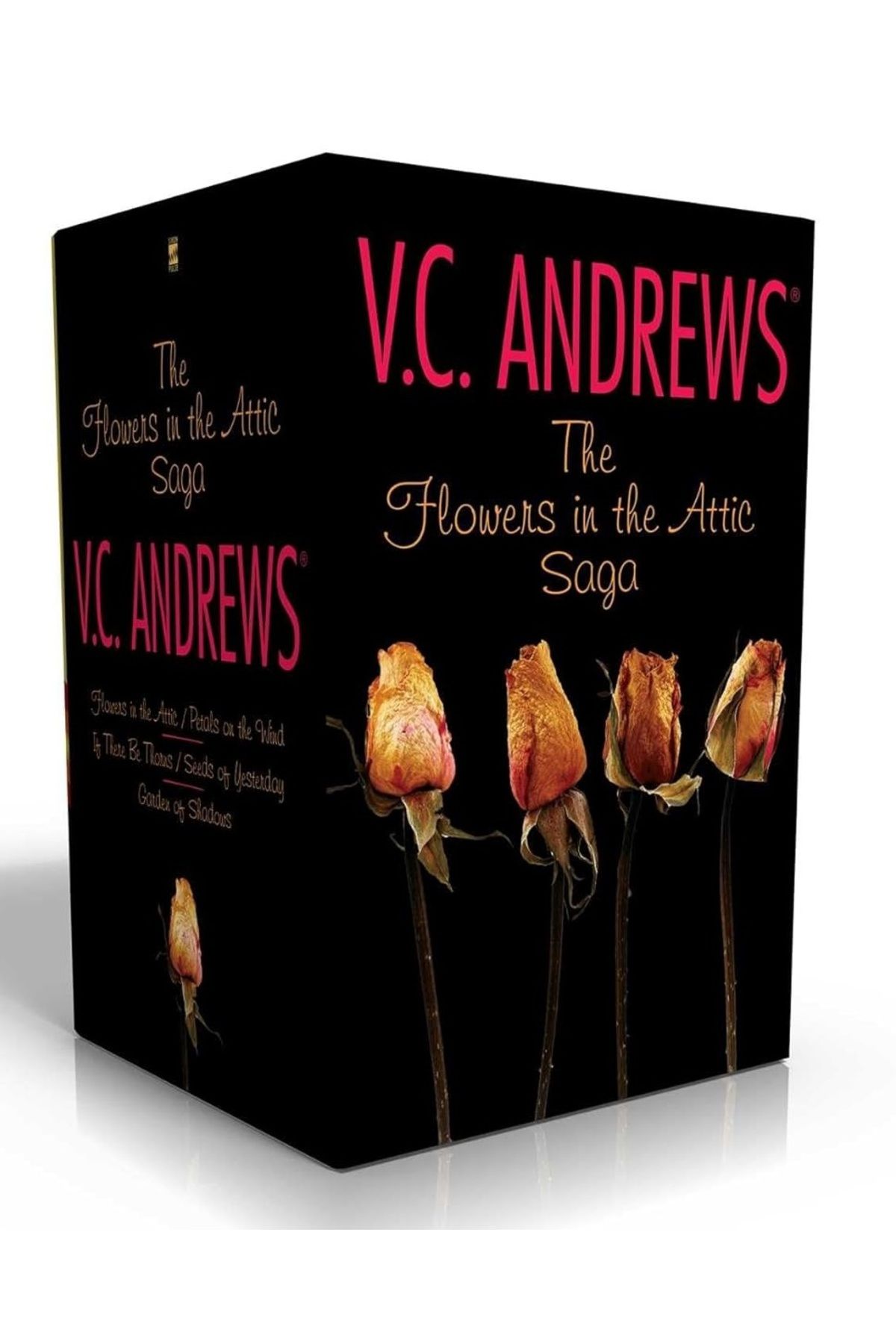
The publication of Flowers in the Attic in 1979 marked a turning point in mass-market publishing. The story of the four Dollanganger children—hidden in an attic for years to preserve their mother’s inheritance—struck a chord that was both shocking and deeply compelling. Andrews utilized a narrative voice that was deceptively simple yet laden with Victorian-era melodrama, creating a unique reading experience that felt like a shared secret.
The success of the Dollanganger series (which included Petals on the Wind, If There Be Thorns, and Seeds of Yesterday) established several key requirements for the contemporary Gothic formula:
- The Forbidden Space: Whether it is an attic, a cellar, or a remote boarding school, the characters are physically or socially isolated from the outside world.
- The Hidden Sin: A foundational secret, often involving illegitimacy or incest, that threatens to destroy the family's social standing.
- The Loss of Innocence: Protagonists who begin as pure figures but are corrupted or hardened by the cruelty of their guardians.
- Generational Cycles: The idea that the sins of the parents are inevitably visited upon the children, creating a fatalistic narrative arc.
By 2026, literary critics recognize that Andrews was not merely writing "trashy" paperbacks; she was documenting a specific type of American anxiety regarding class mobility and the fragility of the middle-class dream. Her characters often move from poverty to extreme wealth, only to find that money provides no protection against moral decay.
Defining the "Andrews Aesthetic" in Modern Media
The influence of V. C. Andrews extends beyond the page and into the visual language of contemporary thrillers and "Domestic Noir." The aesthetic is characterized by a "shabby elegance"—grand houses filled with dust, beautiful children in tattered clothes, and a pervasive sense of rot beneath a polished surface.
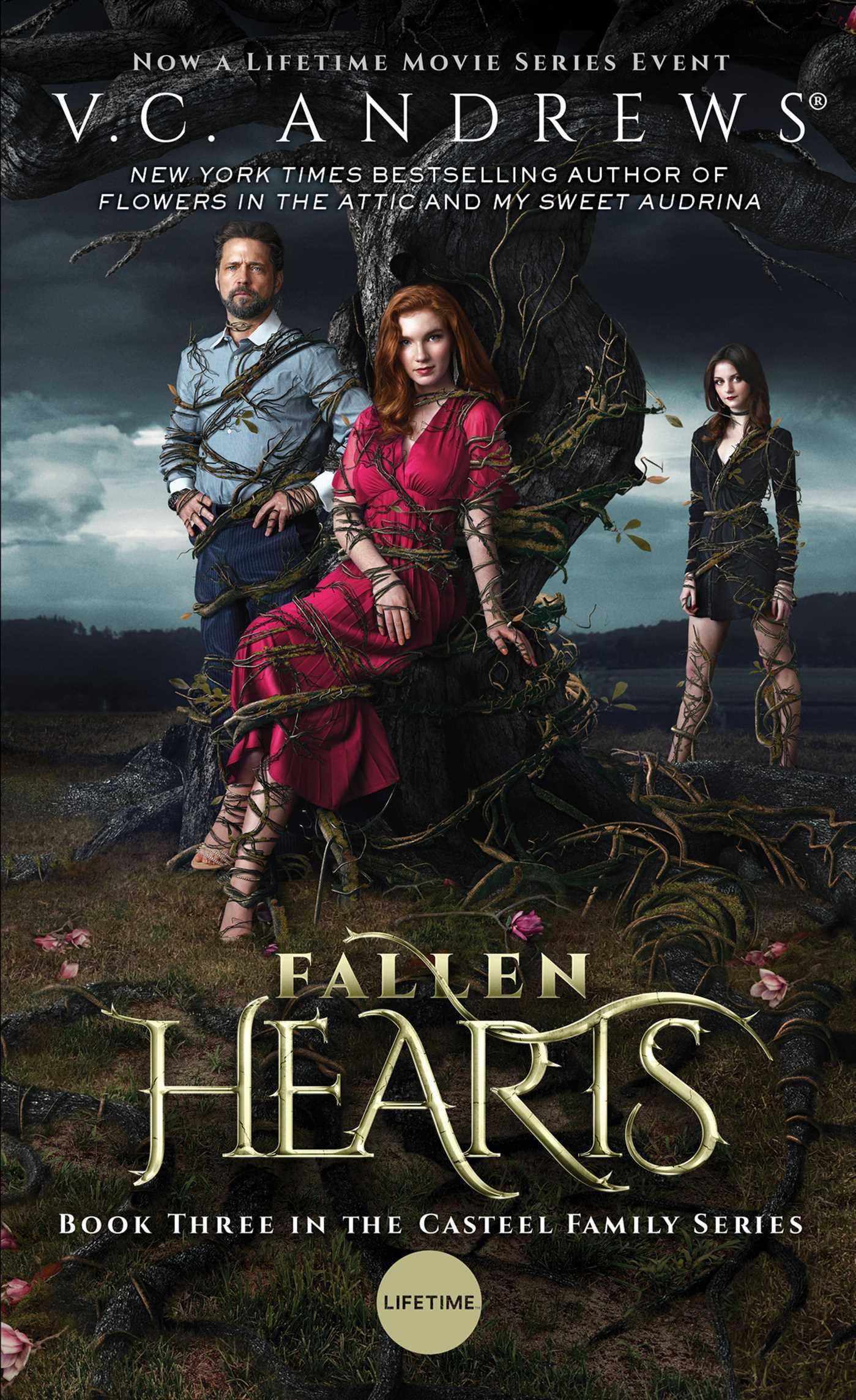
This aesthetic has seen a massive resurgence in the 2020s, driven by television adaptations on networks like Lifetime, which has produced numerous films based on the V. C. Andrews library. These adaptations have introduced her work to a new generation, cementing her status as a cultural icon of the "taboo." The visual storytelling relies on high-contrast lighting and a focus on sensory details—the smell of powdered sugar on arsenic-laced cookies or the feeling of cold silk—which mirrors the tactile descriptions found in Andrews' original prose.
Comparison of Gothic Traditions
The following table illustrates the key differences between the traditional Gothic elements and the contemporary domestic Gothic popularized by V. C. Andrews.
| Element | Traditional Gothic (18th-19th Century) | Andrews Contemporary Gothic (1979–Present) |
|---|---|---|
| Primary Setting | Haunted castles, monasteries, wild moors. | Modern mansions, attics, private schools. |
| Nature of the Villain | Supernatural beings or "Byronic" anti-heroes. | Cruel matriarchs, negligent parents, abusive relatives. |
| Core Conflict | External threats to life and virtue. | Internal psychological trauma and betrayal. |
| The "Secret" | Ghosts or hidden identities. | Incest, greed, and generational abuse. |
| Protagonist Role | Often a passive victim or "damsel." | Resourceful but deeply scarred survivors. |
The Ghostwriting Era and Brand Longevity
A unique aspect of the V. C. Andrews legacy is the continuation of the "brand" long after the author's death. Virginia Cleo Andrews passed away in 1986, but the volume of books published under her name increased exponentially in the following decades. This was made possible through the work of ghostwriter Andrew Neiderman, who was selected by the Andrews estate to maintain her specific voice and thematic focus.
Neiderman's role in the "rise" of contemporary Gothic cannot be understated. By producing dozens of series—such as the Casteel, Cutler, and Landry sagas—he turned a singular author’s vision into a sustainable literary franchise. This model of branding an author’s name became a blueprint for other commercial fiction properties. In 2026, the V. C. Andrews name remains a "category" of its own in bookstores, representing a specific promise of high-stakes family drama and dark secrets that few other authors can replicate.
The technical execution of these later novels involves a strict adherence to the "Andrews Blueprint":
- A first-person female narrator.
- A rapid descent from comfort to peril.
- A focus on the aesthetics of wealth.
- A climactic revelation that recontextualizes the protagonist's entire history.
Impact on Modern Literature and the "Domestic Noir" Genre
The DNA of V. C. Andrews is visible in the modern "Domestic Noir" boom, which includes authors like Gillian Flynn and Paula Hawkins. While these modern thrillers are often more grounded in forensic reality, they share the Andrews preoccupation with the "dark side" of the home. The idea that your spouse, parent, or sibling is the most dangerous person you know is a direct inheritance from the Dollanganger attic.
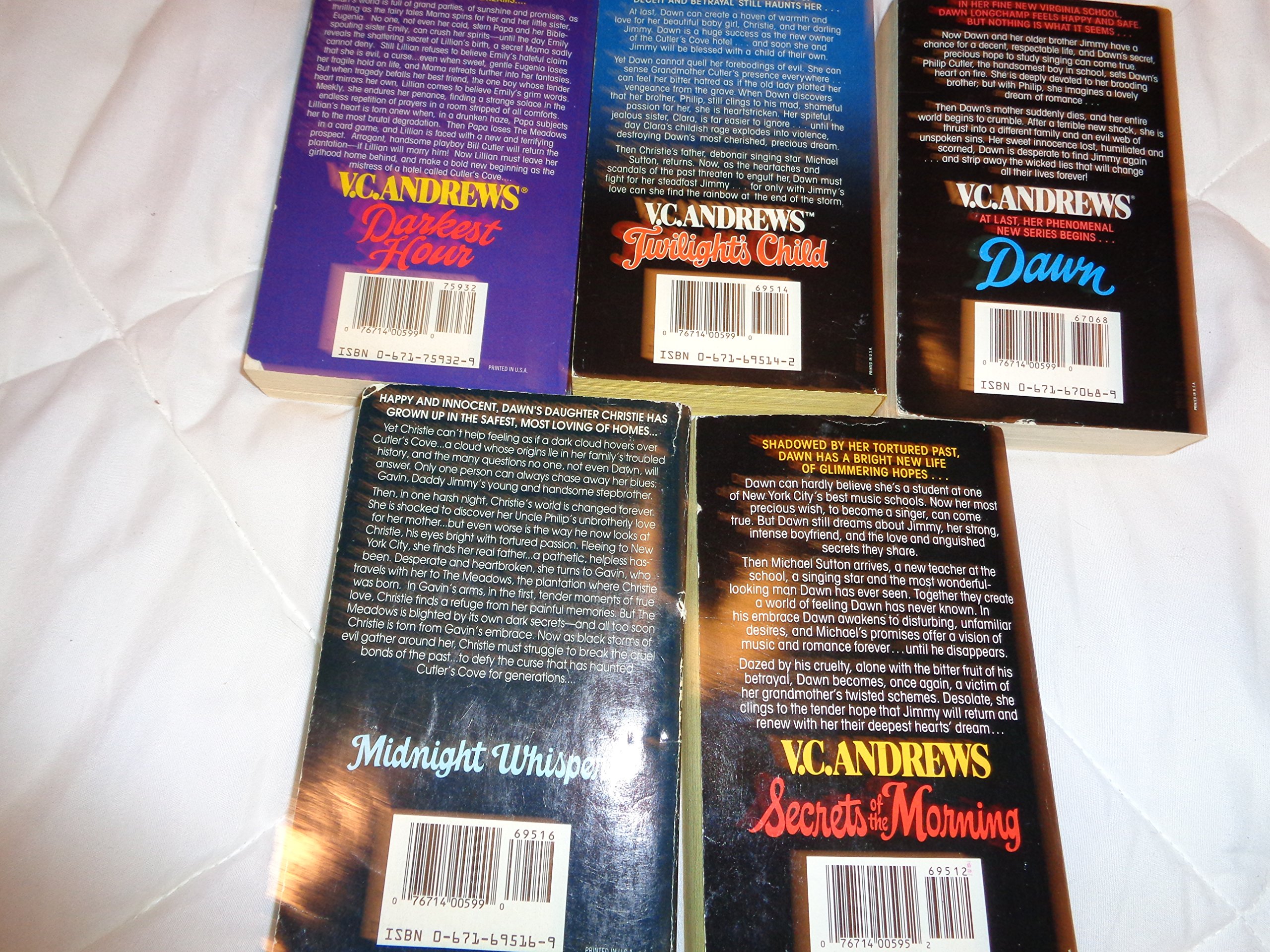
Furthermore, the "Dark Academia" trend—a subgenre of fiction and social media aesthetics centered around elite education and secret societies—owes a debt to Andrews' boarding school narratives. Books like Dawn or Ruby explore the intersection of class, education, and secret-keeping in a way that modern readers find increasingly relevant.
Frequently Asked Questions
Did V. C. Andrews actually write all the books with her name on them?
No. Virginia Cleo Andrews wrote Flowers in the Attic, Petals on the Wind, If There Be Thorns, Seeds of Yesterday, My Sweet Audrina, and the first parts of the Casteel series. Following her death in 1986, Andrew Neiderman was hired as a ghostwriter to complete her unfinished works and continue the brand under her name.
Why is Flowers in the Attic considered controversial?
The novel is controversial primarily due to its depiction of sibling incest and extreme child abuse. At the time of its release, these subjects were rarely addressed in mainstream commercial fiction. However, defenders of the book argue that it uses these taboos as metaphors for the ways in which families can become insular and self-destructive.
What is the "Domestic Gothic" subgenre?
Domestic Gothic is a branch of Gothic fiction where the horror is centered on the home and family. Instead of ghosts or monsters, the tension arises from interpersonal relationships, social isolation, and the power dynamics within a household. V. C. Andrews is often cited as the most commercially successful practitioner of this subgenre.
Are the V. C. Andrews books based on true stories?
While many readers have speculated that Flowers in the Attic was based on a real event, there is no verified historical record of a similar case occurring in the manner described. Andrews herself stated that the idea was inspired by a story she heard from a doctor during a hospital stay, but the narrative is a work of fiction.
How should a new reader approach the V. C. Andrews library?
The best entry point is the original Dollanganger series, starting with Flowers in the Attic. This provides the foundational "Andrews voice." For those interested in her more psychological, standalone work, My Sweet Audrina is considered a masterpiece of the genre, exploring memory, gaslighting, and identity.
Recommended Next Steps for Readers
For those looking to explore the legacy of V. C. Andrews in 2026, a chronological approach to the "classic era" (1979–1986) is recommended to understand the evolution of her style. Following the original series, readers should look toward the Official V. C. Andrews Website for a comprehensive bibliography and a guide to the various family sagas. Additionally, many of the Lifetime television adaptations are available via major streaming services, providing a modern visual interpretation of the Gothic themes discussed in this article.
Image Gallery