Average Auto Insurance Cost for a Chevy Spark in 2026
In 2026, the average annual cost to insure a Chevy Spark is approximately $1,642, which breaks down to roughly $137 per month. These rates depend heavily on the model year, with discontinued 2022 models generally costing more to insure...
In 2026, the average annual cost to insure a Chevy Spark is approximately $1,642, which breaks down to roughly $137 per month. These rates depend heavily on the model year, with discontinued 2022 models generally costing more to insure than older iterations due to higher replacement values and the rising costs of specialized subcompact repair parts.
Contents
The Chevrolet Spark, though discontinued in the North American market since late 2022, remains a prominent fixture on the used car market in 2026. As a subcompact vehicle, it generally benefits from lower insurance premiums compared to mid-size sedans or performance vehicles. However, because it is a smaller vehicle, insurance companies often weigh its lower MSRP against potential safety risks and the increasing cost of medical payments in the event of a collision. Understanding the nuances of insuring a Spark requires looking at the intersection of vehicle age, driver demographics, and the current economic landscape of the 2026 insurance market.
Understanding Chevy Spark Insurance Costs
When determining the premium for a Chevy Spark, insurers primarily look at the "loss cost" associated with the model. Loss cost represents the amount an insurer expects to pay for claims. For the Spark, this is a double-edged sword. On one hand, the vehicle has a small engine—typically a 1.4L inline-four—which discourages high-speed, risky driving. On the other hand, its light curb weight means that in a multi-vehicle accident involving 2026-era electric SUVs or heavy trucks, the Spark may sustain significant damage, leading to higher "total loss" frequencies.
In the 2026 fiscal climate, inflation in the automotive repair sector has stabilized but remains higher than pre-2020 levels. This affects the Spark specifically because, as a discontinued model, certain body panels and interior components may become harder to source new, occasionally requiring insurers to pay for refurbished or aftermarket parts, or totaling the vehicle sooner than they would a model still in production.
Factors That Lower Spark Premiums
- Low Original MSRP: Because the Spark was one of the most affordable cars on the market, the "Replacement Value" (the amount the insurer pays if the car is totaled) is relatively low.
- Low Performance Rating: The Spark is not classified as a high-performance or sports vehicle, which removes the "speeding risk" surcharge often applied to cars with higher horsepower-to-weight ratios.
- Standard Safety Tech: Later models (2019–2022) came equipped with ten standard airbags and available forward-collision alerts, which help mitigate some of the risks inherent in smaller vehicles.
Average Annual and Monthly Premiums by Model Year
The age of your Chevy Spark is one of the most significant variables in your insurance quote. In 2026, a decade-old 2016 Spark will be significantly cheaper to insure for physical damage (Collision and Comprehensive) than a "new" 2022 model, simply because the 2016 model has depreciated more.
| Model Year | Est. Annual Full Coverage (2026) | Est. Monthly Payment |
|---|---|---|
| 2022 Chevrolet Spark | $1,785 | $149 |
| 2021 Chevrolet Spark | $1,710 | $142 |
| 2020 Chevrolet Spark | $1,655 | $138 |
| 2019 Chevrolet Spark | $1,590 | $132 |
| 2018 Chevrolet Spark | $1,510 | $126 |
| 2017 Chevrolet Spark | $1,440 | $120 |
| 2016 Chevrolet Spark | $1,380 | $115 |
Note: These figures represent averages for a 40-year-old driver with a clean record and a $500 deductible. Individual rates vary based on credit score, location, and annual mileage.
Key Factors Influencing Your Spark Premium
Beyond the vehicle itself, several external factors dictate whether you will pay $1,000 or $3,000 per year to insure your Spark. In 2026, insurers have leaned more heavily into predictive modeling and telematics to set these rates.
Geographic Location
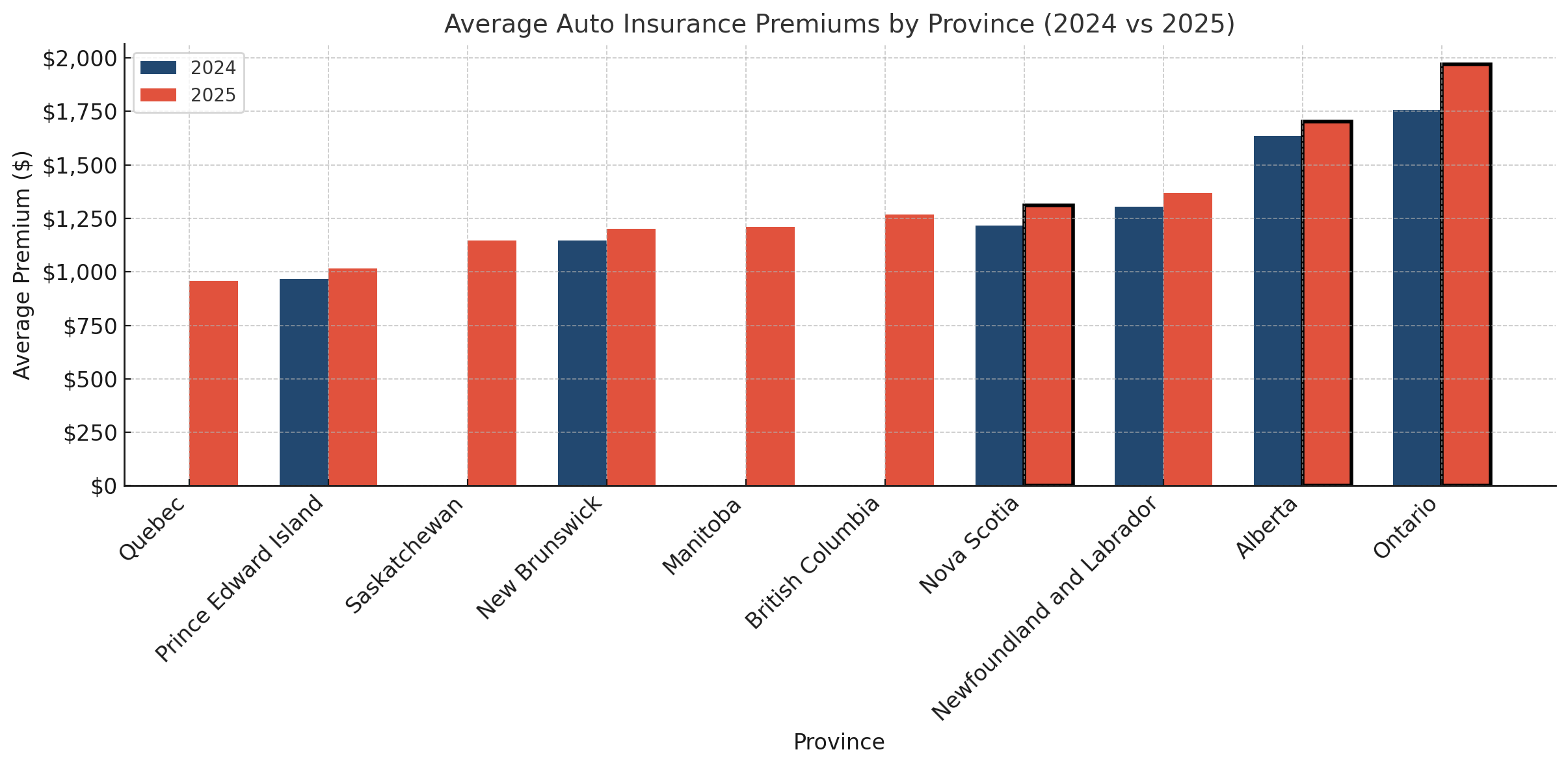
Where you park your Spark matters as much as how you drive it. In 2026, urban areas like Philadelphia, Detroit, or Miami see higher premiums due to increased rates of theft, vandalism, and density-related accidents. Conversely, Spark owners in rural Ohio or Vermont may see rates up to 40% lower than the national average.
Driver Age and Experience
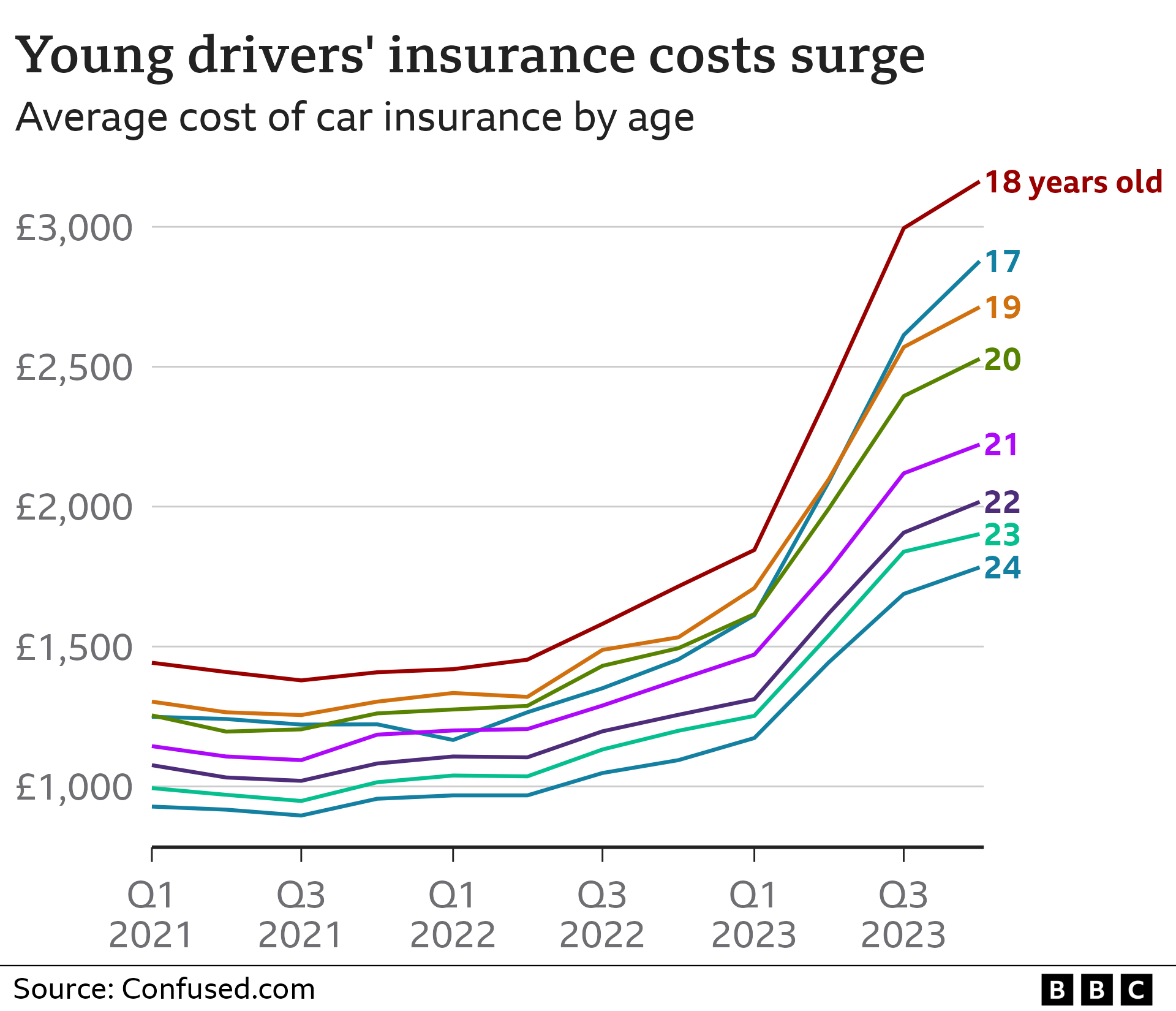
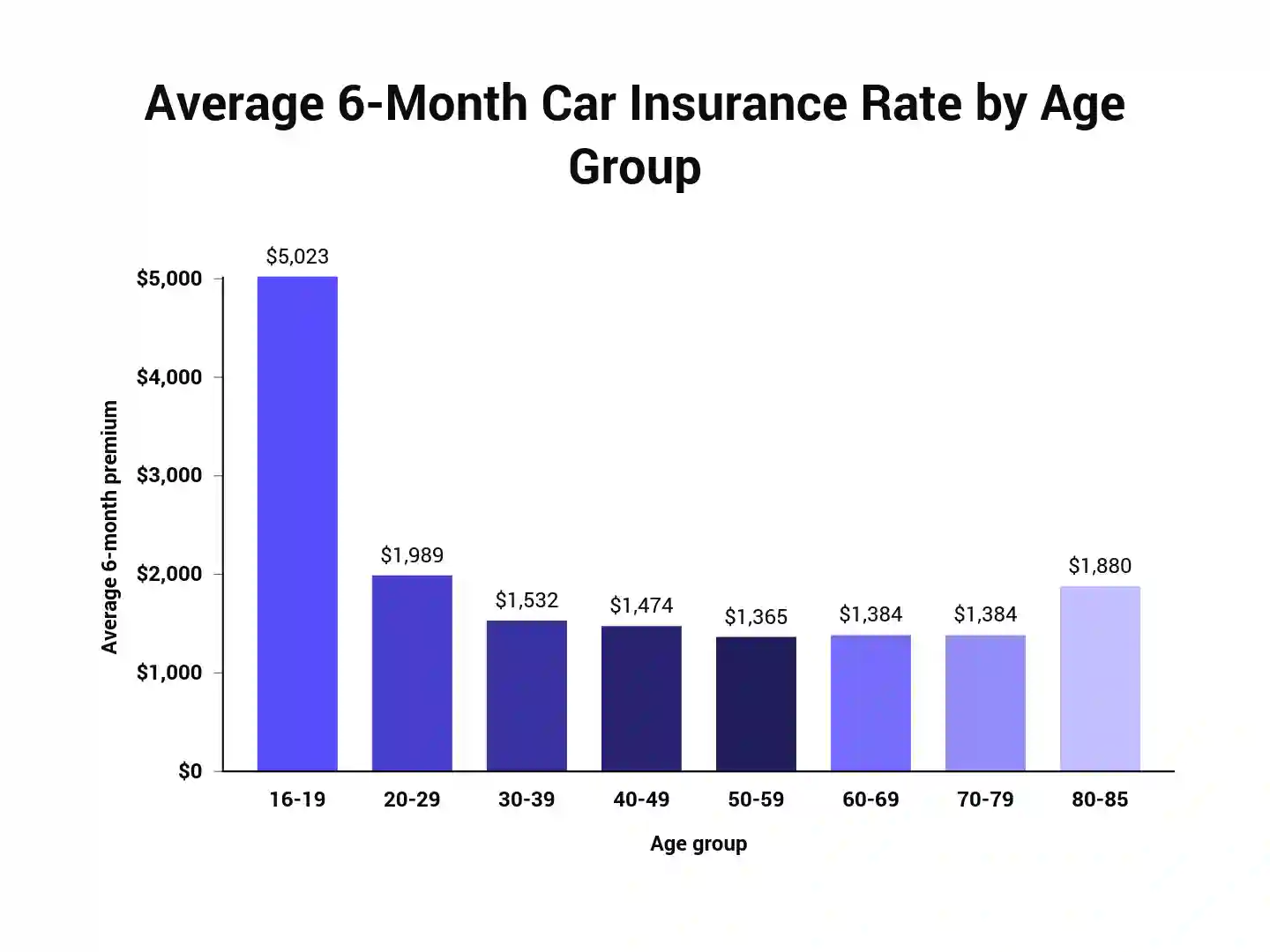
The Chevy Spark is a popular choice for first-time drivers and college students due to its price point. However, drivers under the age of 25 face the highest premiums. For an 18-year-old driver, insuring a 2022 Spark can exceed $4,500 annually. By contrast, drivers in the "sweet spot" of 45 to 60 years old typically enjoy the lowest rates, provided they maintain a clean driving record.
Credit-Based Insurance Scores
In many states, insurance companies use a version of your credit score to predict the likelihood of you filing a claim. In 2026, drivers with "Excellent" credit may pay $500–$800 less per year for their Chevy Spark insurance than those with "Poor" credit. This factor is often more impactful than the car's age or safety features.
Comparing Top Insurers for the Chevrolet Spark
Not all insurance companies treat subcompact cars the same. Some companies specialize in "high-risk" drivers or older vehicles, while others focus on bundling homeowners and auto insurance for a discount.
- State Farm: Often provides the most competitive rates for Spark owners who bundle their policies. Their large network of agents makes them a preferred choice for older drivers who prefer personalized service.
- GEICO: Known for competitive pricing on subcompact vehicles. Their "Government Employees" legacy often translates to lean operational costs and lower premiums for the budget-conscious Spark owner.
- Progressive: Exceptional for drivers with a less-than-perfect record. Their "Snapshot" telematics program can be particularly beneficial for Spark owners who don't drive many miles, as it tracks actual road behavior.
- Erie Insurance: Frequently cited as a top-tier regional provider for the Spark in the Midwest and Mid-Atlantic, offering high customer service marks and stable rate locks.
Safety Features and Their Impact on Rates
While the Spark is small, Chevrolet packed it with safety features that help lower liability and medical payment premiums. The Insurance Institute for Highway Safety (IIHS) has historically given the Spark "Good" ratings in several crashworthiness categories, though its performance in the small overlap front test was a point of contention in earlier generations.
By 2026, most insurers offer specific discounts for the following features found in the Chevy Spark:
- StabiliTrak: Electronic stability control with traction control.
- Anti-lock Braking System (ABS): Four-wheel ABS is standard, reducing the risk of skidding.
- Rear Vision Camera: Standard on newer models, reducing low-speed "fender bender" claims during parking.
- OnStar: Many Spark models include OnStar hardware, which can lead to discounts for anti-theft tracking and emergency assistance capabilities.
Strategies to Lower Chevy Spark Insurance Costs
Because the Chevy Spark is a value-oriented vehicle, it makes little sense to pay more for insurance than the car is worth over a few years. Implementing these strategies can help keep your 2026 premiums manageable.
Optimize Your Coverage for Vehicle Age
If you own an older 2013–2015 Chevy Spark, the car's market value may have dropped below $4,000. In 2026, you should evaluate whether "Collision" and "Comprehensive" coverage are still cost-effective. If the annual premium for these coverages exceeds 10% of the car's total value, you might consider switching to a "Liability Only" policy, provided you have the savings to replace the vehicle if an accident occurs.
Increase Your Deductible
One of the fastest ways to lower your monthly Spark payment is to increase your deductible from $500 to $1,000 or $2,000. For a Spark, this can often reduce the comprehensive and collision portion of your premium by 15% to 30%. However, ensure you have that deductible amount set aside in an emergency fund.
Enroll in Telematics Programs
Most major insurers in 2026 offer a discount for using a mobile app or a plug-in device that tracks your driving habits. Since the Spark is not a high-speed vehicle, it is an ideal candidate for these programs. If you avoid hard braking, late-night driving, and speeding, you could see discounts of up to 25% or more.
Seek Out "Niche" Discounts
- Student Away at School: If your child is the primary driver of the Spark but attends college more than 100 miles away without the car, you can save significantly.
- Good Student Discount: Maintains a "B" average or higher.
- Low Mileage Discount: Driving fewer than 7,500 miles per year is common for Spark owners who use the car for city errands.
Common Mistakes When Insuring a Subcompact Car
A common error among Chevy Spark owners is failing to update their policy after the car is paid off. Once your auto loan is settled, you are no longer legally required by a lender to carry full coverage. While keeping full coverage is often wise, the amount of coverage should be adjusted to reflect the car’s 2026 depreciation.
Another mistake is ignoring GAP insurance for newer used Sparks. If you financed a 2022 Spark recently, the "gap" between what you owe and what the car is worth can be substantial due to the rapid depreciation typical of subcompacts. Without GAP coverage, a total-loss accident could leave you owing thousands to a lender for a car you no longer have.
Frequently Asked Questions
Is the Chevy Spark expensive to insure compared to a Honda Fit?
Generally, the Chevy Spark is slightly cheaper to insure than a Honda Fit. This is primarily because the Spark has a lower starting MSRP and a smaller engine. However, the Honda Fit often holds its value better, which can make the Spark's insurance-to-value ratio slightly higher.
Does the Spark's size make it a "high risk" vehicle?
Insurers do not classify it as "high risk" in the same way they would a 12-cylinder sports car. However, they do account for "size incompatibility." In 2026, with the proliferation of heavy electric vehicles, insurers may slightly increase the Personal Injury Protection (PIP) or Medical Payments (MedPay) portion of the Spark's premium because occupant injury risk is statistically higher in very small cars during multi-vehicle collisions.
Can I get classic car insurance for an early Chevy Spark in 2026?
No. In 2026, even the earliest 2013 North American Spark models are only 13 years old. Most classic or collector car insurance policies require the vehicle to be at least 20 to 25 years old and maintain a certain level of rarity or historical interest, which the mass-produced Spark does not currently meet.
How does the trim level (LS, 1LT, 2LT, Activ) affect my rate?
The higher trim levels, like the 2LT or the "Activ" (the crossover-styled variant), usually cost $5–$10 more per month to insure. This is because they feature more expensive components, such as heated leatherette seats, advanced infotainment systems, and unique alloy wheels, which are more costly to replace.
Final Recommendation for 2026
To get the best insurance rate for your Chevy Spark in 2026, we recommend re-quoting your policy every six months. Because the Spark is no longer in production, different insurers will adjust their "risk appetite" for this model at different rates as parts availability shifts. Always prioritize a company that offers a robust telematics discount, as the Spark’s driving profile naturally lends itself to high "safe driving" scores. Finally, if your Spark is older than the 2017 model year, perform a cost-benefit analysis on your physical damage coverage to ensure you aren't "over-insuring" a rapidly depreciating asset.
Image Gallery