Understanding the 401(k) Highly Compensated Employee (HCE) Limit in 2026
The 401(k) highly compensated employee (HCE) limit is a regulatory restriction designed to ensure that retirement plans do not unfairly favor high earners over rank-and-file employees. In 2026, an individual is generally classified as...
The 401(k) highly compensated employee (HCE) limit is a regulatory restriction designed to ensure that retirement plans do not unfairly favor high earners over rank-and-file employees. In 2026, an individual is generally classified as an HCE if they earned more than $160,000 in the 2025 look-back year or owned more than 5% of the business at any time during 2025 or 2026. This classification may limit your personal 401(k) contributions to a percentage based on the average participation rate of non-highly compensated employees (NHCEs).
Contents
Defining the Highly Compensated Employee (HCE) for 2026
To understand how these limits impact your retirement strategy, you must first determine if you fall under the Internal Revenue Service (IRS) definition of an HCE. The IRS uses two specific tests to identify these individuals: the ownership test and the compensation test.
The Ownership Test
The ownership test is straightforward. If you owned more than 5% of the interest in the business at any time during the current year (2026) or the preceding year (2025), you are an HCE. It is important to note that the IRS applies "family attribution" rules here. If your spouse, child, parent, or grandparent owns more than 5% of the company, you are also considered an HCE by extension, regardless of your own compensation or job title.
The Compensation Test
The compensation test looks at your earnings from the previous calendar year. For the 2026 plan year, you are an HCE if your compensation in 2025 exceeded $160,000. Employers have the option to add a "top-paid group" election to this test. If this election is active, an employee is only considered an HCE if they are in the top 20% of employees ranked by compensation, even if they earned more than the $160,000 threshold. This election is often used by companies with a large number of high earners to minimize the number of people subject to HCE restrictions.
Understanding ADP and ACP Nondiscrimination Testing
The reason HCEs face contribution limits is rooted in annual compliance checks known as nondiscrimination tests. These tests—the Actual Deferral Percentage (ADP) and Actual Contribution Percentage (ACP) tests—measure whether the plan is "discriminatory" toward lower-paid staff.
The ADP Test
The ADP test focuses on elective deferrals (the money employees choose to take out of their paychecks and put into the 401(k)). The plan compares the average percentage of salary deferred by the HCE group against the average percentage deferred by the NHCE group. Generally, the HCE group’s average cannot exceed the NHCE group’s average by more than two percentage points.
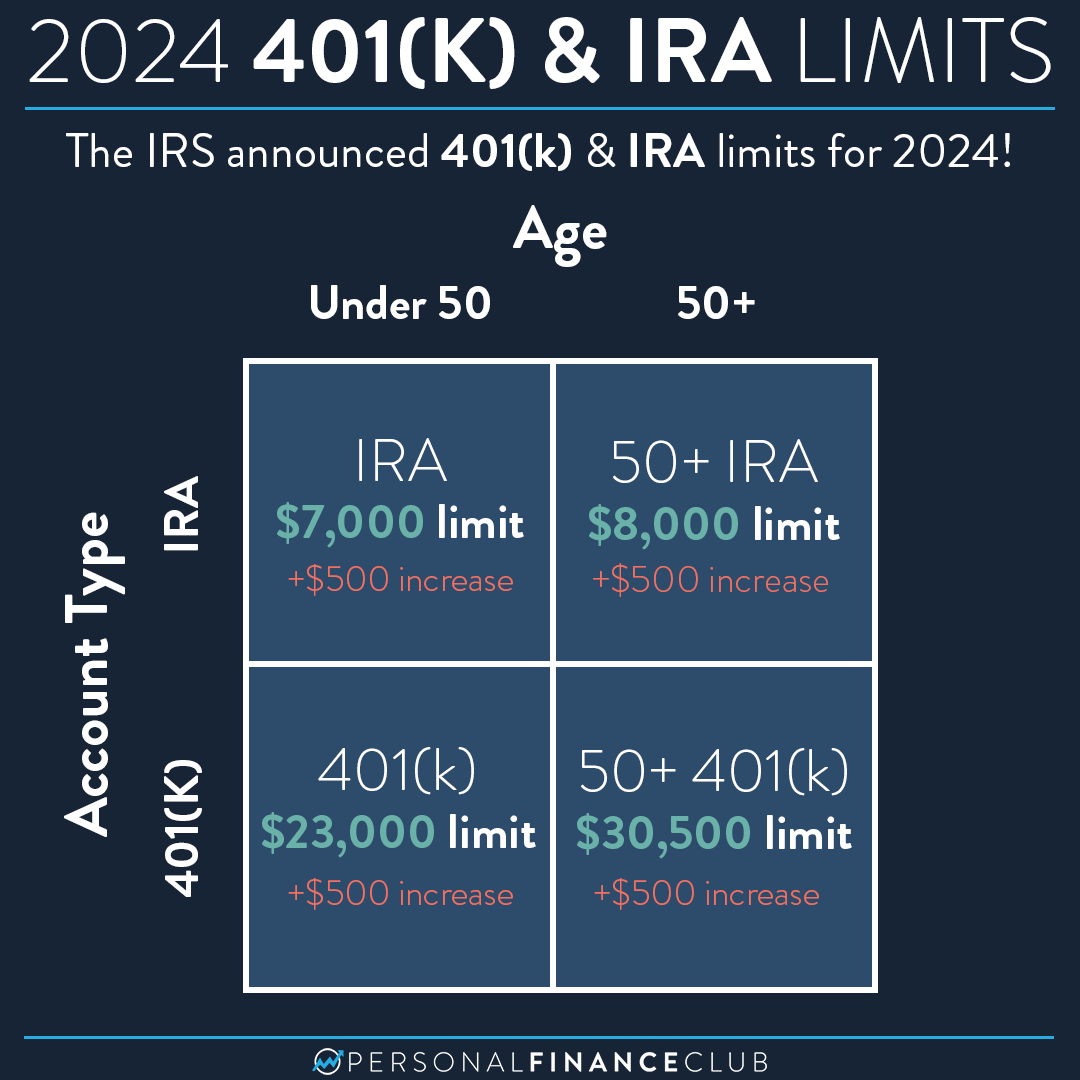
For example, if the rank-and-file employees (NHCEs) only contribute an average of 3% of their pay, the highly compensated group (HCEs) may be capped at an average contribution of 5%. If you are an HCE and you attempted to contribute the full 2026 elective deferral limit (which is $23,500 for those under 50, or $31,000 for those 50 and older), you might find your contributions restricted or refunded if the NHCE participation is too low.
The ACP Test
While the ADP test looks at employee deferrals, the ACP test examines employer matching contributions and after-tax employee contributions. Similar to the ADP test, it ensures that the math behind company matches doesn't disproportionately benefit the HCEs. If the company offers a generous match that only the high earners take advantage of, the plan may fail the ACP test.
What Happens When a Plan Fails Compliance Testing?
Failing an ADP or ACP test is a common occurrence, particularly in smaller companies or industries where lower-paid employees have high turnover or low participation rates. If a plan fails, the employer must take corrective action to maintain the plan's tax-qualified status.
Corrective Distributions
The most common remedy is the "corrective distribution." The plan administrator calculates the excess contributions made by the HCEs and refunds that money to them. If you receive a corrective distribution, that money is no longer tax-deferred. You will receive a Form 1099-R, and you must report the refund as taxable income for the year in which the contribution was made.
To avoid a 10% excise tax penalty for the employer, these distributions must typically be processed within 2.5 months after the end of the plan year (usually by March 15). For the 2026 plan year, these corrections would occur in early 2027.
Employer Contributions (QNECs and QMACs)
Alternatively, an employer can choose to "fix" the failure by contributing more money to the NHCEs. These are known as Qualified Non-Elective Contributions (QNECs) or Qualified Matching Contributions (QMACs). While this is better for the employees, it is expensive for the employer, which is why most companies opt for the refund method instead.
The Safe Harbor Solution: Eliminating HCE Limits
For many business owners and high earners, the uncertainty of HCE limits is a significant drawback. The IRS provides a "Safe Harbor" provision that allows companies to bypass ADP and ACP testing entirely.
A Safe Harbor 401(k) plan requires the employer to make specific, mandatory contributions to all eligible employees. These contributions are 100% vested immediately. The two most common structures are:
- Basic Match: The company matches 100% of the first 3% of employee deferrals, and 50% of the next 2%.
- Non-Elective Contribution: The company contributes 3% of every eligible employee’s compensation, regardless of whether the employee contributes their own money.
By adopting a Safe Harbor plan, HCEs are free to contribute up to the maximum legal limit regardless of what the NHCEs do. For 2026, this means an HCE can contribute the full $23,500 (or $31,000 if age 50+) without the fear of a year-end refund.
Comparison of HCE Limits and Contribution Rules in 2026
The following table summarizes the key thresholds and differences for HCEs versus NHCEs for the 2026 plan year.
| Feature | Highly Compensated Employee (HCE) | Non-Highly Compensated (NHCE) |
|---|---|---|
| 2026 Classification Basis | >5% owner or >$160k in 2025 | Earned ≤$160k in 2025 and ≤5% owner |
| Max Elective Deferral (Under 50) | $23,500 (Subject to ADP limits) | $23,500 (Not subject to ADP limits) |
| Max Elective Deferral (Age 50+ ) | $31,000 (Subject to ADP limits) | $31,000 (Not subject to ADP limits) |
| Impact of Low NHCE Participation | Contributions may be capped or refunded | No impact on contribution ability |
| Vesting of Matching Funds | May be subject to a vesting schedule | May be subject to a vesting schedule |
| Corrective Actions | Receives taxable refunds if plan fails | May receive "free" QNEC contributions |
Note: The total contribution limit (employer + employee) for 2026 is $70,000 ($77,500 for age 50+).
Impact of the "Top-Paid Group" Election
The "Top-Paid Group" election is a nuance of Internal Revenue Code Section 414(q) that can significantly change who is considered an HCE. In a company with 100 employees where 30 people earn over $160,000, all 30 would typically be HCEs.
However, if the employer elects the top 20% rule, only the top 20 earners would be HCEs. The other 10 employees, despite earning over the $160,000 threshold, would be treated as NHCEs for testing purposes. This usually helps the plan pass the ADP test because those 10 high-earning NHCEs likely contribute at high rates, which boosts the NHCE average and allows the HCEs to contribute more.
Frequently Asked Questions
1. Does the HCE limit apply to my Roth 401(k) contributions?
Yes. The ADP test looks at all elective deferrals, whether they are pre-tax or Roth. If you are an HCE and the plan fails the ADP test, your Roth contributions can be refunded just like pre-tax contributions. The primary difference is the tax treatment of the refund; since Roth contributions were made with after-tax dollars, only the earnings on the refund are typically taxable upon distribution.
2. I am a 10% owner but I only earn $50,000. Am I still an HCE?
Yes. The ownership test overrides the compensation test. Because you own more than 5% of the company, you are automatically classified as an HCE regardless of your salary. This is a common issue for founders and partners in startups or small professional practices.
3. Can I still make "Catch-Up" contributions if I am an HCE?
Yes, but with a caveat. Catch-up contributions for those age 50 and older are generally not subject to ADP testing. However, to make a catch-up contribution, you must first be eligible to make the regular maximum contribution. If your regular contributions are limited by a failed ADP test, your ability to utilize the full catch-up amount may effectively be preserved, as the IRS allows catch-up contributions to stay in the plan even if regular deferrals are refunded.
4. How can I find out if my contributions will be limited?
You should contact your HR department or plan administrator and ask for the "ADP testing results" from the previous year. While the 2026 results won't be known until the year ends, previous years' performance is a strong indicator. If the plan has failed in the past, you should prepare for the possibility of a refund or a mid-year cap on your deferrals.
5. What is the "Look-Back Year" exactly?
The IRS defines the HCE compensation threshold based on the prior year's earnings. For the 2026 plan year, you look at what you earned in 2025. This allows plan administrators to identify HCEs at the very beginning of the year so they can monitor contributions in real-time.
Practical Recommendations for 2026
If you are classified as an HCE, your primary goal should be to maximize your retirement savings while minimizing the risk of taxable refunds. First, advocate for a Safe Harbor 401(k) design. This is the most effective way to eliminate the uncertainty of ADP/ACP testing. If your company is unwilling to adopt Safe Harbor, suggest they implement the "Top-Paid Group" election to potentially reclassify some high earners as NHCEs.
Additionally, consider diversifying your retirement strategy. If you are capped at a 4% or 5% contribution due to HCE limits, look toward Health Savings Accounts (HSAs), which offer triple tax advantages and have no HCE-style nondiscrimination testing. Finally, ensure you are utilizing a Backdoor Roth IRA if your income exceeds the standard Roth IRA eligibility limits. This allows you to put away an additional $7,000 (plus catch-up) for 2026 in a tax-advantaged vehicle that is completely independent of your employer's 401(k) testing results.
Image Gallery