Understanding MBS Capital Markets: Mechanics, Players, and Investment Strategies
MBS capital markets refer to the financial ecosystem where mortgage-backed securities (MBS) are issued, traded, and managed. These markets provide essential liquidity to the housing and commercial real estate sectors by allowing lender...
MBS capital markets refer to the financial ecosystem where mortgage-backed securities (MBS) are issued, traded, and managed. These markets provide essential liquidity to the housing and commercial real estate sectors by allowing lenders to sell mortgage loans to investors, thereby freeing up capital to issue new loans for borrowers.
Contents
As of 2026, the MBS capital markets remain a cornerstone of the global fixed-income landscape. This market is divided into two primary segments: the Agency MBS market, backed by government-sponsored enterprises (GSEs) like Fannie Mae and Freddie Mac, and the Non-Agency or private-label market. Additionally, the term often refers to specialized boutique investment banks, such as MBS Capital Markets, LLC, which focus on structured finance and municipal bonds for senior living and educational facilities. Understanding this sector requires a grasp of securitization, interest rate sensitivity, and the regulatory frameworks governing these complex financial instruments.
The Structural Role of MBS Capital Markets
The primary function of the MBS capital markets is the process of securitization. This involves pooling individual mortgage loans with similar characteristics—such as interest rates and maturities—into a single security. These securities are then sold to institutional investors, including pension funds, insurance companies, and central banks.
This mechanism serves several critical purposes in the 2026 economy:
- Liquidity Provision: By selling mortgages into the secondary market, banks and non-bank originators do not have to wait 15 or 30 years to recoup their principal. This allows for a continuous cycle of lending.
- Risk Distribution: Securitization moves the credit and interest rate risk from the balance sheets of individual banks to a diverse pool of global investors.
- Standardization: The Agency MBS market, in particular, offers highly standardized products that are almost as liquid as U.S. Treasuries, providing a reliable benchmark for mortgage pricing.
MBS Capital Markets, LLC: A Specialized Institutional Player
While "MBS capital markets" describes a broad financial sector, MBS Capital Markets, LLC is a specific, prominent boutique investment banking firm that operates within this niche. Unlike large bulge-bracket banks, this firm focuses on providing tailored capital structure solutions, primarily through the issuance of municipal bonds and structured debt.
Core Focus Areas
The firm has established a dominant presence in several specific sectors:
- Senior Living and Healthcare: They specialize in financing Continuing Care Retirement Communities (CCRCs) and assisted living facilities. In 2026, as the "silver tsunami" of aging demographics continues, the demand for sophisticated financing for these projects is at an all-time high.
- Education: The firm provides underwriting and advisory services for charter schools and private educational institutions, helping them access the capital markets for campus expansions and debt refinancing.
- Special District Financing: They assist developers and municipalities in creating infrastructure through tax-exempt bond issuances, often utilized for master-planned communities.
MBS Capital Markets, LLC operates as a FINRA-registered broker-dealer, adhering to strict regulatory standards regarding capital adequacy and fair dealing. Their role often involves acting as a bridge between specialized project developers and institutional bond buyers who seek yields higher than those offered by traditional government securities.
The Mechanics of Securitization and Cash Flow
To participate in MBS capital markets, one must understand how cash flows are prioritized. When a homeowner makes a monthly mortgage payment, that money is passed through to the holders of the MBS, minus a small servicing fee.
In more complex structures, such as Collateralized Mortgage Obligations (CMOs), these cash flows are carved into different "tranches." Each tranche has a different priority for receiving principal and interest payments, which allows the security to be tailored to the risk appetite of different investors.
- Senior Tranches: Receive payments first and have the highest credit ratings.
- Mezzanine Tranches: Occupy a middle ground in terms of risk and return.
- Equity or Residual Tranches: Receive payments last but offer the highest potential yields to compensate for the risk of absorbing the first losses in the pool.
Key Risk Factors in 2026
Investing in MBS capital markets involves a unique set of risks that differ significantly from corporate bonds.
Prepayment Risk
Because homeowners have the right to refinance their mortgages when interest rates drop, MBS investors face prepayment risk. If rates fall, borrowers pay off their high-interest loans early, forcing investors to reinvest their capital at lower prevailing rates.
Extension Risk
Conversely, when interest rates rise, the rate of prepayments slows down. This is known as extension risk. The expected life of the security increases, locking the investor into a lower-yielding asset while the rest of the market is offering higher returns.
Credit Risk
In the Agency MBS market, credit risk is minimal because the GSEs (Fannie Mae, Freddie Mac) or the government (Ginnie Mae) guarantee the timely payment of principal and interest. However, in the Private-Label MBS market, investors must conduct deep due diligence on the underlying credit quality of the borrowers, as there is no government backstop.
Comparative Analysis: Agency vs. Non-Agency MBS
The following table outlines the primary differences between the two main sectors of the MBS capital markets as they stand in 2026.
| Feature | Agency MBS (Ginnie/Fannie/Freddie) | Non-Agency (Private-Label) |
|---|---|---|
| Guarantor | U.S. Government or GSEs | Private Financial Institutions |
| Credit Risk | Negligible to Low | Moderate to High |
| Liquidity | Extremely High | Moderate |
| Yield | Lower (Spreads over Treasuries) | Higher (Risk Premium) |
| Underlying Loans | Conforming Mortgages | Jumbo, Alt-A, or Subprime |
| Regulatory Oversight | FHFA / SEC | SEC / FINRA |
Regulatory Environment and Compliance
The MBS capital markets are among the most heavily regulated sectors of the financial world. Following the structural shifts of the late 2010s and early 2020s, the 2026 regulatory landscape focuses on transparency and capital retention.
The Securities and Exchange Commission (SEC) mandates rigorous disclosure requirements for any publicly traded MBS. This includes "loan-level" data, allowing investors to see the credit scores, loan-to-value (LTV) ratios, and geographic locations of the properties in the pool without violating privacy laws.
For firms like MBS Capital Markets, LLC, compliance with MSRB (Municipal Securities Rulemaking Board) rules is also paramount. These rules ensure that when tax-exempt bonds are issued for senior living or education projects, the investors are treated fairly and the issuers are providing accurate financial projections.
How to Access MBS Capital Markets
For institutional players, access is typically through primary dealers and specialized investment banks. However, individual investors and smaller institutions have several avenues:
- Exchange-Traded Funds (ETFs): There are numerous ETFs that track MBS indices, providing instant diversification across thousands of mortgage loans.
- Mutual Funds: Managed funds often employ "active" strategies to navigate prepayment and extension risks more effectively than a passive index.
- Direct Bond Purchase: Through specialized broker-dealers, sophisticated investors can purchase individual tranches of CMOs or specific municipal MBS issues.
Frequently Asked Questions
What is the difference between MBS and CMBS?
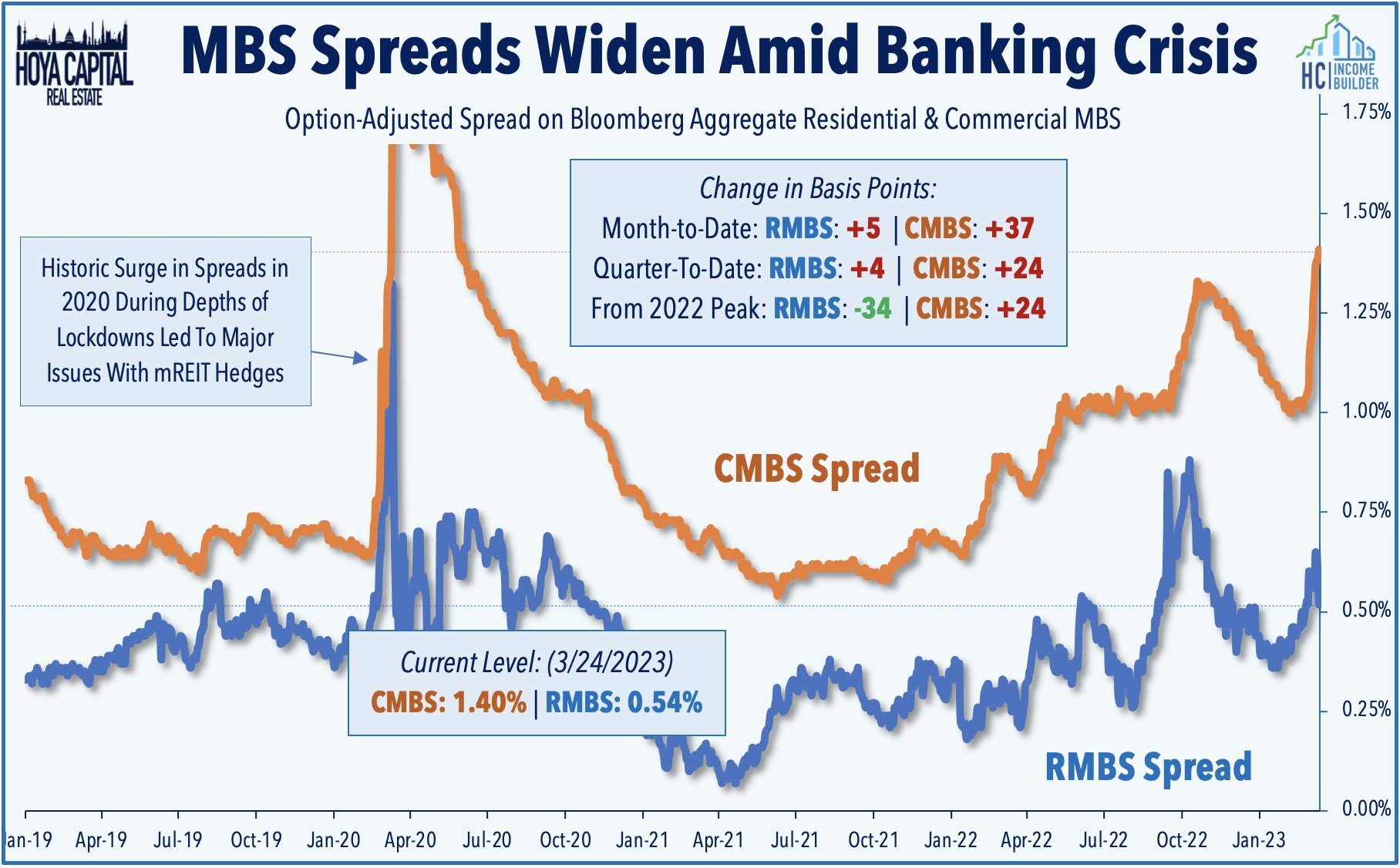
MBS usually refers to Residential Mortgage-Backed Securities (RMBS), which are backed by loans on single-family homes. Commercial Mortgage-Backed Securities (CMBS) are backed by loans on income-producing properties like apartment complexes, office buildings, shopping centers, and hotels. CMBS generally have different prepayment protections, such as "defeasance," which makes them less sensitive to sudden rate drops than RMBS.
How do interest rates specifically affect MBS capital markets?
MBS prices have an inverse relationship with interest rates. However, because of prepayment risk, they exhibit "negative convexity." This means that when rates fall, MBS prices do not rise as much as traditional bonds because the expected life of the mortgage shortens. When rates rise, MBS prices may fall more sharply because the expected life of the mortgage extends.
Is MBS Capital Markets, LLC a bank?
MBS Capital Markets, LLC is an investment banking firm and broker-dealer, but it is not a commercial bank. It does not take deposits or offer traditional checking accounts. Instead, it focuses on capital raising, debt underwriting, and financial advisory services for specific institutional sectors.
What is the current status of the "GSE conservatorship" in 2026?
While Fannie Mae and Freddie Mac remain under the general oversight of the Federal Housing Finance Agency (FHFA), the 2026 market has largely priced in their "utility-like" status. They continue to provide the primary guarantee for the majority of residential mortgages in the U.S., ensuring stability in the MBS capital markets.
Are mortgage-backed securities safe investments?
Agency MBS are considered very safe in terms of credit risk due to their government or GSE backing. However, they still carry market risk, specifically interest rate and prepayment risk. Non-Agency MBS carry significantly more risk and require a higher degree of financial expertise to evaluate.
Next Steps for Market Participants
Investors looking to enter or expand their presence in the MBS capital markets should prioritize a multi-layered risk assessment. For those interested in the specialized sector of senior living or municipal finance, engaging with a focused firm like MBS Capital Markets, LLC can provide the necessary underwriting expertise and market access.
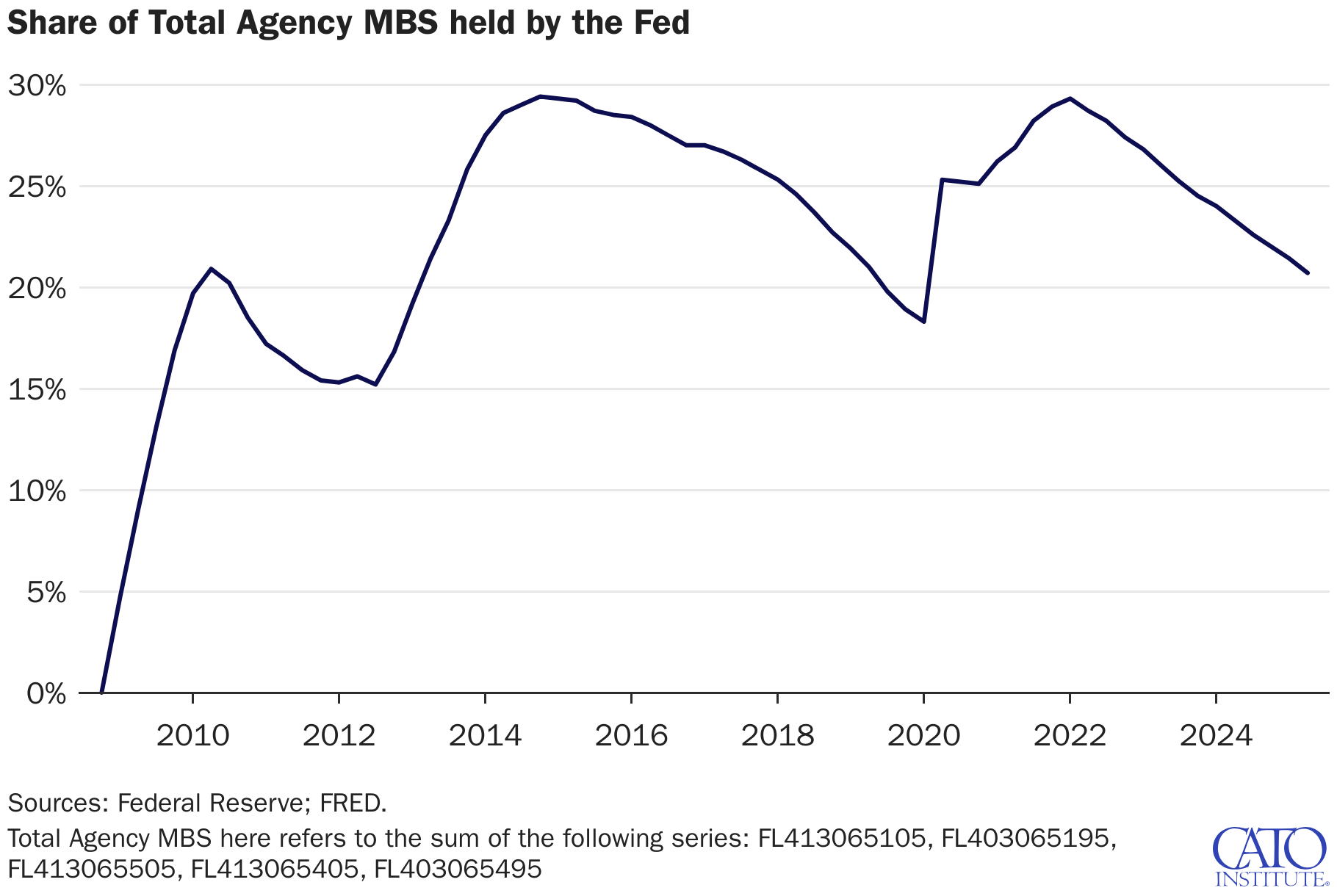
For broader residential market exposure, monitoring the Federal Reserve's balance sheet and SEC EDGAR filings remains the gold standard for verifying market liquidity and individual security compliance. Always consult with a qualified financial advisor to ensure that mortgage-backed assets align with your overall portfolio duration and risk tolerance.
Image Gallery