Exploring the Iconic Imagery of Daniel Day-Lewis: A Visual Legacy of Cinema’s Greatest Chameleon
Finding a definitive picture of Daniel Day-Lewis is a unique challenge because the actor rarely appears as himself. Across a career spanning four decades, his photographs document a series of profound physical and psychological transfo...
Finding a definitive picture of Daniel Day-Lewis is a unique challenge because the actor rarely appears as himself. Across a career spanning four decades, his photographs document a series of profound physical and psychological transformations, ranging from the rugged frontier of the 18th century to the sophisticated fashion houses of 1950s London.
Contents
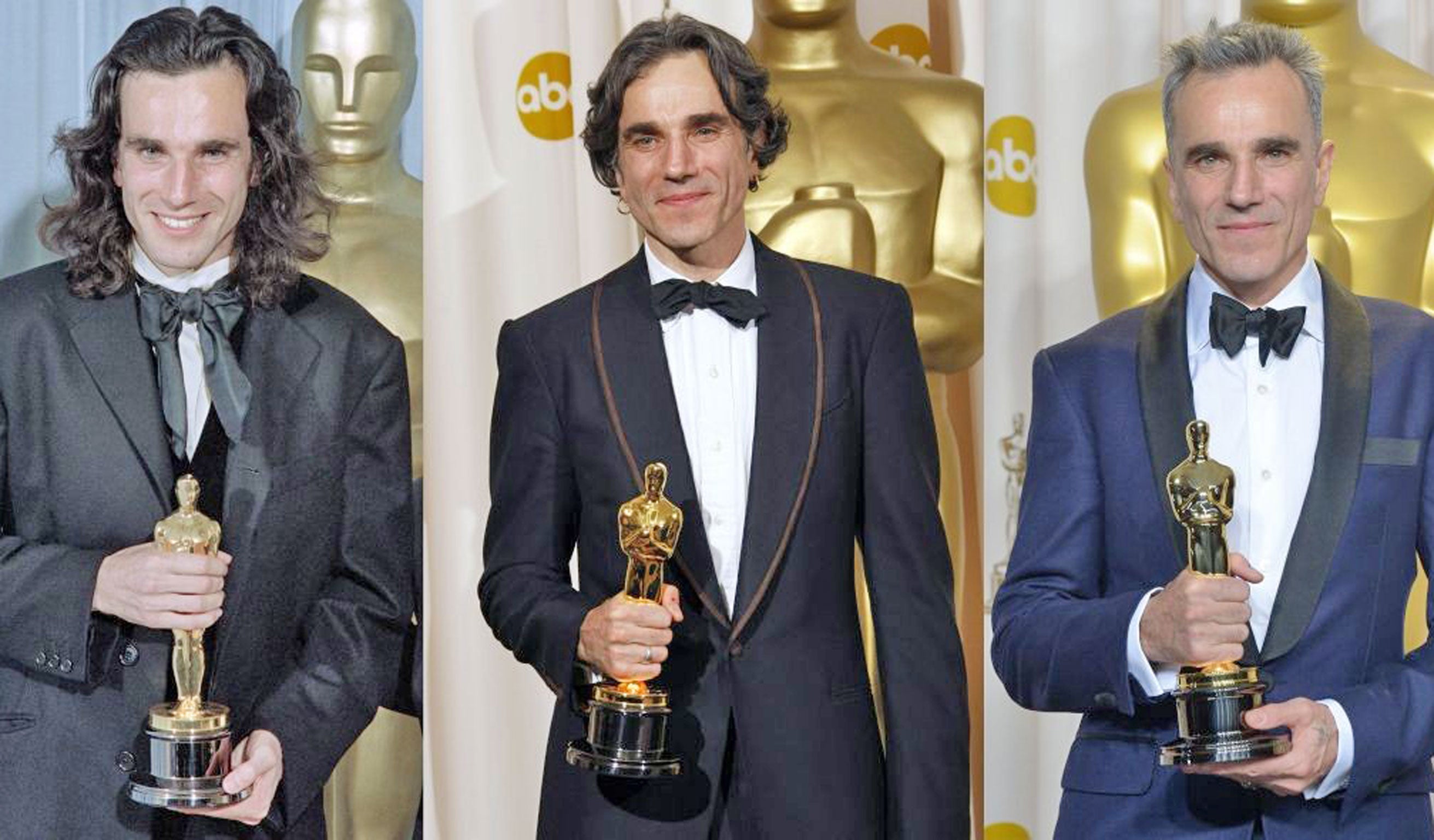
As of 2026, Daniel Day-Lewis remains the only male actor to have won three Academy Awards for Best Actor in a leading role. His retirement in 2017, following the release of Phantom Thread, has only increased the value and mystique of his visual archives. Whether you are a film student, a professional photographer, or a dedicated fan, understanding the imagery of Day-Lewis requires looking past the surface of the "celebrity" and into the "method" that defined an era of filmmaking.
The Evolution of the Chameleonic Image
In the early 1980s, the public’s first encounter with Daniel Day-Lewis was often through the lens of British period dramas. Pictures from A Room with a View (1985) show a stiff, upper-class Edwardian man, Cecil Vyse, complete with pince-nez and a rigid posture. Contrast this with photographs from the same year in My Beautiful Laundrette, where he portrays a street-smart punk with bleached hair and a rebellious sneer. This duality became the hallmark of his career: the ability to be visually unrecognizable from one role to the next.
The significance of these images lies in the "Method." Day-Lewis famously stayed in character throughout his shoots, meaning that any production still captured between takes was not a picture of the actor, but a picture of the character. When looking at photos from the set of My Left Foot (1989), we see the physical toll of his commitment; he remained in a wheelchair and had to be spoon-fed, a dedication that is etched into the strained lines of his face in every frame.
Iconic Portraits: Defining Roles and Visual Markers
To study the visual history of Daniel Day-Lewis is to study the history of high-stakes character acting. Each of his major roles carries a specific visual language that photographers and cinematographers worked tirelessly to achieve.
The Rugged Heroism of Hawkeye
In The Last of the Mohicans (1992), Day-Lewis underwent a massive physical transformation. Pictures from this era show him with long, flowing hair and a muscular build earned through months of living off the land and training with the British Special Air Service (SAS). These images moved away from the "intellectual" actor archetype and established him as a formidable physical presence. The lighting in these stills often utilizes natural sun, emphasizing the raw, untamed nature of the American frontier.
The Menacing Bill the Butcher
By the time he collaborated with Martin Scorsese for Gangs of New York (2002), the "picture of Daniel Day-Lewis" had become something fearsome. As William "Bill the Butcher" Cutting, Day-Lewis is framed with sharp angles, a glass eye, and a towering top hat. The visual depth here is found in the costume design and the actor's intense, unblinking gaze. Photography from this set often highlights the vibrant reds and grays of the Five Points, mirroring the blood and grit of the narrative.
The Haunting Presence of Daniel Plainview
Perhaps the most analyzed images of his career come from There Will Be Blood (2007). The character of Daniel Plainview is defined by grease, sweat, and the vast, empty landscapes of the California oil boom. Stills from this film capture a man becoming consumed by his own ambition. The high contrast of the black oil against the parched earth provides a visual metaphor for the character’s soul, a detail that makes these particular photographs some of the most sought-after by cinema enthusiasts.
The Technical Depth of His Cinematic Portraits
Analyzing a "picture of Daniel Day-Lewis" requires an appreciation for the technical craft of cinematography. Directors like Paul Thomas Anderson and Steven Spielberg used specific visual palettes to complement his acting style.
| Film Title | Visual Style / Palette | Key Physical Trait | Photographic Focus |
|---|---|---|---|
| My Left Foot | Gritty, Realistic | Physical Contortion | Emotional Resilience |
| The Last of the Mohicans | Naturalistic, Golden | Long Hair, Athleticism | Physical Prowess |
| Gangs of New York | High Contrast, Theatrical | Mustache, Glass Eye | Intimidation/Authority |
| There Will Be Blood | Desaturated, Earthy | Grease-stained, Stoic | Obsession/Isolation |
| Lincoln | Daguerreotype-inspired | Aged, Gaunt, Bearded | Statesmanship/Wisdom |
| Phantom Thread | Soft, Elegant, Satins | Silver Hair, Tailored Suits | Perfectionism/Refinement |
In Lincoln (2012), the photography intentionally mimics the 19th-century daguerreotypes taken by Matthew Brady. The lighting is often directional and somber, emphasizing the deep lines in Day-Lewis’s face, which were enhanced by hours of makeup to match the historical President. These images are less about "action" and more about the weight of history, captured in the stillness of a seated pose or a weary glance.
The Rarity of Personal Imagery
One reason why professional stills and "pictures of Daniel Day-Lewis" in character are so prevalent is because the actor is famously private. Unlike many modern stars who maintain a constant social media presence, Day-Lewis has largely avoided the paparazzi lens.
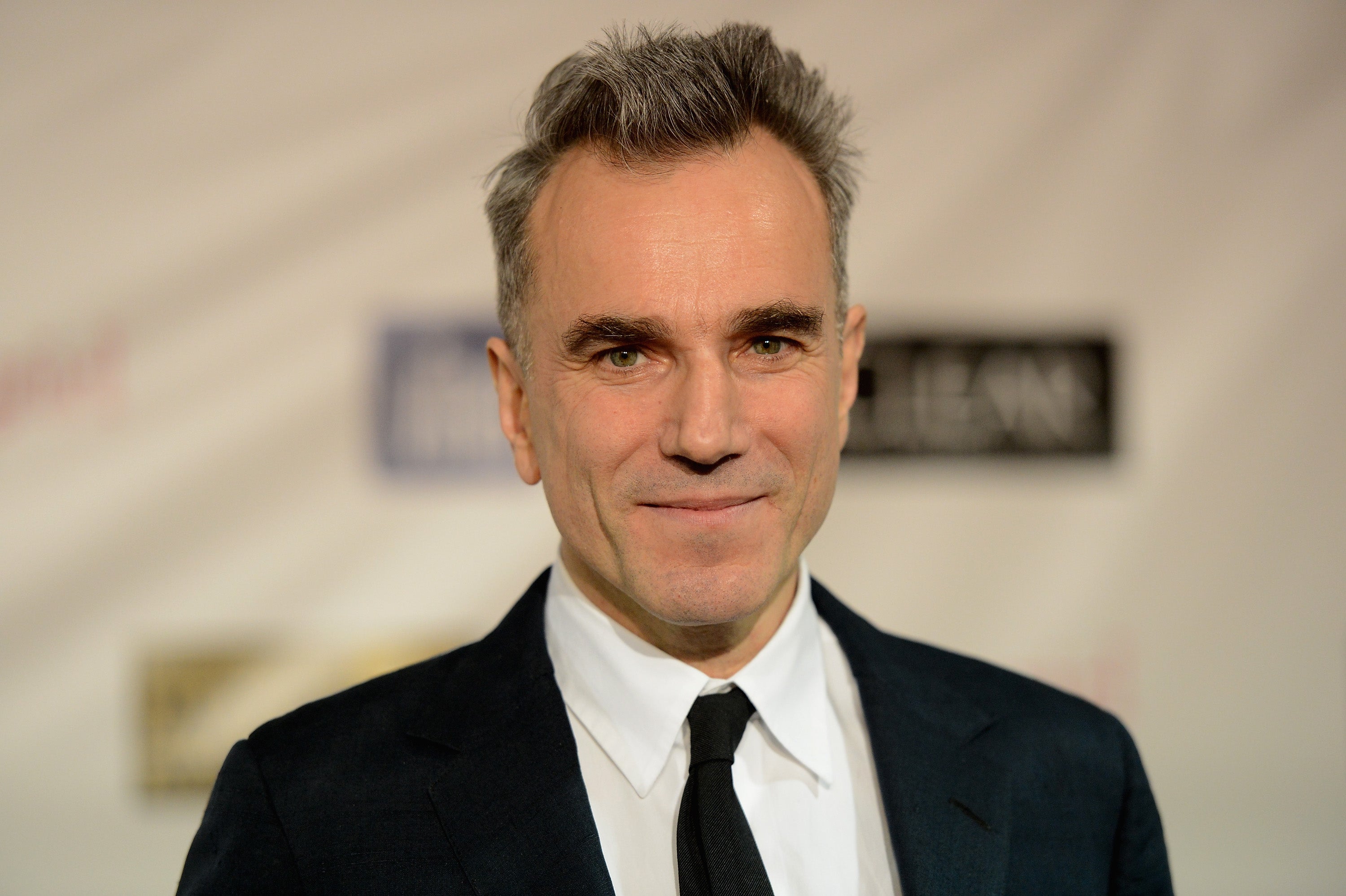
Since his retirement in 2017, pictures of him in public have become even more scarce. When he is spotted—often in New York or his home in Ireland—the images usually show a man who looks remarkably different from his cinematic counterparts. He often sports short hair, casual attire, and a quiet demeanor. This scarcity adds a layer of "prestige" to any authentic image of the actor. For researchers and editors, verifying the date and context of these rare candid shots is crucial, as many "new" photos circulating online are often mislabeled shots from his time training as a cobbler in Italy in the late 1990s.
How to Find and Verify High-Quality Images
If you are looking for high-resolution images for publication, educational use, or personal collections, it is important to use reputable sources to ensure authenticity and respect copyright laws.
- The British Film Institute (BFI): The BFI National Archive holds an extensive collection of stills from Day-Lewis’s British films, including early stage work that is rarely seen elsewhere.
- The Criterion Collection: For films like The Age of Innocence or My Beautiful Laundrette, the Criterion Collection often releases restored stills and behind-the-scenes photography that offer superior detail.
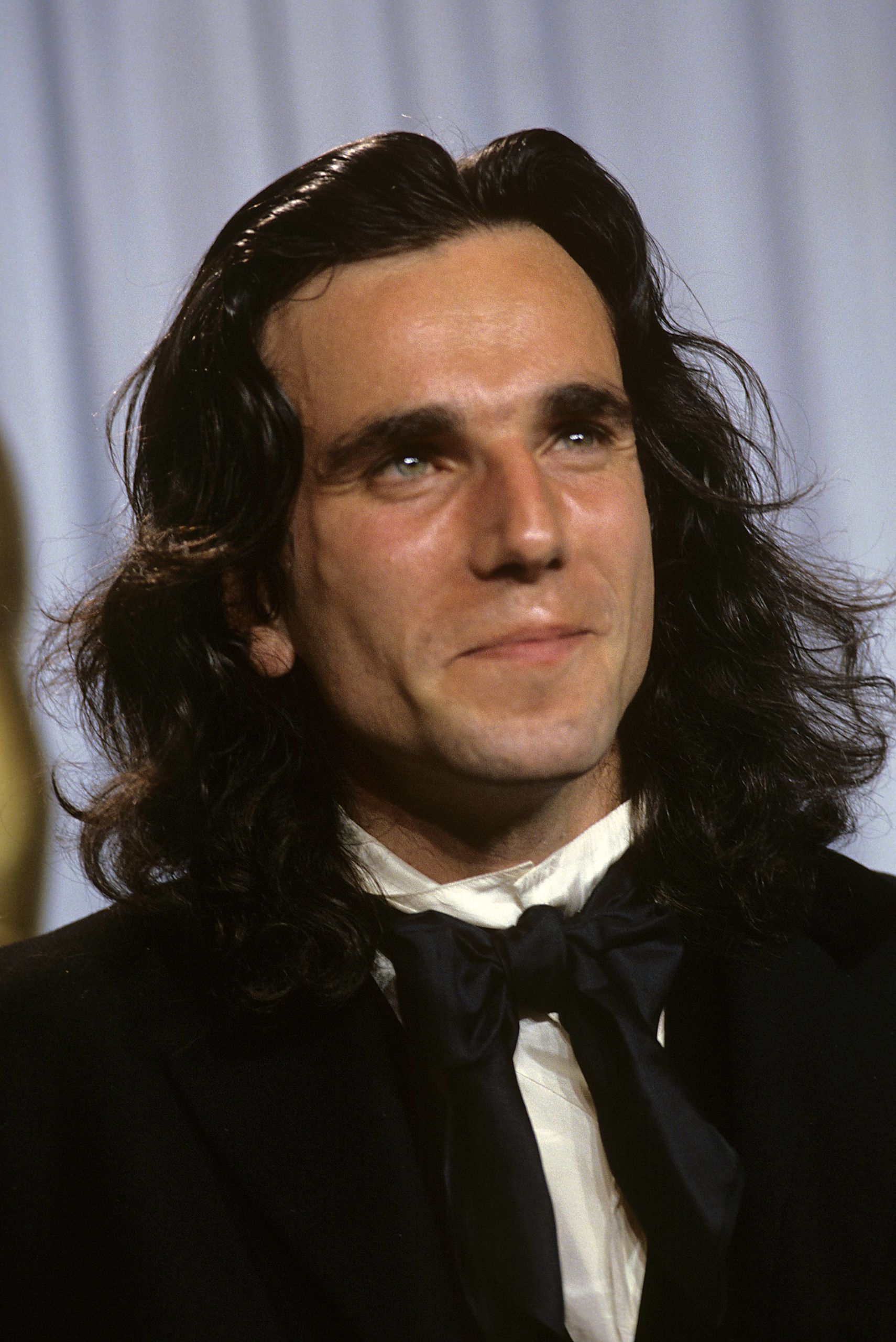
- Getty Images & Associated Press: For red carpet events (primarily from his Oscar wins in 1990, 2008, and 2013) and official portraits, these are the primary sources for journalistic photography.
- Academy of Motion Picture Arts and Sciences: The Margaret Herrick Library contains production records and official studio portraits that document his historic relationship with the Oscars.
When evaluating a picture, look for the "production still" credit. Authentic film stills will usually have the name of the unit photographer (such as Brigitte Lacombe, who has captured many iconic images of Day-Lewis) and the studio’s copyright watermark.
The Significance of the "Retired" Image
In 2026, the image of Daniel Day-Lewis has shifted from that of an active performer to that of a legendary recluse. His retirement was not just a professional choice but a visual one; he stepped out of the spotlight to live a life away from the camera. This has led to a retrospective appreciation of his work.
Critics often point to his final film, Phantom Thread, as the perfect visual "capstone." The pictures of him as Reynolds Woodcock—meticulous, silver-haired, and dressed in bespoke tailoring—feel like a refined version of the actor himself, blending his real-life poise with his fictional elegance.
Common Misconceptions in Image Searches
When searching for "pictures of Daniel Day-Lewis," users often encounter a few common points of confusion:
- The "Cobbler" Photos: Many images showing Day-Lewis working with leather are from his sabbatical in the late 90s when he apprenticed with Stefano Bemer in Florence. These are often mistaken for movie stills.
- The "Lincoln" Fakeouts: Because his transformation into Abraham Lincoln was so complete, many AI-generated or heavily filtered historical photos of the real Lincoln are sometimes tagged as Daniel Day-Lewis, and vice versa.
- The Lookalike Factor: Occasionally, images of other "distinguished" actors with similar features, such as a younger Jeremy Irons or certain portraits of Irish writers, are mislabeled in automated search engines.
Frequently Asked Questions
Is Daniel Day-Lewis coming back to acting in 2026? No, Daniel Day-Lewis has remained steadfast in his retirement since his official announcement in June 2017. While rumors occasionally surface regarding "one last role" for directors like Martin Scorsese or Paul Thomas Anderson, there has been no verified evidence or announcement of a return to the screen.
Why are there so few pictures of him from his personal life? Day-Lewis has always prioritized a life of "quietude" outside of his work. He famously lived in semi-seclusion in County Wicklow, Ireland, for many years. He avoids the traditional celebrity circuit, which means most of the "candid" pictures available are either decades old or captured during rare public appearances at award ceremonies.
Which role required his most extreme physical transformation? While Lincoln and The Last of the Mohicans were significant, his role as Christy Brown in My Left Foot is often cited as the most extreme. He spent the entire production hunched in a wheelchair, which resulted in two broken ribs due to the sustained physical contortion—a reality that is visible in the physical tension of the film's photography.
Who is the photographer behind his most famous portraits? Brigitte Lacombe is one of the most prominent photographers to have captured Daniel Day-Lewis. Her black-and-white portraits of him are celebrated for capturing the "man behind the mask," focusing on his intense eyes and thoughtful expressions rather than his film characters.
Are there any pictures of Daniel Day-Lewis's own artwork or crafts? While it is known that he is a skilled woodworker and shoemaker, he does not publicize his private work. There are very few verified images of his personal creations, as he treats these crafts as private disciplines rather than commercial ventures.
Final Recommendation
To truly appreciate a "picture of Daniel Day-Lewis," one must view it in the context of his filmography. If you are looking for an image that captures the essence of his contribution to art, seek out the production stills from There Will Be Blood or Lincoln. These images represent the pinnacle of his transformative power. For those interested in the technical side of his career, exploring the archives of the British Film Institute provides the best insight into his early development and the disciplined evolution of a man who didn't just play characters but lived them until the camera stopped rolling.
Image Gallery