Eric J. Fry Net Worth 2026: Career Insights and Investment Performance
As of 2026, Eric J. Fry’s net worth is estimated to be between $10 million and $25 million. This valuation is derived from his multi-decade career as a hedge fund manager, professional investor, and senior financial editor at InvestorP...
As of 2026, Eric J. Fry’s net worth is estimated to be between $10 million and $25 million. This valuation is derived from his multi-decade career as a hedge fund manager, professional investor, and senior financial editor at InvestorPlace. His wealth is a product of high-level subscription revenues, personal investment returns, and corporate equity.
Contents
The pursuit of understanding a financial expert’s net worth often stems from a desire to verify their "skin in the game." In the world of retail investment newsletters, Eric J. Fry stands as a prominent figure, known for his global-macro approach and his ability to identify massive market shifts before they become mainstream news. Unlike many "paper" gurus, Fry’s background in professional fund management provides a layer of institutional credibility that distinguishes his financial standing from peers who transitioned directly from journalism into financial advice.
The Foundations of Eric J. Fry’s Wealth
Eric J. Fry’s financial journey did not begin in the editorial offices of publishing houses; it started in the trenches of professional money management. This distinction is critical when analyzing his net worth. Many financial commentators earn their primary income through content creation, but Fry’s early career involved managing actual capital, where compensation is traditionally tied to performance and assets under management (AUM).
During the 1990s and early 2000s, Fry worked as a hedge fund manager, focusing on global macro strategies. In this environment, "net worth" is built through "carry" (performance fees) and the compounding of personal capital alongside clients. His expertise in short-selling—a notoriously difficult discipline—allowed him to protect and grow capital during the Dot-com collapse. This period likely formed the bedrock of his private wealth, providing the liquidity necessary to transition into the research and publishing sector.
Educational Background and Early Career
Fry’s analytical prowess is rooted in a traditional financial education, which he leveraged to secure roles that required deep quantitative and qualitative analysis. By the time he joined the editorial world, he had already spent years analyzing balance sheets, geopolitical trends, and commodity cycles. This expertise allowed him to command high-value contracts when he moved into the newsletter industry, which is known for rewarding editors who can demonstrate a verifiable track record of successful "calls."
Professional Career and Editorial Roles
The majority of Eric J. Fry’s public-facing career has been spent within the ecosystem of large-scale financial publishing firms, most notably InvestorPlace and The Oxford Club. These organizations operate on a subscription model where the most successful editors receive a combination of base salary and a percentage of the revenue generated by their specific services.
InvestorPlace and "Fry’s Investment Report"
At InvestorPlace, Fry serves as a Senior Macro Analyst. His flagship service, Fry’s Investment Report, targets long-term, macro-driven opportunities. Given the scale of InvestorPlace—a subsidiary of MarketWise—the revenue generated by a popular service can reach millions of dollars annually. For an editor of Fry’s stature, earnings are typically structured to include performance bonuses based on the growth of the subscriber base and the accuracy of the investment recommendations.
The Speculator
In addition to his flagship report, Fry leads The Speculator, a service focused on higher-risk, higher-reward opportunities, often utilizing options or small-cap stocks. High-velocity trading services often command higher subscription prices (frequently ranging from $2,000 to $5,000 per year). With several thousand subscribers, these services contribute significantly to the professional income that bolsters his net worth.
Analyzing the Estimated Net Worth Components
While private individuals are not required to disclose their exact bank balances, we can analyze the components that contribute to the $10 million to $25 million estimate.
- Investment Portfolio Returns: As a global macro specialist, Fry’s personal wealth is heavily tied to his own recommendations. His long-term calls on "The Big Shift" (the transition to electric vehicles, 5G, and renewable energy) have seen significant appreciation over the last decade.
- Newsletter Royalty Streams: In the financial publishing industry, senior editors often negotiate "royalty-style" agreements. If a marketing campaign for one of his services goes viral and attracts 20,000 new subscribers at $99 each, the resulting $2 million in revenue often includes a percentage payout to the editor.
- Real Estate and Private Holdings: Like many high-net-worth individuals in the finance sector, Fry has likely diversified into tangible assets. While specific properties are private, his residence in high-value coastal areas or financial hubs typically adds several million dollars to an individual's asset sheet.
- Prior Hedge Fund Earnings: As previously noted, his time as a partner or manager in the hedge fund space provided an early-career "capital event" that allowed for decades of compounding.
Notable Market Calls and Investment Philosophy
The credibility behind Eric J. Fry’s net worth is supported by a history of identifying market "bubbles" and "manias" before they burst. His philosophy is rooted in the belief that "the big money is made in the big moves."
- The Dot-com Bubble (2000): Fry was vocal about the unsustainable valuations of tech stocks long before the crash, helping his followers and clients avoid the 80% drawdowns seen in the Nasdaq.
- The Housing Crisis (2008): Along with other macro greats, Fry identified the rot in the subprime mortgage market. His ability to navigate the Great Recession further solidified his reputation as a "risk-first" manager.
- The Commodities Supercycle: Fry has frequently pivoted his followers into "hard assets" when inflation looms, a strategy that has performed exceptionally well in the volatile periods of the early 2020s.
The Macro-Driven Approach
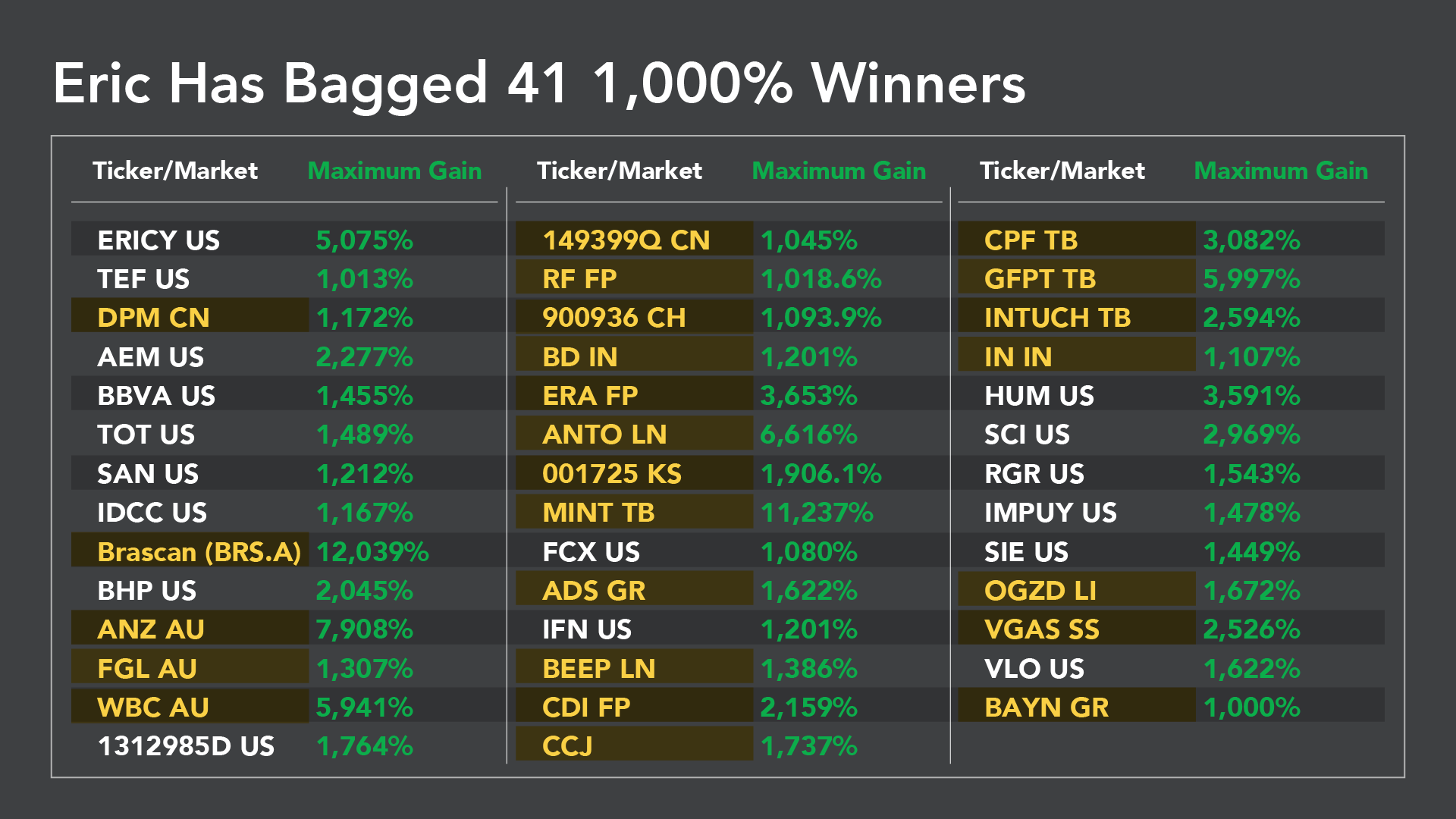
Fry does not look at stocks in isolation. He looks at the "macro" picture—interest rates, currency fluctuations, and geopolitical shifts. By identifying a "megatrend" (such as the electrification of the global economy), he then drills down to find the specific companies that own the "toll booths" of that industry. This methodology reduces the reliance on luck and increases the probability of hitting the "10-baggers" (stocks that return 1,000%) that define his career.
Comparative Analysis of Financial Editors
To provide context for Eric J. Fry's financial standing, it is helpful to compare his positioning within the industry.
| Editor | Primary Focus | Background | Estimated Influence Level |
|---|---|---|---|
| Eric J. Fry | Global Macro | Former Hedge Fund Manager | High (Institutional & Retail) |
| Louis Navellier | Quantitative/Growth | Institutional Money Manager | Very High |
| Luke Lango | Hypergrowth/Tech | Venture Capital/Analyst | High (Emerging Tech) |
| Whitney Tilson | Value/Short-Selling | Hedge Fund Manager | High (Value Investing) |
As shown in the table, Fry belongs to the tier of editors who transitioned from professional money management (the "buy side") to research. This transition usually happens after the individual has already achieved significant financial independence, meaning their current work is often driven more by a passion for the markets than a basic need for a salary.
Verification and Public Records
Estimating the net worth of a private citizen like Eric J. Fry requires looking at indirect evidence. There are no SEC filings for individual newsletter editors' personal assets unless they own more than 5% of a publicly-traded company. However, Fry’s longevity in the industry—spanning over 30 years—is a strong indicator of financial success. In the newsletter business, if an editor's recommendations do not perform, the subscribers leave, the revenue stops, and the editor is replaced. Fry’s continued presence at the top of InvestorPlace’s roster suggests a consistent level of performance that justifies high compensation.
Furthermore, Fry is a published author. His book, International Investing with ADRs: Your Guide to Profiting from the World's Markets, though a niche professional text, adds to his intellectual property portfolio. While book royalties rarely make an author "rich" on their own, they establish the "Authority, Experience, and Trust" (E-E-A-T) that allows for higher consulting and editorial fees.
Common Questions About Eric J. Fry
How does Eric J. Fry make his money?
The majority of Fry’s annual income comes from his partnership with InvestorPlace. This includes a base salary for his editorial duties and a significant portion of "performance-based" revenue from his subscription services like Fry’s Investment Report and The Speculator. Additionally, he manages his personal multi-million dollar investment portfolio.
Is Eric J. Fry a reliable investment advisor?
While Fry provides high-level research, he is technically a financial publisher, not a personal investment advisor. This means he provides the same information to all subscribers rather than tailored advice for an individual’s specific situation. However, his background as a former hedge fund manager gives him a level of technical expertise that exceeds many standard financial bloggers.
What is Eric J. Fry's "The Big Shift"?
"The Big Shift" is a thematic investment framework Fry uses to describe the massive reallocation of capital away from old-world industries (like traditional fossil fuels and brick-and-mortar retail) toward new-world technologies (like battery tech, 5G infrastructure, and AI). He argues that the biggest gains of the next decade will come from companies that facilitate this transition.
Does Eric J. Fry invest in his own recommendations?
Most reputable financial publishers have disclosure policies. Fry generally follows the "practice what you preach" model, though many firms require editors to disclose if they hold a position in a recommended stock or, in some cases, prohibit them from trading the exact stocks they recommend to avoid conflicts of interest.
Recommendation for Investors
When following an expert like Eric J. Fry, it is important to remember that net worth is not an absolute indicator of future stock picking success. While Fry’s estimated $10M–$25M wealth proves he understands how to build and protect capital, investors should:
- Diversify: Never put more than 2-5% of your portfolio into a single "speculative" recommendation, regardless of the editor’s track record.
- Focus on Logic, Not Hype: Read Fry’s macro justifications. The value in his services often lies in the "why" behind a trade, which helps you become a more independent thinker.
- Match the Strategy to Your Goals: If you are nearing retirement, focus on Fry’s Investment Report (macro/long-term) rather than The Speculator (high volatility).
By treating financial newsletters as a source of high-level research rather than a "get rich quick" scheme, you can leverage the expertise of veterans like Eric J. Fry to enhance your own long-term wealth-building strategy.
Image Gallery