How to Grow a Jacaranda Tree in Oregon: Climate Challenges and Care Strategies
Growing a jacaranda tree in Oregon is a challenging but rewarding endeavor that requires specific strategies to overcome the state’s cold winters. While Oregon’s USDA Hardiness Zones (6a to 9a) are generally cooler than the jacaranda’s...
Growing a jacaranda tree in Oregon is a challenging but rewarding endeavor that requires specific strategies to overcome the state’s cold winters. While Oregon’s USDA Hardiness Zones (6a to 9a) are generally cooler than the jacaranda’s required Zone 9b or higher, success is possible through container gardening, microclimate selection, and rigorous winter protection.
Contents
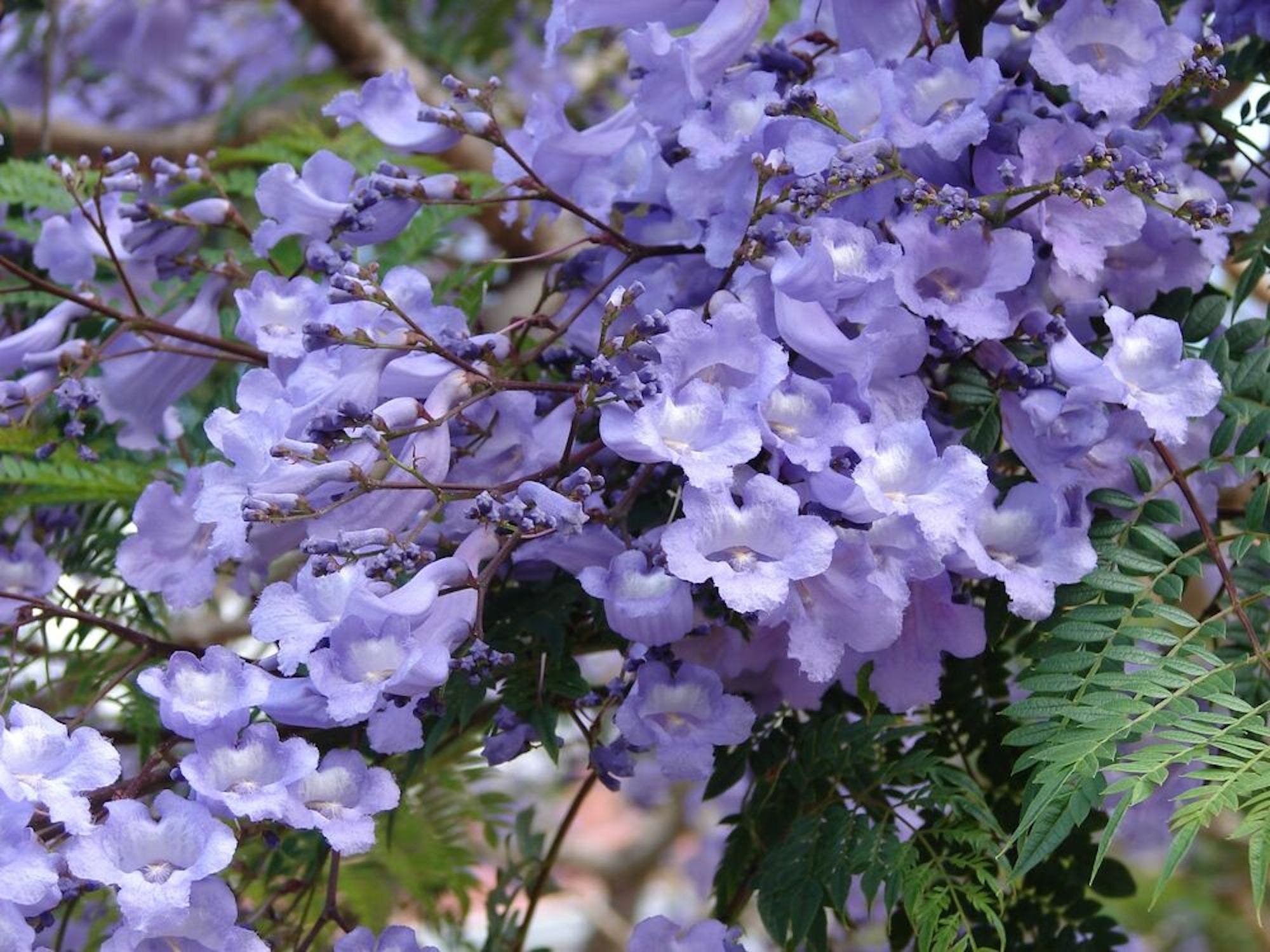
The Jacaranda mimosifolia, world-renowned for its breathtaking canopy of lavender-purple blooms and feathery, fern-like foliage, is a native of subtropical South America. Because it thrives in heat and cannot tolerate sustained freezing temperatures, Oregon gardeners must treat this species with specialized care. As of 2026, shifting climate patterns and improved horticultural techniques have made it easier for Pacific Northwest enthusiasts to experiment with these tropical beauties, provided they understand the physiological limits of the tree.
The Oregon Climate vs. Jacaranda Requirements
To understand how to grow a jacaranda in Oregon, one must first look at the stark contrast between the tree's needs and the local environment. Jacarandas are typically hardy only to about 25°F (-4°C) once established; saplings are even more sensitive and can perish at the first sign of a light frost.
Oregon is divided into several distinct climate zones. The Willamette Valley (including Portland, Salem, and Eugene) sits primarily in Zones 8b to 9a. The Oregon Coast offers milder winters (Zone 9a in areas like Brookings) but lacks the summer heat accumulation jacarandas need to trigger blooming. Eastern Oregon (Zones 6a to 7b) is far too cold for outdoor jacaranda cultivation.
The Role of Summer Heat
One often overlooked factor in Oregon is the "heat sum." A jacaranda requires significant accumulated warmth during the summer months to produce its signature purple flowers. In many parts of Western Oregon, the summers are pleasant but may not stay hot enough for long enough to satisfy the tree. Consequently, an Oregon-grown jacaranda may function primarily as a foliage plant rather than a flowering specimen unless it is placed in a high-heat microclimate, such as near a south-facing brick wall.
Strategic Planting Methods for Oregon
Because most of the state falls below the jacaranda’s hardiness threshold, you must choose between two primary growing methods: the container method or the experimental microclimate method.
The Container Method (Highly Recommended)
For 90% of Oregon residents, growing a jacaranda in a large container is the only way to ensure the tree survives more than one winter. This allows you to move the plant indoors or into a temperature-controlled greenhouse when the mercury drops.
- Pot Selection: Start with a high-quality, lightweight resin or fiberglass pot. Avoid heavy ceramic or terracotta if you plan to move the tree manually. A 15-to-20-gallon container is eventually necessary to support a 6-to-8-foot specimen.
- Soil Composition: Use a well-draining potting mix. Jacarandas hate "wet feet," which can lead to root rot. Mix a standard potting soil with 20% perlite or pumice to ensure rapid drainage.
- Portability: Use a heavy-duty rolling plant stand. In Oregon, the transition from "mild autumn" to "killing frost" can happen overnight in late October or November.
The Microclimate Method (Experimental)
If you live in a mild pocket of the state, such as the southern coast (Brookings/Gold Beach) or a protected urban heat island in Portland, you may attempt in-ground planting. Success depends entirely on the microclimate.
- South-Facing Exposure: Plant the tree against a south-facing wall that absorbs heat during the day and radiates it at night.
- Wind Protection: Oregon’s winter "silver thaws" and Gorge winds can strip the moisture from tropical leaves. Plant the tree in a spot shielded from the prevailing northern winds.
- Elevation: Avoid planting at the bottom of a hill or in a "frost pocket" where cold air settles.
Soil, Water, and Fertilization Requirements
Jacarandas are relatively unfussy about soil pH but are extremely sensitive to soil structure. In the heavy clay soils common in the Willamette Valley, in-ground jacarandas will often fail due to waterlogged roots during the rainy winter months.
Watering Schedules
In the summer, jacarandas require regular deep watering. However, as Oregon enters its rainy autumn, you must reduce supplemental watering. If the tree is in a container and has been moved indoors for the 2026 winter season, water it only when the top two inches of soil are bone dry. Overwatering a dormant or semi-dormant jacaranda in a cool room is the most common cause of death.
Fertilization Strategy
To encourage growth without making the tree "soft" and more susceptible to cold, use a balanced, slow-release fertilizer (such as a 10-10-10) in early spring. Avoid high-nitrogen fertilizers late in the summer (after August). High nitrogen stimulates flush after flush of new, tender green growth that will be instantly killed by the first October frost.
| Feature | Requirement | Oregon Adaptation |
|---|---|---|
| Hardiness Zone | 9b – 11 | Use containers in Zones 6-8; try in-ground only in 9a. |
| Sunlight | Full Sun (6+ hours) | Place in the hottest spot available (near pavement/brick). |
| Soil | Sandy, well-draining | Amend heavy Oregon clay with sand and pumice. |
| Winter Temp | Minimum 25°F (Mature) | Move containers to a garage or basement at 32°F. |
| Watering | Moderate | Reduce drastically during Oregon's wet winters. |
| Bloom Time | Late Spring/Summer | May vary or fail if summer heat is insufficient. |
Winter Protection Tactics for 2026 and Beyond
If you have committed to an in-ground jacaranda in Oregon, you must have a "Winter Battle Plan." In 2026, horticulturalists recommend a multi-layered approach to protection.
Physical Barriers and Wraps
When a freeze is forecasted, wrap the trunk of the tree in several layers of burlap or specialized tree wrap. This protects the cambium layer from "sunscald" and rapid freeze-thaw cycles. For the canopy, use frost blankets (non-woven polypropylene). Avoid using plastic directly against the foliage, as it traps moisture and can cause rot or freeze-burn where it touches the leaves.
Heat Sources
For smaller trees, stringing old-fashioned (non-LED) Christmas lights through the branches can provide just enough ambient heat (3–5 degrees) to keep the plant above the killing point. Ensure the lights are rated for outdoor use and are not touching flammable materials.
Heavy Mulching
Apply a 4-to-6-inch layer of wood chips or straw around the base of the tree to insulate the root ball. In Oregon, the ground rarely freezes deep enough to kill roots, but insulating the surface prevents the "heaving" that can expose sensitive root flares to the air.
Pruning and Maintenance
Jacarandas are fast growers. In a single Oregon summer, a healthy sapling can put on 3 to 5 feet of growth. Proper pruning is essential to maintain a structure that can be managed, especially if the tree must be moved indoors.
- Timing: Prune in late winter or very early spring before new growth begins.
- Shape: Aim for a single leader (main trunk). Jacarandas are prone to developing "v-crotches" or co-dominant stems that are structurally weak and can split under the weight of Oregon’s occasional winter snow or ice.
- Thinning: Remove any "suckers" growing from the base. These divert energy away from the main canopy and the potential for flowering.
Common Pests and Diseases in the Pacific Northwest
While jacarandas are generally pest-resistant in their native climate, the stress of the Oregon environment can make them vulnerable to local issues.
- Aphids: During the lush spring growth, aphids may congregate on the tender tips. A strong blast of water or insecticidal soap is usually sufficient.
- Mushroom Root Rot (Armillaria): This is a concern in Western Oregon. If the soil remains too wet during the winter, the fungus can attack the root system. Proper drainage is the only effective preventative.
- Chlorosis: If the leaves turn yellow while the veins stay green, the tree may be struggling to absorb iron due to cold soil or high alkalinity. In Oregon, this is often solved by moving container plants to a warmer spot to increase metabolic activity.
Alternatives to Jacaranda for Oregon Gardeners
If the requirements for a jacaranda seem too daunting, several other trees offer a similar aesthetic—either feathery foliage or purple blooms—while being much more suited to the Oregon climate.
- Silk Tree (Albizia julibrissin): Offers very similar fern-like foliage and pink, puffy flowers. It is hardy to Zone 6 and thrives in Oregon, though it can be invasive in some regions.
- Chaste Tree (Vitex agnus-castus): Produces stunning spikes of purple flowers in late summer. It is much hardier (Zone 6–9) and handles Oregon winters with ease.
- Desert Willow (Chilopsis linearis): While different in leaf shape, it offers exotic-looking purple/pink flowers and is highly drought-tolerant, making it a great choice for Southern or Eastern Oregon.
FAQ: Growing Jacarandas in the Northwest
Can I grow a jacaranda from seed in Oregon? Yes, jacarandas are easy to start from seed. However, keep in mind that a seedling will take 7 to 14 years to bloom, and it will be extremely sensitive to cold for the first five years of its life. Starting from seed is a fun project, but buying a slightly older, "hardened" sapling increases your chances of success.
Will my jacaranda ever bloom in Portland? It is a "maybe." Blooming is triggered by a combination of a dry dormant period and high summer temperatures. In a particularly hot Portland summer (where temperatures consistently hit the 90s), a well-established container jacaranda may produce flowers.
What do I do if my tree loses all its leaves in the winter? Do not panic. Jacarandas are semi-deciduous. In Oregon’s climate, they will almost certainly drop all their leaves in the winter. As long as the branches remain flexible and the wood is green when scratched with a fingernail, the tree is still alive and will leaf out again in late May or June.
Is the "Bonsai" method effective for Jacarandas? Actually, yes. Because of their fast growth and attractive foliage, jacarandas make excellent bonsai subjects. This is perhaps the most reliable way to enjoy a jacaranda in Oregon, as the plant remains small enough to live on a sunny windowsill or in a heated sunroom year-round.
Practical Next Steps for Success
To begin your journey growing a jacaranda in Oregon during the 2026 season, your first action should be to source a 2-to-3-year-old sapling from a specialty nursery. Avoid planting it in the ground immediately. Instead, pot it into a 10-gallon container using a high-drainage mix. Place it on the sunniest, warmest part of your patio and monitor its growth through the summer. As October approaches, prepare your indoor space. By treating the jacaranda as a "patio tropical" rather than a permanent landscape tree, you can enjoy its exotic beauty without the heartbreak of losing it to a standard Oregon winter freeze.
Image Gallery