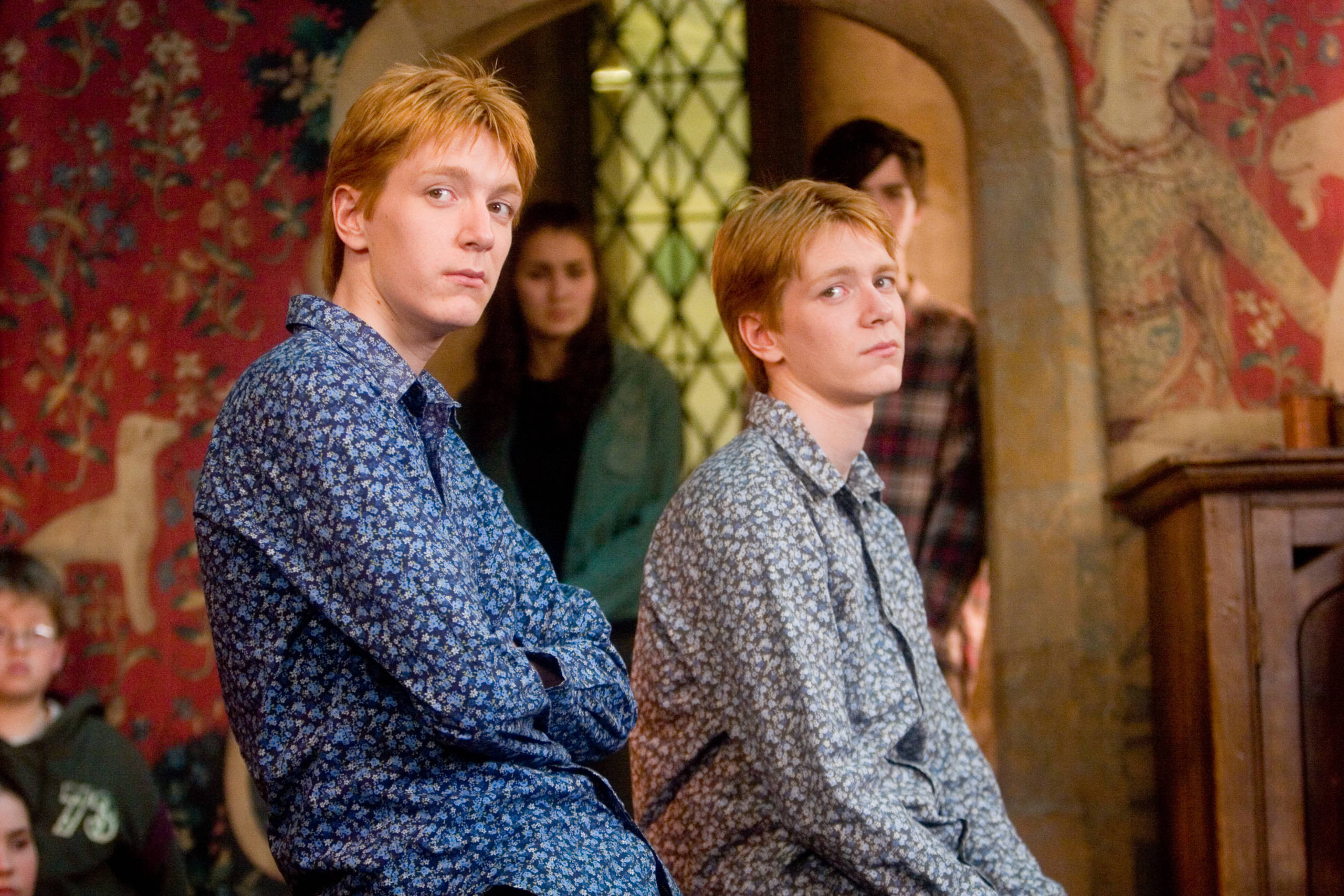
Weasley Twins Net Worth Explained: James and Oliver Phelps vs. Fred and George
In 2026, the combined net worth of James and Oliver Phelps, the actors who portrayed the Weasley twins, is estimated to be between $2 million and $3 million. While their fictional counterparts, Fred and George Weasley, built a wizardin...
In 2026, the combined net worth of James and Oliver Phelps, the actors who portrayed the Weasley twins, is estimated to be between $2 million and $3 million. While their fictional counterparts, Fred and George Weasley, built a wizarding empire worth thousands of Galleons, the real-life twins have maintained their wealth through strategic media projects, travel series, and the lucrative Harry Potter fan convention circuit.
Contents
The Dual Identity: Disambiguating the Weasley Net Worth
When discussing the "Weasley twins net worth," it is essential to distinguish between the real-world financial status of the actors and the fictional economic success of the characters within the Wizarding World.
James and Oliver Phelps are British actors who have leveraged their early success in the Harry Potter film franchise into a sustainable career in broadcasting and hosting. Their wealth is grounded in traditional entertainment industry earnings, residuals, and brand endorsements.
In contrast, Fred and George Weasley are fictional entrepreneurs. In the narrative of the Harry Potter books and films, they transformed from members of a "poverty-stricken" wizarding family into the owners of a highly successful retail enterprise, Weasleys' Wizard Wheezes. Their fictional net worth is often analyzed by fans using currency conversion rates (Galleons to USD) to determine how they shifted the Weasley family’s economic standing.
Real-Life Earnings: James and Oliver Phelps
The Phelps twins were cast as Fred and George at the age of 14, with no previous acting experience. Their journey from local schoolboys to international stars is the foundation of their current financial status.
The Harry Potter Franchise Salaries
While lead actors like Daniel Radcliffe, Emma Watson, and Rupert Grint earned tens of millions of dollars, the supporting cast—including the Phelps twins—operated on a different salary tier. In the early films, supporting roles typically earned in the low five-figure range. However, as the franchise grew into a global behemoth, their compensation increased.
By the final two films, The Deathly Hallows Part 1 and 2, it is estimated that recurring supporting actors like the Phelps twins were earning several hundred thousand dollars per installment. Their total earnings from the eight-film series likely formed the core of their initial $1 million net worth.
The Power of Residuals and Re-releases
Even in 2026, the Harry Potter franchise continues to generate revenue through streaming rights (on platforms like Max), television broadcasts, and home media sales. Actors in the UK have varying contracts regarding residuals compared to their US counterparts in SAG-AFTRA, but the sheer volume of "Wizarding World" consumption ensures a steady stream of passive income for the original cast members.
Post-Potter Media and "Fantastic Friends"
Since the film series ended, the twins have avoided the "child star" trap by diversifying their professional portfolios. One of their most significant financial drivers in recent years has been their travel show, Fantastic Friends.
This series features the twins traveling the globe with their former co-stars (such as Bonnie Wright, Tom Felton, and Evanna Lynch). By serving as both stars and executive producers on various media projects, they capture a larger share of the profits compared to being "talent for hire." Their podcast, Normal Not Normal (originally Double Trouble), also contributed to their branding and sponsorship revenue, allowing them to monetize their chemistry and insider knowledge of the film industry.
Fictional Success: The Economics of Weasleys' Wizard Wheezes
To understand the "explained" net worth of the characters, one must look at the business model of their joke shop. The twins represent a classic entrepreneurial "rags-to-riches" story within the Harry Potter lore.
The Initial Seed Capital
The business began with an initial investment of 1,000 Galleons, which was Harry Potter’s winnings from the Triwizard Tournament. In the mid-1990s (the setting of the books), this was a significant sum. Using the popular conversion rate (1 Galleon ≈ $6.64 USD, though this is debated by numismatists), this was an initial investment of roughly $6,640.
Scaling the Business
Fred and George used this capital to move from mail-order sales to a flagship brick-and-mortar store at 93 Diagon Alley. Their success was predicated on:
- Innovation: Developing proprietary magic like "Decoy Detonators" and "Patented Daydream Charms."
- Market Opportunity: Opening a colorful, joyful shop during the dark period of Voldemort’s return, providing much-needed escapism.
- Defense Contracts: Selling "Shield Hats" and "Shield Cloaks" to the Ministry of Magic, which moved them from a joke shop to a serious defense contractor.
By the peak of their success, the shop was likely generating thousands of Galleons in monthly revenue. Even after Fred’s tragic death in the Battle of Hogwarts, George continued to run the business with Ron, ensuring the Weasley name remained synonymous with commercial success.
Comparing Real Wealth vs. Fictional Wealth
The following table compares the estimated financial milestones of the actors versus the characters they portrayed.
| Feature | James & Oliver Phelps (Real Life) | Fred & George Weasley (Fictional) |
|---|---|---|
| Primary Source of Wealth | Acting, Hosting, Travel Series | Retail (Weasleys' Wizard Wheezes) |
| Estimated Net Worth (2026) | $2.5 Million (Combined) | Estimated 50,000+ Galleons |
| Initial Investment | Education & Auditions | 1,000 Galleon Triwizard Winnings |
| Key Assets | Property, Media Production Rights | 93 Diagon Alley (Prime Real Estate) |
| Monetization Strategy | Personal Branding & Nostalgia | Product Innovation & Gov. Contracts |
The Convention Circuit: A Modern Gold Mine
A significant portion of the Phelps twins' net worth in 2026 comes from the fan convention circuit. Events such as Comic-Con, LeakyCon, and various "Wizarding World" festivals pay high-profile actors significant appearance fees.
These fees often range from $20,000 to $50,000 per weekend, plus a share of the revenue from autographs and photographs. For the Phelps twins, who are fan favorites and highly accessible, doing five to ten such events a year provides a substantial six-figure income that bypasses the need for constant acting roles. This "nostalgia economy" is a primary reason why their net worth has remained stable or increased decades after the films were released.
Branding and Endorsements
The "twin" aspect of their brand is a unique multiplier for their net worth. James and Oliver are rarely booked separately; they are marketed as a package deal. This has allowed them to secure endorsements with lifestyle brands, travel companies, and even culinary brands (following their 2024–2025 involvement in Harry Potter: Wizards of Baking).
By positioning themselves as the "ultimate brothers," they have tapped into a niche market that individual actors cannot access. Their image is synonymous with mischief and camaraderie, making them ideal ambassadors for products targeting families and millennials who grew up with the films.
Potential Limitations and Financial Risks
While $2 million to $3 million is a comfortable net worth, it is relatively modest by Hollywood standards. The primary risks to their wealth include:
- Brand Fatigue: As the original Harry Potter audience ages, the demand for convention appearances may eventually plateau.
- Operational Costs: Maintaining a production company for their independent series requires significant capital.
- The "Double-Edged Sword" of Typecasting: While being the "Weasley Twins" provides a steady income, it can limit their ability to secure higher-paying, dramatic lead roles in major blockbuster films outside the franchise.
Frequently Asked Questions
Did James and Oliver Phelps share a single salary?
No. Despite being twins and often working as a pair, James and Oliver Phelps are separate professionals with individual contracts. However, because they are often cast as a duo, their negotiations are typically handled simultaneously by their representation to ensure parity in pay and billing.
Are the Weasley twins the richest actors from Harry Potter?
No. Their net worth is considerably lower than the "Big Three" (Radcliffe, Watson, Grint) and other senior actors like the late Alan Rickman or Dame Maggie Smith. However, among the "supporting" cast, they are in the upper tier due to their high level of fan engagement and consistent hosting work.
How much did the Weasley twins make per Harry Potter movie?
Exact figures were never publicly released, but industry standards for the time suggest they started around $25,000–$40,000 for the first film and peaked at approximately $300,000–$500,000 for the final films. These figures exclude ongoing residuals and royalty payments.
Is Weasleys' Wizard Wheezes a real business?
In the real world, the "business" exists as a highly profitable retail location within Universal Studios' Wizarding World of Harry Potter theme parks. While the Phelps twins do not own this business (it is owned by Warner Bros. Discovery), they are frequently involved in the promotion and opening of new theme park attractions, for which they are paid as brand ambassadors.
What is the most expensive item in the Weasley twins' shop?
In the fiction, specialized items like the Peruvian Instant Darkness Powder or the Shield Cloaks were among the more expensive "professional-grade" items. In the real-world theme park shops, high-end replicas of their products can retail for over $100.
Future Outlook for 2026 and Beyond
As of 2026, the Phelps twins have successfully transitioned from child actors to established media personalities. Their strategy of leaning into their "Weasley" identity while diversifying into travel and hosting has proven financially sound. Fans can expect their net worth to continue its slow but steady growth as long as the Harry Potter brand remains a cornerstone of global pop culture.
For those looking to track their professional moves, following their production company's announcements regarding new seasons of Fantastic Friends or their recurring appearances at official Warner Bros. "Wizarding World" events provides the best insight into their ongoing commercial viability.
Image Gallery