Finding a Motor Vehicle Accident Attorney Near You: A Comprehensive Guide
Finding a motor vehicle accident attorney near you involves verifying a lawyer’s localized experience, checking their standing with state bar associations, and evaluating their specific track record with insurance litigation. Most repu...
Finding a motor vehicle accident attorney near you involves verifying a lawyer’s localized experience, checking their standing with state bar associations, and evaluating their specific track record with insurance litigation. Most reputable firms offer free initial consultations and work on a contingency fee basis, ensuring you pay nothing unless they recover compensation.
Contents
Navigating the aftermath of a motor vehicle collision is a high-stakes endeavor. Beyond the immediate physical and emotional trauma, victims face a complex web of insurance claims, medical billing, and potential litigation. In 2026, the legal landscape for personal injury is more specialized than ever, with many firms focusing exclusively on specific accident types, such as commercial trucking, motorcycle collisions, or accidents involving autonomous vehicle systems. Identifying the right legal partner is the most critical step in securing the compensation necessary for long-term recovery.
Determining When You Need Legal Representation
Not every minor traffic incident requires the intervention of a licensed attorney. If an accident results only in minor property damage and no physical injuries, most drivers can successfully navigate the insurance claim process independently. However, the threshold for hiring an attorney is lower than many realize. As soon as medical treatment is sought or if there is any dispute regarding who was at fault, the complexity of the case increases exponentially.
Attorneys provide the most value in cases involving "significant" or "catastrophic" injuries. These are defined by long-term disability, permanent scarring, or the need for ongoing rehabilitative care. In these scenarios, insurance companies often attempt to settle quickly for a fraction of the claim’s actual long-term value. A local attorney understands the regional "going rate" for settlements and the specific tendencies of local courts and judges, which is vital for accurate valuation.
Furthermore, if your accident involved a commercial vehicle or a government-owned entity, the legal requirements for filing a claim are significantly more stringent. Commercial policies often involve layers of coverage and multiple liable parties, such as the driver, the maintenance contractor, and the parent company. Without professional legal discovery, a victim may inadvertently overlook a liable party, limiting their total potential recovery.
Where to Begin Your Search for Local Counsel
The search for a motor vehicle accident attorney should prioritize localized expertise. Laws governing motor vehicle accidents, such as "no-fault" versus "at-fault" insurance rules and comparative negligence statutes, vary significantly from one jurisdiction to another. A local attorney will be familiar with the local rules of court and the reputations of the insurance adjusters working in your specific region.
State Bar Associations and Professional Directories
The most reliable starting point is your state’s Bar Association. Most associations maintain a "Lawyer Referral Service" that filters attorneys by specialty and geographic area. These directories often include information on an attorney's disciplinary history, ensuring you are hiring a professional in good standing. Additionally, peer-review platforms like Martindale-Hubbell and Avvo provide ratings based on both client feedback and professional accolades. In 2026, these platforms have become highly sophisticated, often highlighting an attorney's recent trial success rates.
Referrals and Word of Mouth
While digital directories are useful, personal referrals remain a cornerstone of the legal industry. If a friend, family member, or colleague has previously worked with a personal injury lawyer, their firsthand experience regarding communication style and settlement satisfaction is invaluable. However, ensure that the referral is for a motor vehicle specialist; a lawyer who handled a family member’s divorce or real estate closing may not have the specific litigation experience required for a complex car accident case.
Evaluating Experience and Specialization
Personal injury law is a broad umbrella. Within this field, motor vehicle accident litigation requires a specific set of technical skills, including the ability to interpret accident reconstruction reports, analyze black box data from vehicles, and cross-examine medical experts. When vetting a potential attorney, you should look beyond their general years of practice and focus on their specific "niche" within traffic law.
In the current 2026 environment, accidents involving semi-autonomous or fully autonomous driving systems are increasingly common. These cases are legally distinct from traditional driver-error accidents, as they may involve product liability claims against software developers or hardware manufacturers. If your accident involved these technologies, you must seek an attorney who demonstrates a technical understanding of NHTSA safety standards and the emerging case law surrounding AI liability.
Moreover, ask about the firm’s trial experience. Many personal injury firms function as "settlement mills," taking on high volumes of cases and settling them as quickly as possible for lower amounts to avoid the expense of a trial. While most cases do eventually settle out of court, an attorney who is known for being willing to go to trial often commands higher settlement offers from insurance companies who wish to avoid the unpredictability and cost of a courtroom battle.
Understanding Fee Structures and Costs in 2026
One of the primary barriers to seeking legal help is the perceived cost. However, nearly all reputable motor vehicle accident attorneys operate on a contingency fee basis. This means the attorney’s payment is "contingent" upon them winning your case. If they do not recover money for you through a settlement or verdict, you owe them no attorney fees.
The standard contingency fee in 2026 typically ranges between 33.3% and 40% of the total recovery. This percentage may increase if the case proceeds to a formal trial, reflecting the increased labor and risk involved. It is vital to clarify during the initial meeting how "costs" are handled. Costs are separate from attorney fees and include expenses such as:
- Filing fees for the local court.
- Payments to expert witnesses (accident reconstructionists, medical doctors).
- Obtaining official police reports and medical records.
- Deposition transcripts.
Some firms require the client to pay these costs upfront, while others "advance" the costs and deduct them from the final settlement. For most victims, the "advanced cost" model is preferable, as it allows them to pursue justice without out-of-pocket financial strain during their recovery.
The Initial Consultation: Essential Questions to Ask
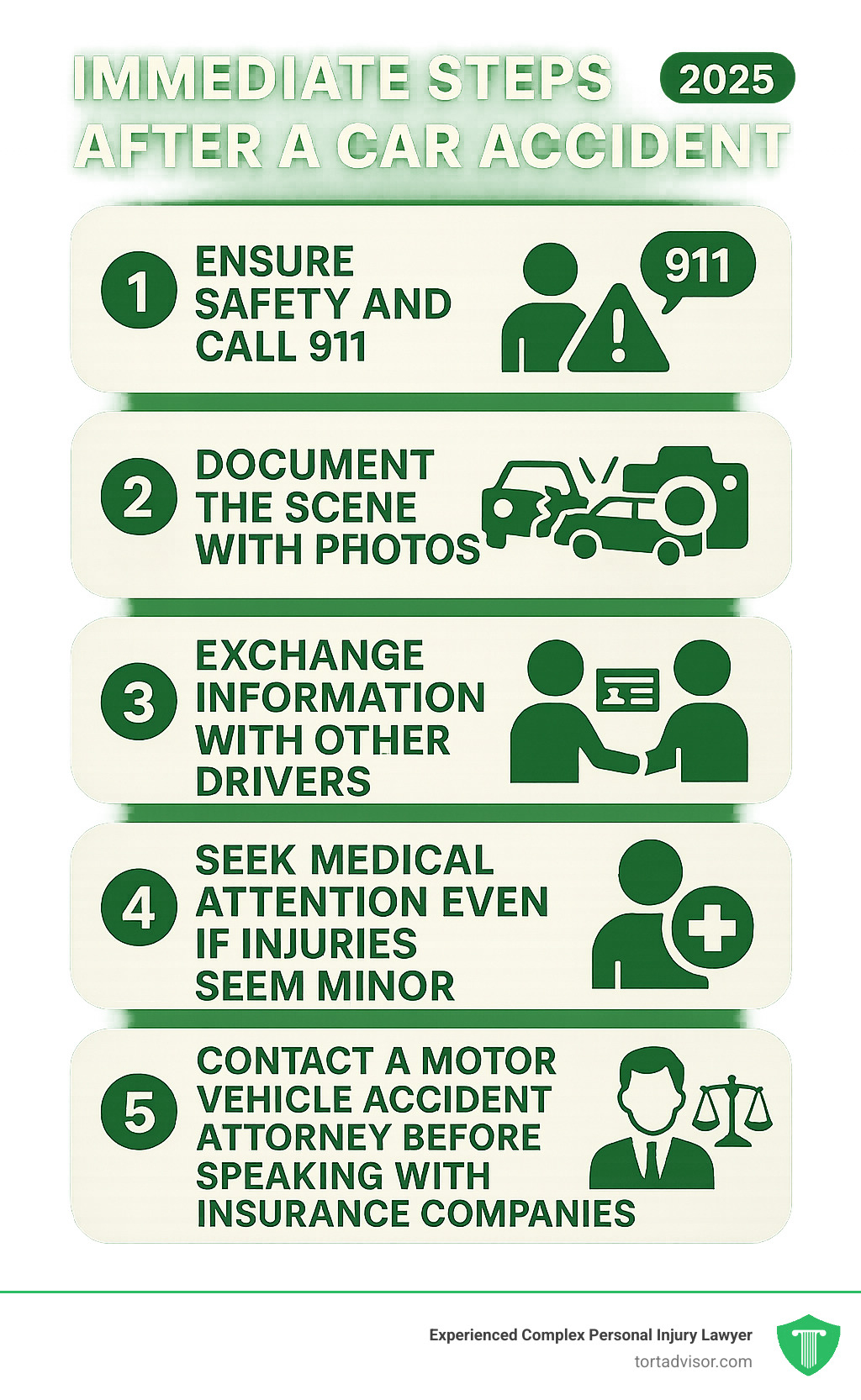
Most attorneys offer a free initial consultation, which serves as an interview for both parties. This is your opportunity to gauge the attorney’s competence and whether their communication style matches your needs. You should bring all relevant documentation to this meeting, including police reports, insurance correspondence, and photos of the scene.
During the consultation, consider asking the following targeted questions:
- Who will be the lead attorney on my case? Large firms often use a senior partner to sign clients but then delegate the actual work to junior associates or paralegals. You should know exactly who your point of contact will be.
- What is your experience with this specific type of accident? (e.g., rideshare accidents, commercial truck collisions, or pedestrian strikes).
- What is your assessment of the "fault" in this case? A good attorney will provide a realistic assessment of the challenges, such as comparative negligence issues where you might be found partially responsible.
- How long do you anticipate this process will take? While no one can predict an exact date, an experienced lawyer can provide a general timeline based on the current backlog of the local court system.
Comparing Legal Service Models
The type of firm you choose can significantly impact your experience. There is no one-size-fits-all answer; the right choice depends on the complexity of your case and your personal preferences for communication.
| Firm Type | Advantages | Potential Drawbacks | Best For |
|---|---|---|---|
| Large National Firms | Massive resources, internal investigators, and significant leverage against insurance giants. | You may feel like "just a number" with less personalized communication. | Complex multi-party litigation and commercial truck accidents. |
| Boutique Local Firms | Deep knowledge of local judges and adjusters; highly personalized service. | May have fewer resources to fund expensive expert witnesses upfront. | Standard car accidents and local personal injury claims. |
| Sole Practitioners | Direct access to the lead attorney at all times; high level of accountability. | Limited bandwidth may lead to slower case progression if the lawyer is in trial. | Straightforward liability cases with clear-cut damages. |
Red Flags to Watch for During Your Search
While most attorneys are ethical professionals, the personal injury field is occasionally marred by aggressive marketing and unethical practices. Being aware of these red flags can protect you from making a costly mistake.
- Solicitation (Barratry): It is generally unethical (and in many states, illegal) for an attorney to contact you directly at the hospital or via unsolicited phone calls following an accident. This practice, known as "ambulance chasing," is a major red flag.
- Guaranteed Outcomes: No attorney can legally or ethically guarantee a specific settlement amount or a win. If a lawyer promises you a "million-dollar check" before even reviewing your medical records, they are being dishonest.
- Pressure to Sign: You should never feel pressured to sign a representation agreement (Retainer) during the first meeting. A reputable attorney will encourage you to take the document home, read it thoroughly, and compare your options.
- Poor Communication: If the firm is slow to return your calls or emails during the "sales" phase of the relationship, it is highly unlikely that their communication will improve once they have your case.
Frequently Asked Questions
What is the statute of limitations for a motor vehicle accident?
The statute of limitations is a legal deadline by which you must file a lawsuit. In 2026, most states maintain a window of between two and four years from the date of the accident. However, some jurisdictions have much shorter windows (as little as one year) for claims against government entities. Missing this deadline permanently forfeits your right to seek compensation.
Can I still hire an attorney if I was partially at fault?
Yes. Most states follow "comparative negligence" rules. This means you can still recover damages even if you were partially responsible, though your final settlement will be reduced by your percentage of fault. For example, if you are awarded $100,000 but were found 20% at fault for speeding, you would receive $80,000. An attorney is essential in these cases to minimize the percentage of fault assigned to you.
Will I have to go to court?
Statistically, over 90% of motor vehicle accident cases are settled before reaching a jury trial. However, "going to court" can also refer to pre-trial hearings and depositions. While it is unlikely you will have to testify in a full trial, your attorney must prepare the case as if it is going to trial to ensure the insurance company takes the threat of litigation seriously.
How much is my motor vehicle accident case worth?
Case value is determined by "economic damages" (medical bills, lost wages, property damage) and "non-economic damages" (pain and suffering, emotional distress, loss of consortium). There is no simple calculator; value is determined by the severity of the injuries, the clarity of liability, and the available insurance policy limits.
What should I do if the insurance company offers me a settlement immediately?
Do not sign anything or accept a check until you have consulted with an attorney. Early settlement offers are almost always "lowball" offers designed to close the case before the full extent of your injuries—and their long-term costs—are known. Once you sign a release, you cannot go back for more money if you discover you need surgery later.
Making Your Final Decision
Finding a motor vehicle accident attorney near you is a process of verification and personal comfort. Your choice of counsel will dictate the trajectory of your financial and physical recovery for years to come. Prioritize attorneys who demonstrate a clear understanding of your specific accident type, offer a transparent contingency fee agreement, and have an established presence in your local legal community.
Before committing, ensure you have a signed retainer agreement that clearly outlines the fee structure and the handling of litigation costs. Once representation is established, follow your attorney's guidance regarding medical treatment and communication with insurance adjusters. By securing professional counsel, you shift the burden of legal maneuvering to an expert, allowing you to focus entirely on your rehabilitation.
Image Gallery