Newspaper Delivery Today: The Current State of Print Distribution in 2026
As of 2026, newspaper delivery has transitioned from a near-universal daily service to a specialized, premium logistics operation. While most regional publications have shifted to mail-based delivery via the U.S. Postal Service (USPS)...
As of 2026, newspaper delivery has transitioned from a near-universal daily service to a specialized, premium logistics operation. While most regional publications have shifted to mail-based delivery via the U.S. Postal Service (USPS) or reduced print frequency to two or three days per week, major national dailies and select metropolitan papers still maintain independent carrier networks for high-demand "prestige" editions.
Contents
The landscape of physical media distribution has undergone more radical changes in the last five years than in the previous fifty. For subscribers and industry observers asking what is still happening with newspaper delivery, the answer lies in a complex hybrid of legacy carrier routes, postal integration, and a focused move toward weekend-centric print cycles.
The Shift to Mail-Based Delivery and USPS Integration
One of the most significant developments in the 2020s, which has become the industry standard by 2026, is the mass migration from private carriers to the U.S. Postal Service (USPS). Large media conglomerates, most notably Gannett, accelerated this transition to mitigate the rising costs of fuel, vehicle maintenance, and labor.
The Mechanics of Periodicals Mail
When a newspaper switches to mail delivery, it moves from the "front porch" model to the "mailbox" model. This change is governed by USPS Periodicals Mail standards, which offer lower postage rates for news publications but require specific sorting and bundling protocols at the printing facility. For the reader, this means the newspaper typically arrives with the daily mail rather than in the early morning hours.
Impact on Timeliness and Content
The transition to mail has fundamentally altered the "daily" nature of news. Because mail is not delivered on Sundays or federal holidays, many papers that rely on the USPS have eliminated their Sunday print editions or shifted them to a Saturday delivery. Furthermore, the "news cycle" for a mailed paper is often 12 to 24 hours behind a traditional carrier-delivered paper, as copies must be processed through postal distribution centers. This has forced editors to pivot print content toward evergreen features, long-form investigative journalism, and "week-in-review" styles, leaving breaking news to digital e-editions.
The Decline of Seven-Day Home Delivery
In 2026, the concept of a printed newspaper arriving at a home 365 days a year is increasingly rare, reserved primarily for the most elite national publications like The New York Times or The Wall Street Journal in high-density urban corridors.
The Rise of the 3-Day Print Model
Most local and regional newspapers have adopted a limited-print schedule. A common configuration in 2026 involves printing and delivering physical copies only on Wednesdays, Fridays, and Sundays. On the remaining days, subscribers are encouraged to access the "e-edition"—a digital replica of the newspaper layout.
This shift is driven by the advertising-to-circulation ratio. Advertisers have historically paid a premium for mid-week grocery inserts and Sunday circulars. By eliminating Monday, Tuesday, and Saturday print runs, publishers drastically reduce overhead—printing plates, ink, paper stock, and delivery fees—while retaining the bulk of their print advertising revenue.
The Survival of the Sunday Edition
The Sunday newspaper remains the "crown jewel" of the print industry. Even as daily delivery fades, the Sunday edition continues to see the highest circulation numbers. In many markets, the Sunday paper is the only day a private carrier still visits the home, often delivering a "bundled" package that may include regional weeklies or advertising supplements.
The Modern Newspaper Carrier: A Gig Economy Struggle
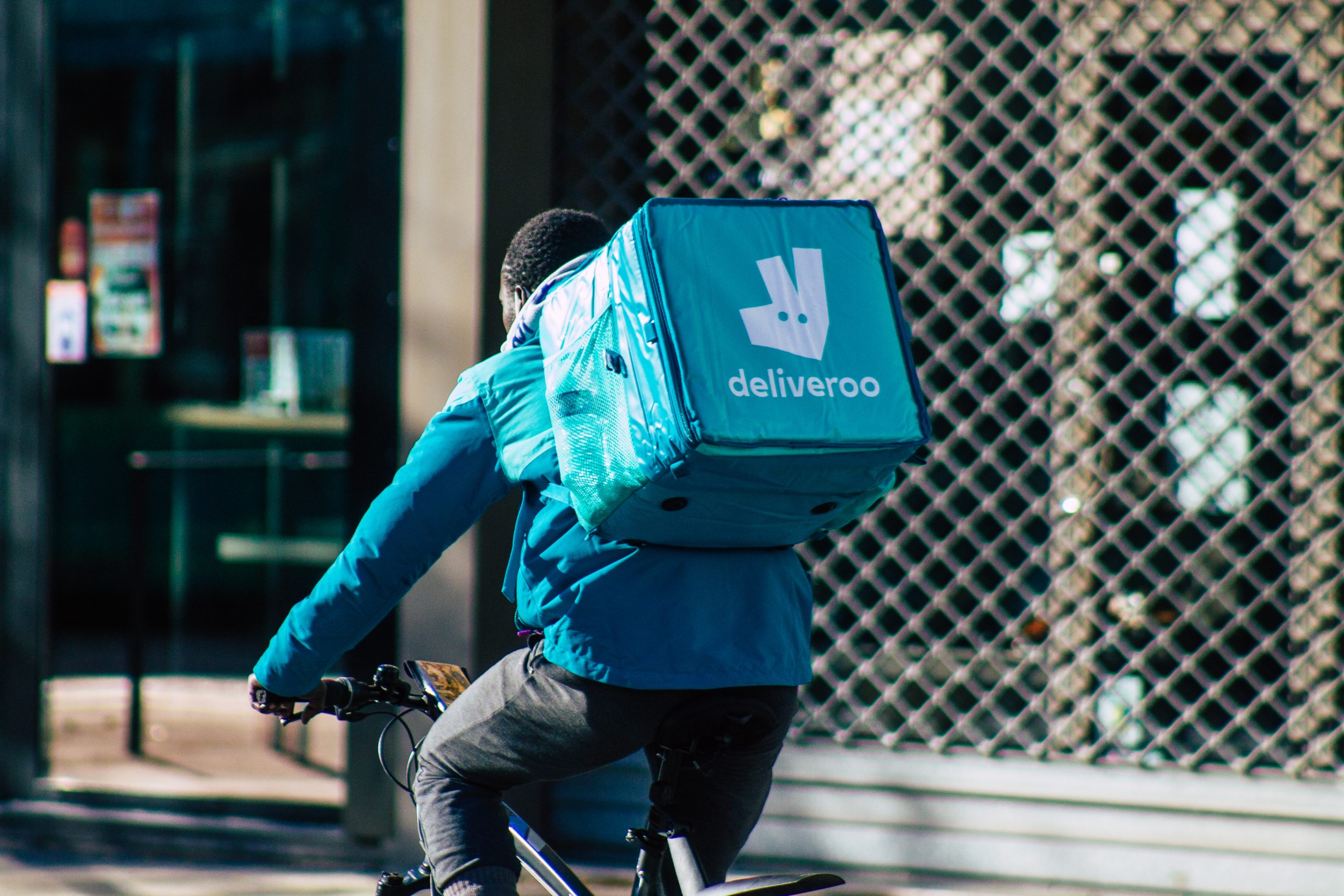
The traditional "paperboy" on a bicycle is a relic of the past. In 2026, newspaper delivery is performed by adult independent contractors using personal vehicles. However, this labor force faces immense pressure from competing gig economy platforms.
Competition with Delivery Giants
The primary challenge for newspaper distribution hubs is the competition for drivers. Potential carriers often find more flexibility and higher immediate payouts working for apps like Amazon Flex, DoorDash, or Uber. To combat this, some newspaper distributors have attempted to "batch" deliveries, where a single driver might deliver three or four different titles (e.g., a local daily, a national financial paper, and a Spanish-language weekly) along the same route to increase their per-stop earnings.
The Logistics of Routing Software
To maximize efficiency, distribution centers now utilize advanced geospatial routing software. These systems calculate the most fuel-efficient paths, accounting for the unique requirements of newspaper delivery, such as "porch service" versus "driveway tosses." Despite this technology, the aging demographic of the carrier workforce and the volatility of gas prices make the "last-mile" delivery the most expensive part of the newspaper's lifecycle.
Regional Variations: Urban Centers vs. Rural Deserts
The experience of newspaper delivery in 2026 depends heavily on geography. The "digital divide" is mirrored by a "print divide."
- Tier 1 Cities: In New York, Chicago, and Los Angeles, specialized delivery companies still provide early-morning doorstep service for multiple domestic and international titles. The density of subscribers makes this economically viable.
- Suburban Markets: These areas have seen the most significant shift to mail delivery. Delivery is reliable but arrives mid-day, often making the print edition a secondary source of news behind the paper's mobile app.
- Rural Markets: Many rural areas have become news deserts regarding print delivery. The cost of driving 10 miles between mailboxes makes private carrier routes impossible. In these zones, if the USPS doesn't deliver the paper, it isn't delivered at all.
Comparing Delivery Options in 2026
The following table outlines the current delivery landscape for a typical metropolitan area in 2026.
| Delivery Method | Typical Frequency | Estimated Delivery Time | Reliability Factors | Cost Profile |
|---|---|---|---|---|
| Independent Carrier | 2, 3, or 7 Days | 4:00 AM – 7:30 AM | Weather, driver retention | Premium ($$$) |
| USPS Periodicals | 5 or 6 Days | 10:00 AM – 5:00 PM | Federal holidays, mail volume | Standard ($$) |
| Retail / Newsstand | Daily (if printed) | Variable | Store hours, sell-outs | Pay-per-copy |
| Digital Replica (E-Edition) | 365 Days | 12:01 AM | Internet uptime, app stability | Low-cost ($) |
The Costs of Modern Print Subscriptions
Subscribing to a printed newspaper in 2026 is an expensive commitment. As the volume of subscribers decreases, the per-unit cost of printing and delivery increases. It is not uncommon for a full-service, carrier-delivered subscription to a major daily to cost between $600 and $900 annually.
Publishers use these high price points to encourage "digital migration." By pricing the print product as a luxury item, they can maintain a smaller, more affluent print audience that is highly attractive to high-end advertisers (luxury cars, jewelry, estate planning) while moving the mass audience to lower-overhead digital platforms.
Troubleshooting Common Delivery Issues
If you are still receiving a physical newspaper in 2026 and encounter issues, the resolution process has changed significantly.
- Late Delivery (Carrier): Most publications no longer have local "customer service" desks. They use centralized call centers or AI chatbots. If a carrier misses a house, redelivery is rarely offered; instead, a credit is applied to the account.
- Damaged Papers: With the rise of mail delivery, papers are often folded or crimped to fit into standard mailboxes. If a paper is unreadable, subscribers are usually directed to the digital e-edition as a temporary fix.
- Missing Sunday Inserts: Because inserts are often stuffed at regional hubs rather than by the carrier, missing coupons or circulars are common. Most papers now host these digitally on their "Rewards" or "Member" portals.
Summary of the 2026 Delivery Landscape
Newspaper delivery is far from dead, but it has become a "boutique" service. The industry has settled into a rhythm where the postal service handles the bulk of the heavy lifting for daily news, while private carriers are reserved for the premium weekend experience. For the consumer, this means the physical paper is no longer a source of "breaking" news, but rather a curated, tactile experience for deep-dive reading and weekend rituals.
Frequently Asked Questions
Can I still get a newspaper delivered to my front door every morning? In most American markets, 7-day front-door delivery is now rare. Unless you live in a major metropolitan hub and subscribe to a national title like The New York Times, you are likely to receive your paper via the USPS or on a limited 3-day doorstep schedule.
Why did my newspaper stop delivering on Mondays and Tuesdays? Publishers have eliminated these days because the cost of printing and delivery exceeds the advertising revenue generated on those specific days. These are historically the lowest-volume days for both readership and ad spend.
Is it true that the USPS delivers newspapers now? Yes. By 2026, the majority of regional daily newspapers have transitioned their distribution to the USPS Periodicals Mail stream. This allows them to reach subscribers without maintaining a costly private fleet of drivers.
How do I report a missed delivery in 2026? Most newspapers require you to report missed deliveries via their official mobile app or website. Because of labor shortages, "redeliveries" (where a driver returns to your house) are almost never performed. Instead, your subscription is usually extended by one day, or a small credit is issued.
Are there still paper routes for teenagers? No. Due to liability issues, the distance required for modern routes (often 30-50 miles), and the early morning hours, newspaper delivery is almost exclusively performed by adults with valid driver's licenses and insured vehicles.
Practical Recommendation
If you value the physical newspaper experience in 2026, consider a Weekend-Only or Sunday-Only print subscription combined with a full digital access pass. This provides the tactile experience of the Sunday paper—the most robust edition of the week—while ensuring you stay updated with daily breaking news via the e-edition at a much lower price point than a traditional daily print subscription.
Image Gallery