Comprehensive Intellectual Property Protection Strategy for 2026: Securing Competitive Advantage
An effective intellectual property protection strategy is a multi-layered framework designed to identify, secure, and defend a company’s intangible assets. In 2026, this requires a proactive approach that combines legal registrations,...
An effective intellectual property protection strategy is a multi-layered framework designed to identify, secure, and defend a company’s intangible assets. In 2026, this requires a proactive approach that combines legal registrations, such as patents and trademarks, with robust internal protocols and digital monitoring to prevent infringement, maintain market exclusivity, and maximize enterprise valuation.
Contents
The Foundation of an Intellectual Property Protection Strategy
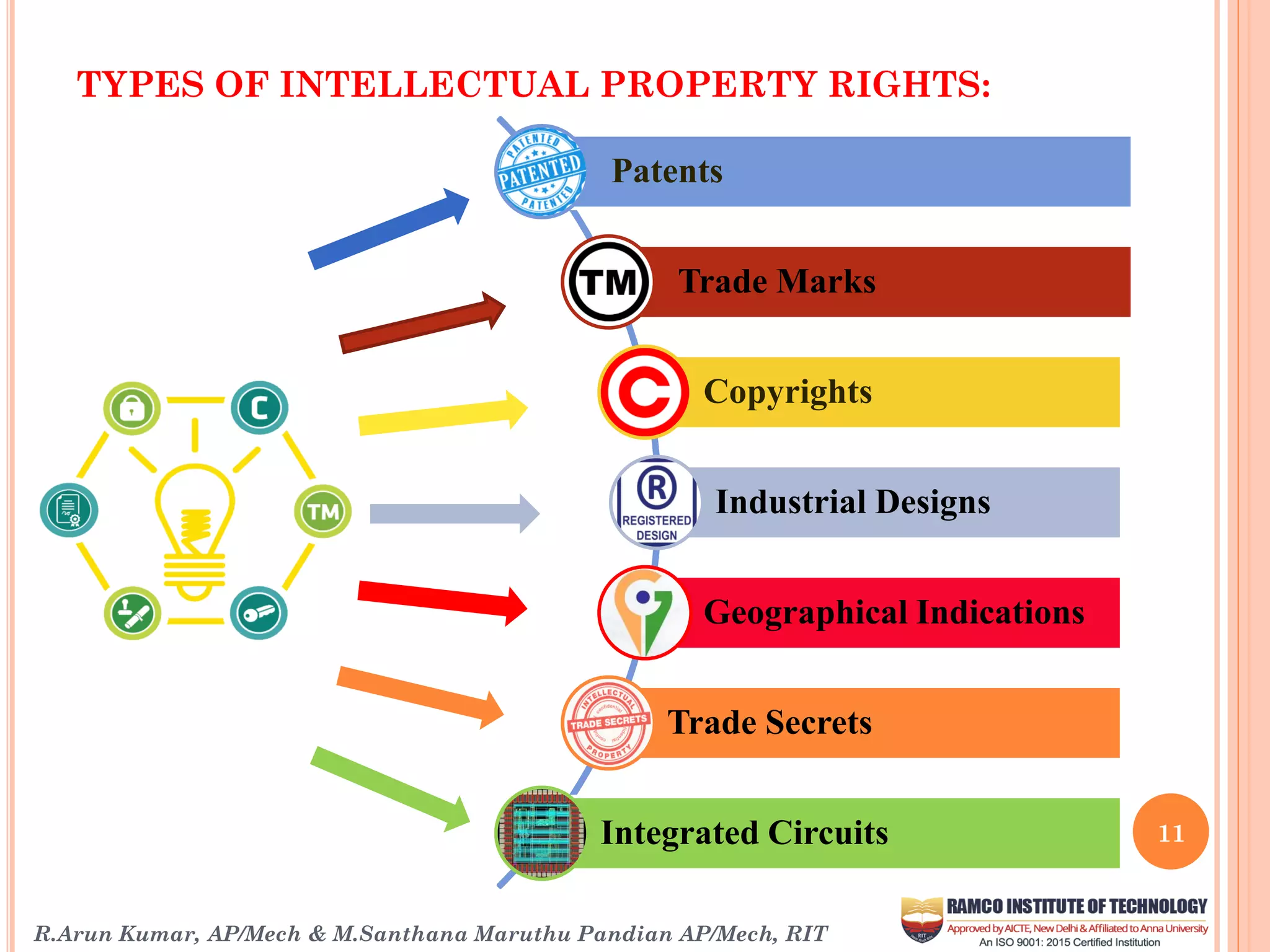
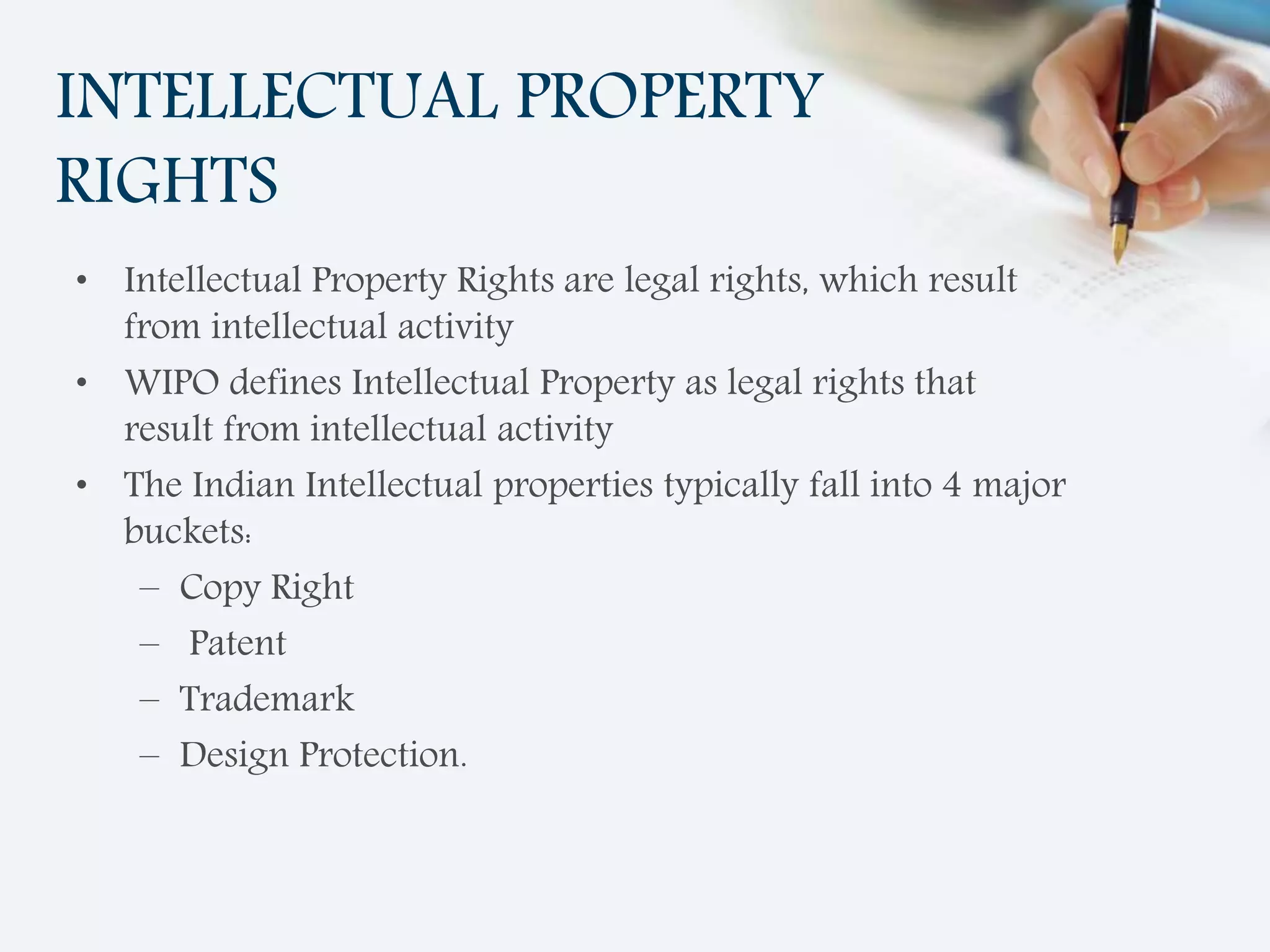
In the modern corporate landscape, a company's value is increasingly tied to its intangible assets rather than physical property. An intellectual property (IP) protection strategy serves as the legal "moat" that prevents competitors from capitalizing on your innovations, branding, and creative works. To build this strategy, one must first categorize the different types of IP and understand the specific legal protections afforded to each.
Utility and Design Patents
Patents represent one of the most powerful forms of IP protection, offering a government-sanctioned monopoly over an invention for a set period. Utility patents protect the functional aspects of a product or process—how it works—while design patents protect the unique visual qualities of an item. By 2026, the patent landscape has become increasingly complex due to the rise of automated design and AI-assisted inventions. A robust strategy involves filing early and often, utilizing the "First-to-File" system prevalent in most jurisdictions, including the United States under the America Invents Act.
Trademarks and Brand Identity
Trademarks protect the symbols, names, and slogans used to identify the source of goods or services. Unlike patents, trademarks can last indefinitely as long as they are in active use and the registration is renewed. A strategic approach to trademarks involves not just registering a logo, but also protecting trade dress (the look and feel of a product) and ensuring that brand expansion into new markets is preceded by international trademark searches to avoid "trademark squatting."
Copyrights in a Digital Economy
Copyrights protect original works of authorship, including software code, marketing materials, architectural drawings, and multimedia content. In 2026, the intersection of copyright and generative AI remains a critical focal point. Strategy here focuses on documenting human authorship and ensuring that all creative assets are registered with the U.S. Copyright Office to enable the recovery of statutory damages and attorney’s fees in the event of litigation.
Trade Secrets and Confidential Information
Trade secrets encompass formulas, practices, instruments, or compilations of information that provide a business advantage over competitors who do not know or use them. Unlike patents, trade secrets do not require public disclosure. However, protection depends entirely on the "reasonable efforts" taken to maintain secrecy. This includes non-disclosure agreements (NDAs), restricted access to sensitive data, and robust cybersecurity protocols.
Conducting a Comprehensive IP Audit
Before a strategy can be implemented, a business must perform a thorough IP audit. This is a systematic review of the IP assets owned, used, or acquired by a business. The goal is to identify underutilized assets, detect risks of infringement on others’ rights, and ensure that the company has clear title to all its innovations.
Identifying Hidden Assets
Many organizations possess "soft IP" that they fail to recognize. This includes customer lists, proprietary training manuals, and specialized manufacturing processes. During an audit, every department—from R&D to Marketing—must be interviewed to catalog these assets. In 2026, data sets used for machine learning are often the most valuable unrecognized assets in a corporate portfolio.
Verifying Ownership and Chain of Title
A common pitfall in IP strategy is the failure to secure ownership of work created by contractors or third-party developers. Without specific "work made for hire" agreements or written assignments, the IP rights may remain with the creator rather than the business that paid for the work. The audit must verify that all employment contracts contain robust IP assignment clauses.
Evaluating Competitor Landscapes
An audit should also look outward. By analyzing the patent filings and trademark applications of competitors, a business can anticipate market shifts and identify "white space" for new innovation. This "freedom to operate" (FTO) analysis ensures that your R&D investments do not lead to products that you are legally barred from selling.
Global Registration and International Frameworks
For businesses operating in a globalized economy, protection within a single jurisdiction is rarely sufficient. An intellectual property protection strategy must account for the territorial nature of IP rights.
The Patent Cooperation Treaty (PCT) and Madrid Protocol
The World Intellectual Property Organization (WIPO) manages several systems that simplify international protection. The PCT allows an inventor to file a single "international" patent application, which can later be converted into individual national applications in over 150 countries. Similarly, the Madrid Protocol offers a streamlined process for registering trademarks in multiple jurisdictions through a single application.
The Unified Patent Court (UPC) in Europe
As of 2026, the Unified Patent Court has become a central fixture for businesses operating in the European Union. The UPC provides a single forum for patent litigation across participating member states, allowing for broad enforcement but also carrying the risk of "central revocation," where a single ruling can invalidate a patent across the entire territory. A nuanced strategy involves deciding which patents to "opt-out" of this system to mitigate risk.
| IP Type | Primary Protection Scope | Typical Duration | Key Registration Body |
|---|---|---|---|
| Utility Patent | Functional inventions and processes | 20 years from filing | USPTO / EPO |
| Design Patent | Ornamental appearance | 15 years from grant | USPTO |
| Trademark | Source identifiers (Names, Logos) | Indefinite (if renewed) | USPTO / WIPO |
| Copyright | Original creative expressions | Life of author + 70 years | U.S. Copyright Office |
| Trade Secret | Confidential business information | Indefinite (if kept secret) | N/A (State/Federal Law) |
Enforcement and Defensive Maneuvers
Securing IP rights is only half the battle; those rights must be actively enforced to retain their value. A passive approach can lead to "genericide" (where a trademark becomes a generic term) or the loss of rights through laches (undue delay in asserting a claim).
Monitoring and Detection
In 2026, companies utilize AI-driven monitoring tools to scan e-marketplace listings, domain registrations, and social media for unauthorized use of their IP. Early detection allows for lower-cost interventions, such as "Notice and Takedown" procedures under the Digital Millennium Copyright Act (DMCA).
Cease and Desist Protocols
The first step in enforcement is often a formal cease and desist letter. This serves as notice to the infringer and can prevent them from claiming "innocent infringement" later. A well-crafted letter outlines the specific rights being violated and sets a clear deadline for compliance, often serving as a precursor to settlement negotiations.
Litigation and Alternative Dispute Resolution (ADR)
While litigation in federal court is the ultimate enforcement mechanism, it is expensive and time-consuming. Many IP strategies prioritize Alternative Dispute Resolution, such as mediation or arbitration, which can be faster and more confidential. However, when willful infringement occurs, pursuing statutory damages and injunctions is necessary to deter future violations.
Managing IP in the Era of Artificial Intelligence
By 2026, AI has fundamentally altered how IP is created and protected. The U.S. Patent and Trademark Office (USPTO) has issued clear guidelines stating that while AI cannot be named as an inventor, human inventors can use AI tools as long as they provide "significant contribution" to the final output.
Protecting AI Models and Training Data
The "black box" nature of many AI algorithms makes them better suited for trade secret protection than patenting, as patenting requires disclosing the "best mode" of the invention. Conversely, the training data itself—if curated and cleaned in a unique way—may be eligible for copyright protection as a compilation or database, depending on the jurisdiction.
Defensive Publication
In fast-moving tech sectors, sometimes the best strategy is to prevent others from patenting a concept. Defensive publication involves publicly disclosing an invention so that it becomes "prior art." This ensures that no one, including competitors, can obtain a patent on that specific innovation, effectively keeping the technology in the public domain for your own use.
Integration with Business Exit and Valuation
An IP protection strategy is not just a legal necessity; it is a financial driver. During mergers and acquisitions (M&A), the "IP portfolio" is often the most scrutinized component of due diligence.
- Enhancing Valuation: A company with a "clean" IP portfolio—registered patents, clear chains of title, and active trademarks—commands a higher valuation than one with informal or disputed rights.
- Licensing Revenue: IP can be a profit center. Through licensing agreements, a company can allow others to use its IP in exchange for royalty payments, expanding into markets where it does not have a physical presence.
- Collateral for Financing: In 2026, it is common for mature startups to use their patent portfolios as collateral for debt financing, providing a non-dilutive way to raise capital.
Frequently Asked Questions
What is the difference between a trademark and a service mark?
A trademark is used to identify the source of physical goods, whereas a service mark is used to identify the provider of services. In practice, the term "trademark" is often used generically to refer to both, and the legal protections afforded to them are essentially identical under the Lanham Act.
How much does it cost to implement an IP protection strategy?
Costs vary significantly based on the scale of the business. A single trademark application may cost between $250 and $750 in government fees, while a utility patent can cost between $10,000 and $30,000 including legal fees. A comprehensive strategy balances these costs by prioritizing "core" assets that offer the highest ROI.
Can I protect an idea without a prototype?
You cannot protect an "idea" in the abstract. However, for a patent, you do not need a physical prototype; you only need to be able to describe the invention in sufficient detail that a "person having ordinary skill in the art" could recreate it. For copyrights, the work must be "fixed in a tangible medium."
How do I protect my IP when sharing it with potential investors?
Before disclosing any proprietary information, ensure that a Non-Disclosure Agreement (NDA) is signed. Additionally, mark documents as "Confidential" and only share the minimum amount of information necessary to demonstrate the value of the concept.
Does a U.S. patent protect me in other countries?
No. Patents are territorial. A U.S. patent only grants rights within the United States. To protect your invention abroad, you must file in each individual country or use systems like the PCT to facilitate international filings.
Strategic Recommendation
To build a resilient intellectual property protection strategy, businesses should begin with a professional IP audit conducted by qualified legal counsel. This audit will identify gaps in ownership and reveal high-value assets currently left unprotected. Once the audit is complete, prioritize registrations based on your primary revenue drivers. For technology companies, this means focusing on utility patents; for consumer brands, the focus should be on trademarks and trade dress. In all cases, internal "trade secret" protocols should be updated to account for remote work and cloud-based data storage, ensuring that the company's most sensitive information remains secure in an increasingly digital environment.
Image Gallery