The Victims of the 1122 King Road Murders: Who Did Bryan Kohberger Kill?
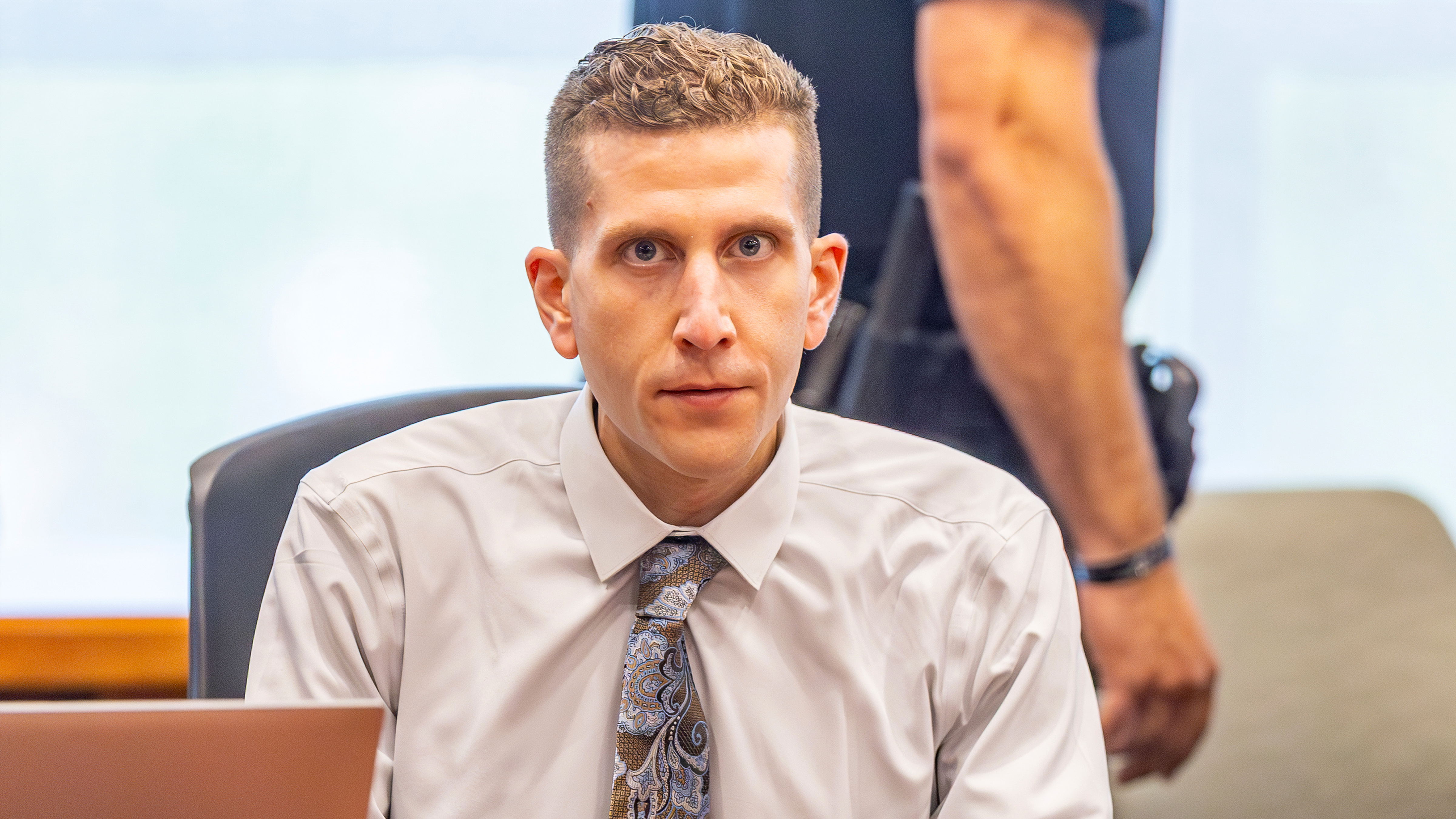
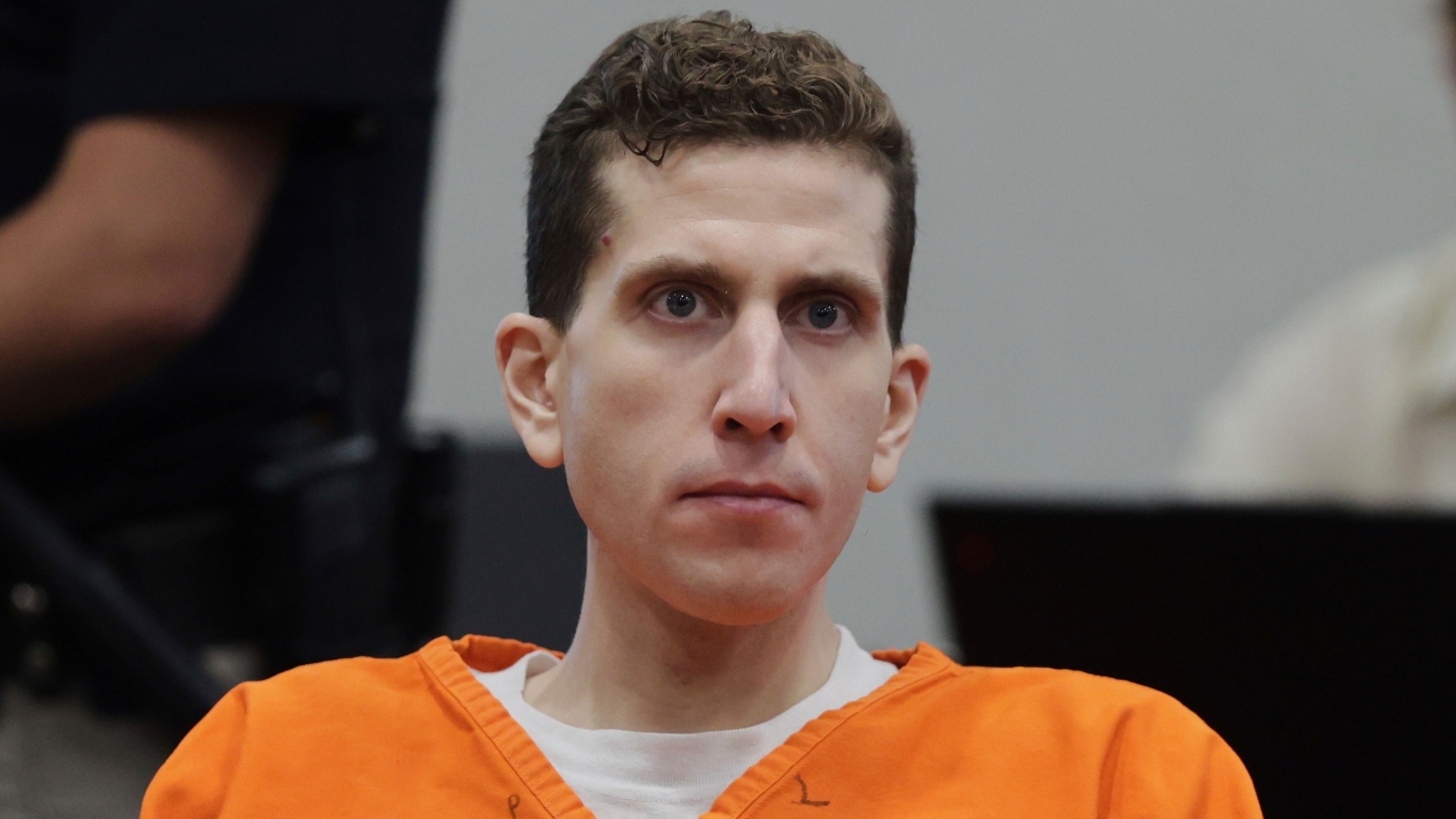
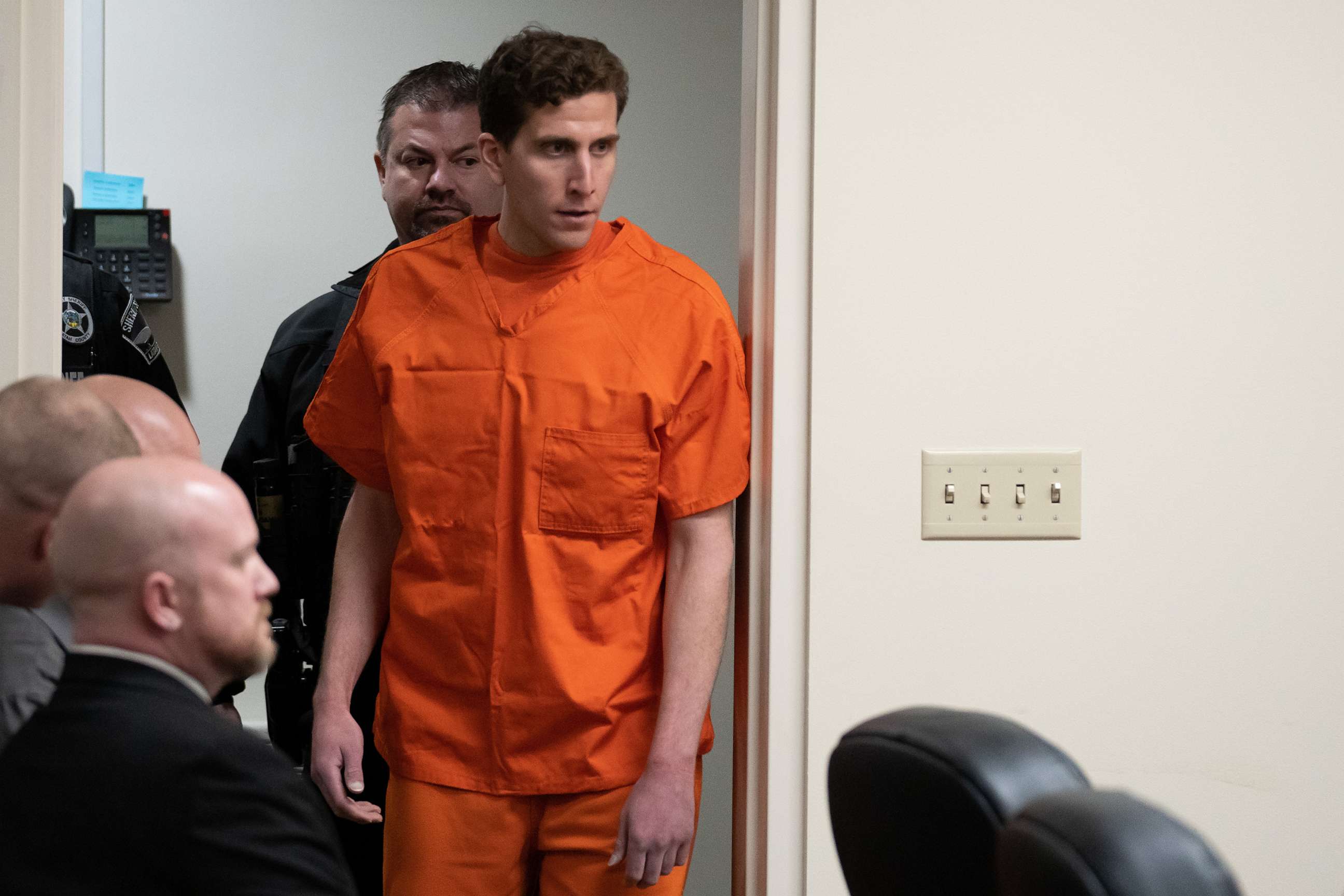
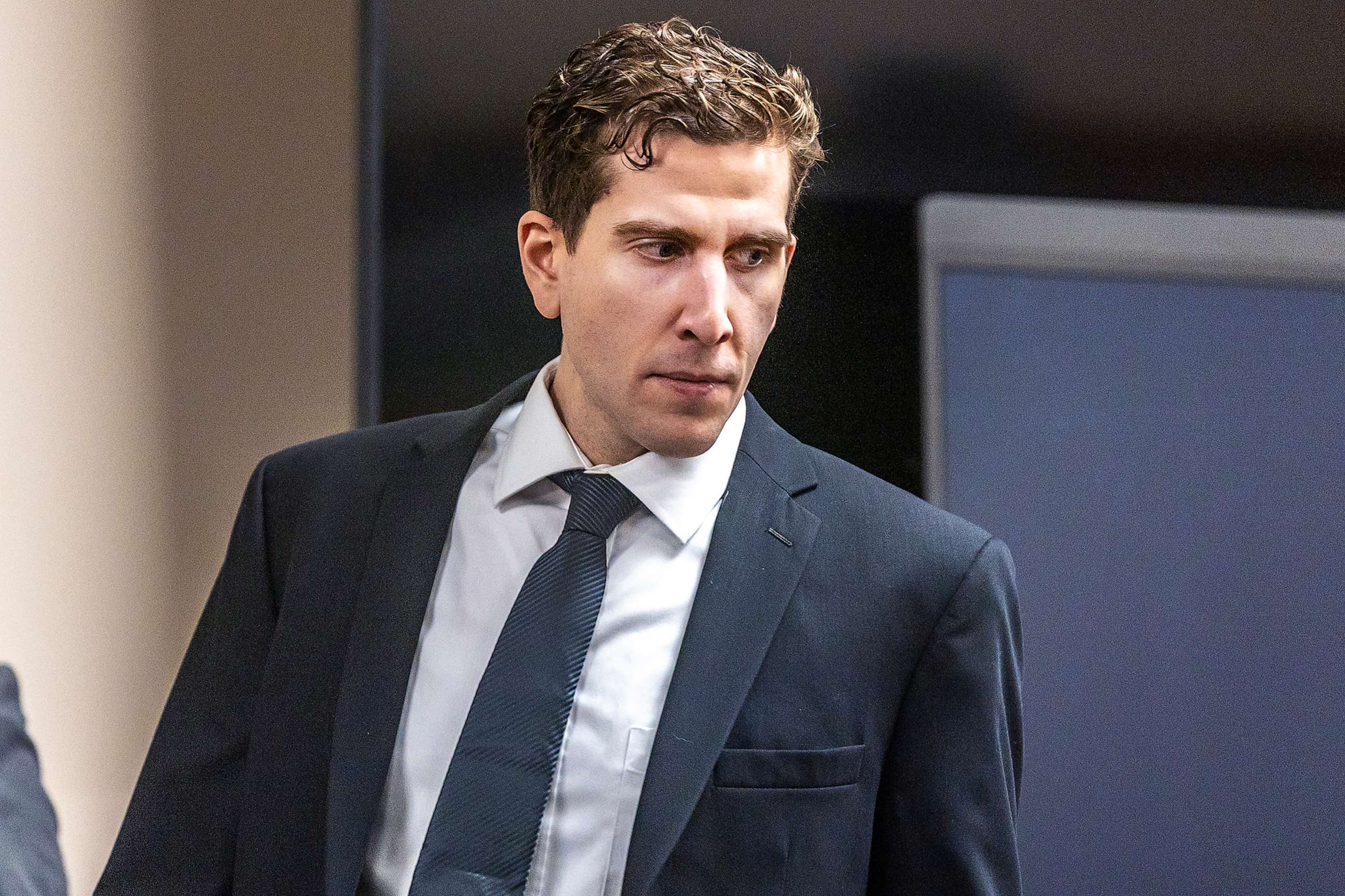
Bryan Kohberger is the primary suspect accused of killing four University of Idaho students: Madison Mogen, Kaylee Goncalves, Xana Kernodle, and Ethan Chapin. The homicides occurred in the early morning hours of November 13, 2022, at a...
Bryan Kohberger is the primary suspect accused of killing four University of Idaho students: Madison Mogen, Kaylee Goncalves, Xana Kernodle, and Ethan Chapin. The homicides occurred in the early morning hours of November 13, 2022, at an off-campus residence located at 1122 King Road in Moscow, Idaho.
Contents
The deaths of these four young individuals sent shockwaves through the small college town of Moscow and captured international attention. As of 2026, the legal proceedings in the State of Idaho v. Bryan Christopher Kohberger continue to be one of the most closely watched criminal cases in the United States. Understanding the lives of the victims and the circumstances surrounding the event is essential for contextualizing the ongoing judicial process.
The Four Victims: A Profile of the Students
The victims were all students at the University of Idaho, deeply involved in campus life, Greek organizations, and their local communities. To understand the gravity of the case, one must look at the lives of the four individuals who were lost.
Madison Mogen (21)
Madison "Maddie" Mogen was a 21-year-old senior from Coeur d'Alene, Idaho, majoring in marketing. Known for her bubbly personality and strong work ethic, she was an active member of the Pi Beta Phi sorority. At the time of her death, she was preparing to graduate and enter the professional world. Maddie was inseparable from her lifelong best friend, Kaylee Goncalves, with whom she spent her final hours. Her family described her as a person who brought light to every room she entered, emphasizing her kindness and her close-knit bond with her parents.
Kaylee Goncalves (21)
Kaylee Goncalves, also 21 and from Rathdrum, Idaho, was a general studies major and a member of the Alpha Phi sorority. Kaylee was known for her adventurous spirit and was on the cusp of a major life transition, having already secured a job in Texas and purchased a new vehicle for her upcoming move. She and Madison Mogen had been best friends since the sixth grade, a bond that persisted through their college years. The Goncalves family has been particularly vocal in the media, advocating for justice and transparency throughout the investigation and subsequent trial phases.
Xana Kernodle (20)
Xana Kernodle was a 20-year-old junior from Post Falls, Idaho, majoring in marketing. A member of the Pi Beta Phi sorority, she was described by her family as a "tough" and vibrant young woman who worked hard both in her studies and at her job at a local restaurant. Xana lived at the King Road house and was in a committed relationship with Ethan Chapin. Her father often spoke of her independence and the positive impact she had on her friends and peers.
Ethan Chapin (20)
Ethan Chapin was a 20-year-old freshman from Conway, Washington, majoring in recreation, sport, and tourism management. Ethan was a member of the Sigma Chi fraternity and was a triplet; his two siblings also attended the University of Idaho. On the night of the murders, Ethan was staying at the King Road house as a guest of his girlfriend, Xana Kernodle. His family has focused on his legacy as a person who loved the outdoors, sports, and his family, emphasizing the profound loss felt by the triplet bond.
Timeline of the November 13, 2022, Incident
The events leading up to the discovery of the victims are a central component of the prosecution's case against Bryan Kohberger. According to the probable cause affidavit and court records, the timeline of the night suggests a coordinated and rapid series of events.
On the evening of November 12, 2022, Madison Mogen and Kaylee Goncalves were at a local bar called Corner Club before visiting a late-night food truck. They returned home around 1:56 a.m. Meanwhile, Xana Kernodle and Ethan Chapin had been at the Sigma Chi fraternity house and returned to the King Road residence at approximately 1:45 a.m.
The homicides are believed to have occurred between 4:00 a.m. and 4:25 a.m. Two other roommates were in the house at the time but were not targeted. One roommate reportedly saw a figure clad in black and wearing a mask walking past her toward the back sliding glass door. The 911 call reporting an "unconscious person" was not placed until nearly noon on November 13, leading to the discovery of the crime scene by Moscow Police Department officers.
Key Evidence Linking Bryan Kohberger to the Victims
The investigation lasted nearly seven weeks before Bryan Kohberger, a PhD student in criminology at Washington State University, was arrested in Albrightsville, Pennsylvania. The evidence cited by the Idaho Judicial Branch and the FBI includes several technical and forensic pillars.
DNA Evidence and the Knife Sheath
The most significant piece of evidence cited by investigators was a tan leather knife sheath found on the bed next to Madison Mogen's body. Forensic analysis identified "touch DNA" on the sheath’s snap. This DNA was later matched to Bryan Kohberger using Investigative Genetic Genealogy (IGG), a process where investigators upload a DNA profile to public databases to find relatives of the suspect. A direct match was later confirmed using a buccal swab taken after Kohberger's arrest.
Digital Footprints and Cell Tower Data
The prosecution alleges that Kohberger’s cell phone pings placed him in the vicinity of the 1122 King Road house at least 12 times prior to the night of the murders. On the night of the crime, his phone reportedly stopped reporting to the network between 2:47 a.m. and 4:48 a.m., a gap the prosecution argues was a deliberate attempt to conceal his movements during the commission of the crime.
The White Hyundai Elantra
Surveillance footage from the Moscow area and the Washington State University campus in Pullman showed a white sedan, later identified as a 2011–2015 Hyundai Elantra, moving toward and away from the crime scene during the critical window of 3:30 a.m. to 4:30 a.m. Bryan Kohberger owned a 2015 white Hyundai Elantra, which was eventually seized at his parents' home in Pennsylvania.
Legal Status and Case Developments in 2026
By 2026, the case has moved through several critical stages. Initially handled in Latah County, the trial saw a significant development when the Idaho Supreme Court granted a change of venue. Due to the intense local publicity and the potential for a biased jury pool in the small community of Moscow, the trial was relocated to Ada County (Boise).
Prosecution’s Pursuit of the Death Penalty
The State of Idaho filed notice of its intent to seek the death penalty, citing the "utter disregard for human life" and the "exceptionally heinous" nature of the crimes. The defense has filed numerous motions to strike the death penalty as a sentencing option, arguing various constitutional and procedural grounds.
Defense Strategy
The defense team, led by public defender Anne Taylor, has focused on challenging the reliability of the IGG evidence and questioning the "gap" in the digital timeline. They have also asserted an alibi, claiming that Kohberger was out driving alone on the night of the murders, a habit they claim was common for him.
| Case Component | Details | Status (2026 Context) |
|---|---|---|
| Primary Suspect | Bryan Christopher Kohberger | Under Prosecution |
| Charges | 4 Counts of First-Degree Murder, 1 Count of Burglary | Pending Trial/Verdict |
| Trial Venue | Ada County Courthouse (Boise, ID) | Moved from Latah County |
| Legal Representation | Anne Taylor (Public Defender) | Lead Counsel |
| Prosecution | Bill Thompson (Latah County Prosecutor) | Lead Prosecutor |
| Key Evidence | DNA on Knife Sheath, Cell Data, Vehicle Video | Admitted for Trial |
The Impact on the University of Idaho and Moscow
The loss of Madison, Kaylee, Xana, and Ethan fundamentally changed the University of Idaho. In the years following the tragedy, the university demolished the house at 1122 King Road, a decision made to help the community heal and prevent the site from becoming a "macabre" tourist destination.
The "Vandal Strong" scholarship fund was established in honor of the victims, providing financial support to students and ensuring that the names of the four students remain associated with opportunity and community rather than just the tragedy of their deaths. Security protocols on and off-campus were also significantly overhauled to address the heightened safety concerns of the student body.
Frequently Asked Questions
Did Bryan Kohberger know the victims?
There is no confirmed public evidence or established relationship showing that Bryan Kohberger knew Madison Mogen, Kaylee Goncalves, Xana Kernodle, or Ethan Chapin personally. The prosecution has focused on digital stalking—alleging that his phone was near the residence multiple times—rather than a pre-existing social connection.
What was the motive for the murders?
As of 2026, a specific motive has not been definitively established by the prosecution. In many high-profile murder cases, the "why" is not a required element for a conviction of first-degree murder; the state must only prove that the defendant killed the victims with premeditation and malice aforethought.
What kind of weapon was used?
The victims were killed with a "fixed-blade knife," according to the coroner’s report. While a Ka-Bar brand knife sheath was found at the scene, the actual murder weapon has never been publicly reported as recovered.
Why was the trial moved to Boise?
The defense successfully argued that the massive amount of media coverage and the emotional toll on the Moscow community made it impossible to select an impartial jury in Latah County. The Idaho Supreme Court agreed, moving the proceedings to Ada County, which has a much larger and more diverse jury pool.
How did the survivors escape?
Two other roommates were present in the house during the attack. They were located on the first and second floors. For reasons that remain a central point of public speculation, the attacker did not enter their rooms. One survivor reportedly saw the intruder but retreated into her room in a state of shock.
Guidance for Following the Case
For those seeking the most accurate and up-to-date information, it is recommended to follow official court filings rather than social media speculation. The Idaho State Judiciary website maintains a dedicated page for the Kohberger case, providing redacted versions of motions, orders, and transcripts.
Legal Disclaimer: This article is for informational purposes and reflects the status of the case through the 2026 timeframe. Under the United States legal system, Bryan Kohberger is presumed innocent until proven guilty in a court of law.
Image Gallery