Understanding Irrevocable Life Insurance Trust Taxes for Cancel Decisions
Terminating or "canceling" an Irrevocable Life Insurance Trust (ILIT) involves significant tax implications, primarily centered on income tax realization from policy surrenders and the potential loss of estate tax protections. As of 20...
Terminating or "canceling" an Irrevocable Life Insurance Trust (ILIT) involves significant tax implications, primarily centered on income tax realization from policy surrenders and the potential loss of estate tax protections. As of 2026, these decisions are further complicated by the sunset of high federal estate tax exemptions, requiring a rigorous analysis of gift tax history, cost basis, and the "three-year rule" before proceeding.
Contents
Irrevocable Life Insurance Trusts have long been a cornerstone of sophisticated estate planning. By design, they are permanent entities intended to remove life insurance death benefits from a grantor’s taxable estate. However, financial circumstances, family dynamics, and tax laws change. In 2026, many grantors find themselves re-evaluating these structures due to the shifting legislative landscape. "Canceling" an ILIT is not as simple as closing a bank account; it is a legal and tax-heavy process that requires understanding the intersection of the Internal Revenue Code (IRC) and state trust statutes.
The Nature of Irrevocability and the "Cancel" Dilemma
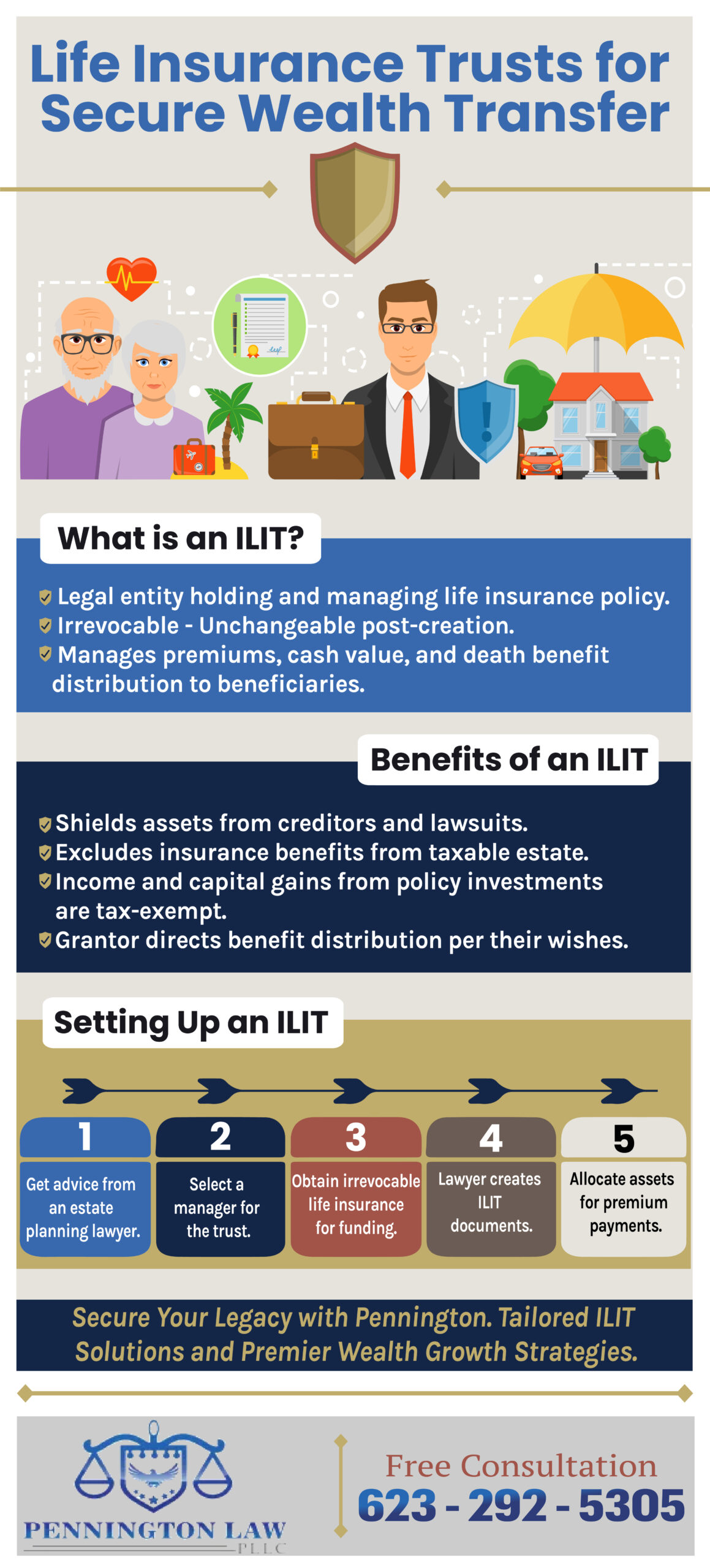
An ILIT is "irrevocable," meaning the grantor generally cannot unilaterally amend or terminate the trust once it is executed. The term "cancel" in this context usually refers to one of three actions: allowing the underlying insurance policy to lapse, surrendering the policy for its cash value, or utilizing legal mechanisms like "decanting" or a Non-Judicial Settlement Agreement (NJSA) to effectively dissolve the trust's current form.
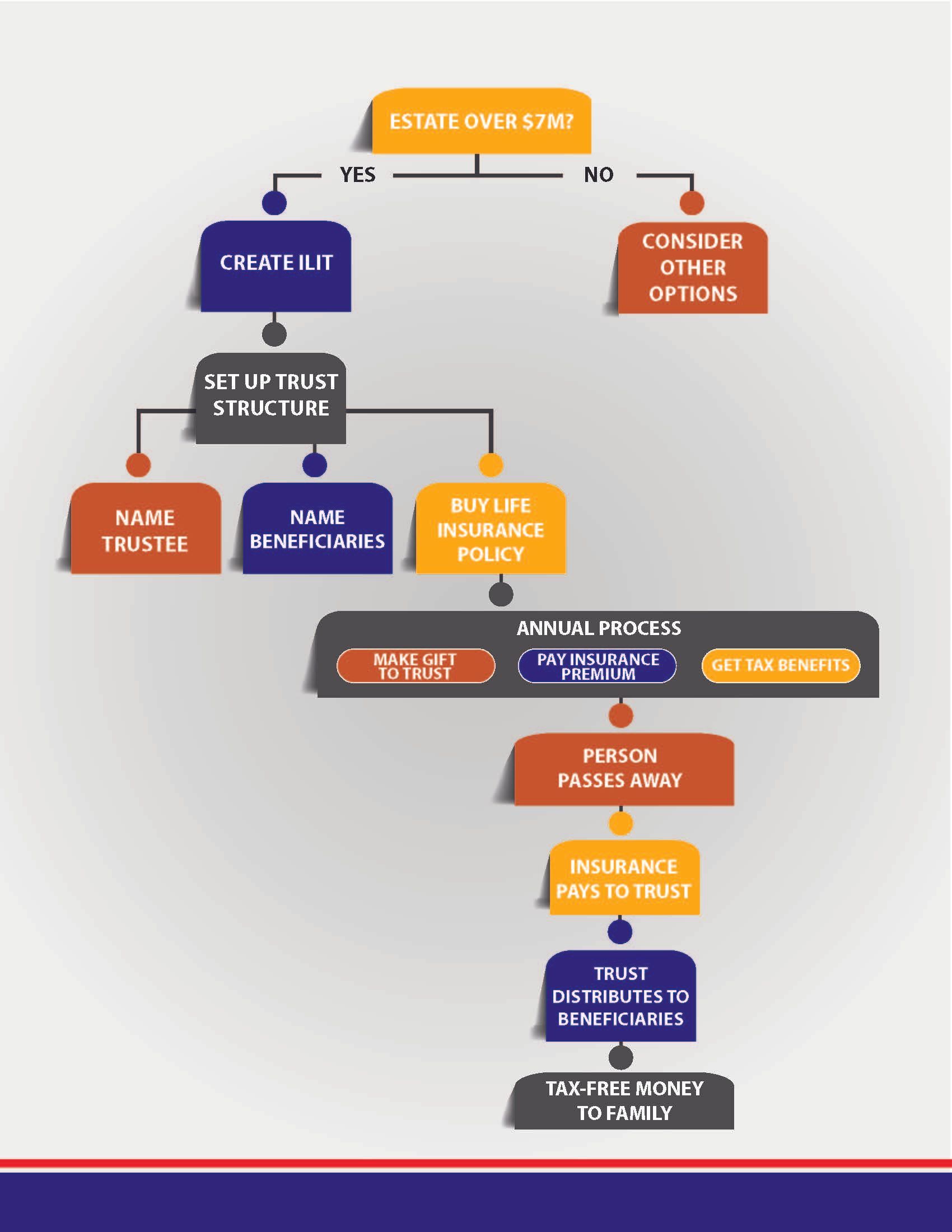
From a tax perspective, the IRS views the trust as a separate taxpayer or a "grantor trust" depending on its drafting. When a decision is made to end the trust's utility, the primary concern is the "exit tax" or the loss of "tax alpha" that the trust provided. In 2026, with the federal estate tax exemption hovering around $7 million per individual (adjusted for inflation following the sunset of the Tax Cuts and Jobs Act), many estates that were previously "safe" are now potentially subject to a 40% federal tax rate. Terminating an ILIT and bringing those assets back into the personal estate could be a multi-million dollar mistake.
Income Tax Consequences of Policy Surrender
If the decision to cancel the ILIT involves surrendering the life insurance policy for its cash value, the trust (or the grantor, if it is a grantor trust) may face immediate income tax liabilities. Under IRC Section 72(e), any proceeds received upon the surrender of a life insurance contract that exceed the "investment in the contract" (the total premiums paid minus any prior tax-free distributions) are taxable as ordinary income.
For example, if an ILIT has paid $200,000 in premiums over twenty years and the policy’s cash surrender value is $350,000, the $150,000 gain is not treated as a capital gain. Instead, it is taxed at ordinary income rates, which in 2026 can be as high as 37% at the federal level, plus applicable state taxes. This "phantom income" can create a liquidity crisis for the trust if the cash proceeds are distributed to beneficiaries before the tax bill is settled.
Furthermore, if the policy was a Modified Endowment Contract (MEC), the tax treatment is even more punitive. Distributions from a MEC are taxed on an "income-first" basis, and if the grantor or beneficiary is under age 59½, an additional 10% penalty may apply to the taxable portion of the surrender.
Gift Tax Recapture and Crummey Power Complications
Most ILITs are funded through annual exclusion gifts facilitated by "Crummey" powers—provisions that allow beneficiaries a limited window to withdraw gift amounts, thereby qualifying those gifts for the gift tax annual exclusion ($18,000 in 2026).
When a trust is canceled, the history of these gifts must be reviewed. If the trust is terminated and the assets are distributed to someone other than the original beneficiaries in a way that violates the original trust terms, the IRS could potentially argue that the prior gifts were not "present interest" gifts, potentially leading to the retroactive loss of annual exclusions and the depletion of the grantor’s lifetime gift tax exemption.
Additionally, if the grantor decides to "buy back" the policy from the trust to cancel the trust structure while keeping the insurance, they must pay the full Fair Market Value (FMV) of the policy. Failure to pay FMV results in a "bargain sale," which is treated as a taxable gift from the trust beneficiaries back to the grantor, triggering complex gift tax reporting requirements on IRS Form 709.
The 2026 Estate Tax Landscape: A Critical Warning
The year 2026 marks a pivotal shift in US tax history. The high exemptions provided by the 2017 Tax Cuts and Jobs Act have expired, effectively cutting the amount an individual can pass tax-free by roughly half.
For those considering canceling an ILIT in 2026, the "Three-Year Rule" under IRC Section 2035 is the most significant hurdle. If a grantor transfers a life insurance policy out of their name into a trust, or if they take a policy back from a trust and die within three years of that transfer, the entire death benefit is pulled back into their gross estate for tax purposes.
If you cancel an ILIT by distributing the policy to yourself and you pass away in 2027 or 2028, the IRS will treat the policy as if it were still part of your taxable estate. With the 2026 exemption limits being much lower, this could trigger a 40% estate tax on the full face value of the policy—a catastrophic result for a move intended to simplify finances.
Technical Methods for Terminating an ILIT
Because the trust is irrevocable, "canceling" requires specific legal pathways. Each has distinct tax profiles:
- Policy Lapse: The simplest method is to stop paying premiums. If the policy has no cash value (like most term insurance), it simply expires. There are usually no income tax consequences here, but the grantor loses all "gifted" value previously put into the trust.
- Trust Decanting: This involves the trustee "pouring" the assets from the current ILIT into a new trust with more favorable terms. This is a non-taxable event if done correctly under state law (e.g., in states like Delaware or South Dakota), allowing the "cancelation" of the old rules without triggering income tax.
- Non-Judicial Settlement Agreement (NJSA): If all beneficiaries and the trustee agree, they can modify or terminate the trust. However, if the IRS determines this was done to circumvent tax intent, they may challenge the estate tax exclusion of the assets.
- Sale to a Grantor Trust: The trust can sell the policy to another trust or to the grantor. To avoid the "transfer-for-value" rule (which could make the death benefit taxable income), the purchaser must be the insured or a trust that is "tax-transparent" to the insured.
Comparison of Termination Strategies
| Strategy | Income Tax Risk | Estate Tax Risk | Primary Benefit |
|---|---|---|---|
| Lapse (Term) | None | Loss of leverage | Zero cost to exit |
| Surrender (Whole/Universal) | High (on gains) | Assets return to estate | Immediate liquidity |
| Decanting | Low/None | Minimal | Modernizes terms without tax |
| NJSA Termination | Moderate | High (IRC 2035) | Complete closure of trust |
| Sale to Insured | Low (if FMV) | High (3-year rule) | Keeps coverage personally |
Frequently Asked Questions
Can I cancel an ILIT if I no longer need the estate tax protection?
Yes, but you must do so through legal channels such as a trust merger, decanting, or policy surrender. While you may no longer need the tax protection in 2026, you must still account for the income tax on the policy's cash value and the legal fees associated with dissolving an irrevocable structure.
What happens to the "Crummey" letters if the trust is dissolved?
Crummey letters are historical records of the beneficiaries' right to withdraw funds. Dissolving the trust does not invalidate past letters, but the trustee must ensure that all "hanging powers" (unexpired withdrawal rights) are addressed during the final distribution. Failure to do so can result in the distribution being treated as a taxable gift by the beneficiaries.
Is the cash value distributed to the grantor or the beneficiaries?
Legally, the assets in an ILIT belong to the trust, not the grantor. When an ILIT is canceled or terminated, the proceeds must generally be distributed to the beneficiaries named in the trust document. If the grantor takes the money back, it is considered a taxable gift from the beneficiaries to the grantor, and it may also be subject to claims from the beneficiaries' creditors.
How does the "Transfer-for-Value" rule affect cancel decisions?
Under IRC Section 101(a)(2), if a life insurance policy is sold or transferred for "valuable consideration," the death benefit may lose its income-tax-free status. If you are canceling an ILIT by selling the policy to a third party or a different trust, you must ensure the transaction falls under an exception (such as a transfer to the insured) to avoid turning a tax-free death benefit into taxable ordinary income.
Will I owe taxes if the trust has a loan against the policy?
Yes. If you cancel a policy that has an outstanding loan, the IRS treats the forgiven loan amount as a distribution. If the loan amount plus the cash received exceeds the premiums paid (basis), the difference is taxable as ordinary income. This often results in a "tax cliff" where the trust owes money to the IRS but has no remaining cash from the policy to pay it.
Practical Recommendation
Before making a final decision to cancel an ILIT in 2026, perform a "Stress Test" on your estate plan. Calculate your projected estate value against the post-sunset exemption of approximately $7 million. If your estate—including the life insurance death benefit—exceeds this amount, keeping the ILIT is almost always the more tax-efficient choice. If termination is necessary, prioritize trust decanting or a sale to the insured to minimize immediate income tax exposure and maintain control over the policy's future. Always consult with a qualified tax attorney to navigate the IRC Section 2035 implications of your specific exit strategy.
Image Gallery