What the Banksy Street Art NYC Residency Means for Property Owners
For property owners, a piece from Banksy’s New York City residency represents a complex intersection of windfall appreciation, legal liability, and architectural preservation. Successfully managing such an asset in 2026 requires naviga...
For property owners, a piece from Banksy’s New York City residency represents a complex intersection of windfall appreciation, legal liability, and architectural preservation. Successfully managing such an asset in 2026 requires navigating the Visual Artists Rights Act (VARA), securing specialized insurance, and making a strategic choice between public preservation and private extraction for auction.
Contents
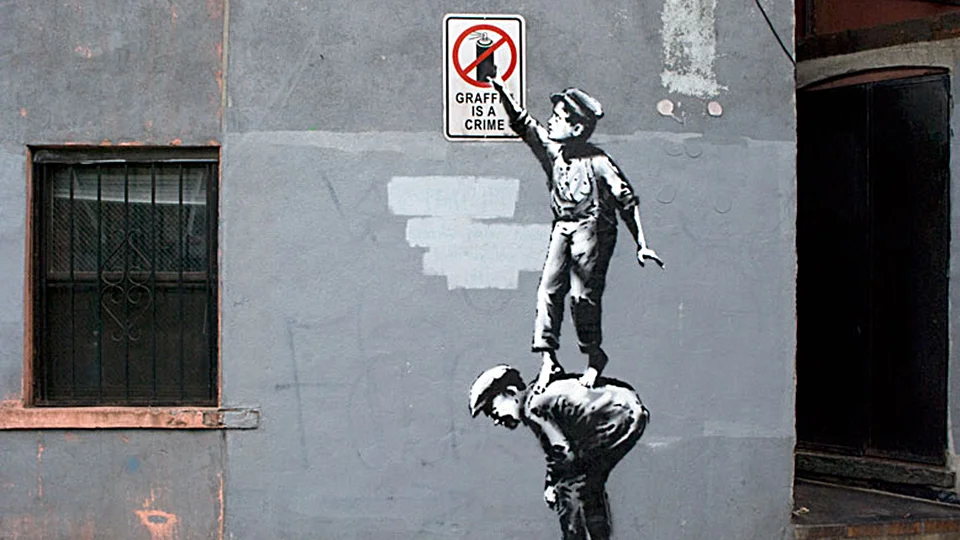
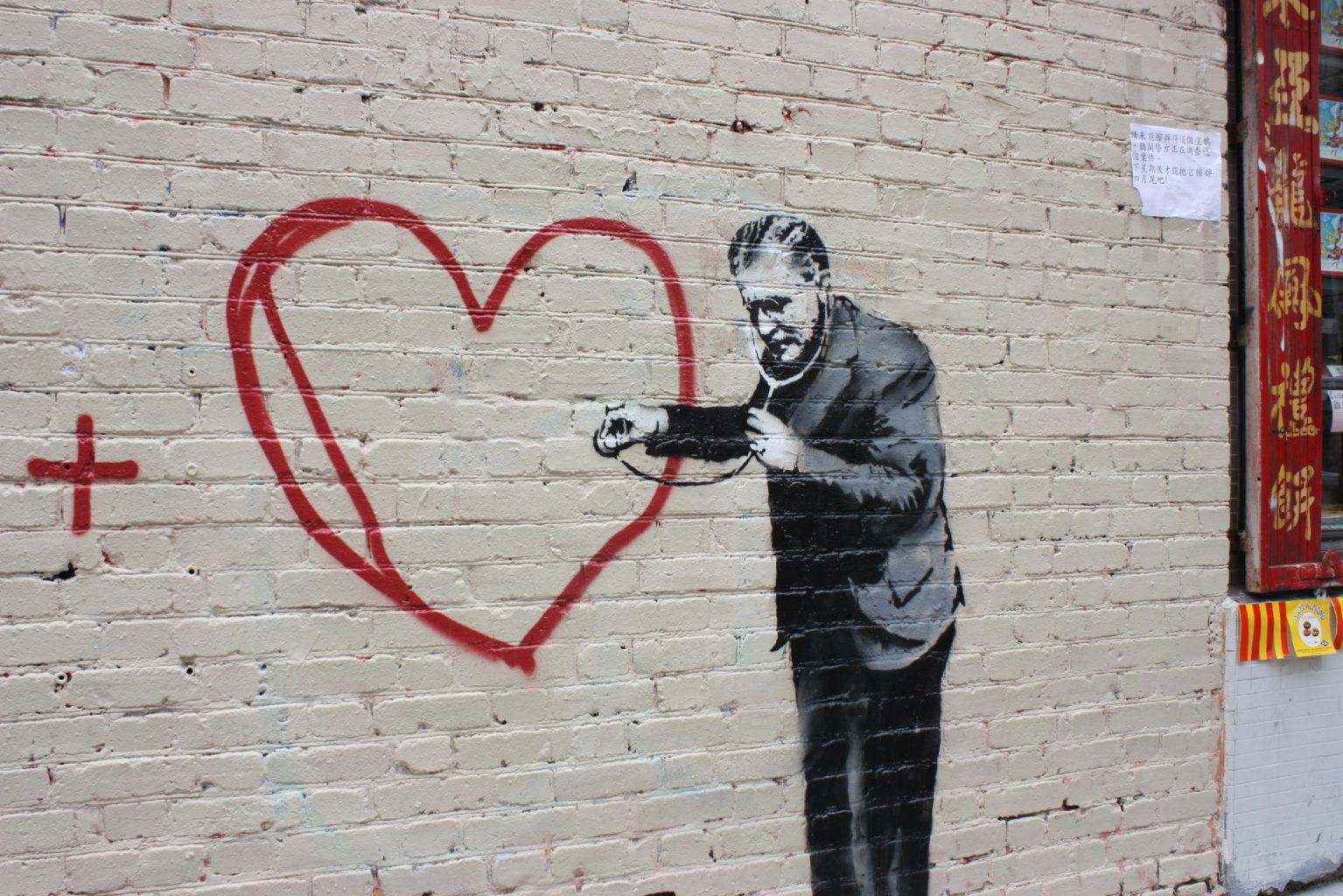
In October 2013, the elusive British street artist Banksy embarked on a month-long residency in New York City titled "Better Out Than In." Each day, a new work appeared on the streets of the five boroughs, ranging from elaborate stencils and installations to mobile sculptures. While the event was a cultural phenomenon for the public, it presented a unique set of challenges and opportunities for the owners of the buildings that served as Banksy's "canvases."
As we move through 2026, the legacy of that residency has matured. Many of the original pieces have been defaced, painted over, or removed for private sale. However, for those who still own properties linked to this residency, or for investors looking at "Banksy-adjacent" real estate, the implications are more significant than ever. The presence of a verified Banksy can increase a property’s market value by millions, yet it also invites intense public scrutiny and complex regulatory hurdles.
The Legal Landscape: Navigating VARA and Property Rights
The primary concern for any owner of a Banksy-adorned building is the legal tension between private property rights and the moral rights of the artist. In the United States, this is governed largely by the Visual Artists Rights Act of 1990 (VARA).
VARA provides certain "moral rights" to authors of works of visual art, specifically the right to prevent any intentional distortion, mutilation, or modification of the work that would be prejudicial to the artist's honor or reputation. For a property owner, this means that simply "painting over" a Banksy could potentially lead to a lawsuit. Although Banksy’s work is technically "illegal" (created without a permit), the precedent set in the landmark 5Pointz case (Castillo v. G&M Realty L.P.) demonstrated that even aerosol art can be protected under VARA if it has achieved "recognized stature."
In 2026, the legal consensus remains that if a work is considered of recognized stature—which Banksy’s NYC residency pieces undoubtedly are—the owner must provide the artist with 90 days' notice before destroying or removing the work to allow them the opportunity to recover it. Failure to adhere to these notice requirements can result in statutory damages that, in some cases, have reached the maximum of $150,000 per work, plus attorney fees.
Economic Impact: Valuation and Market Trends in 2026
From a financial perspective, a Banksy piece is a "non-traditional asset" that significantly alters the appraisal of the underlying real estate. In the current 2026 market, the "Banksy Premium" is well-documented. Properties featuring intact, verified stencils from the 2013 residency have seen their valuations rise by 20% to 100% above the local neighborhood baseline, depending on the condition and fame of the specific piece.
However, this valuation is "illiquid." To realize the gain, an owner usually has one of three options:
- Sell the property as-is: This is the simplest path, where the art is treated as a permanent fixture of the building.
- Extract and sell the art: This involves surgically removing the wall (brick, concrete, or wood) and selling it through a fine art auction house like Sotheby's or Christie's.
- Lease the viewing rights: Some commercial owners in high-traffic areas like Chelsea or the Lower East Side have integrated the art into their business model, using it to drive foot traffic to retail tenants.
The cost of extraction is a major deterrent. In 2026, the technical process of stabilizing a 500-pound section of masonry and replacing it with structural infill can cost between $50,000 and $150,000. Furthermore, the "Struggle for Authenticity" remains a hurdle. Pest Control, Banksy's official authentication body, rarely issues certificates for works removed from their original street context, which can depress the auction price compared to a "clean" studio piece.
Preservation vs. Removal: A Strategic Comparison
Owners must decide whether to become "accidental curators" or to monetize the asset and return the building to its original state. This decision involves structural, financial, and reputational risks.
| Factor | On-Site Preservation | Professional Extraction |
|---|---|---|
| Initial Cost | Moderate ($5k–$15k for plexiglass/security) | High ($50k–$150k for masonry/structural work) |
| Legal Risk | Lower (Compliance with VARA is easier) | Higher (Risk of damage during removal) |
| Asset Liquidity | Low (Tied to the real estate sale) | High (Can be sold at global art auctions) |
| Maintenance | Ongoing (UV protection, graffiti removal) | Zero (Once the piece is gone) |
| Property Value | Increases "Cultural Capital" and rent potential | Returns to market baseline after sale |
| Public Image | Generally positive (Community contribution) | Mixed (Often viewed as "privatizing" street art) |
The Logistics of Maintenance and Security
For those who choose to keep the work on-site, the "Banksy Tourism" effect is a double-edged sword. While it brings prestige, it also brings crowds, unauthorized photographers, and "taggers" looking to gain fame by defacing the Banksy piece.
Professional preservation in 2026 typically involves the installation of high-grade, non-reflective, UV-protected polycarbonate shields. Traditional glass is avoided due to the risk of shattering and the "green tint" that can distort the colors of the stencil. Owners must also consider the breathability of the wall; sealing a brick wall behind airtight plastic can trap moisture, leading to "spalling" or the eventual crumbling of the masonry, which destroys the art from the inside out.
Security is another ongoing expense. Buildings with high-profile Banksy pieces often require 24/7 camera surveillance and, in some cases, physical barriers. For residential owners, this can become an annoyance to tenants, potentially leading to higher turnover rates despite the building's fame.
Insurance and Liability Considerations
Standard property insurance policies rarely cover "unauthorized street art" as a high-value asset. In 2026, owners must often seek "Fine Art Inland Marine" riders or specialized "Collectible" coverage to protect the financial value of the work.
Liability is another concern. If a piece of the building is removed or if a protective shield falls and injures a pedestrian, the owner's general liability insurance must be robust enough to cover the incident. Furthermore, if the art is damaged by a third party (a vandal), the owner may face public backlash if they are seen as having failed to protect a "neighborhood landmark," even if they never asked for the art to be placed there in the first place.
Frequently Asked Questions
Can the NYC Landmarks Preservation Commission force me to keep a Banksy?
Generally, no. Unless the building itself is a designated landmark or located within a historic district, the Landmarks Preservation Commission (LPC) does not have jurisdiction over a modern mural. However, if the building is a landmark, any protective covering (like plexiglass) or structural changes to the wall would require a "Certificate of Appropriateness" from the LPC.
What happens if the piece is vandalized or painted over by someone else?
Under VARA, the owner is responsible for their own actions. If a third-party vandal defaces the work, the owner is generally not liable for the damage. However, the owner should document the damage immediately. In 2026, most owners use high-resolution digital scans of the work to aid in potential restoration efforts by professional conservators.
How do I get a Banksy piece authenticated for sale?
Authentication is handled exclusively through Pest Control Office. They are the only body authorized by Banksy to issue certificates of authenticity (COA). Owners should be aware that Pest Control has a historical policy of not authenticating works that have been removed from their original street environment for the purpose of sale, as Banksy views street art as belonging to the public.
Does having a Banksy increase my property taxes?
In New York City, property taxes are based on the assessed value of the real estate. While a "mural" itself might not be listed as a line item on an assessment, any sale of the property at a premium price will eventually lead to a higher assessment for the next owner, or reflect a higher market value that the Department of Finance may track through comparable sales in the area.
Practical Recommendations for Owners
If you currently own a property with a piece from the Banksy NYC residency, or if you are considering purchasing one, follow these steps to protect your interests:
- Conduct a Structural Audit: Hire an engineer to determine if the wall can support long-term preservation or if the weight of protective shielding poses a risk to the building's envelope.
- Consult a VARA Specialist: Before making any changes to the wall—including cleaning it—consult with an attorney specializing in art law to ensure you are not violating the artist's moral rights.
- Secure Specialized Insurance: Move beyond standard commercial or homeowners' insurance. Ensure you have a policy that recognizes the art as a distinct asset with an agreed-upon value.
- Document Everything: Maintain a rigorous file of photographs, news clippings from 2013, and any correspondence with the artist's representatives. This "provenance" is essential for future valuation.
- Evaluate the Community Impact: Street art is often viewed as a community asset. If you plan to remove the piece, consider the potential for public relations backlash and weigh it against the financial gain.
Image Gallery