Is Prednisone Safe? Understanding the Risks, Benefits, and Long-Term Effects
Prednisone is considered safe and highly effective when used under strict medical supervision to treat serious inflammatory and autoimmune conditions. However, its safety is dose- and duration-dependent. While short-term use is general...
Prednisone is considered safe and highly effective when used under strict medical supervision to treat serious inflammatory and autoimmune conditions. However, its safety is dose- and duration-dependent. While short-term use is generally well-tolerated, long-term administration carries significant risks of systemic side effects, requiring careful monitoring and a structured tapering process.
Contents
What is Prednisone and How Does It Work?
Prednisone is a synthetic corticosteroid, specifically a glucocorticoid, designed to mimic the effects of hormones naturally produced by the adrenal glands, such as cortisol. As of 2026, it remains one of the most frequently prescribed medications globally due to its potent ability to suppress the immune system and reduce inflammation across various organ systems.
When the body experiences an injury or an autoimmune attack, the immune system releases chemicals that cause swelling, redness, and pain. Prednisone works by entering the nuclei of cells and altering gene expression. It inhibits the production of pro-inflammatory cytokines and prostaglandins while stimulating the production of anti-inflammatory proteins. This dual action makes it an indispensable tool for managing conditions ranging from acute asthma exacerbations and severe allergic reactions to chronic diseases like rheumatoid arthritis, lupus, and multiple sclerosis.
Despite its efficacy, Prednisone is often referred to as a "double-edged sword" in clinical medicine. Its broad mechanism of action means it does not target a specific area; instead, it affects nearly every tissue in the body, which accounts for its wide-ranging side effect profile.
The Safety Profile: Short-Term vs. Long-Term Use
The question of whether Prednisone is "safe" cannot be answered with a simple yes or no. Instead, healthcare providers evaluate the safety of the drug based on the "benefit-to-risk ratio." This involves weighing the potential damage caused by an untreated disease against the known side effects of the medication.
Short-Term Safety (Less than Two Weeks)
For acute conditions, such as a severe poison ivy rash or a sudden flare-up of gout, a short course of Prednisone (often called a "steroid burst") is typically safe for most individuals. During this period, the primary safety concerns are manageable but can be disruptive. Patients often report:
- Insomnia and Energy Bursts: Prednisone can interfere with the circadian rhythm, leading to difficulty falling asleep or staying asleep.
- Mood Fluctuations: Some users experience "steroid euphoria," while others may face irritability or anxiety.
- Increased Appetite: Prednisone alters metabolic signals, often leading to significant hunger.
- Elevated Blood Sugar: Even short-term use can cause temporary spikes in glucose levels, which is a critical safety consideration for patients with pre-existing diabetes.
Long-Term Safety (Chronic Use)
Safety becomes a much more complex issue when Prednisone is required for months or years. In 2026, clinical guidelines emphasize the "steroid-sparing" approach, where doctors attempt to find other medications to reduce the reliance on Prednisone. The risks of chronic use include:
- Osteoporosis: Prednisone interferes with bone-building cells (osteoblasts) and increases the activity of bone-resorbing cells (osteoclasts). This can lead to Glucocorticoid-Induced Osteoporosis (GIOP), significantly increasing the risk of fractures.
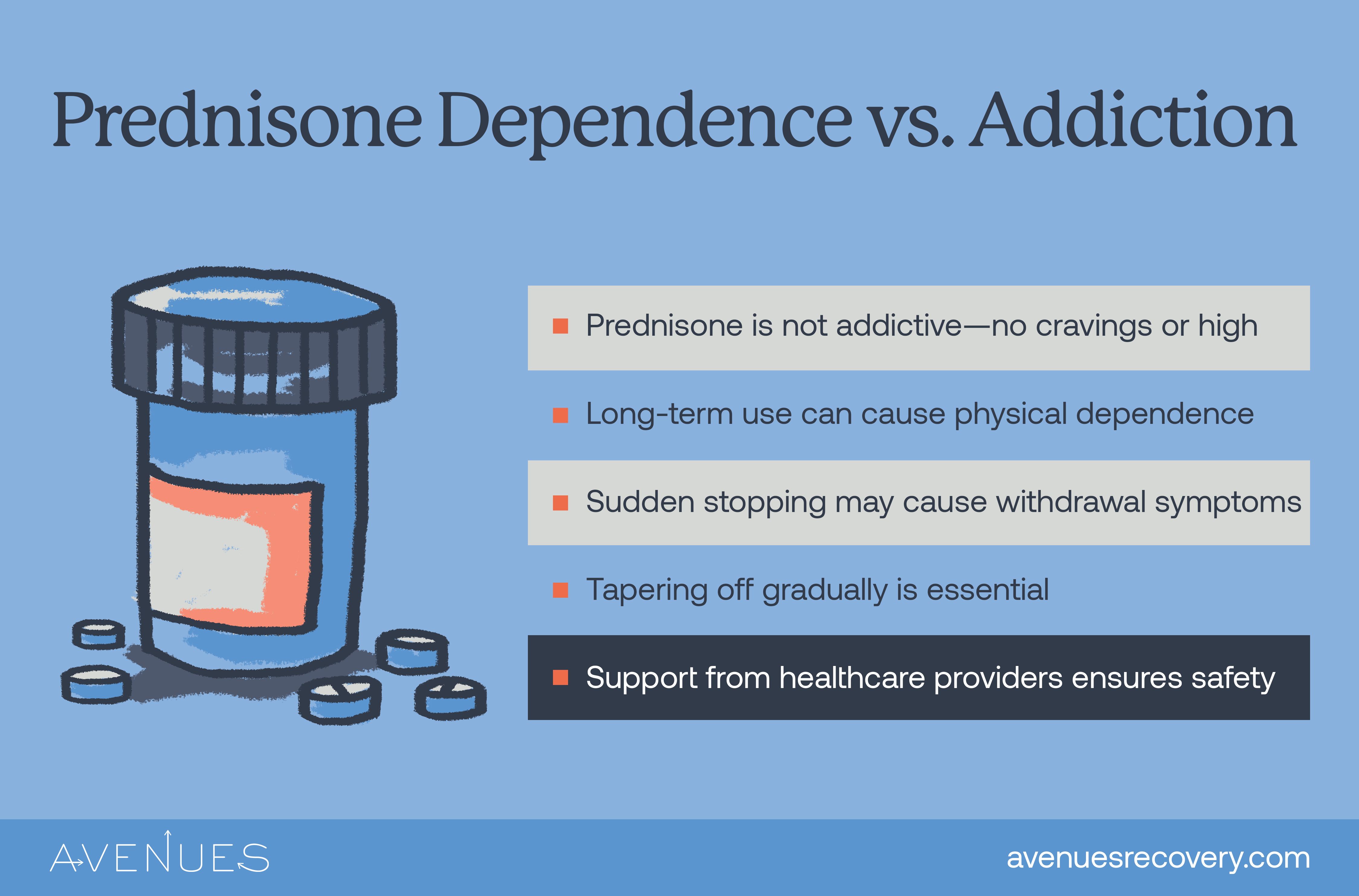
- Adrenal Suppression: When you take synthetic cortisol (Prednisone), your adrenal glands stop producing the natural hormone. If the medication is stopped abruptly, the body may go into an "adrenal crisis," which is a life-threatening medical emergency.
- Cushingoid Features: Often called "moon face," this involves a redistribution of body fat to the face, neck, and trunk, along with thinning of the skin and easy bruising.
- Ocular Issues: Long-term safety monitoring must include regular eye exams, as Prednisone is linked to an increased risk of cataracts and glaucoma (elevated intraocular pressure).
Who Should Exercise Caution? (Contraindications)
Prednisone is not suitable for everyone. Its immune-suppressing nature means that it can mask or worsen certain underlying conditions. Before starting a regimen, several factors must be verified:
- Active Infections: Because Prednisone suppresses the immune response, it can allow fungal, viral, or bacterial infections to spread rapidly. This is particularly dangerous with conditions like tuberculosis or systemic fungal infections.
- Vaccination Status: Patients on high-dose Prednisone should generally avoid "live" vaccines (such as the MMR or certain flu mist vaccines). The suppressed immune system may not be able to mount a proper response to the vaccine, potentially leading to the illness the vaccine was meant to prevent.
- Diabetes Management: Prednisone stimulates gluconeogenesis in the liver and decreases glucose uptake in peripheral tissues. For a diabetic patient, Prednisone is only "safe" if their insulin or oral medication regimen is aggressively adjusted and monitored.
- Peptic Ulcers: Prednisone can irritate the stomach lining and increase the risk of gastrointestinal bleeding, especially when combined with non-steroidal anti-inflammatory drugs (NSAIDs) like ibuprofen or aspirin.
Comparing Corticosteroids
Not all steroids are created equal. Prednisone is often compared to other synthetic hormones to determine the best therapeutic fit. The following table illustrates the relative potency and duration of common corticosteroids as recognized in standard medical practice in 2026.
| Medication | Relative Anti-inflammatory Potency | Equivalent Dose (mg) | Duration of Action |
|---|---|---|---|
| Hydrocortisone | 1 | 20 mg | Short (8–12 hours) |
| Prednisone | 4 | 5 mg | Intermediate (18–36 hours) |
| Prednisolone | 4 | 5 mg | Intermediate (18–36 hours) |
| Methylprednisolone | 5 | 4 mg | Intermediate (18–36 hours) |
| Dexamethasone | 25–30 | 0.75 mg | Long (36–72 hours) |
Note: Potency is relative to hydrocortisone. The "Equivalent Dose" represents the amount needed to achieve the same anti-inflammatory effect.
The Critical Importance of Tapering
One of the most vital safety rules regarding Prednisone is that you must never stop taking it abruptly if you have been on it for more than a few weeks. This is due to the suppression of the Hypothalamic-Pituitary-Adrenal (HPA) axis.
When Prednisone is present in the bloodstream, the pituitary gland stops sending signals to the adrenal glands to produce cortisol. If the drug is stopped suddenly, the adrenal glands are "asleep" and cannot immediately resume production. This leads to steroid withdrawal or adrenal insufficiency. Symptoms include extreme fatigue, nausea, dizziness, joint pain, and low blood pressure.
A safe tapering schedule is designed by a physician to slowly lower the dose, giving the adrenal glands time to wake up and resume their natural function. The length of the taper usually depends on how long the patient was taking the drug and the dosage level.
Practical Steps to Improve Prednisone Safety
If you are prescribed Prednisone, you can take several proactive steps to minimize the risks and improve the overall safety of the treatment:
- Monitor Bone Health: Discuss calcium and Vitamin D supplementation with your doctor. In 2026, bone density scans (DEXA) are standard for anyone expected to be on steroids for more than three months.
- Dietary Adjustments: To combat weight gain and fluid retention (edema), follow a low-sodium diet and limit processed sugars. Increased protein intake can help counteract the muscle-wasting effects of long-term steroid use.
- Timing of Doses: Taking Prednisone once daily in the morning mimics the body’s natural cortisol rhythm and may help reduce the incidence of insomnia.
- Blood Pressure and Glucose Checks: Regular monitoring at home can help catch "silent" side effects like hypertension or hyperglycemia before they become clinical emergencies.
- Carry Medical Identification: If you are on long-term Prednisone, wearing a medical alert bracelet is recommended. In the event of an accident, emergency responders need to know that your adrenal system is suppressed and that you may require "stress doses" of steroids.
Frequently Asked Questions
Is it safe to drink alcohol while taking Prednisone?
Moderate alcohol consumption is generally not strictly prohibited, but it increases the risk of stomach irritation and peptic ulcers. Furthermore, both alcohol and Prednisone can affect blood sugar levels and bone density. It is best to consult your specific healthcare provider regarding your individual risk profile.
Why does Prednisone cause weight gain?
Prednisone causes weight gain through three primary mechanisms: it increases appetite, causes the body to retain sodium and water, and alters the way the body stores fat. Fat tends to migrate toward the abdomen and the back of the neck. Most of the "water weight" is lost once the medication is discontinued, but fat redistribution may take longer to reverse.
Can Prednisone affect my mental health?
Yes. Prednisone safety includes monitoring for psychological side effects. While many people feel high energy, others may experience "steroid psychosis," severe depression, or extreme anxiety. If you have a history of bipolar disorder or depression, your physician must be notified, as Prednisone can trigger manic or depressive episodes.
Is Prednisone safe during pregnancy?
Prednisone is generally considered safe during pregnancy if the benefit to the mother outweighs the potential risk to the fetus. It is often used to treat chronic conditions in pregnant women because it is mostly broken down by the placenta before it reaches the baby. However, long-term use can lead to risks such as gestational diabetes or low birth weight.
Does Prednisone weaken the immune system?
Yes, that is its primary function in many treatments. By suppressing the immune system, Prednisone prevents it from attacking the body’s own tissues. However, this also means the body is less capable of fighting off external pathogens. Patients on Prednisone should practice frequent handwashing and avoid close contact with individuals who are ill.
Summary and Next Actions
Prednisone is a powerful medication that remains a cornerstone of modern medicine in 2026. Its safety is highly manageable when the drug is used at the lowest effective dose for the shortest possible duration. To ensure your safety while taking this medication:
- Follow the prescribed schedule exactly, especially during the tapering phase.
- Report any sudden changes in vision, mood, or physical symptoms (like severe abdominal pain) to your doctor immediately.
- Engage in weight-bearing exercise and maintain a nutrient-dense diet to protect your bones and metabolic health.
- Review your other medications with a pharmacist to ensure there are no dangerous interactions, particularly with NSAIDs or blood thinners.
By remaining vigilant and working closely with a medical professional, the therapeutic benefits of Prednisone can be achieved while significantly mitigating its inherent risks.
Image Gallery