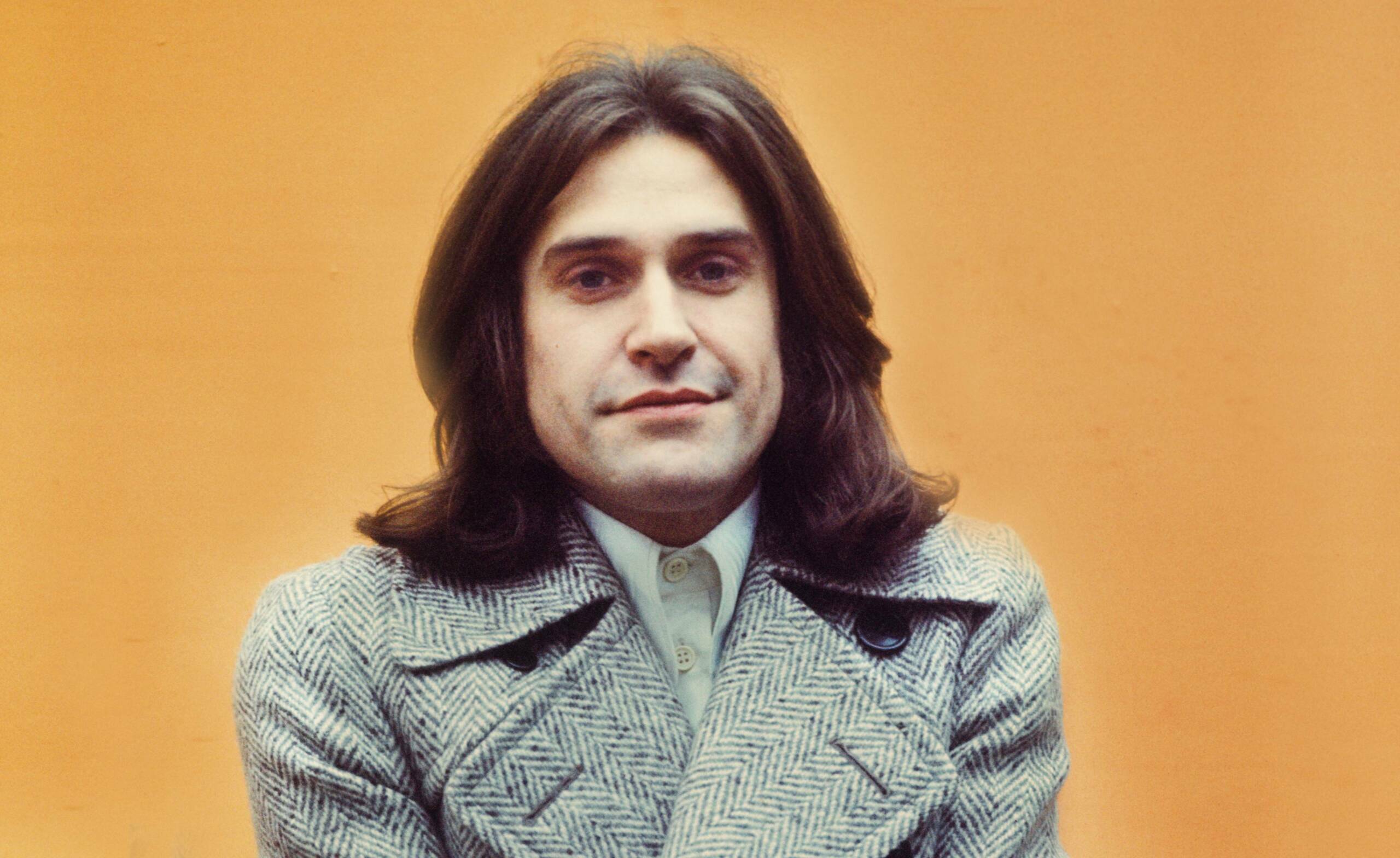
Exploring the Life and Legacy of Ray Davies: A Comprehensive Biographical Profile
Sir Raymond Douglas Davies, the primary architect behind The Kinks, stands as one of the most influential figures in the history of British rock and roll. His Wikipedia biography and career records detail a journey from the suburbs of...
Sir Raymond Douglas Davies, the primary architect behind The Kinks, stands as one of the most influential figures in the history of British rock and roll. His Wikipedia biography and career records detail a journey from the suburbs of North London to global stardom, defined by his unique lyrical observations of English life, social class, and the complexities of the human condition.
Contents
As of 2026, the legacy of Ray Davies remains a cornerstone of musical education and cultural history. Whether you are researching his technical contributions to the "power chord," his conceptual storytelling through albums like The Kinks Are the Village Green Preservation Society, or his tumultuous relationship with his brother Dave, understanding the milestones of his life provides essential context for the evolution of modern pop and rock music. This profile examines the key phases of his career, his biographical highlights, and his enduring influence on subsequent generations of artists.
Early Life and the Foundations of The Kinks
Born on June 21, 1944, in Muswell Hill, London, Ray Davies was the seventh of eight children and the first of two sons. His upbringing in a large, working-class family significantly influenced his later songwriting. The Davies household was a musical one, where jazz, music-hall traditions, and early rock and roll were frequently played and discussed. This fusion of traditional British entertainment and American blues became the bedrock of the Kinks' sound.
Ray attended the Hornsey College of Art, where he developed a keen eye for social observation and visual storytelling. It was during this period that he and his younger brother, Dave Davies, began performing together. Along with classmate Pete Quaife, they formed the nucleus of what would become The Kinks. By 1964, with the addition of drummer Mick Avory, the band signed with Pye Records.
The early Wikipedia records of the band’s formation emphasize the raw, energetic sound they cultivated. Their third single, "You Really Got Me," released in 1964, changed the trajectory of rock music. The song’s distorted guitar riff, created by Dave Davies slicing the speaker cone of his amplifier, is widely credited as a foundational moment for both heavy metal and punk rock. Ray’s role as the primary songwriter and frontman was established immediately, as he navigated the pressures of the "British Invasion" alongside contemporaries like The Beatles and The Rolling Stones.
The 1965–1969 American Ban and the Shift to "Englishness"
A pivotal moment in the biography of Ray Davies—and one that distinguishes The Kinks from their peers—was the four-year ban imposed on the band by the American Federation of Musicians in 1965. While the exact reasons for the ban remained shrouded in industry politics and reports of "unprofessional conduct" on stage, the impact was profound. Barred from touring the United States during the peak of the counterculture movement, the Kinks were forced to focus their attention on the United Kingdom and Europe.
This isolation led Ray Davies to lean into a specifically British identity in his songwriting. Rather than chasing the psychedelic trends emerging from San Francisco, Davies began writing about "Village Greens," steam trains, and the fading traditions of English life. This era produced some of his most acclaimed work, including "Waterloo Sunset" and the 1968 album The Kinks Are the Village Green Preservation Society.
The technical depth of Davies’ writing during this period is characterized by a "social-realist" approach. He moved away from standard pop tropes to explore characters trapped by societal expectations or mourning a lost past. This shift not only preserved The Kinks' relevance during a time of global transition but also laid the groundwork for the Britpop movement of the 1990s, where bands like Blur and Oasis would cite Davies as their primary spiritual forefather.
Conceptual Ambition and Theatrical Evolution
By the late 1960s and early 1970s, Ray Davies transitioned from writing hit singles to constructing elaborate concept albums. This period showcased his ambition to treat the rock album as a narrative medium. Works such as Arthur (Or the Decline and Fall of the British Empire) and Lola Versus Powerman and the Moneygoround, Part One explored themes of colonialism, the music industry, and gender identity.
The song "Lola," released in 1970, remains one of Davies' most technically and culturally significant achievements. Its nuanced exploration of a romantic encounter with a transgender person was decades ahead of its time, though it famously required Davies to fly back from a tour to re-record the word "Coca-Cola" as "cherry cola" to satisfy BBC advertising regulations.
During the mid-1970s, Davies moved into a "theatrical" phase, producing albums like Preservation Act 1 and Act 2, which featured large horn sections and female backing vocalists. While these projects received mixed reviews from critics who preferred the band’s earlier rock sound, they demonstrated Davies’ refusal to be pigeonholed. He was essentially writing musical theater within the framework of a rock band, a precursor to his later solo success in actual theatrical productions.
The Solo Career and Literary Pursuits
Following the eventual dissolution of the Kinks as a touring entity in the mid-1990s, Ray Davies embarked on a successful solo career. His solo work allowed him to further refine his persona as a storyteller and chronicler of modern life. Albums such as Other People's Lives (2006) and Working Man's Café (2007) received critical praise for their maturity and lyrical sharpness.
In addition to music, Davies expanded his creative output into literature and theater. His "unauthorised autobiography," X-Ray (1994), utilized a unique narrative structure where a young journalist interviews an aged "R.D." in a dystopian future. He followed this with Americana (2013), a memoir exploring his complicated relationship with the United States, which later inspired two studio albums of the same name.
His contribution to the stage culminated in the musical Sunny Afternoon, which premiered in London in 2014. The production, based on the early life of the Kinks and featuring Ray's songs, won four Olivier Awards, including Best New Musical. This achievement solidified his status as a master of the "jukebox musical" format, though he preferred to view it as a biographical narrative through song.
Major Milestones and Career Data
The following table summarizes the key milestones in Ray Davies' life and career, as documented in his public record and biographical archives.
| Period | Key Milestone | Significance |
|---|---|---|
| 1964 | Release of "You Really Got Me" | Revolutionized the use of distorted guitar; launched global career. |
| 1965–1969 | AFM Touring Ban (USA) | Forced a shift toward "English" conceptual songwriting. |
| 1968 | Village Green Preservation Society | Established Davies as a premier social commentator. |
| 1990 | Rock & Roll Hall of Fame | Induction of The Kinks; formal recognition of global influence. |
| 2004 | New Orleans Incident | Davies was shot in the leg while pursuing a thief; significant personal turning point. |
| 2014 | Sunny Afternoon Musical | Won multiple Olivier Awards; cemented his legacy in musical theater. |
| 2017 | Knighthood | Invested as a Knight Bachelor for services to the arts. |
| 2026 | Ongoing Legacy | Continued influence on Britpop and indie-rock genres. |
Personal Challenges and Public Recognition
Ray Davies' biography is not without its personal struggles. The famously volatile relationship with his brother Dave Davies has been a subject of public fascination for decades. Their sibling rivalry, characterized by both creative synergy and physical altercations, is often cited as both the fuel for the band’s energy and the cause of its eventual stagnation.
In January 2004, Davies faced a life-threatening situation in New Orleans. While walking with a companion, he was robbed and subsequently shot in the leg while chasing the assailant. The incident required a lengthy recovery period and influenced his later reflections on American culture in his Americana project.
Despite these challenges, his contributions to the arts have been extensively honored. In 2004, he received a CBE (Commander of the Order of the British Empire) from Queen Elizabeth II. This was followed by a knighthood in the 2017 New Year Honours. As of 2026, Sir Ray Davies is regarded as a "Poet Laureate of Rock," a title that reflects his ability to capture the extraordinary within the ordinary.
Frequently Asked Questions
Are Ray and Dave Davies still on good terms?
The relationship between the Davies brothers remains complex. While they have occasionally discussed a Kinks reunion and have appeared together at specific events, their relationship is characterized by long periods of estrangement. As of 2026, they continue to communicate primarily regarding the management of the Kinks' legacy and archival releases, though a full-scale touring reunion has remained elusive.
Why were The Kinks banned from the United States in the 1960s?
The American Federation of Musicians (AFM) never provided a singular official reason for the 1965 ban. However, it is widely attributed to the band's "rowdy" behavior on stage and several disputes with television producers and promoters. The ban lasted until 1969, significantly hindering their commercial success during the era of Woodstock and the Summer of Love but fostering their unique British sound.
What is Ray Davies' most famous song?
While "You Really Got Me" is his most commercially explosive hit, "Waterloo Sunset" is often cited by critics and fans as his masterpiece. The song is lauded for its melodic beauty and its evocative description of London life. Other major hits include "Lola," "Sunny Afternoon," and "Days."
Has Ray Davies written any books?
Yes, Ray Davies is an accomplished author. His notable works include X-Ray: The Unauthorised Autobiography (1994) and Americana: The Kinks, the Riff, the Road: The Story (2013). These books provide deep insight into his creative process and his personal history.
Is Ray Davies still performing in 2026?
As of 2026, Sir Ray Davies focuses more on archival projects, songwriting, and occasional special appearances rather than extensive global touring. His influence is felt more through his supervised reissues of classic Kinks albums and his ongoing work in musical theater and literature.
Recommendation for Further Research
To fully appreciate the scope of Ray Davies' career, it is recommended to listen to the "Golden Era" albums (1966–1971) in chronological order. This provides the best evidence of his evolution from a pop songwriter to a complex narrative composer. Additionally, visiting the official archives or reputable biographical repositories like the Songwriters Hall of Fame offers a technical look at his lyrical structure and harmonic innovations. For those interested in his cultural impact, the documentary Ray Davies: Imaginary Man provides an excellent visual companion to his written biographies.
Image Gallery