The Greatest Dancing with the Stars Performances: A Definitive Retrospective
Since its debut in 2005, Dancing with the Stars (DWTS) has transformed from a quirky ballroom experiment into a cultural phenomenon. As of 2026, with over 34 seasons of glitter, sweat, and tears in the record books, the show has produc...
Since its debut in 2005, Dancing with the Stars (DWTS) has transformed from a quirky ballroom experiment into a cultural phenomenon. As of 2026, with over 34 seasons of glitter, sweat, and tears in the record books, the show has produced hundreds of routines that range from technically proficient to life-changing. Identifying the "top" performances requires looking beyond the leaderboard's perfect 30s and 40s; it involves analyzing technical execution, choreographic innovation, and the emotional resonance that lingers long after the Mirrorball Trophy is hoisted.
Contents
The following analysis explores the most iconic performances in the history of the show, categorized by their impact on the series and the ballroom floor. Whether you are a newcomer to the Disney+ and ABC era or a long-time viewer from the early seasons, these routines represent the gold standard of celebrity dance.
The Evolution of the Freestyle: Pushing the Boundaries
The Freestyle round is arguably the most anticipated part of any DWTS season. It is the only time the strict rules of the International Latin and Standard styles are set aside, allowing pros to showcase their creativity and celebrities to display their athletic range.
Iman Shumpert & Daniella Karagach: Contemporary/Freestyle (Season 30)
In Season 30, NBA champion Iman Shumpert and his partner Daniella Karagach delivered what many critics consider the most innovative routine in the show's history. Dancing to "I Got 5 on It" (Tethered Mix from the film Us), the pair utilized Shumpert’s 6'5" frame to execute gravity-defying lifts that had never been attempted on the show.
Karagach’s choreography turned Shumpert’s height—traditionally a disadvantage in ballroom—into a structural asset. The performance was a masterclass in atmospheric storytelling, blending contemporary movement with parkour-inspired lifts. It remains a primary example of how the show shifted toward more athletic, high-concept modern choreography in its later years.
Jordan Fisher & Lindsay Arnold: Jive (Season 25)
Jordan Fisher is frequently cited by judges Carrie Ann Inaba, Bruno Tonioli, and the late Len Goodman as the most talented male celebrity to ever grace the ballroom. His Season 25 Jive to "Proud Mary" was a breathless display of synchronization and speed.
What set this performance apart was Fisher’s ability to match professional Lindsay Arnold’s footwork beat-for-beat. While many celebrities look like they are being "led" by their pros, Fisher danced with an independent precision that made the routine look like a pro-to-pro exhibition. This performance solidified the "ringer" era of the show, where the ceiling for technical excellence was raised to professional heights.
Emotion and Storytelling: Beyond the Footwork
While technical scores are vital, the performances that the audience remembers most are those that connect on a human level. Dancing with the Stars has often served as a platform for celebrities to process personal grief or celebrate milestones through movement.
Bindi Irwin & Derek Hough: Contemporary (Season 21)
Perhaps no dance is more synonymous with the show’s emotional weight than Bindi Irwin’s contemporary routine dedicated to her late father, Steve Irwin. Dancing to "Every Breath You Take," Irwin and pro Derek Hough created a piece that felt intensely private yet universally resonant.
The technical aspect was flawless—Hough’s choreography emphasized fluidity and trust—but the narrative of the dance was what moved the audience. The "blind" fall at the end of the routine, where Bindi trusts Derek to catch her, symbolized her journey through grief. It earned a perfect score and remains the quintessential example of how the show uses dance as a medium for biography.
Amy Purdy & Derek Hough: Argentine Tango (Season 18)
Amy Purdy, a Paralympic snowboarder and double-amputee, redefined what was possible on the show. Her Argentine Tango with Derek Hough remains a technical marvel. The challenge of the Argentine Tango lies in the intricate leg "flicks" (ganchos) and sharp transitions.
Purdy’s ability to manipulate her prosthetic legs to achieve the necessary lines and speed was a feat of engineering and athleticism. This performance didn't just earn a high score; it forced the judges and the audience to rethink the mechanics of ballroom dance, proving that artistry is not limited by physical constraints.
Technical Masterpieces: The Gold Standard of Ballroom
In the midst of the spectacle, some couples have stood out for their commitment to the traditional foundations of dance. These performances are often used as "teaching moments" for future contestants.
Meryl Davis & Maks Chmerkovskiy: Tango (Season 18)
When Olympic ice dancer Meryl Davis joined Season 18, expectations were sky-high. Her Tango with Maksim Chmerkovskiy was a masterclass in "frame" and "staccato" movement. Because Davis understood the physics of partnering from her skating career, she was able to maintain a level of tension and "pull" with Chmerkovskiy that few celebrities ever achieve. This routine is often studied by fans for its sharp head snaps and the sheer amount of floor coverage, illustrating the power of a traditional ballroom hold.
Charli D’Amelio & Mark Ballas: Contemporary/Jazz (Season 31)
The return of Mark Ballas in Season 31 coincided with the arrival of social media star Charli D’Amelio. Their collaboration resulted in some of the most technically complex routines in the series' history. Their Contemporary routine, which explored the pressures of fame and "the girl in the mirror," featured professional-grade extensions and floor work. D’Amelio’s background in competitive dance allowed Ballas to choreograph at a level of difficulty usually reserved for So You Think You Can Dance, bridging the gap between celebrity competition and professional artistry.
Comparison of Historically Highest-Impact Performances
The following table summarizes the key metrics of performances that changed the trajectory of the competition.
| Season | Couple | Style | Significance | Key Feature |
|---|---|---|---|---|
| 19 | Alfonso Ribeiro & Witney Carson | Jazz | Cultural Impact | The "Carlton" Dance |
| 18 | Meryl Davis & Maks Chmerkovskiy | Argentine Tango | Technical Perfection | Intricate Legwork |
| 21 | Bindi Irwin & Derek Hough | Contemporary | Emotional Resonance | Tribute to Steve Irwin |
| 25 | Jordan Fisher & Lindsay Arnold | Jive | Professional Synergy | High-Speed Footwork |
| 30 | Iman Shumpert & Daniella Karagach | Freestyle | Innovative Lifts | Use of Height/Athleticism |
| 31 | Charli D’Amelio & Mark Ballas | Freestyle | Artistic Complexity | Cinematic Storytelling |
The Role of the Professionals in Top Performances
A top performance is rarely the result of the celebrity’s talent alone; it is a testament to the pro’s ability to teach and choreograph to their partner’s strengths.
- Choreographic Strategy: Pros like Derek Hough and Mark Ballas are known for "hiding" a celebrity’s weaknesses by placing them in formations or using props that draw the eye toward their strengths.
- Teaching Traditional vs. Narrative: A great performance often balances the "rules" of the dance (like the closed hold in a Waltz) with a narrative that the audience can follow.
- Adaptability: The best pros adjust their style. For example, Daniella Karagach’s work with Iman Shumpert required her to abandon traditional lift mechanics and invent new ones suited for a basketball player’s center of gravity.
Frequently Asked Questions
Which celebrity has received the most perfect scores in DWTS history?
As of 2026, the record for the most perfect scores is held by stars who reached the finals in later seasons, where the scoring became more frequent. Corbin Bleu, Meryl Davis, and Jordan Fisher are among the top tier, but Charli D’Amelio (Season 31) holds one of the highest averages of 10s per routine across an entire season.
Has anyone ever won without a perfect score in the finale?
While rare, it has happened in earlier seasons when the fan vote carried more weight than the technical scores. However, in the modern era (2020–2026), the competition has become so fierce that a perfect score in the Freestyle and the Finale dance is almost a prerequisite for winning the Len Goodman Mirrorball Trophy.
What is the difference between a "Perfect 30" and a "Perfect 40"?
This depends on the season and the number of judges. For most of the show's run, there were three judges (Carrie Ann, Len, and Bruno), making 30 the highest score. In seasons where a fourth judge was present (such as Julianne Hough or guest judges), the highest possible score became 40.
Why was the Mirrorball Trophy renamed?
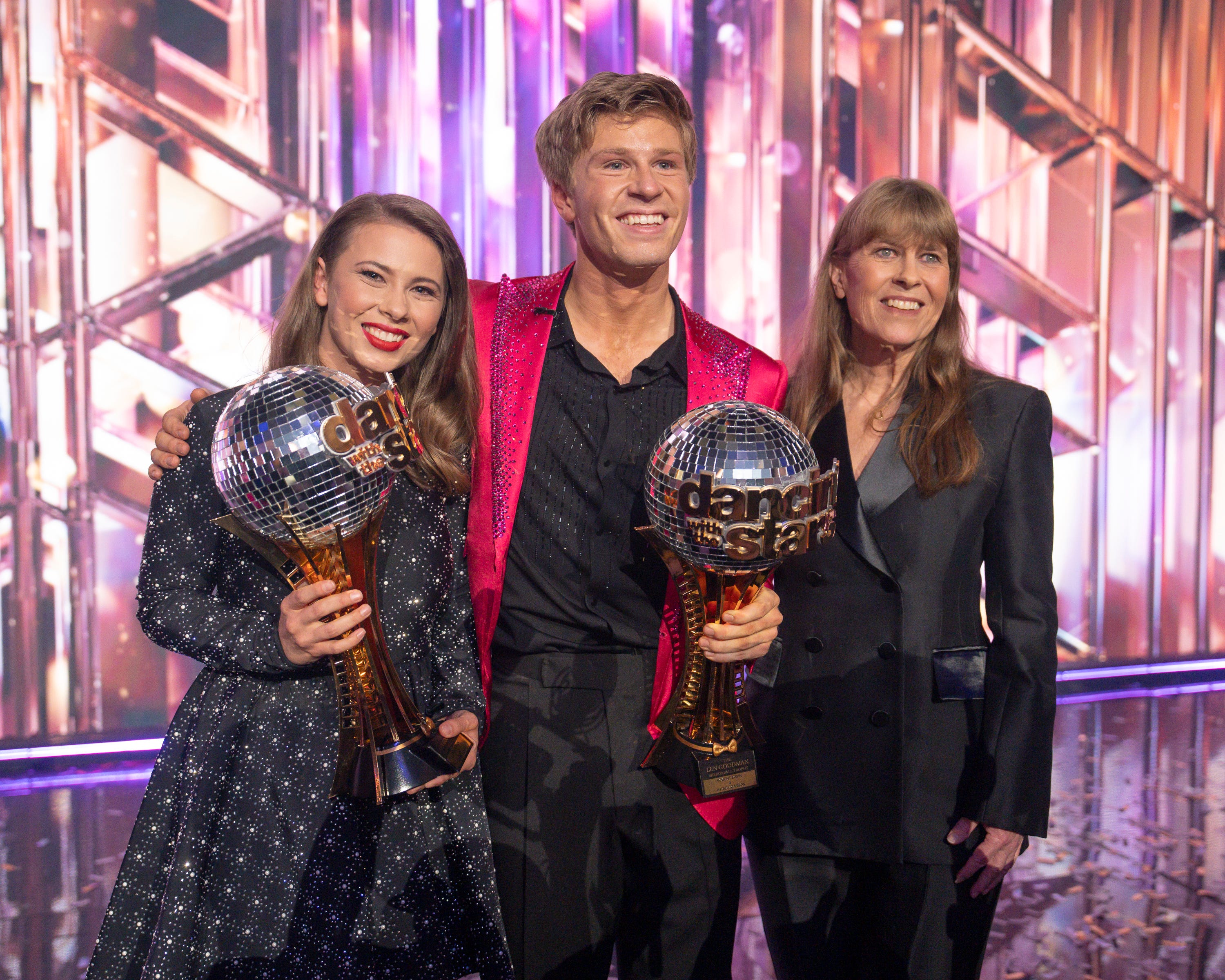
Following the passing of long-time head judge Len Goodman in 2023, the show officially renamed the prize the "Len Goodman Mirrorball Trophy." This was done to honor his commitment to the "proper" ballroom technique and his legacy as the backbone of the judging panel for nearly two decades.
How do I watch these classic performances?
Most iconic performances are archived on the official Dancing with the Stars YouTube channel. Additionally, since the show's move to Disney+, many full seasons from the modern era are available for streaming, allowing viewers to see the performances in the context of the full episodes.
Final Recommendations for Fans
To truly appreciate the "top" performances of Dancing with the Stars, one should watch them chronologically. Starting with the early seasons (like Kelly Monaco or Drew Lachey) allows you to see how the production value and the caliber of dance have evolved.
If you are looking for the absolute pinnacle of what the show can achieve, focus on the Season 25-31 era. This period represents a "sweet spot" where the choreography reached a professional level of complexity, and the transition to streaming allowed for longer, more cinematic routines. Pay close attention to the Freestyle rounds, as they offer the clearest insight into the creative partnership between the professional and the celebrity.
Image Gallery