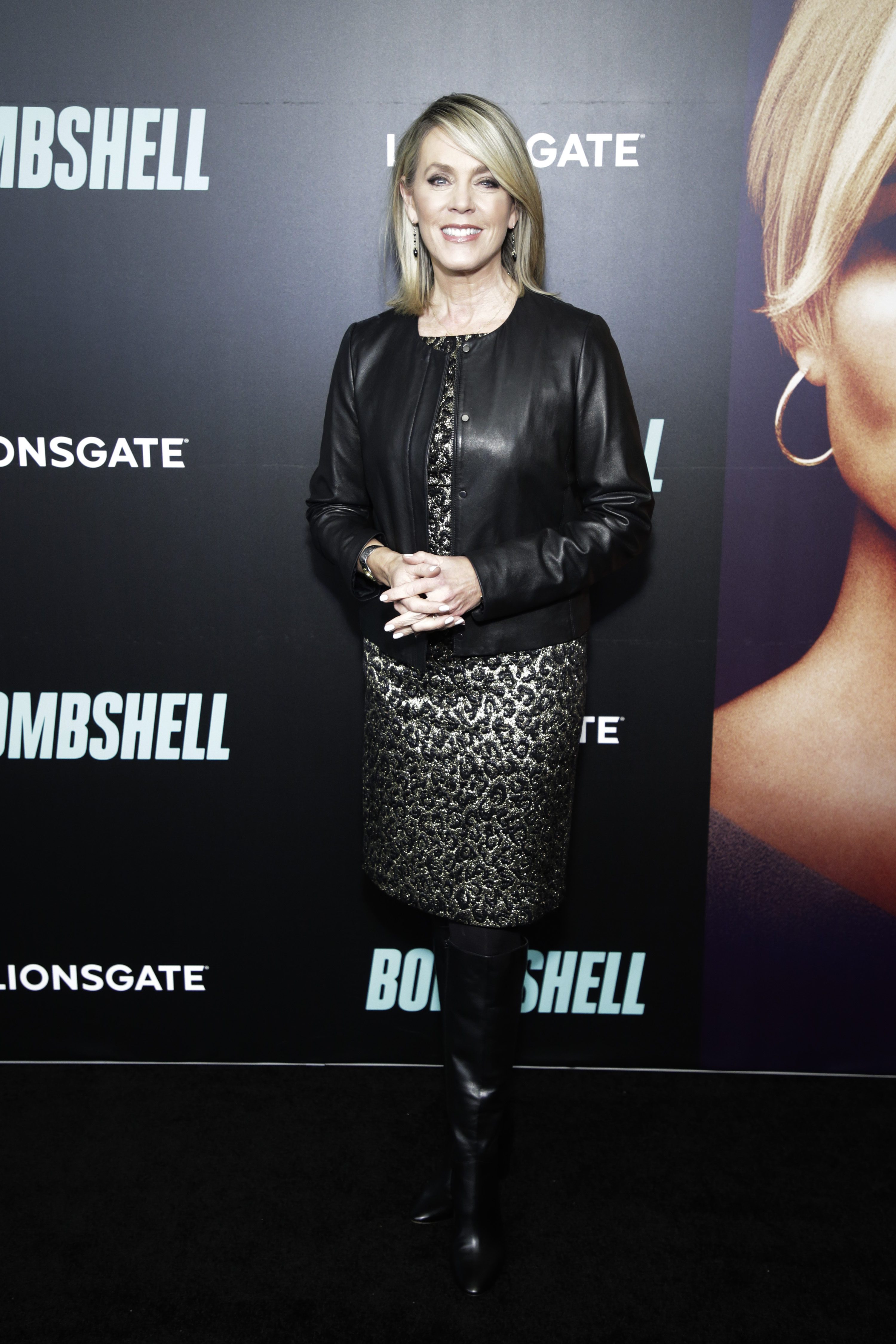
Deborah Norville on MSNBC and the Evolution of Her Broadcast Career
Deborah Norville’s tenure on MSNBC with her prime-time program, Deborah Norville Tonight, represented a pivotal moment where traditional broadcast journalism met the rising influence of cable news. While most recognized for her record-...
Deborah Norville’s tenure on MSNBC with her prime-time program, Deborah Norville Tonight, represented a pivotal moment where traditional broadcast journalism met the rising influence of cable news. While most recognized for her record-breaking run on Inside Edition, her MSNBC work showcased her versatility in handling long-form interviews and live political discourse during a transformative era in American media.
Contents
The MSNBC Chapter: Deborah Norville Tonight
In 2003, MSNBC was in a period of significant transition, attempting to carve out a distinct identity in a cable news landscape dominated by the Fox News Channel and CNN. As part of this strategic shift, the network recruited Deborah Norville to host a prime-time program titled Deborah Norville Tonight. At the time, Norville was already a household name due to her high-profile role on the syndicated newsmagazine Inside Edition, making her one of the few broadcasters to maintain a presence in both daily syndication and cable news simultaneously.
Deborah Norville Tonight debuted in October 2003. The program was designed to leverage Norville’s strengths as a seasoned interviewer and reporter. Unlike the fast-paced, often sensationalist nature of tabloid news, her MSNBC show leaned into a more analytical and conversational format. The program covered a broad spectrum of topics, ranging from the ongoing Iraq War to domestic policy and cultural phenomena.
The technical execution of the show required Norville to balance a grueling schedule. She filmed Inside Edition during the day and transitioned to the MSNBC studios in Secaucus, New Jersey, for the live evening broadcast. This dual-role demand was a testament to her professional stamina. However, the cable news environment of the early 2000s was becoming increasingly polarized. MSNBC was experimenting with different ideological "voices," and while Norville provided a polished, traditional journalistic presence, the network eventually shifted toward more overtly political commentary. Norville decided to leave the program in 2005, citing the desire to spend more time with her family and the intense demands of her multi-platform career. Despite its relatively short run, the show remains a significant marker of Norville's ability to navigate the complexities of live cable news during a time of national upheaval.
Early Career Foundations and the Rise to National Prominence
To understand Norville's impact on MSNBC, one must examine the foundation laid during her early years in Georgia and Illinois. Deborah Norville began her career while still a student at the University of Georgia, working at WAGA-TV in Atlanta. Her rapid ascent was fueled by a combination of academic excellence—she graduated summa cum laude in just three years—and a natural aptitude for the camera.
By the early 1980s, Norville moved to the Chicago market, joining WMAQ-TV. It was here that she established her reputation as a formidable news anchor. Chicago, a major media market known for its "no-nonsense" approach to news, served as the perfect training ground. Her work caught the attention of NBC News executives, leading to her recruitment for NBC News at Sunrise in 1987.
During her time at Sunrise, Norville demonstrated a capability for hard news reporting that appealed to early-morning viewers. Her segments were concise, professional, and demonstrated a deep understanding of international and domestic headlines. This success positioned her as a rising star within the NBC hierarchy, setting the stage for one of the most discussed transitions in the history of morning television.
The NBC Today Show Transition: A Career Turning Point
The transition of Deborah Norville to the Today show in 1989 is often cited in broadcast journalism textbooks as a cautionary tale of network mismanagement rather than a reflection of talent. Norville was brought in to replace Jane Pauley, a beloved figure who had been with the program for 13 years. The move was widely perceived by the public as the network "pushing out" an older woman for a younger one, a narrative that the media at the time heavily exploited.
The backlash was immediate and intense. Ratings for the Today show plummeted as viewers redirected their loyalty. Despite the controversy, Norville performed her duties with professional composure. She handled major assignments, including coverage of the fall of the Berlin Wall and the Romanian Revolution. However, the atmospheric tension at NBC made her position untenable.
In 1991, Norville went on maternity leave and subsequently chose not to return to the program. This period of her career was a significant trial, yet it ultimately served to demonstrate her resilience. Instead of fading from the public eye, she shifted her focus to radio, hosting The Deborah Norville Show on ABC Radio Network, where she honed the long-form interviewing skills that would later define her tenure on MSNBC.
Sustained Success: The Inside Edition Era
In 1995, Deborah Norville accepted the role of anchor for Inside Edition, succeeding Bill O'Reilly. This move proved to be the most definitive step of her career. Under her leadership, the program shifted its focus. While Inside Edition remained a syndicated newsmagazine, Norville pushed for more investigative journalism and human-interest stories that resonated with a broader demographic.
As of 2026, Norville holds the record as the longest-running female host of a daily national news program. Her longevity in this role is attributed to several factors:
- Consistency: Viewers have come to rely on her steady delivery and professional demeanor.
- Editorial Evolution: She has overseen the program’s transition through multiple technological eras, from traditional tape to digital streaming integration.
- Brand Integration: Norville successfully integrated her personal brand—focused on "thankfulness" and "positivity"—into the program's softer segments without compromising the integrity of its investigative pieces.
Her work on Inside Edition provided the financial and professional stability that allowed her to experiment with other formats, including the aforementioned MSNBC program. It also established her as a survivor in an industry that frequently cycles through talent.
Comparing Key Career Milestones
The following table outlines the primary distinctions between Norville’s major broadcast roles, highlighting the evolution of her professional focus.
| Program Title | Network/Platform | Years | Primary Format | Key Impact |
|---|---|---|---|---|
| NBC News at Sunrise | NBC (Network) | 1987–1989 | Early Morning News | Established national credibility. |
| The Today Show | NBC (Network) | 1989–1991 | Morning News/Talk | Tested resilience amidst media controversy. |
| The Deborah Norville Show | ABC Radio | 1992–1997 | Talk Radio | Developed long-form interviewing depth. |
| Inside Edition | Syndicated | 1995–Present | Newsmagazine | Longest tenure for a female news host. |
| Deborah Norville Tonight | MSNBC (Cable) | 2003–2005 | Prime-time Talk | Bridged traditional news and cable analysis. |
Multimedia Ventures and Authorship
Beyond the anchor desk, Deborah Norville has expanded her influence into the realms of literature and lifestyle. Her career is a prime example of "horizontal expansion" within the media industry. She is the author of several books, including Thank You Power, which became a New York Times bestseller. The book explores the scientific benefits of gratitude, reflecting Norville’s personal philosophy of focusing on positive outcomes even during professional hardships.
Additionally, her interest in knitting led to the creation of the Deborah Norville Collection of yarns and patterns. While seemingly unrelated to broadcast journalism, this venture allowed her to connect with her audience on a personal level, humanizing the "news anchor" persona. This diversification of her professional portfolio has been instrumental in her enduring relevance as a media personality through the mid-2020s.
Professional Recognition and Legacy
Deborah Norville’s contributions to the field have been recognized with numerous accolades, including two Emmy Awards and an induction into the Broadcasting & Cable Hall of Fame. Her legacy is defined by more than just her time on any single network. She represents a generation of broadcasters who successfully navigated the transition from the "Big Three" network dominance of the 1980s to the fragmented, multi-platform media environment of 2026.
Her stint on MSNBC, though brief compared to her decades on Inside Edition, remains a vital part of her narrative. It proved that a journalist rooted in traditional broadcast standards could hold their own in the more combative world of cable news. For aspiring journalists, Norville’s career offers a lesson in adaptability: the ability to weather public criticism, pivot between formats, and maintain a consistent professional identity over several decades.
Frequently Asked Questions
Why did Deborah Norville leave the Today show?
Deborah Norville left the Today show in 1991 following a period of intense public and media backlash regarding the departure of her predecessor, Jane Pauley. The transition was poorly managed by NBC executives, leading to a significant drop in ratings. Norville officially departed the show after her maternity leave, choosing to focus on radio and other projects before eventually joining Inside Edition.
What was the format of Deborah Norville Tonight on MSNBC?
The program was a prime-time talk show that focused on a mix of the day's top news stories and long-form interviews. It was less ideologically driven than current cable news programming, leaning more toward Norville's background in traditional journalism. The show included live segments, guest panels, and deep dives into social and political issues.
How long has Deborah Norville been the host of Inside Edition?
Deborah Norville joined Inside Edition in March 1995. As of 2026, she has been the host for over 31 years, making her the longest-serving female anchor on a daily national news program in television history.
Did Deborah Norville win any awards for her broadcast work?
Yes, Norville is a multi-Emmy Award winner. She won her first Emmy for her reporting on the democratic uprising in Romania and has received subsequent awards and nominations for her investigative work on Inside Edition. She is also a member of the Broadcasting & Cable Hall of Fame.
What other ventures is Deborah Norville involved in besides television?
Norville is a prolific author of both non-fiction books and children's literature. She is also a prominent figure in the crafting community, having launched her own line of yarns. Furthermore, she serves on the board of various organizations, including the Broadcasters Foundation of America.
Final Recommendation for Further Research
To gain a deeper understanding of Deborah Norville’s impact on the transition from network to cable news, researchers should consult the archives of Broadcasting & Cable magazine and the New York Times media section from the early 2000s. These sources provide contemporary context regarding the ratings battles and strategic shifts that defined the era of Deborah Norville Tonight on MSNBC.
Image Gallery