Why a Life Insurance Policy Matters for Your Future
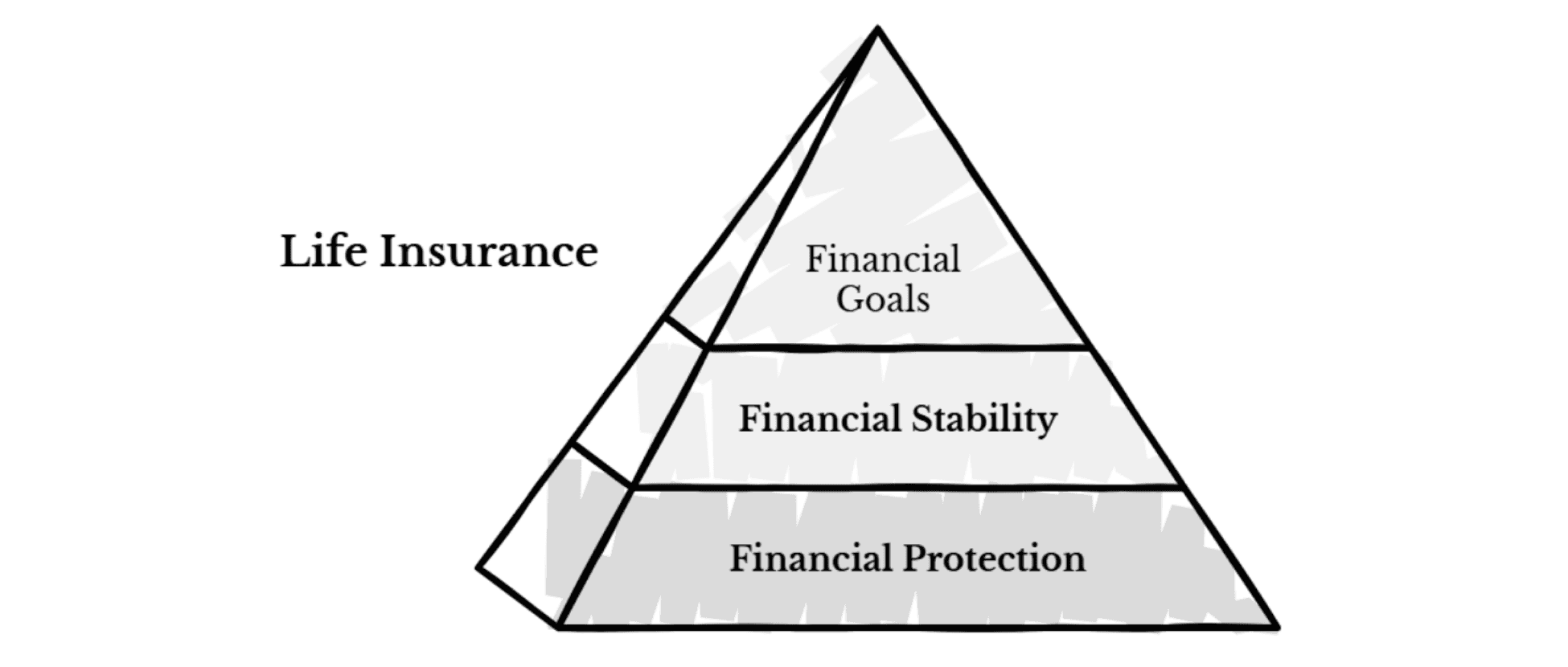
Life insurance serves as a foundational pillar of a robust financial plan by providing a guaranteed tax-free death benefit to your beneficiaries. It secures your future by replacing lost income, extinguishing outstanding debts like mor...
Life insurance serves as a foundational pillar of a robust financial plan by providing a guaranteed tax-free death benefit to your beneficiaries. It secures your future by replacing lost income, extinguishing outstanding debts like mortgages, and funding long-term obligations such as education costs, ensuring your family’s standard of living remains intact regardless of unforeseen circumstances.
Contents
The Essential Role of Income Replacement
For most households in 2026, the primary driver of financial stability is the continuous flow of earned income. When a primary breadwinner passes away, the immediate cessation of that income can trigger a rapid decline in the family’s quality of life. A life insurance policy acts as a financial proxy for those future earnings.
The importance of income replacement is not limited to high-earners. Even in dual-income households, the loss of one salary can make it impossible to maintain the current mortgage, utility payments, and grocery expenses. Life insurance provides a "lump sum" solution that can be invested or drawn upon to mimic the monthly paycheck that is no longer arriving. Financial planners often recommend a death benefit that is 10 to 15 times your annual salary, though this depends heavily on your specific debt-to-income ratio and the age of your dependents.
Beyond the numbers, income replacement offers the gift of time. It allows grieving survivors to focus on emotional recovery without the immediate pressure of returning to work or downsizing their home. In a 2026 economic environment characterized by fluctuating inflation, having a fixed, liquid asset like a life insurance payout provides a level of certainty that few other financial instruments can match.
Debt Management and Protecting Family Assets
Debt does not always disappear when a person passes away. While some student loans may be discharged, most secured debts—such as mortgages, auto loans, and business lines of credit—remain attached to the estate or the surviving co-signers. Without a life insurance policy, survivors may be forced to sell the family home or liquidate retirement accounts to satisfy creditors.
The mortgage is typically the largest debt a family carries. A term life insurance policy, structured to match the duration of a 15-year or 30-year mortgage, ensures that the family home remains a sanctuary rather than a liability. This is particularly relevant for families who have utilized Home Equity Lines of Credit (HELOCs) or other debt-leveraging strategies to fund renovations or education.
Furthermore, personal loans and credit card balances can eat into the assets intended for heirs. By designating a portion of a life insurance benefit to cover these liabilities, you ensure that your other investments—such as 401(k)s, IRAs, or brokerage accounts—can be passed down to your children or spouse fully intact. This preservation of capital is a critical component of multi-generational wealth building.
The Strategic Role in Estate Planning and Liquidity
Estate planning is often misunderstood as a concern only for the ultra-wealthy. However, any individual with a home, a retirement account, or a small business needs to consider how their assets will be distributed. Life insurance plays a vital role here by providing immediate liquidity.
When a person passes, their estate often enters probate—a legal process that can take months or even years to resolve. During this time, family members may have limited access to the deceased’s bank accounts or investments. Life insurance, however, is a non-probate asset. The death benefit is paid directly to the beneficiaries, usually within weeks of filing a claim. This immediate cash flow is essential for paying:
- Estate taxes: Though federal exemptions remain high in 2026, state-level inheritance and estate taxes can still take a significant bite out of a legacy.
- Administrative costs: Legal fees, executor fees, and appraisal costs can quickly add up during the settlement of an estate.
- Final expenses: The average cost of a funeral, burial, or cremation in 2026 ranges from $8,000 to $13,000. Having a policy dedicated to "final expenses" prevents these costs from becoming an emotional and financial burden on survivors.
Permanent Life Insurance as a Wealth Accumulation Tool
While term life insurance is designed for temporary protection, permanent life insurance (such as Whole Life or Universal Life) offers a "cash value" component that grows over time. In 2026, many policyholders view this as a sophisticated asset class that operates outside the volatility of the stock market.
The cash value accumulates on a tax-deferred basis, meaning you do not pay taxes on the growth as it occurs. Owners of these policies can access the cash value through withdrawals or policy loans. These loans are often used for:
- Supplementing retirement income: During market downturns, retirees can draw from their policy’s cash value instead of selling stocks at a loss.
- Emergency funds: The cash value is generally more accessible than funds locked in a 401(k) or a certificate of deposit (CD).
- Funding opportunities: Business owners often use policy loans to finance equipment or expansion, paying the interest back into their own policy rather than to a bank.
It is important to note that accessing the cash value reduces the death benefit if the loan is not repaid. However, the flexibility of permanent insurance makes it a powerful tool for those looking to maximize their "living benefits" while simultaneously securing their family’s future.
Comparing Life Insurance Structures
Choosing the right policy depends on your financial goals, age, and budget. The table below outlines the primary differences between the most common policy types available in 2026.
| Feature | Term Life Insurance | Whole Life Insurance | Universal Life Insurance |
|---|---|---|---|
| Duration | Specific period (10–30 years) | Entire lifetime | Entire lifetime |
| Premiums | Lowest; fixed for the term | Higher; fixed for life | Flexible; can adjust over time |
| Cash Value | None | Guaranteed growth | Variable growth based on interest/market |
| Primary Goal | Pure protection; debt coverage | Legacy; wealth accumulation | Flexibility; permanent protection |
| Complexity | Simple and straightforward | Moderate | High (requires active management) |
Business Continuity and the "Key Person" Concept
For entrepreneurs and small business owners, life insurance is more than a personal safety net—it is a business necessity. The sudden death of a founder or a "key person" (an employee with specialized skills or vital client relationships) can destabilize a company overnight.
Key Person Insurance is a policy taken out by a business on the life of a crucial employee. If that person passes away, the business receives the death benefit. These funds can be used to:
- Recruit and train a replacement.
- Pay off business debts to maintain a good credit rating.
- Provide a financial cushion to offset lost revenue during the transition.
Additionally, life insurance is the primary funding mechanism for Buy-Sell Agreements. In a partnership, if one partner dies, the surviving partner may want to buy out the deceased partner’s share of the business from their heirs. The life insurance payout provides the necessary capital to facilitate this buyout, ensuring the surviving partner retains control of the business while the heirs receive a fair, predetermined cash value for their interest.
How to Calculate Your Future Coverage Needs
Determining how much life insurance you need is not a matter of guesswork. In 2026, the DIME formula remains the standard for a comprehensive assessment:
- D (Debt): Total all outstanding debts, excluding the mortgage.
- I (Income): Multiply your annual salary by the number of years your family will need support (e.g., until the youngest child turns 22).
- M (Mortgage): The remaining balance on your primary residence.
- E (Education): The estimated future cost of college or vocational training for your children.
By adding these four components and subtracting any existing liquid assets (like current savings or existing group life insurance through an employer), you arrive at a target coverage amount. It is advisable to review this number every three to five years, or after major life events such as marriage, the birth of a child, or a significant promotion.
Common Misconceptions About Life Insurance
Despite its benefits, many individuals remain underinsured due to several persistent myths.
"It’s too expensive." Many people overestimate the cost of life insurance by as much as three times. In reality, a healthy 30-year-old can often secure a $500,000 term policy for the monthly cost of a streaming service subscription.
"My employer-provided policy is enough." Most employer-sponsored life insurance (Group Term) is capped at one or two times your annual salary. While a great perk, it is rarely sufficient for a family's long-term needs. Furthermore, these policies are usually not portable; if you leave your job, you lose your coverage.
"I’m single and don't need it." Even without dependents, life insurance matters. It can cover your funeral costs and any co-signed debts (like private student loans) for which your parents might be liable. Additionally, buying a policy while young and healthy locks in lower premiums and ensures insurability later in life.
Frequently Asked Questions
Can I have more than one life insurance policy? Yes. Many people use a "laddering" strategy. For example, you might have a 30-year term policy to cover your mortgage and a smaller permanent policy for final expenses and estate liquidity. There is no legal limit on the number of policies, though total coverage must be justifiable based on your income and assets.
What happens if I outlive my term life insurance policy? Once the term ends, the coverage simply expires. Some policies offer a "return of premium" rider (which refunds your payments) or a "convertible" clause that allows you to turn the term policy into a permanent one without a new medical exam.
Are life insurance payouts taxable? In most cases, the death benefit paid to beneficiaries is not subject to federal income tax. However, if the payout is made to your estate rather than a named beneficiary, it may increase the value of the estate for estate tax purposes. It is vital to keep beneficiary designations updated.
What are accelerated death benefits? These are "living benefits" riders that allow you to access a portion of the death benefit while you are still alive if you are diagnosed with a terminal or chronic illness. These funds can be used to pay for medical care or long-term care, providing financial relief during a difficult time.
Final Recommendation
Securing a life insurance policy is one of the most selfless financial decisions you can make. It transforms an uncertain future into a structured plan, providing a safety net that protects your loved ones from the financial fallout of a tragedy. Whether you choose the affordable simplicity of term insurance or the long-term growth of a permanent policy, the best time to act is now. Consult with a licensed financial advisor or insurance professional to evaluate your specific needs and ensure your coverage aligns with your 2026 financial goals.
Disclaimer: This article is for informational purposes only and does not constitute legal, financial, or tax advice. Always consult with a qualified professional regarding your specific situation.
Image Gallery