Understanding the Limits of Variable Life Insurance Withdrawal Benefits
Variable life insurance withdrawal benefits allow policyholders to access the cash value of their policy during their lifetime, but these benefits are subject to strict limitations including surrender charges, proportional death benefi...
Variable life insurance withdrawal benefits allow policyholders to access the cash value of their policy during their lifetime, but these benefits are subject to strict limitations including surrender charges, proportional death benefit reductions, and significant tax implications if the policy is classified as a Modified Endowment Contract (MEC). Accessing these funds requires a careful balance between liquidity needs and the long-term sustainability of the insurance coverage.
Contents
Variable life insurance (VLI) remains one of the most complex financial instruments available in 2026. It combines a permanent death benefit with an investment component—specifically, sub-accounts that function similarly to mutual funds. While the potential for market-linked growth is the primary draw, the "withdrawal benefit" is often misunderstood. Unlike a standard savings account, taking money out of a VLI policy is not a neutral event; it triggers a cascade of contractual and fiscal consequences that can jeopardize the policy's primary purpose: providing a legacy for beneficiaries.
The Mechanics of Cash Value and Sub-Accounts
To understand withdrawal limits, one must first understand how cash value accumulates within a variable life policy. When you pay a premium, a portion goes toward the cost of insurance (COI) and administrative fees. The remainder is directed into sub-accounts. In 2026, these sub-accounts typically offer a range of options, from aggressive equity funds to conservative money market instruments.
The cash value is the "net" amount—the market value of your sub-account holdings minus any outstanding policy loans or fees. Withdrawal benefits allow you to tap into this net value. However, because these funds are invested in the market, the amount available for withdrawal fluctuates daily. This inherent volatility is the first and most basic limit on withdrawal benefits. If the market experiences a downturn, the maximum amount you can safely withdraw may shrink significantly, even if your total premium payments remain high.
Contractual Limits: Surrender Charges and Minimum Retentions
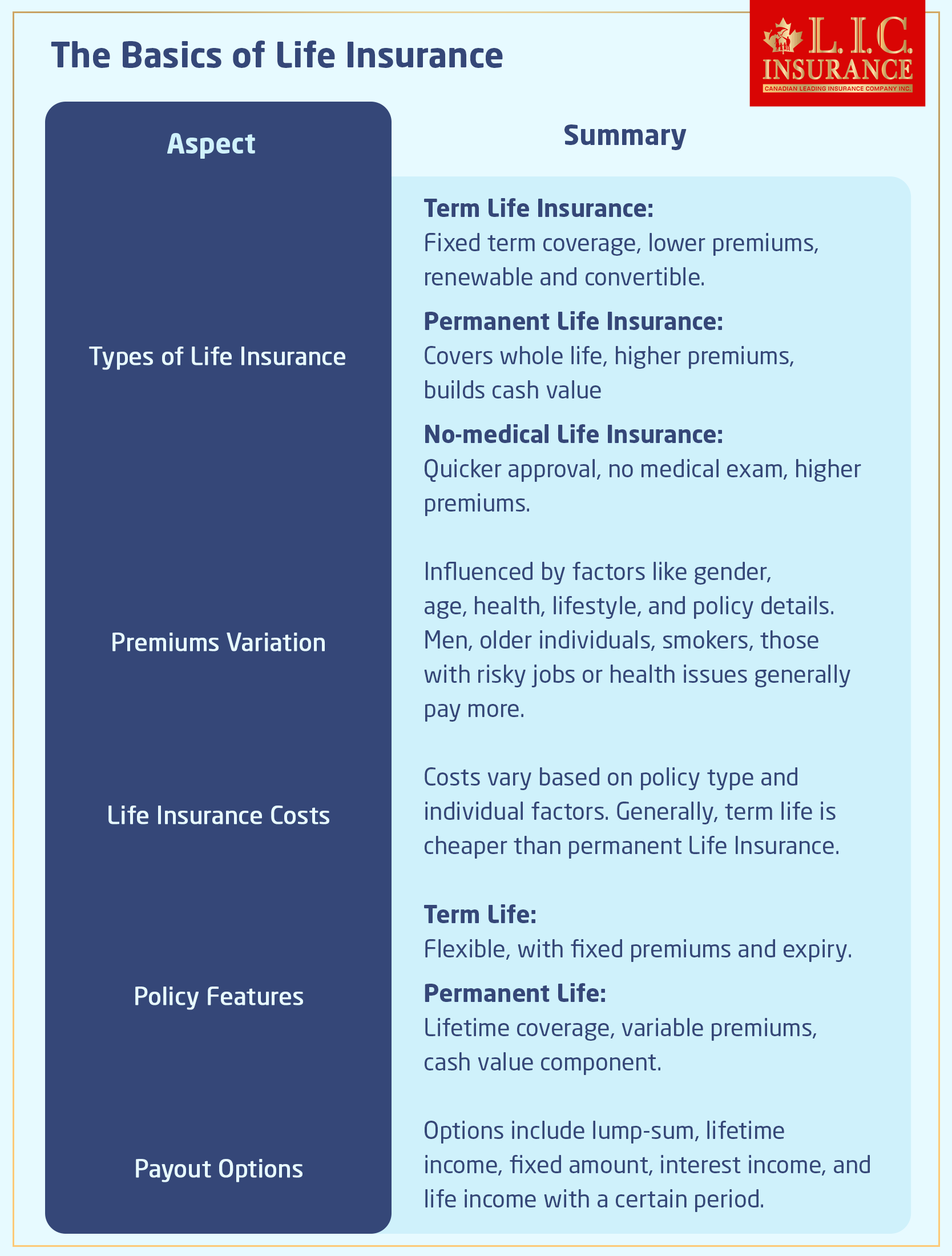
Most variable life insurance policies are designed as long-term instruments. To recover the high upfront costs of underwriting and agent commissions, insurers implement surrender charges.
The Surrender Charge Period
Typically lasting 10 to 15 years from the policy’s inception, the surrender charge is a fee deducted if you withdraw funds or cancel the policy. During the early years of a policy, these charges can be so high that they exceed the total cash value, effectively making the withdrawal benefit zero. As the policy matures, the surrender charge percentage gradually decreases until it disappears.
Minimum Cash Value Requirements
Insurers generally do not allow you to withdraw 100% of your cash value while keeping the policy in force. Most contracts require a minimum residual cash value to remain in the account to cover the upcoming months of mortality and expense (M&E) charges. If a withdrawal leaves the account with insufficient funds to pay for the cost of insurance, the policy will enter a grace period and eventually lapse, resulting in the loss of the death benefit and potential tax liabilities on any gains.
Impact on the Death Benefit: The Pro-Rata Reduction
One of the most significant limits on variable life withdrawal benefits is the impact on the policy's face value. Withdrawals are not merely subtractions from the cash value; they often result in a proportional or dollar-for-dollar reduction in the death benefit.
- Direct Reduction: If you have a $500,000 death benefit and withdraw $50,000, your death benefit may drop to $450,000 immediately.
- Pro-Rata Reduction: Depending on the policy structure (often seen in "Option A" or level death benefit policies), a withdrawal can reduce the net amount at risk for the insurer. This may trigger a reduction in the face amount that is greater than the actual cash withdrawn to ensure the policy remains compliant with federal tax corridor requirements.
This trade-off is a critical limitation. Using the withdrawal benefit for supplemental retirement income or emergency expenses directly diminishes the financial protection intended for your heirs.
Tax Limitations and the Modified Endowment Contract (MEC) Risk
The Internal Revenue Service (IRS) provides favorable tax treatment to life insurance, but this treatment is conditional. Under Internal Revenue Code Section 72(e), withdrawals from a life insurance policy are generally treated as "First-In, First-Out" (FIFO). This means you can withdraw up to your "basis" (the total amount of premiums paid) without paying income tax.
However, if your withdrawals exceed your basis, the excess is taxed as ordinary income. Furthermore, if the policy is classified as a Modified Endowment Contract (MEC), the rules change to "Last-In, First-Out" (LIFO).
The 7-Pay Test
A policy becomes a MEC if the total premiums paid during the first seven years exceed the amount needed to have the policy paid up within seven years. Once a policy is a MEC, any withdrawal is considered to come from earnings first and is taxable. Additionally, if you are under age 59½, a 10% federal tax penalty usually applies to the taxable portion of the withdrawal. For many high-net-worth individuals in 2026, avoiding MEC status is a primary goal when managing withdrawal benefits.
Market Volatility and the "Lapse Trap"
Withdrawal benefits in a variable policy are uniquely sensitive to market timing. This is often referred to as the sequence of returns risk.
If a policyholder takes a substantial withdrawal during a market correction, they are essentially "selling low." Because the remaining cash value is smaller, it has a harder time recovering when the market rebounds. Meanwhile, the cost of insurance (COI) continues to be deducted every month. As the policyholder ages, the COI increases.
This creates a dangerous cycle:
- The market drops.
- A withdrawal is taken.
- The remaining sub-account balance is insufficient to generate growth that outpaces the rising COI.
- The policyholder must pay additional out-of-pocket premiums to prevent a lapse, or the policy fails.
Comparing Access Methods: Withdrawals vs. Policy Loans
When considering the limits of withdrawal benefits, it is helpful to compare them to policy loans. While both provide access to liquidity, they function differently under the hood.
| Feature | Withdrawal Benefit | Policy Loan |
|---|---|---|
| Tax Treatment | FIFO (Tax-free up to basis) | Generally Tax-free (unless MEC) |
| Death Benefit Impact | Permanent reduction in face value | Reduced by outstanding loan balance |
| Repayment | Cannot be "repaid" to the policy | Can be repaid to restore death benefit |
| Cost | Transaction fees may apply | Interest is charged by the insurer |
| Market Impact | Money is removed from sub-accounts | Money may be moved to a "collateral" account |
| Approval | Subject to surrender limits | Generally guaranteed based on cash value |
Operational Limitations: Processing and Timing
Withdrawal benefits are not instantaneous. Because variable life insurance involves the liquidation of sub-account units, the "price" of the withdrawal is determined by the Net Asset Value (NAV) at the end of the business day.
In 2026, while digital portals have streamlined the request process, there is still a mandatory processing window. Furthermore, some insurers limit the frequency of withdrawals—for example, allowing only one or two partial surrenders per policy year. Others set a minimum withdrawal amount (e.g., $500 or $1,000), preventing policyholders from using the cash value for small, frequent expenses.
Identifying and Managing the Limits
To effectively navigate these limits, policyholders should request an In-Force Illustration from their insurance carrier annually. This document provides a projection of how a withdrawal will affect the policy’s performance and death benefit over time, based on current market values and projected interest rates.
Common Mistakes to Avoid
- Withdrawing during a bear market: This locks in losses and accelerates policy depletion.
- Ignoring the MEC threshold: Accidentally pushing a policy into MEC status through excessive early funding or large withdrawals can lead to permanent tax disadvantages.
- Assuming the death benefit is "fixed": Failing to realize that a withdrawal permanently lowers the legacy left to beneficiaries.
Frequently Asked Questions
Can I withdraw money from my variable life insurance policy at any time?
Technically, yes, provided there is sufficient "surrender value" in the policy. However, during the first 10-15 years, surrender charges may make the available amount significantly lower than the total cash value. Additionally, you must leave enough cash to cover ongoing insurance costs.
Do I have to pay back a withdrawal from a variable life insurance policy?
No, a withdrawal is a permanent reduction of the policy's cash value and death benefit. Unlike a loan, you cannot "pay back" a withdrawal to restore the original death benefit. If you want to increase the death benefit later, you may need to undergo new medical underwriting.
Will a withdrawal trigger an IRS audit or penalty?
A withdrawal is generally not a "red flag" for an audit, but it is a reportable tax event if you withdraw more than your cost basis. If the policy is a Modified Endowment Contract (MEC) and you are under age 59½, you will likely face a 10% tax penalty on the gains portion of the withdrawal.
How does a withdrawal affect my sub-account investments?
When you request a withdrawal, you must specify which sub-accounts the funds should be taken from. If you do not specify, the insurer usually pulls the funds proportionately from all your current holdings. This can inadvertently rebalance your portfolio in a way you didn't intend.
Is a withdrawal better than a loan?
It depends on your goal. Withdrawals are often better if you need the money permanently and don't mind a lower death benefit. Loans are better if you want the flexibility to restore the death benefit later and want to avoid potentially triggering a taxable event on gains above your basis.
Practical Recommendations
Before exercising a withdrawal benefit in 2026, perform a three-step health check on your policy. First, verify your cost basis with your insurer to determine exactly how much you can take out tax-free. Second, check the current surrender charge schedule to ensure you aren't losing 5-10% of your money to avoidable fees. Finally, consult with a financial advisor to model a "stress test" scenario; ensure that even with the withdrawal and a potential 20% market drop, the policy will remain in force until your projected life expectancy. If the risk of lapse is too high, consider a policy loan or an alternative source of liquidity.
Image Gallery