Health Insurance and Workers’ Compensation Types Explained: A Comprehensive Guide for 2026
Health insurance provides broad coverage for general medical needs and preventative care, regardless of where an illness or injury occurs. In contrast, workers' compensation is a mandatory, employer-funded system designed specifically...
Health insurance provides broad coverage for general medical needs and preventative care, regardless of where an illness or injury occurs. In contrast, workers' compensation is a mandatory, employer-funded system designed specifically to cover medical costs and lost wages resulting from work-related incidents. Understanding the distinct types of each is essential for ensuring proper coverage and financial protection.
Contents
Understanding Health Insurance: Types and Structures in 2026
Health insurance in 2026 continues to evolve around the concept of managed care. The primary goal of these structures is to balance the quality of medical services with the cost of delivery. Most Americans access these plans through employer-sponsored programs, the federal marketplace, or government-run initiatives like Medicare and Medicaid.
To choose the right plan, one must understand the specific mechanics of network restrictions, referral requirements, and cost-sharing responsibilities.
Health Maintenance Organization (HMO)
An HMO is one of the most restrictive yet cost-effective types of health insurance. Under an HMO, members are required to select a Primary Care Physician (PCP) from a pre-approved network. This PCP acts as a "gatekeeper," meaning you cannot see a specialist without a formal referral.
The advantage of an HMO is generally lower monthly premiums and lower out-of-pocket costs for clinical visits. However, the trade-off is a lack of flexibility; if you receive care outside the network without prior authorization (except in emergencies), the insurer will typically not cover any portion of the bill.
Preferred Provider Organization (PPO)
A PPO offers significantly more flexibility than an HMO. Members are encouraged to use a network of "preferred" providers, but they also have the option to see out-of-network doctors at a higher cost. PPOs do not require members to choose a PCP, and referrals to see specialists are not necessary.
This plan type is ideal for individuals who require specialized care or who travel frequently and need access to a wider geographic range of providers. However, PPOs usually carry higher premiums and deductibles compared to other plan types.
Exclusive Provider Organization (EPO)
An EPO is a hybrid model. Like a PPO, you do not need a referral to see a specialist. However, like an HMO, the plan generally does not cover any out-of-network care unless it is a life-threatening emergency. EPOs are increasingly popular in the 2026 marketplace because they offer a middle ground: lower premiums than PPOs while maintaining the ease of specialist access.
Point of Service (POS)
A POS plan combines features of both HMOs and PPOs. You are required to designate a PCP and obtain referrals for specialists (like an HMO), but you have the option to seek care outside the network for a higher out-of-pocket cost (like a PPO). These plans have become less common as EPOs and HDHPs have gained market share.
High-Deductible Health Plans (HDHP) and Health Savings Accounts (HSA)
For 2026, HDHPs remain a dominant force in the insurance landscape. These plans have lower monthly premiums but require the insured to pay a significant amount out-of-pocket before the insurance company begins to pay.
The primary benefit of an HDHP is its eligibility for a Health Savings Account (HSA). An HSA allows individuals to set aside pre-tax dollars to pay for qualified medical expenses. For 2026, the IRS has adjusted contribution limits to account for inflation, making HSAs a powerful long-term financial tool for those who are generally healthy and can afford the high initial deductible.
Workers’ Compensation Explained: The "No-Fault" Safety Net
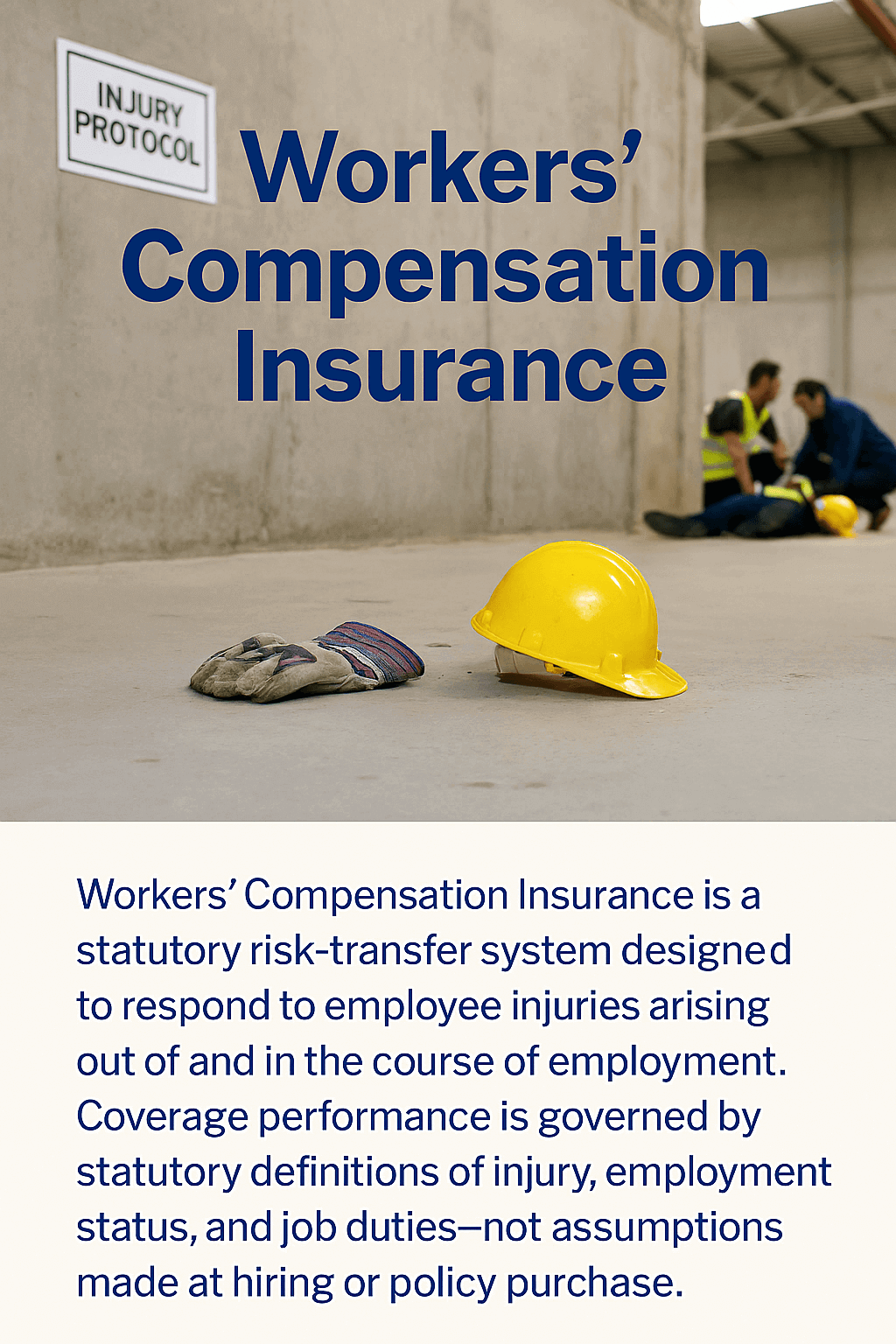
Workers’ compensation is a statutory requirement for nearly every employer in the United States. Unlike health insurance, which is a contract between an individual (or employer) and an insurance company for general wellness, workers' comp is a legal framework designed to protect both the employee and the employer from the financial ruin of workplace accidents.
The No-Fault Framework
The foundational principle of workers' compensation is that it is a no-fault system. This means an employee does not have to prove that the employer was negligent to receive benefits. In exchange for this guaranteed coverage, employees generally waive their right to sue the employer for damages related to the injury—a concept known as the "exclusive remedy."
Types of Workers’ Compensation Benefits
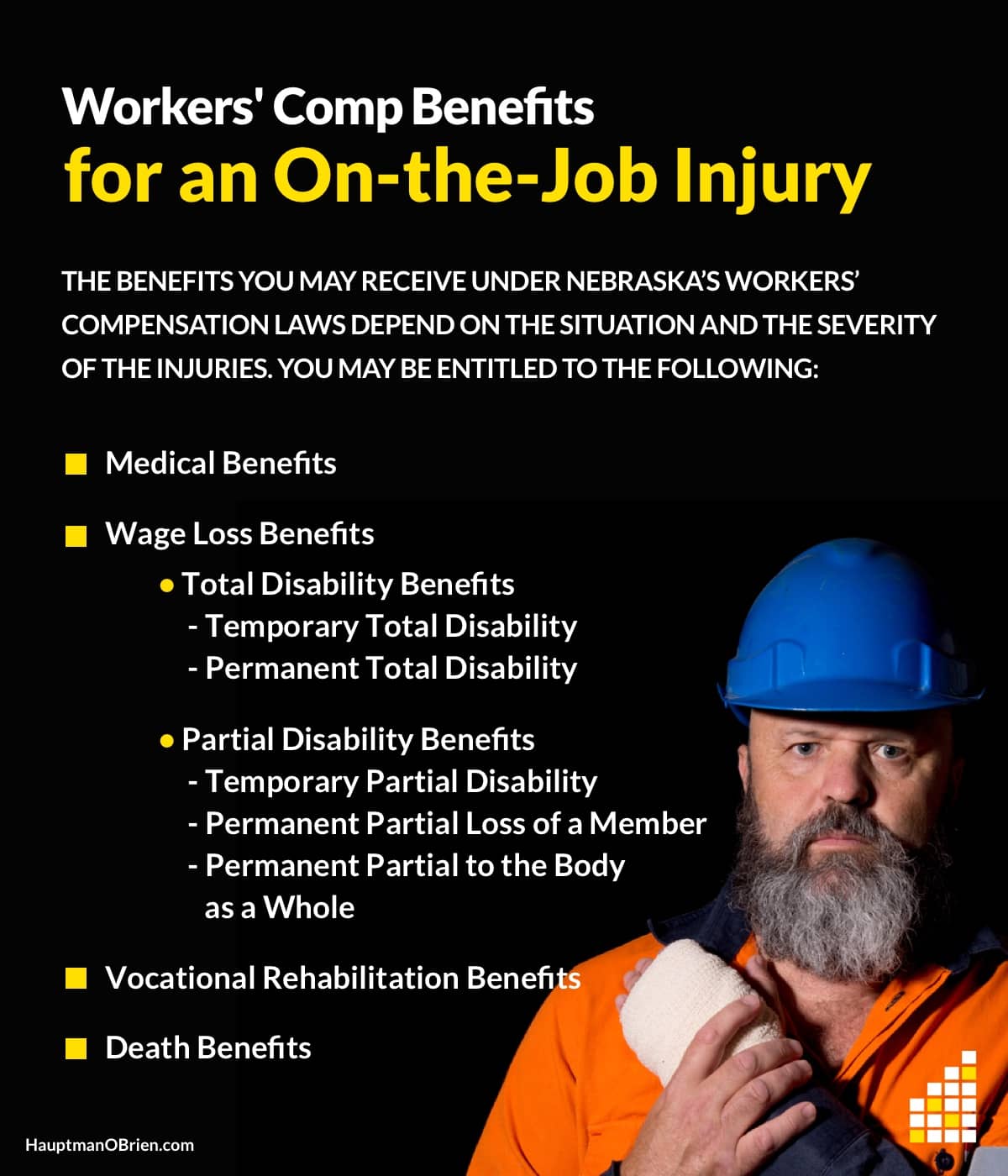
Workers' compensation is not a single "type" of insurance in the way health plans are; rather, it provides several distinct types of benefits depending on the severity of the injury:
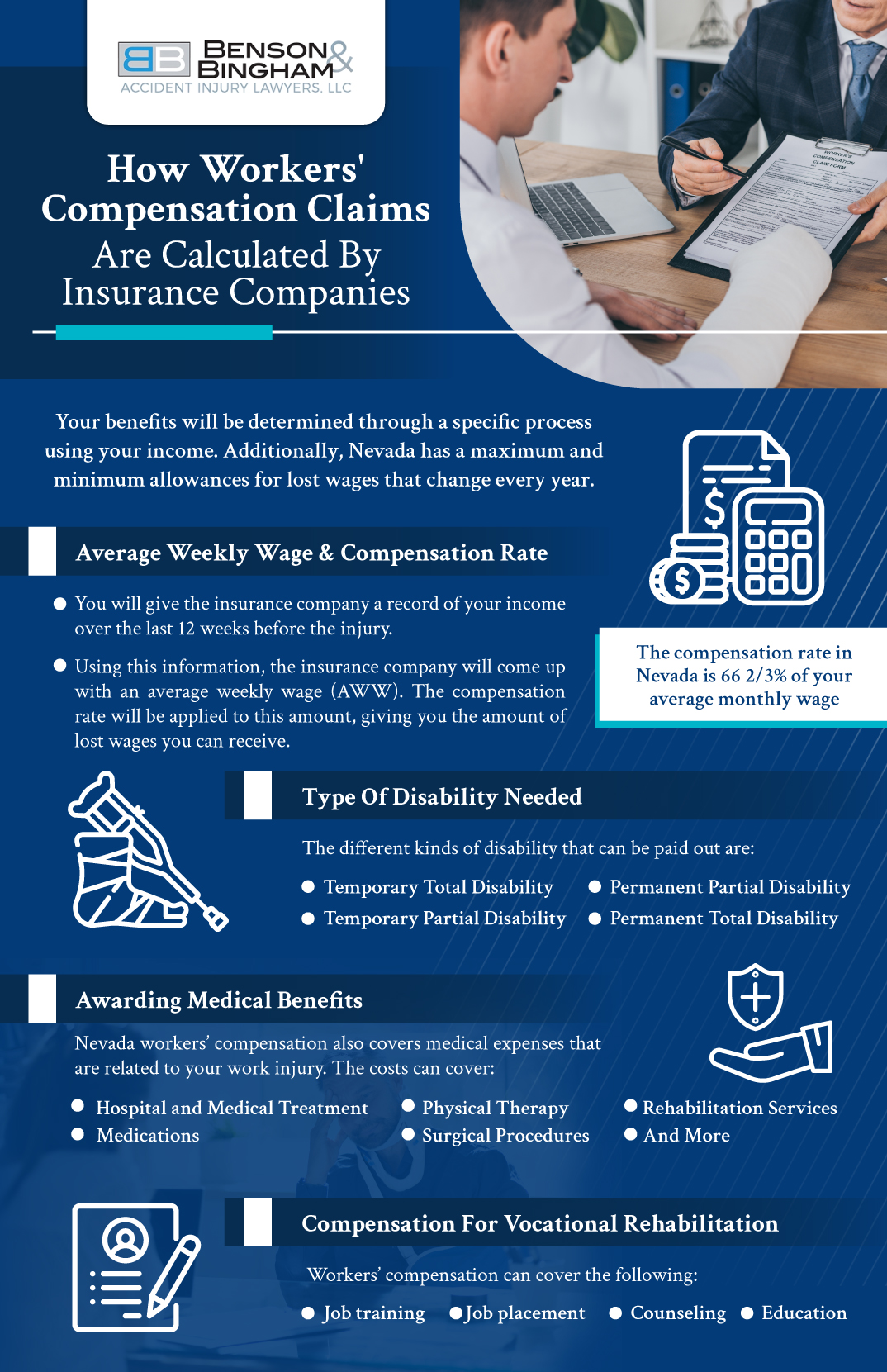
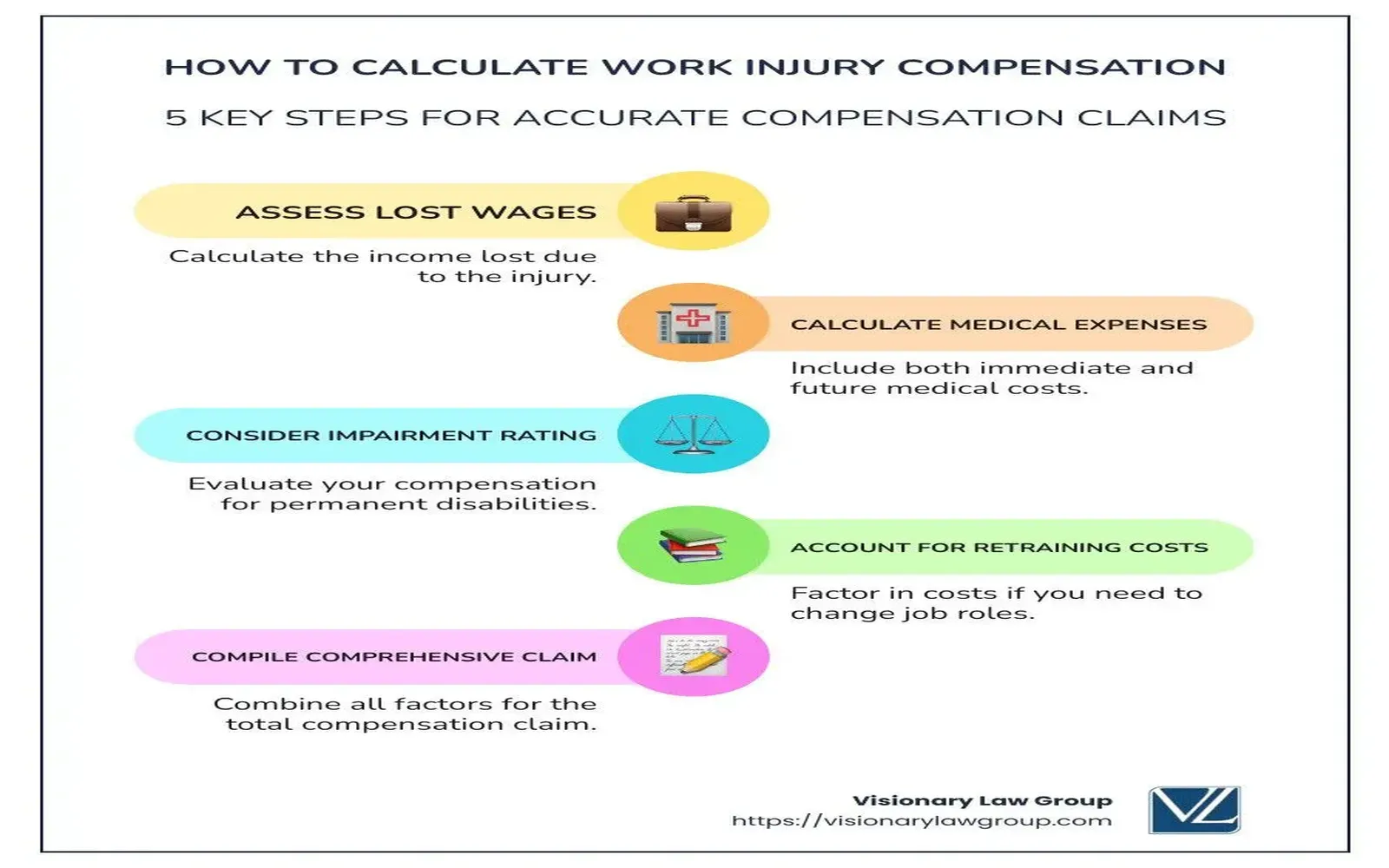
- Medical Benefits: Covers 100% of "reasonable and necessary" medical treatments related to the workplace injury. This includes surgeries, hospital stays, medications, and physical therapy. Unlike health insurance, there are typically no copays or deductibles for the injured worker.
- Income Replacement (Indemnity): If an employee cannot work while recovering, they receive a portion of their lost wages. In most states, this is calculated as roughly two-thirds (66.67%) of their average weekly wage, up to a state-mandated maximum.
- Permanent Disability: If an injury results in a lasting impairment (e.g., loss of a limb or chronic back issues), the worker may receive a lump sum or ongoing payments based on the degree of disability.
- Vocational Rehabilitation: If a worker cannot return to their previous role, workers' comp may pay for retraining or job placement services.
- Death Benefits: If a workplace accident is fatal, the system provides financial support to the surviving dependents and covers funeral expenses.
Employer Coverage Models
While the benefits to the employee remain relatively consistent, the "type" of workers' comp policy an employer holds can vary:
- Standard Commercial Policy: The employer pays premiums to a private insurance company.
- Self-Insurance: Large corporations with significant assets may "self-insure," meaning they pay claims out of their own pockets but must post a bond or meet strict state regulatory requirements.
- State Funds: In some states, employers must purchase insurance through a state-operated fund rather than the private market.
Key Differences: Health Insurance vs. Workers’ Compensation
While both systems pay for medical care, they operate under entirely different legal and financial rules. The following table highlights the critical distinctions that affect coverage in 2026.
| Feature | Health Insurance | Workers’ Compensation |
|---|---|---|
| Primary Purpose | General health and preventative care | Work-related injury or illness only |
| Who Pays Premiums? | Employee and/or Employer | Employer only (100%) |
| Cost Sharing | Deductibles, Copays, and Coinsurance | None (0% cost to employee) |
| Wage Replacement | Rarely (requires separate disability policy) | Yes (Standard benefit) |
| Provider Choice | Limited by network (HMO/PPO/EPO) | Often restricted to employer-chosen doctors |
| Benefit Duration | As long as premiums are paid | Until "Maximum Medical Improvement" (MMI) |
| Governing Law | Federal (ERISA/ACA) and State | State-specific statutes |
The Critical Intersection: What Happens When Claims Overlap?
A common point of confusion occurs when an employee is injured at work but attempts to use their personal health insurance for treatment. In almost all jurisdictions, workers' compensation is the primary payer for work-related injuries.
The Problem of Coordination of Benefits
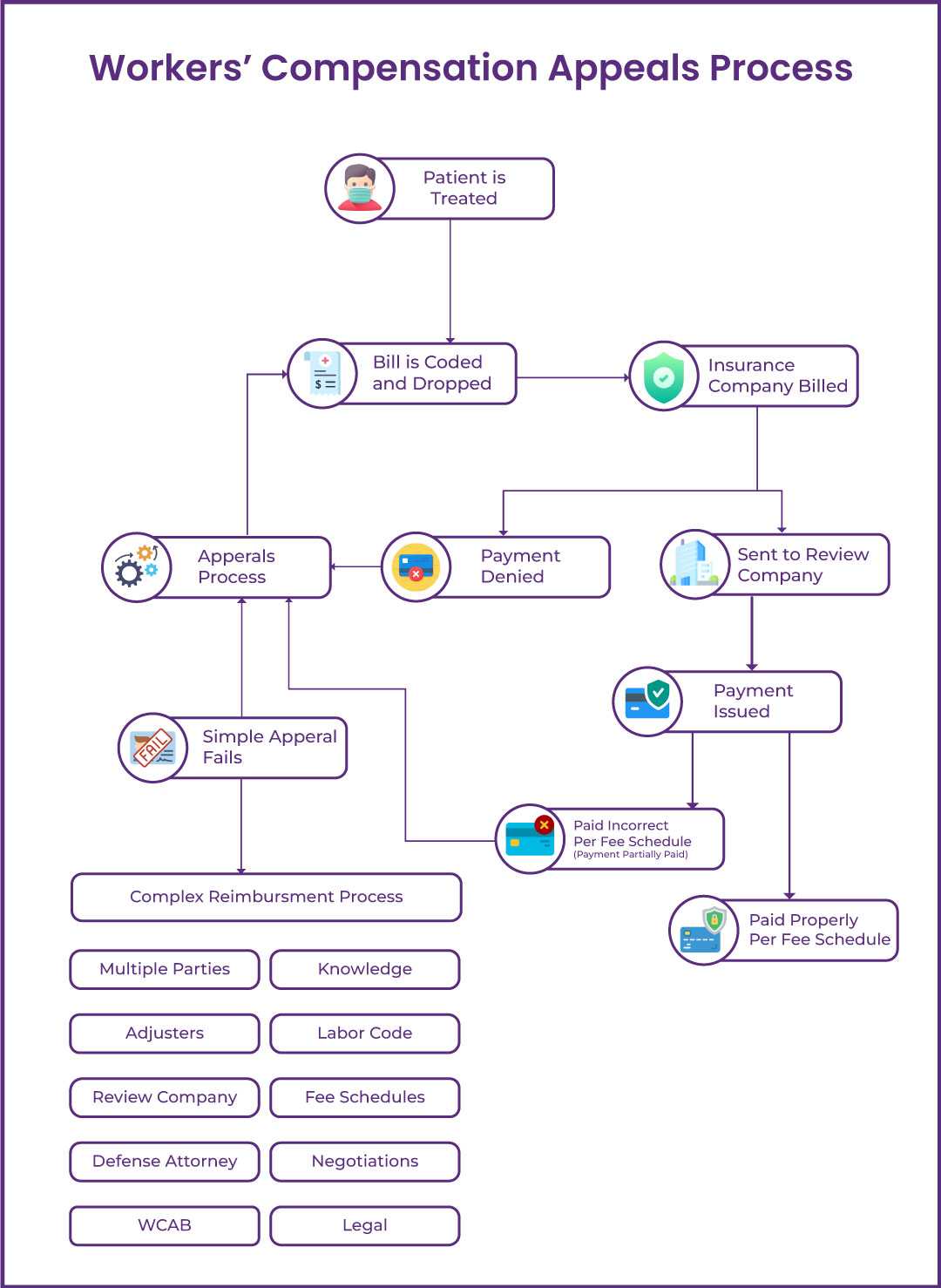
If you present your health insurance card at an urgent care facility for a workplace injury, the health insurer may initially pay the claim. However, if they discover the injury happened on the clock, they will likely "subrogate" the claim. Subrogation is the legal process where the health insurer seeks reimbursement from the workers' compensation carrier.
If a workers' compensation claim is denied, the individual may then turn to their health insurance. If the denial is later overturned by a judge or board, the health insurer will again seek reimbursement. It is vital to report workplace injuries to the employer immediately to ensure the correct insurance path is triggered from day one.
Remote Work Challenges in 2026
In 2026, the lines between home and office remain blurred for many. Courts have generally held that if a remote worker is "in the course of employment" when an injury occurs (e.g., tripping over a cord while walking to a printer), it is a workers' compensation claim. However, if the injury occurs while performing household chores during a break, health insurance would be the appropriate coverage.
Selecting and Managing Coverage
For individuals and business owners, managing these two types of insurance requires a proactive approach.
For Employees:
- Verify Your Network: Before an emergency happens, know which hospitals and doctors are in your health insurance network. Check the latest 2026 provider directories, as networks frequently change at the start of the year.
- Document Everything: If injured at work, record the time, location, and nature of the incident. This documentation is the bedrock of a successful workers' comp claim.
- Understand Disability: Recognize that health insurance does not replace your paycheck. Consider a supplemental Short-Term Disability (STD) policy if your employer’s workers' comp benefits are the only wage protection you have.
For Employers:
- Compliance: Ensure your workers' comp coverage meets the specific requirements of every state where you have employees, especially with the rise of multi-state remote work.
- Safety Programs: Implementing robust safety protocols can lower your "experience modifier," which directly reduces your workers' comp premiums.
- Education: Clearly explain to employees the difference between their health benefits and their rights under workers' compensation to avoid confusion during a crisis.
Frequently Asked Questions
Can I choose my own doctor for a workers' compensation claim?
This depends entirely on your state's laws. Some states allow employees to see any doctor within a managed care network, while others (like California or Pennsylvania) allow the employer to provide a "panel" of authorized physicians for the initial 30 to 90 days of treatment. After that period, you may have more freedom to switch. Always check your state's Department of Labor guidelines.
Does health insurance cover me if my workers' comp claim is denied?
Yes, generally. If a workers' compensation carrier issues a formal denial, your health insurance carrier should process the medical claims. However, they will not provide the wage replacement (indemnity) benefits that workers' comp offers. If you eventually win a legal challenge against the denial, the health insurer will likely be reimbursed by the workers' comp company.
Is the self-employed population required to have workers' compensation?
In most states, sole proprietors and independent contractors are not legally required to carry workers' compensation for themselves, though they must have it for any employees they hire. However, many self-employed individuals choose to purchase a "ghost policy" or a voluntary workers' comp policy because general health insurance often excludes injuries sustained during commercial activities.
How does the 2026 HSA limit affect my health insurance choice?
For 2026, the IRS has increased the maximum contribution to HSAs (approximately $4,300 for individuals and $8,550 for families). If you are considering an HDHP to save on premiums, these higher limits allow you to shield more income from taxes to pay for medical expenses that aren't covered by workers' comp or your standard health plan.
Can an employer fire me for filing a workers' compensation claim?
Most states have strict "anti-retaliation" laws that prohibit an employer from firing or discriminating against an employee simply for filing a claim. However, workers' compensation does not provide absolute job security. If an employer can prove the termination was due to a legitimate business reason (like a layoff or performance issues unrelated to the injury), it may be legal.
Strategic Recommendation
To ensure total protection in 2026, do not view health insurance and workers' compensation as interchangeable. Maintain a comprehensive health insurance plan (like a PPO or a well-funded HDHP) for your general wellness and preventative needs. Simultaneously, ensure you (or your employer) are fully compliant with state workers' compensation laws to protect against the specific, and often more costly, risks of the workplace. For those who are self-employed or high-earners, adding a private disability insurance policy is the final step in bridging the gap between medical coverage and wage security.
Image Gallery