Navigating the Companion Life Pivot Health Insurance Claim Process in 2026
To complete a Companion Life Pivot Health insurance claim in 2026, you must submit an itemized bill (CMS-1500 or UB-04) through the Pivot Health member portal or via the designated Third-Party Administrator (TPA), often Allied National...
To complete a Companion Life Pivot Health insurance claim in 2026, you must submit an itemized bill (CMS-1500 or UB-04) through the Pivot Health member portal or via the designated Third-Party Administrator (TPA), often Allied National. While in-network providers usually file directly, manual submissions require a completed claim form and proof of payment.
Contents
Understanding the Relationship Between Pivot Health and Companion Life
Before initiating a claim, it is essential to understand the organizational structure of your coverage. Pivot Health is not the insurance company itself; rather, it is a program manager and a brand of HealthCare.com that designs and markets insurance products. Companion Life Insurance Company serves as the underwriter, the entity that carries the financial risk and provides the actual insurance backing.
In the 2026 insurance landscape, these two entities collaborate to offer short-term medical (STM) plans, fixed indemnity coverage, and supplemental health products. Because Pivot Health utilizes various administrators to handle the day-to-day operations, your claim might be processed by a Third-Party Administrator (TPA) like Allied National. Identifying the specific TPA listed on your member ID card is the first and most critical step in ensuring your claim reaches the correct office for adjudication.
The claims process for Companion Life products sold through Pivot Health is governed by the specific terms of the policy, which often differ significantly from standard Affordable Care Act (ACA) plans. Short-term and indemnity plans are generally not "minimum essential coverage," meaning the claims process involves rigorous verification of medical necessity and eligibility, particularly regarding pre-existing conditions.
Prerequisites for Filing a Claim
Efficiency in claim processing depends heavily on the preparation of documentation. Before you or your provider contact the claims department, ensure you have the following information readily available:
- Member ID Number: Found on your 2026 digital or physical ID card.
- Group Number: This identifies the specific plan design underwritten by Companion Life.
- Itemized Medical Bill: A summary receipt is insufficient. You require a bill that includes CPT codes (Current Procedural Terminology) for services rendered and ICD-10 codes for diagnoses.
- Provider Information: The National Provider Identifier (NPI) number, Tax ID, and mailing address of the facility or doctor.
- Proof of Payment: If you paid out-of-pocket at the time of service and are seeking reimbursement, keep a copy of the credit card receipt or canceled check.
In 2026, most Pivot Health members use a centralized digital dashboard to access these details. It is advisable to download a PDF copy of your "Certificate of Insurance" from the portal, as this document outlines the specific "Exclusions and Limitations" that the claims adjuster will use to evaluate your submission.
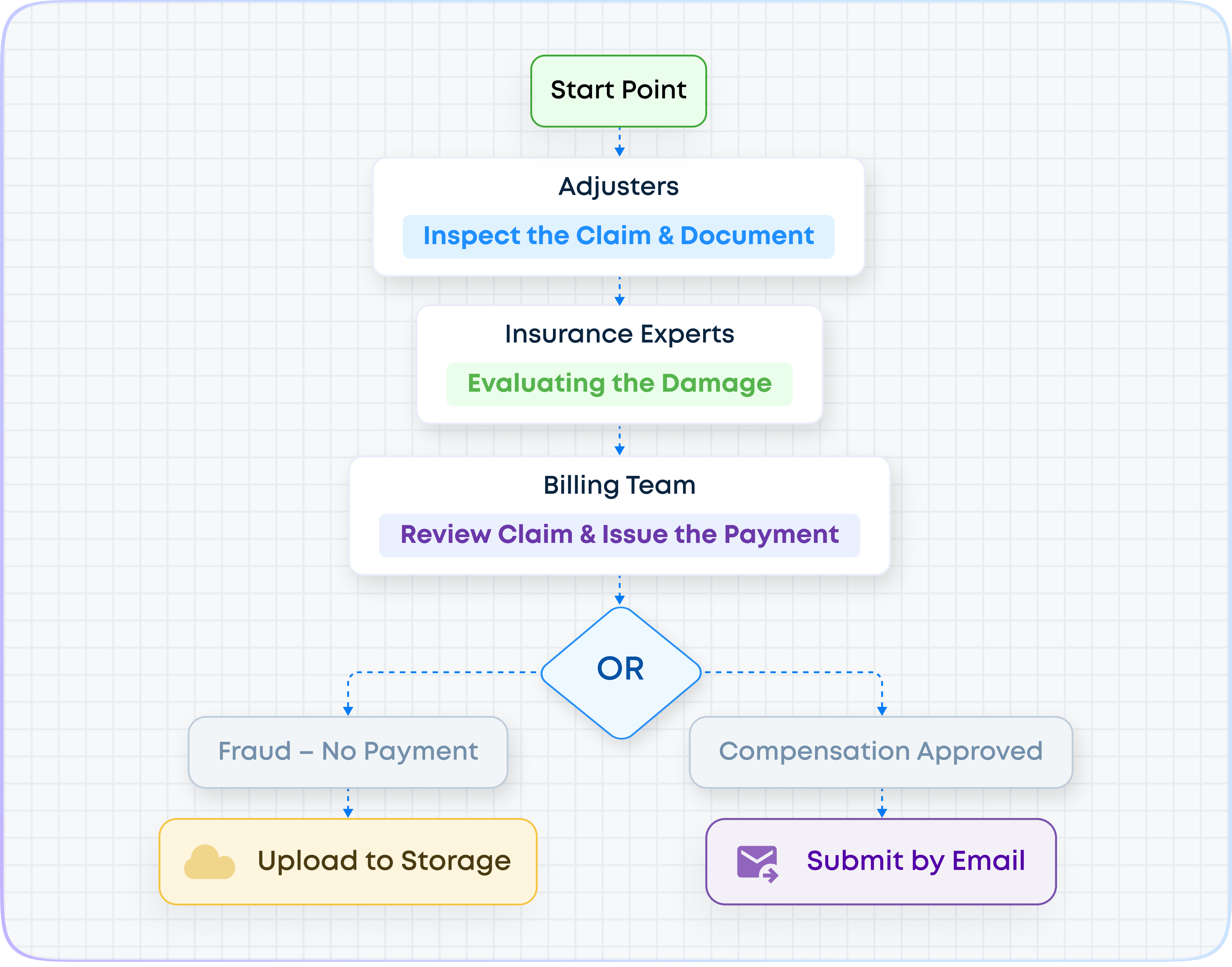
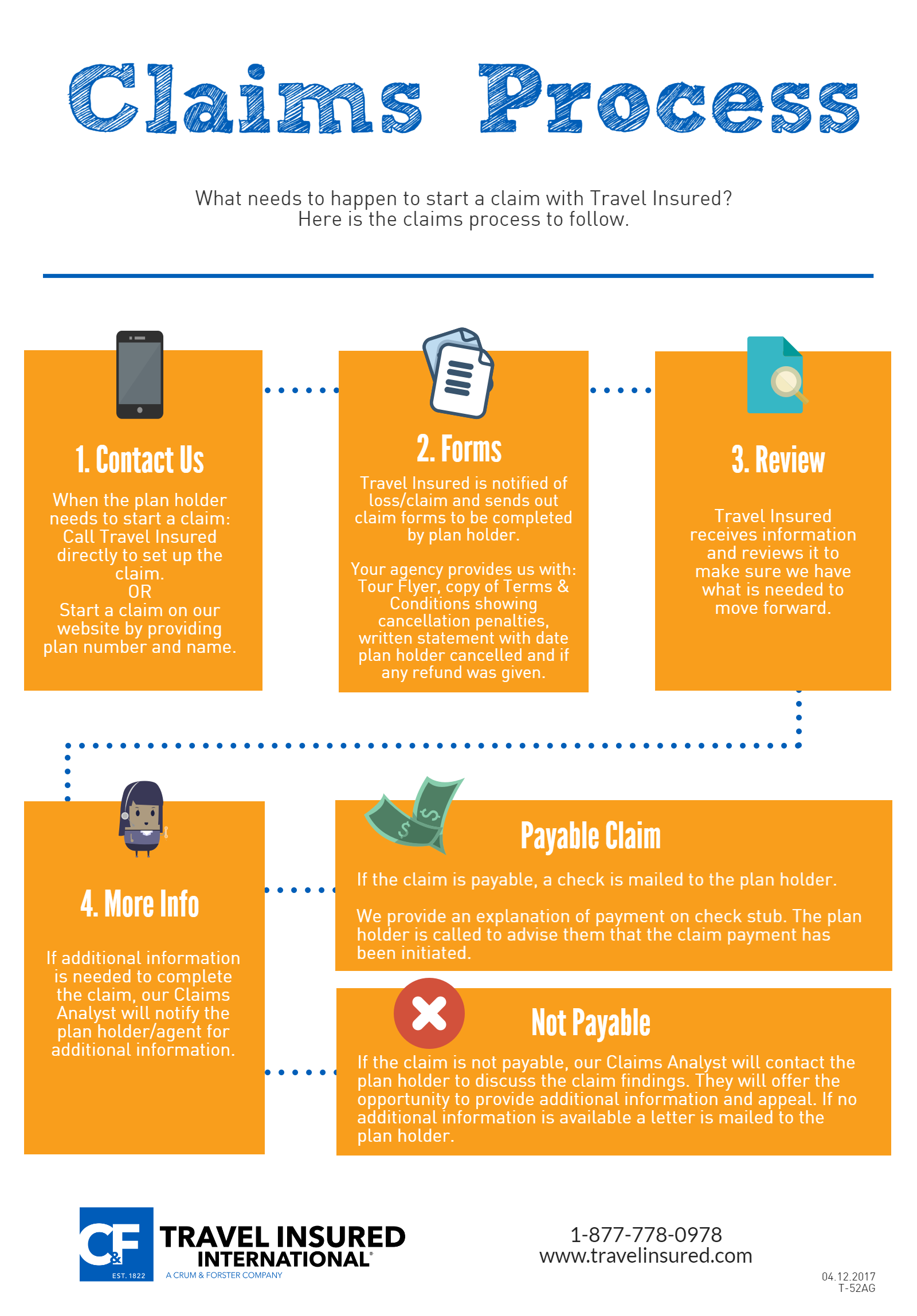
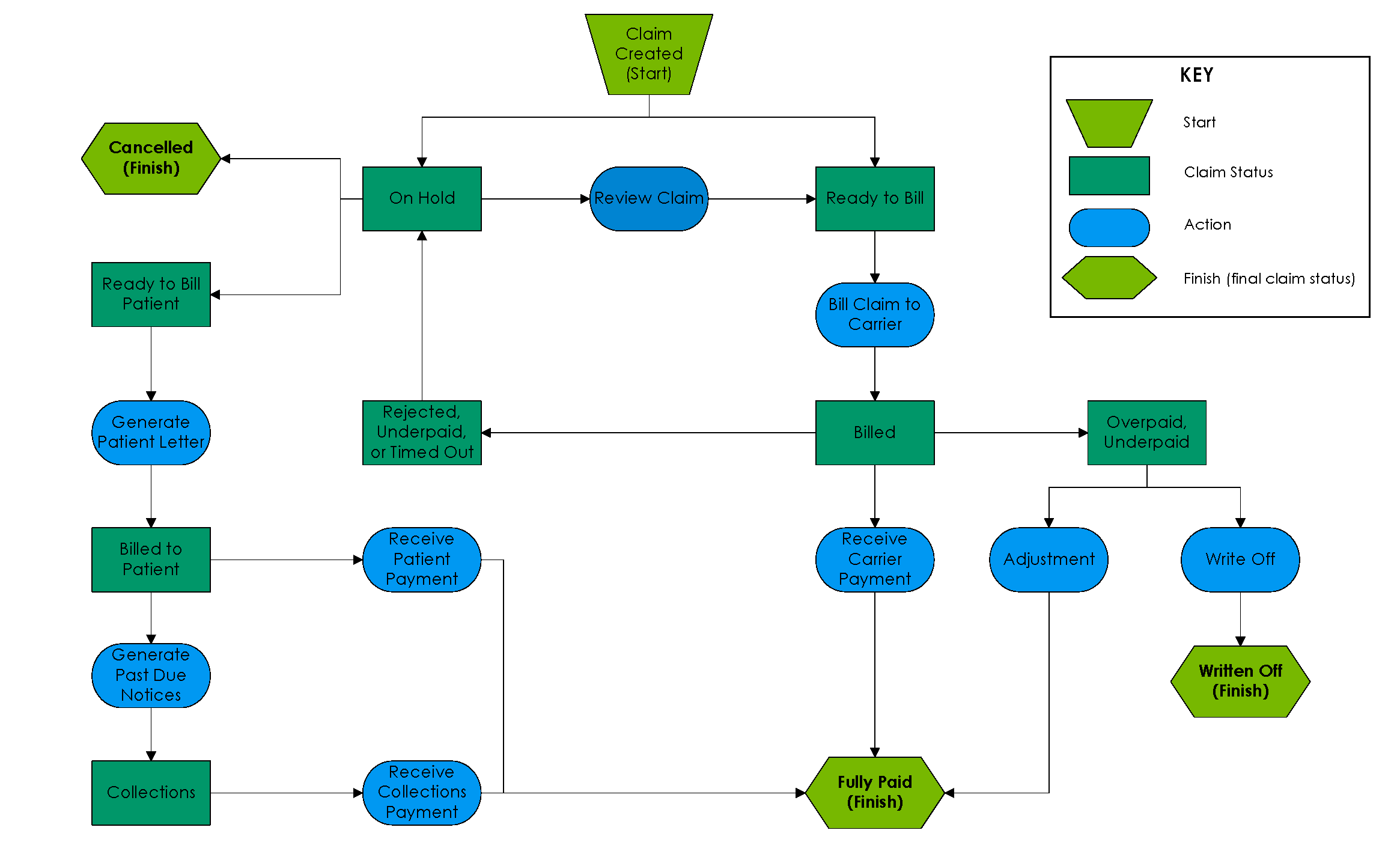
The Step-by-Step Claim Submission Process
The path a claim takes depends on whether your healthcare provider is "In-Network" or "Out-of-Network." Most Pivot Health plans underwritten by Companion Life utilize large national PPO networks, such as Cigna or UnitedHealthcare, to provide members with discounted rates.
Step 1: Provider-Initiated Claims (In-Network)
When you visit an in-network provider, show your ID card. The provider is contractually obligated to file the claim on your behalf. They will send the data electronically to the TPA. In this scenario, your primary responsibility is to monitor the Explanation of Benefits (EOB) that arrives after the claim is processed to ensure the "Contracted Rate" was applied correctly.
Step 2: Member-Initiated Claims (Out-of-Network)
If you see a provider who does not accept your insurance or if you are using a fixed indemnity plan where you pay upfront, you must file the claim manually. Navigate to the Pivot Health member portal and download the "Member Claim Form." Complete all sections, ensuring your policy number matches the underwriter’s records (Companion Life).
Step 3: Attaching Required Forms
For medical services, you must attach an official CMS-1500 form (for professional services) or a UB-04 form (for institutional/hospital services). These are standard industry forms that providers can generate upon request. Manual "narrative" letters from doctors are rarely accepted by Companion Life without these standardized forms.
Step 4: Submission Channels
In 2026, you have three primary methods for submission:
- Online Portal: The fastest method, allowing for direct PDF uploads and immediate timestamping.
- Email: Secure encrypted email addresses provided on the back of the ID card.
- Standard Mail: The traditional route, though it may add 7–10 business days to the processing time.
Documentation and Evidence Requirements
Companion Life requires "Proof of Loss" within a specific timeframe, usually 90 days after the date of service, though this can vary by state jurisdiction. If you fail to submit documentation within this window, the claim may be denied for "timely filing" violations.
Beyond the standard bill, Companion Life often requests Medical Records for the first claim filed under a new policy. This is part of the "underwriting at the time of claim" process common in short-term medical insurance. The claims department reviews these records to determine if the condition was "pre-existing." A pre-existing condition is generally defined as any illness or injury for which you received medical advice, diagnosis, care, or treatment within a look-back period (often 12 to 60 months prior to the policy effective date).
| Feature | Online Portal Submission | Mail/Paper Submission |
|---|---|---|
| Processing Speed | Fast (typically 10-15 days) | Moderate (21-30 days) |
| Tracking Ability | Real-time status updates | Limited (via phone support) |
| Documentation | Digital PDF/JPEG uploads | Physical copies required |
| Error Reduction | System flags missing fields | High risk of manual entry errors |
| Best For | Routine medical claims | Complex historical records |
Understanding the Explanation of Benefits (EOB)
Once Companion Life processes your claim, they will issue an Explanation of Benefits (EOB). It is vital to understand that an EOB is not a bill. It is a document detailing how the insurance company handled the claim.
The EOB will break down:
- Billed Amount: What the doctor charged.
- Allowed Amount: The maximum amount Companion Life will pay for that service based on the PPO network or "Reasonable and Customary" (R&C) charges.
- Discount: The amount saved by using an in-network provider.
- Deductible/Coinsurance: The portion you owe based on your policy's cost-sharing structure.
- Paid Amount: What Companion Life sent to the provider.
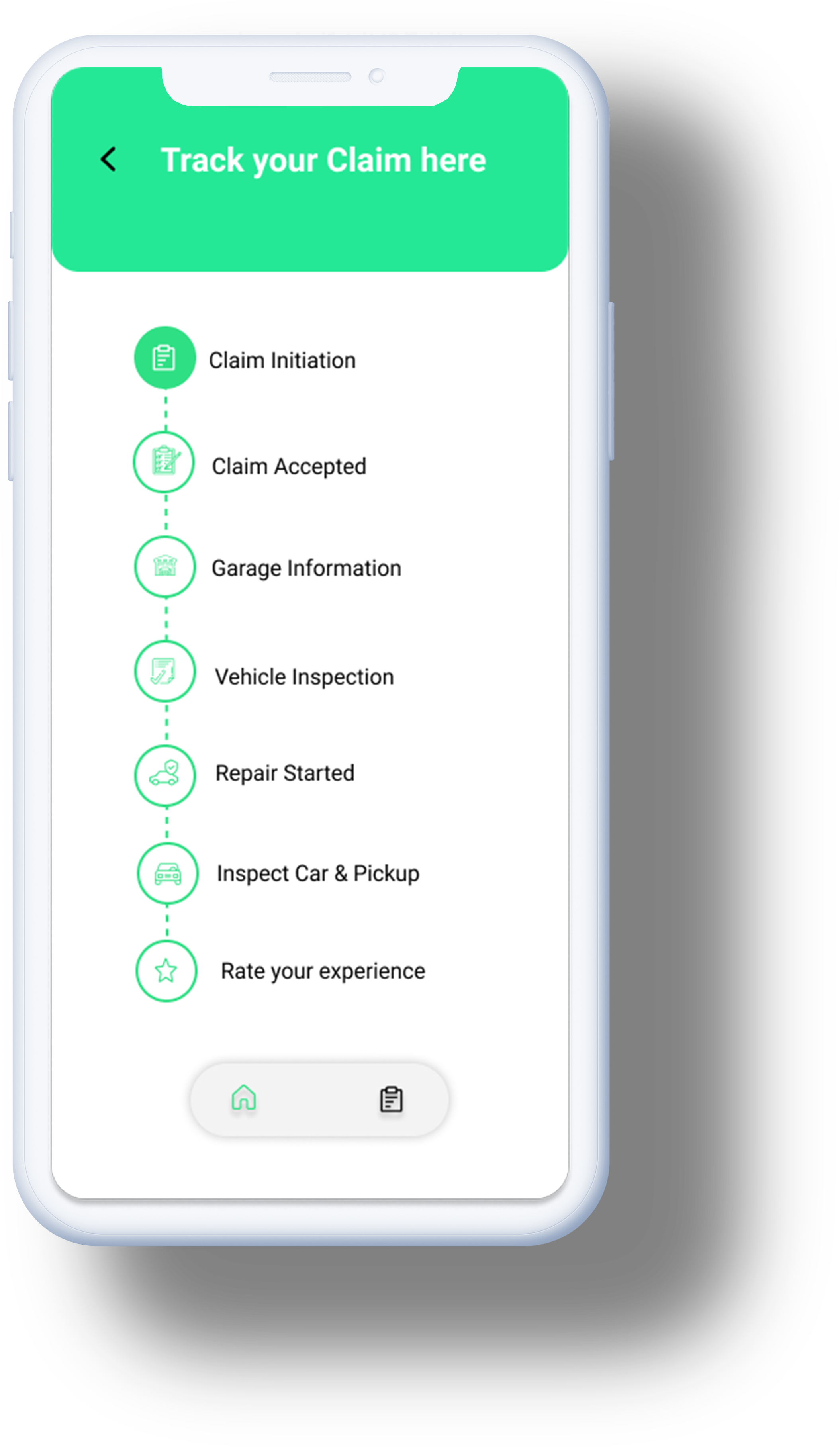
If the EOB shows a "Denial Code," look at the notes section at the bottom. Common codes include "Information Requested from Member" or "Duplicate Claim." If information is requested, the claim will remain "Pending" and will not be paid until you provide the necessary details (such as a Coordination of Benefits form).
Common Reasons for Claim Denials
Denials are a common friction point in the Companion Life Pivot Health claim process, particularly because these plans are often medically underwritten or have specific exclusions.
Pre-existing Condition Exclusions
This is the most frequent cause of denial for short-term medical plans. If you seek treatment for a chronic issue shortly after your policy begins, Companion Life will investigate your medical history. If the records indicate the condition existed during the look-back period, the claim will be denied, and you will be responsible for the full bill.
Non-Covered Services
Pivot Health plans often exclude specific categories such as maternity care, mental health services, or outpatient prescription drugs, depending on the plan level chosen. Review your "Schedule of Benefits" to verify that the service you received is a covered expense under the Companion Life master policy.
Lack of Prior Authorization
Certain procedures, such as MRIs, CT scans, or planned inpatient surgeries, require Prior Authorization. If you or your provider fails to obtain this authorization from the TPA before the service is performed, Companion Life may apply a financial penalty or deny the claim entirely.
How to Appeal a Denied Claim
If your claim is denied, you have the legal right to an appeal. The process for 2026 remains standardized under state insurance regulations.
- Review the Denial Letter: Companion Life must provide a written explanation of why the claim was not paid.
- Gather New Evidence: If the denial was due to a pre-existing condition, obtain a letter from your physician stating that the condition is new and not related to prior medical history.
- Submit a Formal Appeal: Write a clear letter including your policy number, claim number, and the specific reasons why you believe the denial was incorrect.
- External Review: If the internal appeal with Companion Life/Allied National is unsuccessful, you may be eligible for an external review by an independent third party or your state’s Department of Insurance.
For more information on consumer rights regarding health insurance appeals, you can visit the National Association of Insurance Commissioners (NAIC).
Troubleshooting and Contact Information
If you experience delays, the best course of action is to contact the administrator listed on your ID card. While Pivot Health provides the sales and marketing interface, the Allied National or Companion Life claims departments handle the actual money.
- Pivot Health Member Services: For portal login issues or to find a copy of your ID card.
- Allied National (or designated TPA): For specific questions about a claim's status, EOB explanations, or coordination of benefits.
- Companion Life Corporate: Generally only contacted for formal grievances or high-level underwriting disputes.
When calling, always document the date, the name of the representative you spoke with, and a reference number for the call. This documentation is invaluable if you need to escalate the issue later.
Frequently Asked Questions
How long does it take for Companion Life to pay a claim? In 2026, most clean claims (claims submitted with all required information) are processed within 14 to 30 days. Electronic submissions via the Pivot Health portal are typically processed faster than paper claims. If additional medical records are required, the timeline can extend to 45 or 60 days.
Can I use any doctor with a Pivot Health plan? While many Pivot Health plans utilize PPO networks like Cigna, they often allow you to see any provider. However, if you see an out-of-network provider, you will likely have to pay the full cost upfront and file a claim for reimbursement. Furthermore, out-of-network providers may "balance bill" you for the difference between their charge and what Companion Life pays.
What is the difference between a claim for "Short-Term Medical" and "Fixed Indemnity"? In a Short-Term Medical claim, Companion Life pays a percentage of the bill after you meet your deductible. In a Fixed Indemnity claim, Companion Life pays a specific, set dollar amount for a specific service (e.g., $200 for an office visit), regardless of what the doctor actually charges. The claim forms are similar, but the payout structure differs.
What should I do if my provider refuses to file a claim with Companion Life? Some providers may not recognize the "Pivot Health" or "Companion Life" name. If they refuse to file, ask for an itemized bill (CMS-1500) and submit it yourself through the member portal. You may need to pay the provider at the time of service and receive the insurance check as a reimbursement.
Practical Recommendation
To ensure the smoothest claim process with Companion Life and Pivot Health in 2026, always verify your network status before receiving care. If you must use an out-of-network provider, request a CMS-1500 form before leaving the office. Most claim delays are caused by missing diagnosis codes or missing policy information; double-checking these details on your digital portal before submission will significantly reduce the likelihood of a denial or request for more information.
Image Gallery