The Minimum Auto Insurance Liability for KY Residents Explained
Kentucky residents must maintain specific levels of auto insurance coverage to legally operate a motor vehicle on the Commonwealth’s roadways. As of 2026, the state-mandated minimum liability requirements follow a "25/50/25" structure:...
Kentucky residents must maintain specific levels of auto insurance coverage to legally operate a motor vehicle on the Commonwealth’s roadways. As of 2026, the state-mandated minimum liability requirements follow a "25/50/25" structure: $25,000 for bodily injury per person, $50,000 for total bodily injury per accident, and $25,000 for property damage. Additionally, Kentucky's unique "Choice No-Fault" system requires $10,000 in Personal Injury Protection (PIP) unless a resident formally rejects it in writing.
Contents
Navigating insurance laws in Kentucky requires more than just knowing three numbers. Because Kentucky is one of the few states that operates under a "choice" no-fault system, the interaction between your liability coverage and your right to sue for damages is complex. This guide provides a deep dive into the legal requirements, the financial implications of "minimum-only" coverage, and the specific procedures for maintaining compliance with the Kentucky Department of Insurance.
Breakdown of Kentucky’s Minimum Liability Requirements
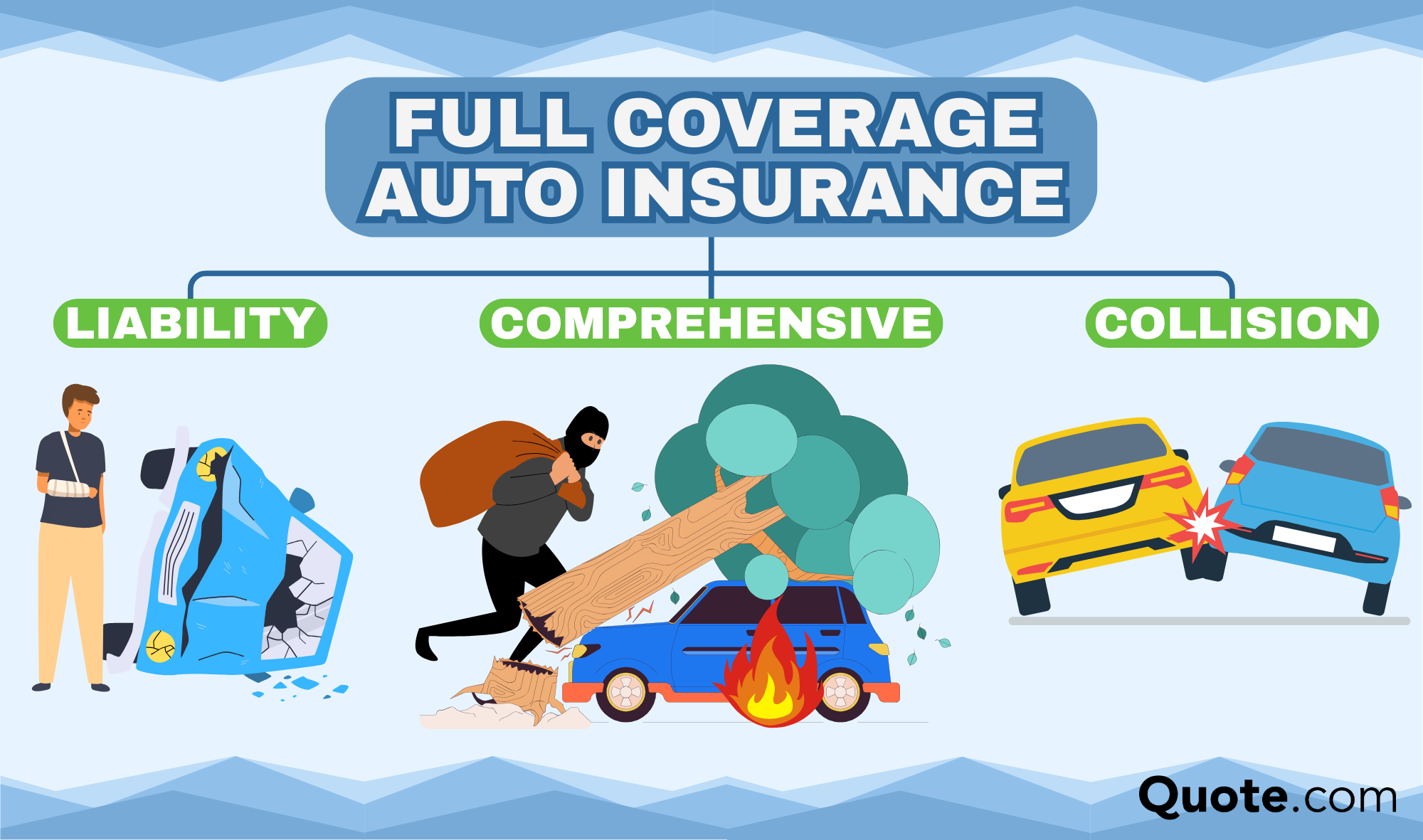
In Kentucky, liability insurance is designed to pay for the injuries or property damage you cause to others in an at-fault accident. It does not cover your own injuries or your own vehicle’s repairs; those are handled by Personal Injury Protection (PIP), collision, or comprehensive coverages. The Commonwealth allows two different ways to satisfy the liability requirement: split limits or a combined single limit.
1. The Split Limit Requirement (25/50/25)
Most Kentucky drivers opt for split-limit policies. These policies have three distinct caps on what the insurance company will pay:
- $25,000 for Bodily Injury per Person: This is the maximum amount your insurer will pay for the medical expenses, lost wages, or funeral costs of a single person injured in an accident where you are at fault.
- $50,000 for Total Bodily Injury per Accident: This is the aggregate limit. Regardless of how many people are injured, the policy will not pay more than $50,000 total for all bodily injury claims arising from one collision.
- $25,000 for Property Damage per Accident: This covers damage to the other party's vehicle, buildings, fences, or other personal property.
2. The Combined Single Limit (CSL) Alternative
Kentucky law also permits drivers to carry a single-limit policy. To be legal in 2026, a CSL policy must have a minimum limit of $60,000. This provides more flexibility than split limits. For example, if you cause $55,000 in property damage but no bodily injuries, a CSL policy would cover the entire amount, whereas a standard 25/50/25 policy would only pay $25,000 for the property damage, leaving you personally liable for the remaining $30,000.
Personal Injury Protection (PIP) and the No-Fault System
Kentucky is a "Choice No-Fault" state under KRS 304.39. This is one of the most misunderstood aspects of the state’s insurance landscape. By default, every auto insurance policy issued in Kentucky includes $10,000 in Basic Personal Injury Protection (PIP).
How PIP Functions
PIP covers "out-of-pocket" expenses such as medical bills, lost wages (up to $200 per week), and replacement services for you and your passengers, regardless of who caused the accident. This "No-Fault" component is intended to ensure that minor injuries are treated quickly without the need for lengthy litigation to determine liability.
The Trade-off: Limitation on Tort Rights
By accepting the $10,000 PIP coverage, Kentucky residents effectively trade away some of their rights to sue other drivers. You cannot sue another driver for "pain and suffering" unless your medical expenses exceed $1,000 or you suffer a specific type of serious injury (such as a fracture, permanent disfigurement, or death).
The Option to Reject PIP
Residents have the right to reject PIP coverage and the associated limitations on their tort rights. To do this, you must file a specific "No-Fault Rejection Form" with the Kentucky Department of Insurance. If you reject PIP:
- You retain the right to sue for any amount of damages, even for minor injuries.
- You can be sued by others for any amount, even if their medical bills are under $1,000.
- You must still carry the minimum 25/50/25 liability coverage.
- You will generally not have immediate coverage for your own medical bills unless you have health insurance or separate "Guest PIP" for your passengers.
Comparison of Coverage Types in Kentucky
| Coverage Type | Required? | Minimum Limit (2026) | Purpose |
|---|---|---|---|
| Bodily Injury Liability | Yes | $25,000 / $50,000 | Pays for others' injuries when you are at fault. |
| Property Damage Liability | Yes | $25,000 | Pays for others' property when you are at fault. |
| Basic PIP (No-Fault) | Yes* | $10,000 | Pays your own medical/wage loss regardless of fault. |
| Uninsured Motorist (UM) | No** | Varies | Covers you if hit by a driver with no insurance. |
| Collision/Comprehensive | No*** | Actual Cash Value | Covers damage to your own vehicle. |
*Required unless a formal rejection is filed with the Department of Insurance.**Must be offered by the insurer but can be rejected by the policyholder.***Usually required by lienholders if the vehicle is financed or leased.
The Consequences of Driving Without Minimum Liability
Kentucky utilizes the Kentucky Online Insurance Verification System (KOIVS) to track compliance. Insurance companies are required to submit their policyholder data to the state monthly. If the system detects a registered vehicle without an active insurance policy, the Department of Insurance and the Department of Vehicle Regulation are notified.
Immediate Penalties
If caught driving without the 25/50/25 minimums, residents face several escalating penalties:
- Fines: Initial fines typically range from $500 to $1,000.
- License Suspension: Your driver’s license and vehicle registration can be suspended for up to one year or until proof of insurance is provided.
- Jail Time: For repeat offenders, Kentucky law allows for up to 90 days in county jail.
- Uninsured Collector’s Penalty: If you are in an accident while uninsured, you are personally liable for all damages, and you may be barred from collecting certain types of damages from the other party, even if they were at fault.
Long-Term Financial Impact
Beyond legal fines, a lapse in coverage places you in a "high-risk" category for future insurance. When you eventually seek to reinstate your policy, 2026 market data suggests that your premiums could increase by 30% to 100% due to the lapse.
Why Minimum Coverage May Be Insufficient in 2026
While carrying 25/50/25 coverage satisfies the legal requirement to drive in Kentucky, it often fails to provide adequate financial protection in a real-world accident.
Rising Medical and Repair Costs
The average cost of a new vehicle in 2026 frequently exceeds $50,000. If you cause an accident that totals a late-model SUV or a luxury sedan, your $25,000 property damage limit will be exhausted quickly. The vehicle owner or their insurance company can then sue you personally for the remaining balance, which could lead to wage garnishment or liens on your assets.
The Risk of Multiple Injuries
Similarly, the $50,000 per-accident bodily injury limit is easily surpassed if multiple people are hospitalized. A single ER visit and surgical procedure can easily exceed $25,000 per person. If you are at fault in an accident involving three or four injured parties, a "minimum" policy leaves a massive gap in coverage.
Recommendations for Better Protection
Most insurance experts recommend limits of at least 100/300/100. While this increases the monthly premium, it significantly reduces the risk of personal bankruptcy following a catastrophic accident. Residents with significant assets, such as a home or savings accounts, should also consider an Umbrella Policy, which provides an additional $1 million or more in liability protection.
Verification and Proof of Insurance
In Kentucky, you must be able to provide proof of insurance upon request by a peace officer or during a vehicle inspection. In 2026, the Kentucky Transportation Cabinet accepts both physical and digital insurance cards.
It is vital to ensure that the name on the insurance policy matches the name on the vehicle registration. If you move, you must notify your insurance company within 30 days to ensure your policy remains valid and that the KOIVS database reflects your current address. Failure to update this information can lead to "false positive" notifications of non-compliance from the state.
Frequently Asked Questions
Does Kentucky require Uninsured Motorist (UM) coverage?
Kentucky law requires insurance companies to offer Uninsured Motorist coverage with every liability policy, but it does not require residents to purchase it. However, given that a significant percentage of drivers remain uninsured despite the law, UM coverage is highly recommended. It protects you if you are hit by someone who has no insurance or by a hit-and-run driver.
Can I get a waiver for the PIP requirement?
There is no "waiver" that removes the requirement to have a plan for medical costs, but you can file a "No-Fault Rejection" form. This does not necessarily save you money on your premium, as many insurers will then require you to purchase higher guest-liability limits or other medical coverages to offset the risk.
What happens if I am a Kentucky resident but work in another state?
Kentucky’s 25/50/25 requirements apply to all vehicles registered in the Commonwealth. If you drive into a state with higher minimum requirements (such as a state requiring $50,000 in property damage), most modern insurance policies automatically "scale up" your coverage to meet that state’s minimums while you are traveling there. However, you must maintain Kentucky minimums to keep your KY registration valid.
Are the limits different for commercial vehicles or motorcycles?
Yes. Commercial vehicles and heavy trucks are subject to much higher federal and state liability requirements depending on the weight of the vehicle and the materials being transported. Motorcycles in Kentucky are unique because they are not required to carry PIP coverage, though they must still carry the 25/50/25 liability limits.
Does my minimum liability cover me if I drive a rental car?
Typically, yes. If you have a Kentucky auto policy with 25/50/25 limits, those liability limits usually "follow the driver" to a rental car within the United States. However, this only covers the damage you cause to others. It does not cover the damage to the rental car itself unless you have collision coverage or use a credit card that provides rental insurance.
Next Steps for Kentucky Residents
To ensure you are fully compliant with 2026 Kentucky law, you should take the following actions:
- Review your Declarations Page: Check your current limits to ensure they meet the 25/50/25 (or $60,000 CSL) threshold.
- Verify PIP Status: Confirm whether you have the standard $10,000 PIP or if a rejection is on file. If you have health insurance, talk to an agent about how these coverages interact.
- Audit Your Assets: If your net worth exceeds $50,000, consider increasing your liability limits beyond the state minimums to protect yourself from litigation.
- Download a Digital ID: Ensure you have the 2026 version of your insurance provider's mobile app for instant proof of coverage during traffic stops.
Note: This article provides general information regarding Kentucky insurance requirements as of 2026 and does not constitute legal or financial advice. Laws are subject to change by the Kentucky General Assembly.
Image Gallery