Clinical Guidelines for Male Urinary Catheterization: Procedure, Equipment, and Management
Male urinary catheterization is a clinical procedure where a flexible tube is inserted through the urethra into the bladder to facilitate urine drainage. It is primarily utilized for managing urinary retention, monitoring output in cri...
Male urinary catheterization is a clinical procedure where a flexible tube is inserted through the urethra into the bladder to facilitate urine drainage. It is primarily utilized for managing urinary retention, monitoring output in critically ill patients, or during surgical interventions. The procedure requires strict aseptic technique and an understanding of male urethral anatomy to prevent trauma and infection.
Contents
Understanding the Clinical Indications for Male Catheterization
In 2026, the clinical indications for urinary catheterization in male patients remain strictly governed by the necessity to balance therapeutic benefits against the risk of Catheter-Associated Urinary Tract Infections (CAUTI). Medical professionals categorize these indications into acute and chronic requirements.
Acute indications often involve urinary retention, where the patient is unable to void despite a full bladder, often due to Benign Prostatic Hyperplasia (BPH), blood clots, or neurological impairment. In emergency and critical care settings, a Foley catheter is essential for the precise hourly measurement of urine output, which serves as a vital indicator of renal perfusion and hemodynamic stability.
Surgical indications are equally prominent. Patients undergoing prolonged procedures, those receiving large volumes of intravenous fluids, or individuals undergoing urological or pelvic surgeries require catheterization to keep the bladder empty and out of the surgical field. Furthermore, catheterization may be used to deliver intravesical medications, such as chemotherapy for bladder cancer, or to perform diagnostic tests like cystograms. It is a fundamental principle of modern urology to remove the catheter as soon as the clinical indication is resolved to minimize the window for bacterial colonization.
Anatomical Considerations Specific to the Male Urethra
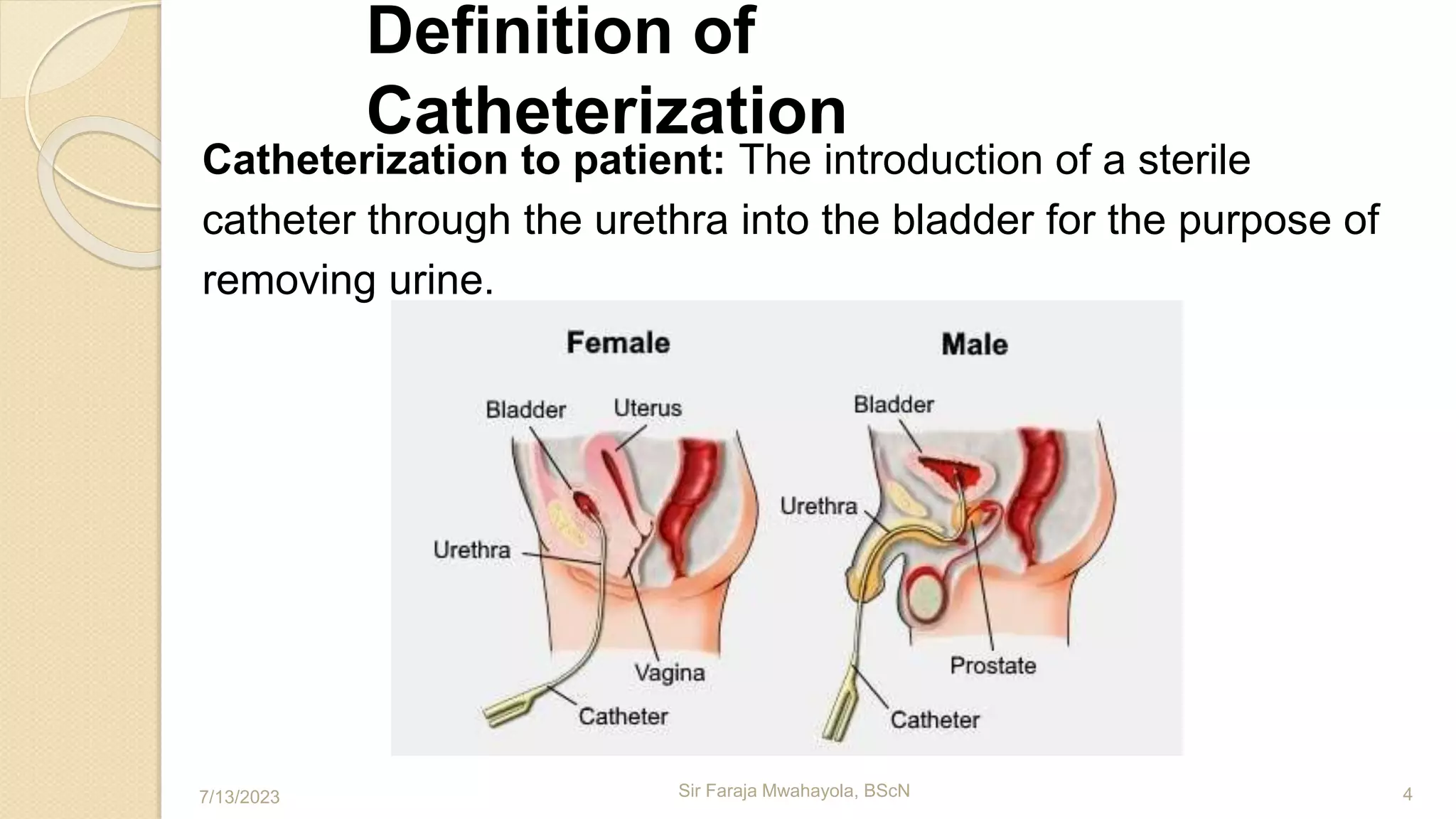
Successfully performing catheterization in male patients requires a deep understanding of the unique anatomical challenges compared to female patients. The male urethra is significantly longer, typically ranging from 18 to 22 cm, and features two natural curvatures.
The first curve is located at the junction of the penis and the scrotum (the penoscrotal junction), and the second occurs as the urethra passes through the urogenital diaphragm. During insertion, the clinician must neutralize the first curve by holding the penis at a 90-degree angle to the patient's body. This maneuver straightens the anatomy and facilitates a smoother passage for the catheter.
Another critical anatomical feature is the prostate gland. As men age, the prostate often enlarges, which can compress the prostatic urethra. This creates a point of resistance that requires specific techniques or specialized equipment, such as a Coudé tip catheter, to bypass. Understanding these landmarks—the meatus, the bulbar urethra, and the prostatic urethra—is essential for avoiding "false passages," which are traumatic ruptures of the urethral lining caused by forced insertion against resistance.
Selection of Equipment and Catheter Types
Selecting the correct catheter is a critical decision that influences both patient comfort and the success of the procedure. Catheters are sized according to the French (Fr) scale, where 1 Fr equals 0.33 mm. For the average adult male, a 14 Fr or 16 Fr catheter is standard. Using a catheter that is too large can cause urethral irritation and pressure necrosis, while one that is too small may allow urine to leak around the tube (bypassing) or may be too flimsy to pass through the prostatic urethra.
| Catheter Type | Tip Shape | Primary Use Case | Material Options |
|---|---|---|---|
| Straight (Nelaton) | Straight | Intermittent drainage; one-time sample collection. | PVC, Latex, or Silicone |
| Foley (Indwelling) | Straight | Long-term drainage; features a retention balloon. | Silicone-coated or 100% Silicone |
| Coudé Tip | Curved/Tapered | Bypassing prostatic obstruction or urethral strictures. | PVC or Silicone |
| Three-Way Foley | Straight | Continuous bladder irrigation (CBI) to clear clots. | Latex or Silicone |
| Antimicrobial | Straight | Patients at high risk for recurrent CAUTI. | Silver-alloy or Antibiotic-impregnated |
In 2026, 100% silicone catheters are preferred for long-term use (over 28 days) because they are less prone to encrustation and are biocompatible for patients with latex allergies. For male patients with known BPH, a Coudé tip catheter is often the primary choice. The slight upward curve at the tip allows the catheter to "ride over" the enlarged median lobe of the prostate.
Step-by-Step Procedural Protocol
The procedure must be conducted using a sterile "no-touch" technique to prevent the introduction of pathogens into the urinary tract.
1. Preparation and Positioning
Explain the procedure to the patient to gain informed consent and reduce anxiety, which can cause the external sphincter to tighten. Place the patient in a supine position with legs extended and slightly abducted. Ensure adequate lighting and set up a sterile field on a bedside table.
2. Cleaning and Anesthesia
Perform hand hygiene and don sterile gloves. Drape the patient appropriately. In male patients, the use of a pre-filled syringe containing 2% lidocaine lubricant gel is highly recommended. Retract the foreskin (if present) and cleanse the glans penis using antiseptic-soaked cotton balls, moving in a circular motion from the meatus outward.
Insert the tip of the lubricant syringe into the meatus and instill the gel into the urethra. Wait 3 to 5 minutes for the anesthetic effect to take hold and for the lubricant to reach the sphincter. This significantly reduces discomfort and the risk of urethral spasms.
3. Insertion
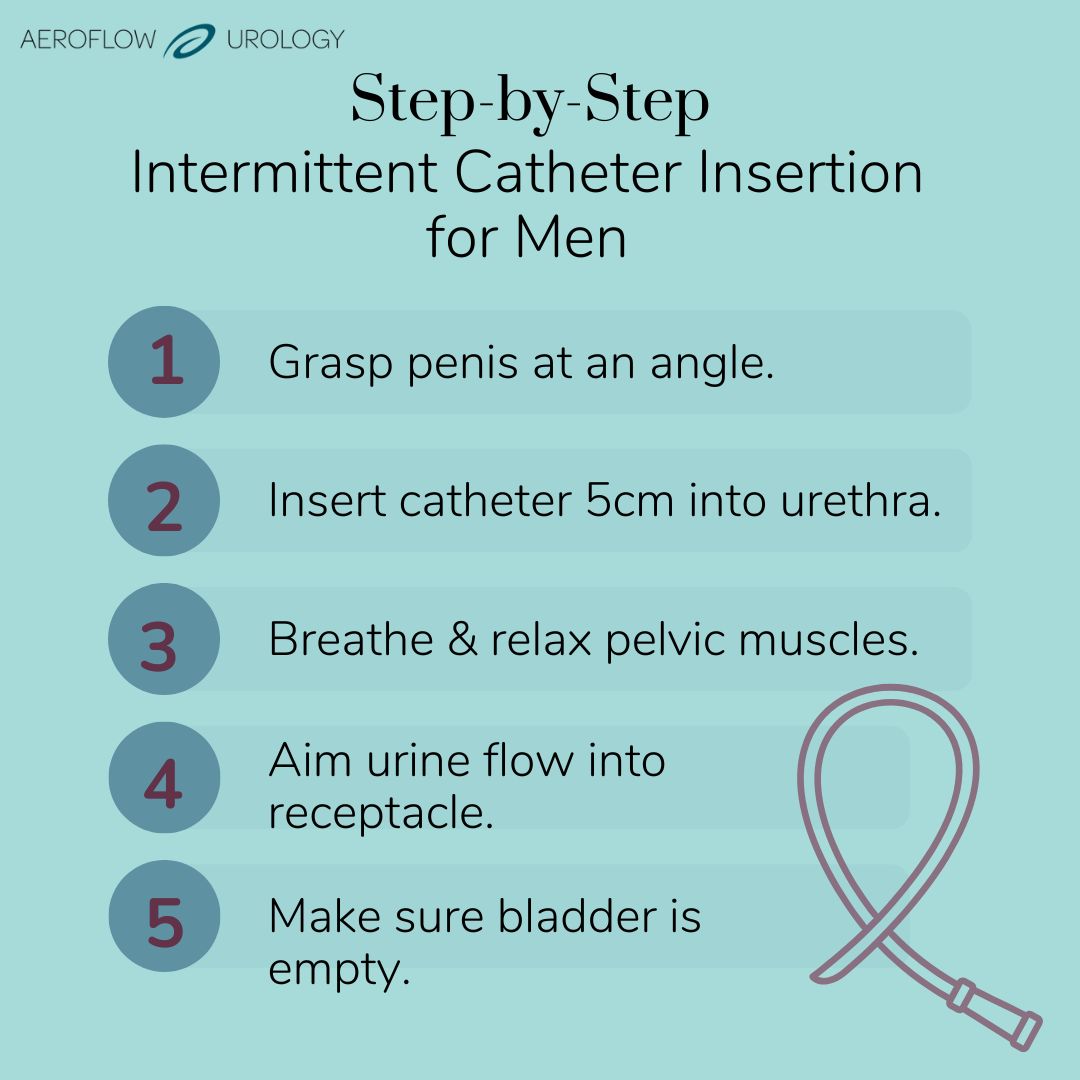
Hold the penis at a 90-degree angle with your non-dominant hand (now considered non-sterile). With your dominant hand, grasp the catheter and slowly insert it into the meatus. Advance the catheter steadily. You may feel a slight resistance as you reach the external sphincter; ask the patient to take a deep breath or "try to void" to relax the muscle.
Crucial Step: Unlike in female patients, the catheter must be advanced almost to the "Y" bifurcation (the hub) in males. This ensures that the balloon is fully inside the bladder and not lodged in the prostatic urethra.
4. Balloon Inflation and Securing
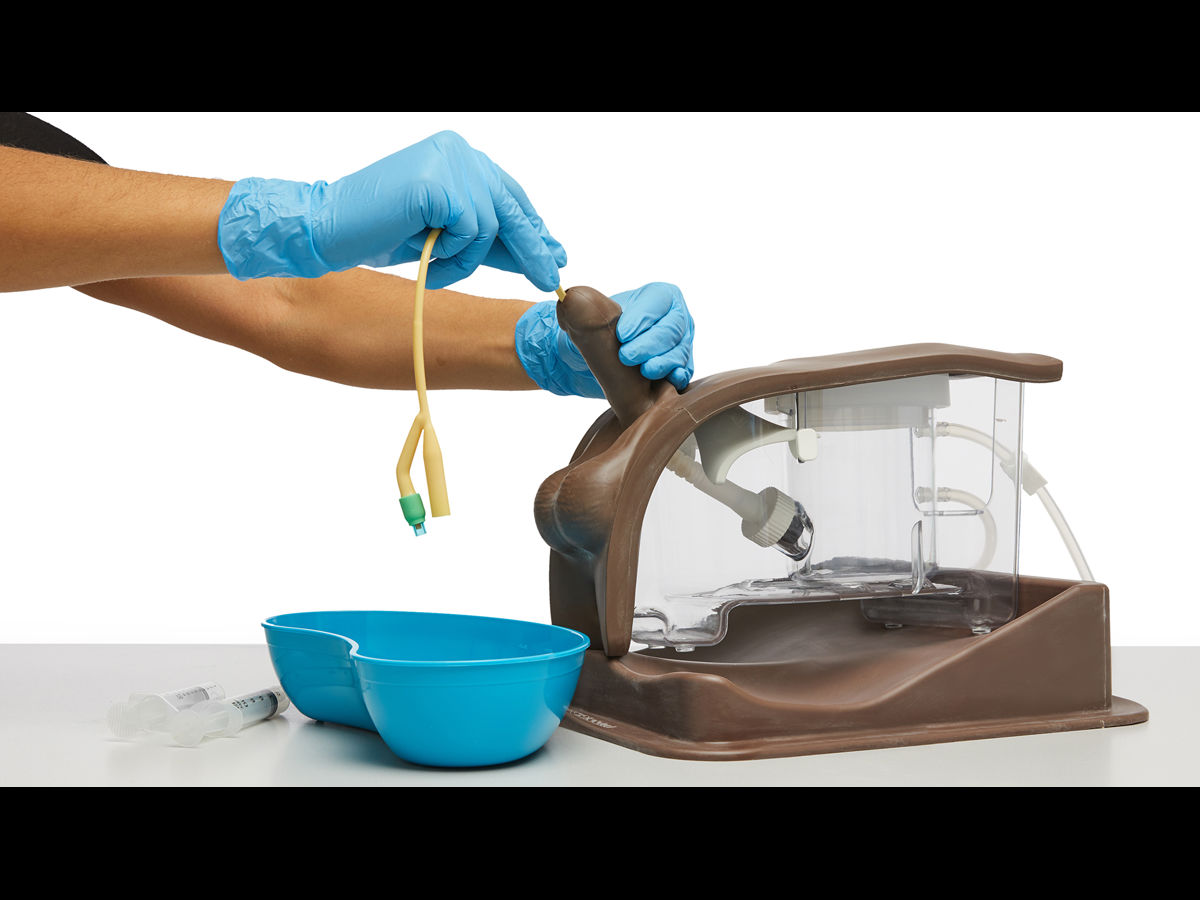
Once urine flow is visualized, advance the catheter another 1–2 cm. Inflate the retention balloon with the amount of sterile water specified on the catheter port (usually 10ml). Gently pull back on the catheter until resistance is felt, indicating the balloon is seated at the bladder neck. Always replace the foreskin in uncircumcised patients to prevent paraphimosis, a painful condition where the retracted foreskin acts as a tourniquet.
Secure the catheter to the patient's upper thigh or lower abdomen using a dedicated securement device. This prevents traction on the bladder neck and reduces the risk of urethral erosion.
Troubleshooting Common Obstacles
Resistance during insertion is the most common challenge in male catheterization. If resistance is met at the level of the prostate, do not force the catheter. Forcing can lead to urethral tearing, significant hemorrhage, and the creation of a permanent stricture.
If a standard Foley fails, switch to a Coudé catheter. Ensure the curved tip is pointing "up" toward the patient's head (usually indicated by a line or mark on the catheter hub). If resistance persists, the patient may have a urethral stricture—a narrowing caused by scar tissue. In such cases, the procedure should be stopped, and a urologist should be consulted for specialized intervention, such as the use of filiforms and followers or supra-pubic catheterization.
Another common issue is the lack of urine return. This may occur if the catheter is blocked by lubricant or if the bladder is empty. Gently aspirate with a syringe or irrigate with a small amount of sterile saline to confirm placement. If there is still no return and the patient is in discomfort, use a bedside bladder scanner to verify the presence of urine.
Prevention of Catheter-Associated Urinary Tract Infections (CAUTI)
By 2026, hospital protocols have intensified their focus on the "Urinary Catheter Bundle" to reduce infection rates. The primary rule is to maintain a closed drainage system. Every time the seal between the catheter and the drainage bag is broken, the risk of bacterial entry increases exponentially.
Daily hygiene is vital. The meatal area should be cleaned daily with soap and water; the use of aggressive antiseptics for daily care is no longer recommended as it can irritate the mucosa and encourage resistant bacterial growth. The drainage bag must always be kept below the level of the bladder to prevent the backflow of contaminated urine, but it should never touch the floor.
Medical staff are encouraged to perform daily reviews of catheter necessity. If the patient can void spontaneously or if the hourly monitoring is no longer required, the catheter should be removed immediately. Extended use is the single greatest risk factor for the development of biofilm and subsequent infection.
FAQs: Male Urinary Catheterization
Why is a Coudé catheter specifically used for male patients?
A Coudé catheter has a curved, stiffened tip designed to navigate the obstruction caused by an enlarged prostate or a high bladder neck. In many older male patients, the prostate narrows the urethral passage; the Coudé tip allows the clinician to "hook" the catheter over the obstruction rather than pushing directly into it, which reduces trauma.
What should I do if I see blood during the procedure?
A small amount of "tinged" lubricant or a few drops of blood can occur due to mucosal irritation. However, significant bleeding (hematuria) suggests a traumatic insertion or a false passage. In this event, stop the procedure, notify the physician, and monitor the patient for urinary retention or signs of shock. A urology consultation is often necessary to assess for urethral injury.
Can a male patient walk with an indwelling catheter?
Yes, patients are encouraged to remain mobile. For ambulatory patients, the large drainage bag can be swapped for a "leg bag" that is strapped to the calf or thigh and concealed under trousers. It is essential to ensure the tubing is not kinked and that the bag remains below the bladder level during movement to ensure continuous drainage.
How often should a long-term catheter be changed?
In 2026, standard practice suggests changing a silicone indwelling catheter every 8 to 12 weeks, or sooner if there are signs of encrustation, blockage, or infection. Intermittent catheters are intended for single use and should be discarded immediately after the bladder is emptied.
What is paraphimosis and why is it a risk in catheterization?
Paraphimosis occurs in uncircumcised males when the foreskin is left retracted behind the glans penis for an extended period. This causes swelling and can cut off blood flow to the tip of the penis. It is a medical emergency. Clinicians must always remember to slide the foreskin back to its natural position immediately after the catheter is secured.
Practical Recommendation for Clinicians
For healthcare providers, the most effective way to ensure a successful male catheterization is the "Wait and Relax" strategy. Always use 2% lidocaine gel and allow it the full three minutes to anesthetize the urethra. This pause not only reduces patient pain but also relaxes the pelvic floor muscles, making the passage through the external sphincter significantly easier. If you encounter a "firm" stop, never use force; instead, opt for a Coudé tip catheter or seek assistance from a senior urological practitioner to prevent long-term urethral damage.
Image Gallery